
 Science
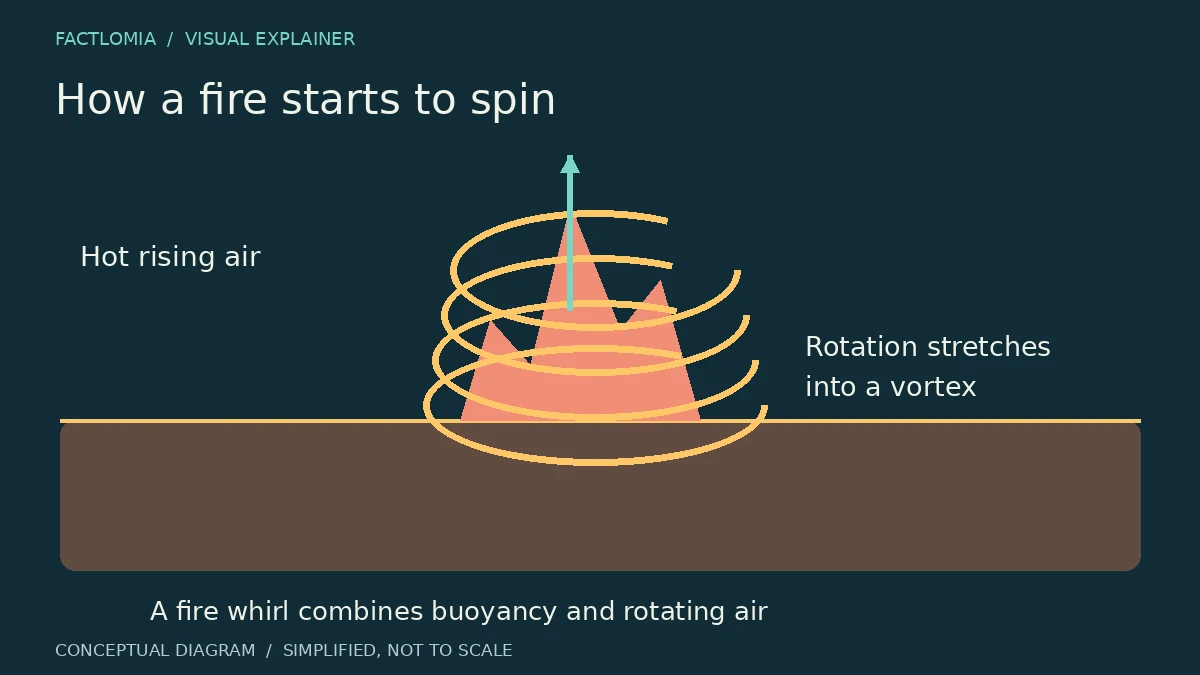
How Do Fire Whirls Form?
A fire whirl forms when rising hot gases interact with rotating air. The fire’s updraft can intensify and lift smoke, debris, and flame into a spinning column.
Page 4 of 16 · Science, nature, space and history.
ScienceA fire whirl forms when rising hot gases interact with rotating air. The fire’s updraft can intensify and lift smoke, debris, and flame into a spinning column.
 Nature
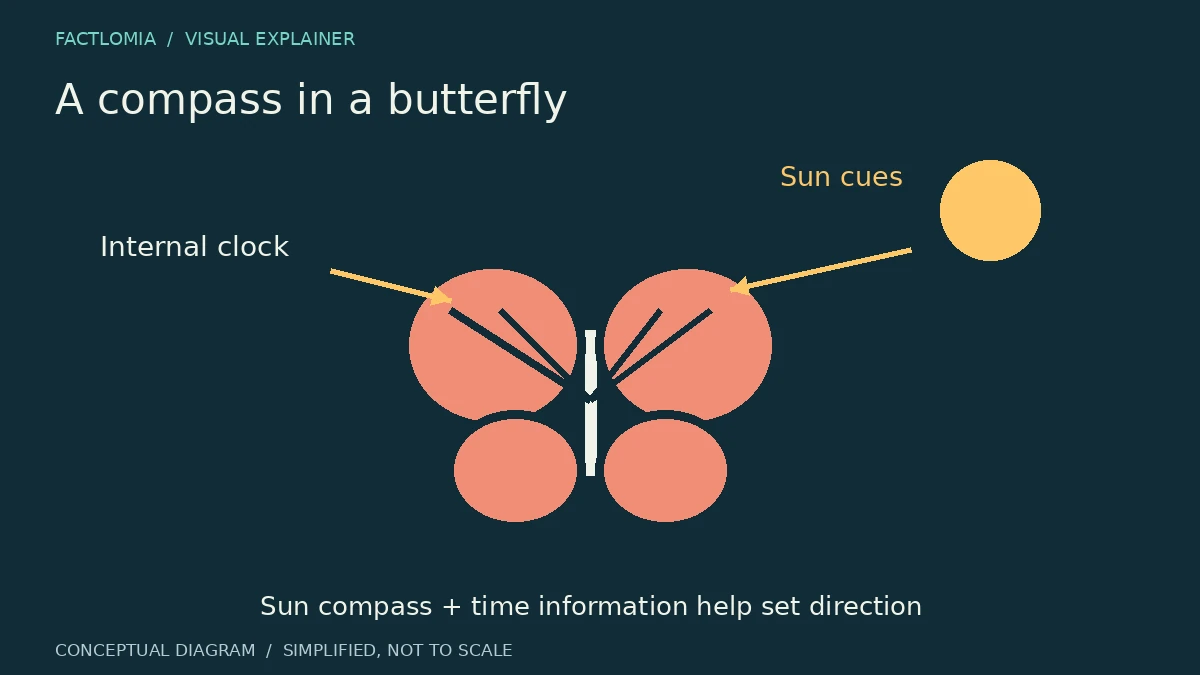
Migrating monarchs use a time-compensated Sun compass and can use a light-dependent magnetic compass when directional sunlight is unavailable. These cues guide direction, but do not fully explain how they locate a specific wintering site.
 Nature
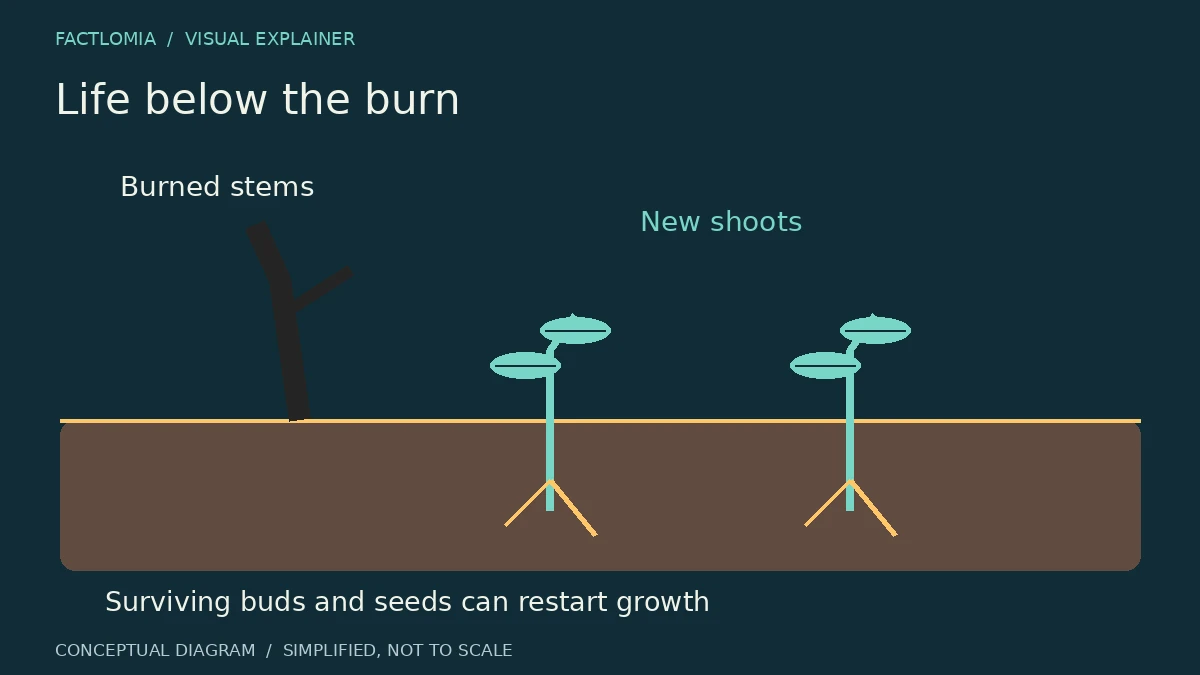
Plants can return after fire from protected roots, surviving seeds, resprouting stems, or seeds carried in from nearby areas. Recovery depends on species and how hot or often an area burns.
 Nature
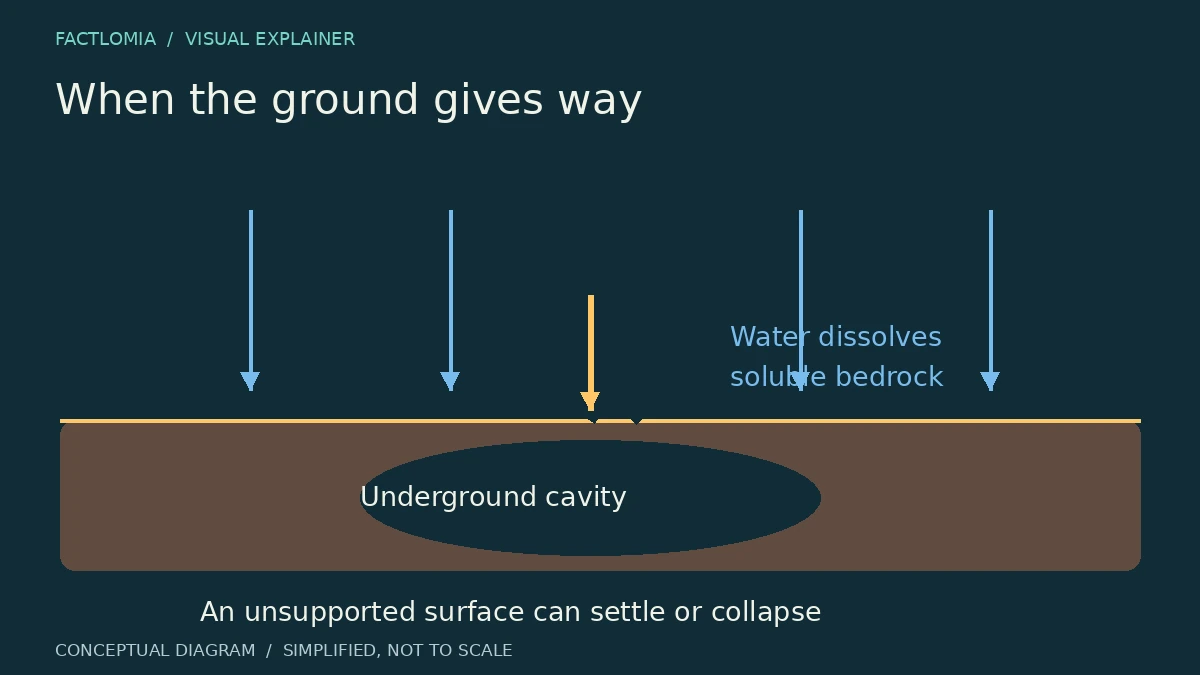
Sinkholes form when the ground loses support, often as groundwater dissolves soluble rock or washes soil into underground openings. Learn why some appear gradually and others collapse suddenly.
 Nature
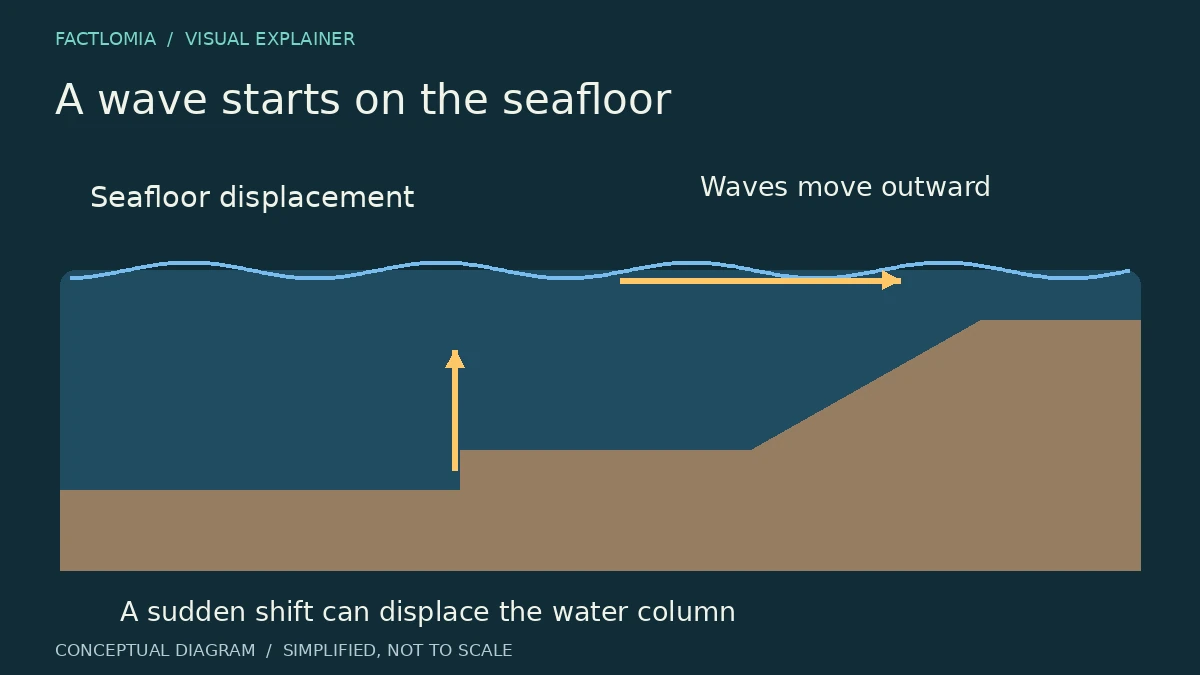
A tsunami begins when a large, sudden displacement pushes water into motion. Undersea earthquakes are the most common cause, but landslides and volcanic activity can also generate one.
 Science
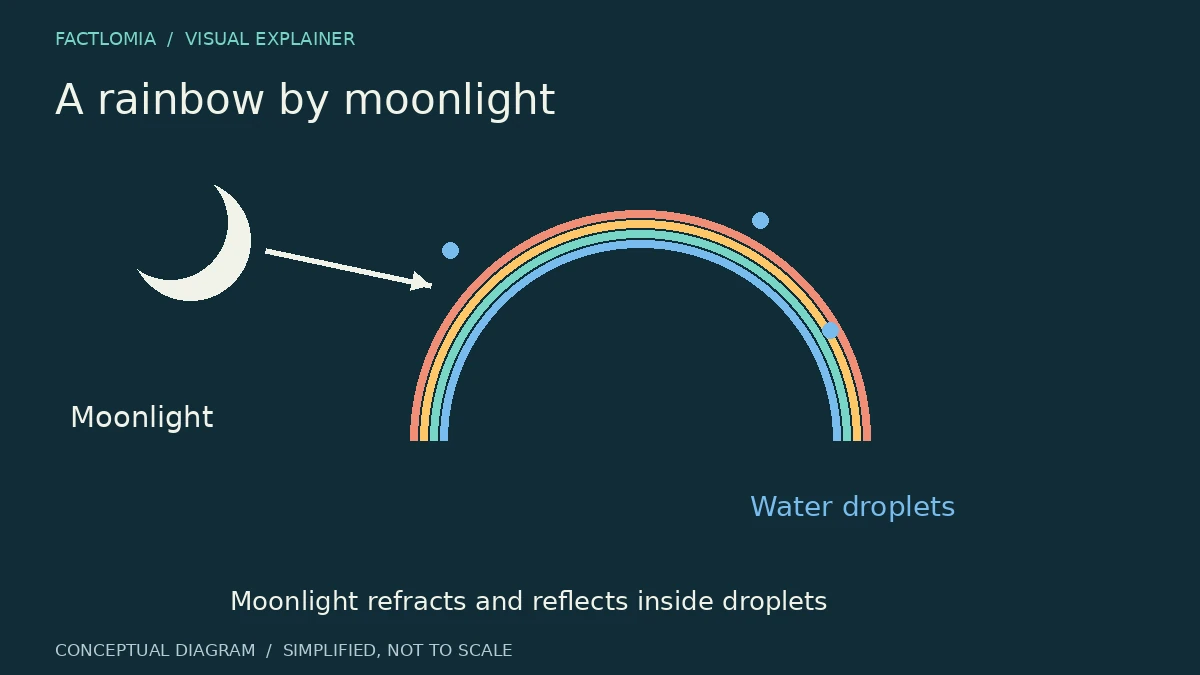
A moonbow is a rainbow made by moonlight. Its colors are usually faint because moonlight is weak, even though the same refraction and reflection inside water droplets create the arc.
 Science
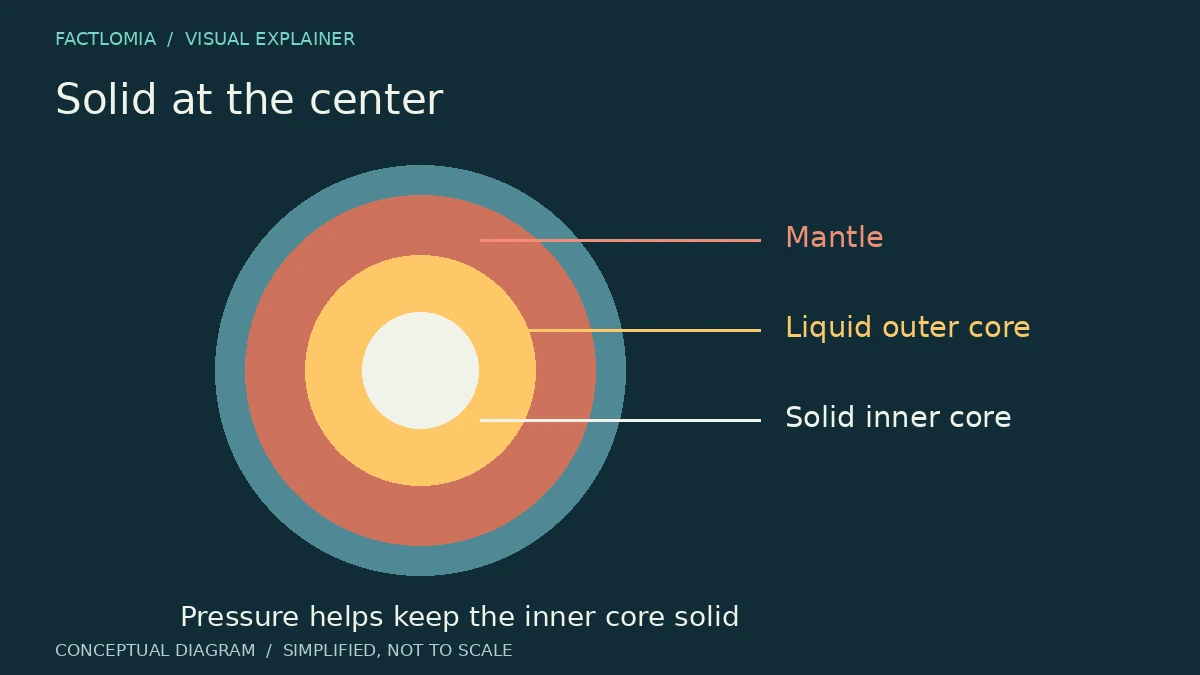
Earth’s inner core is solid despite its extreme heat because pressure at the planet’s center raises the melting point of its iron-rich material. Earthquake waves help reveal its state.
 Nature
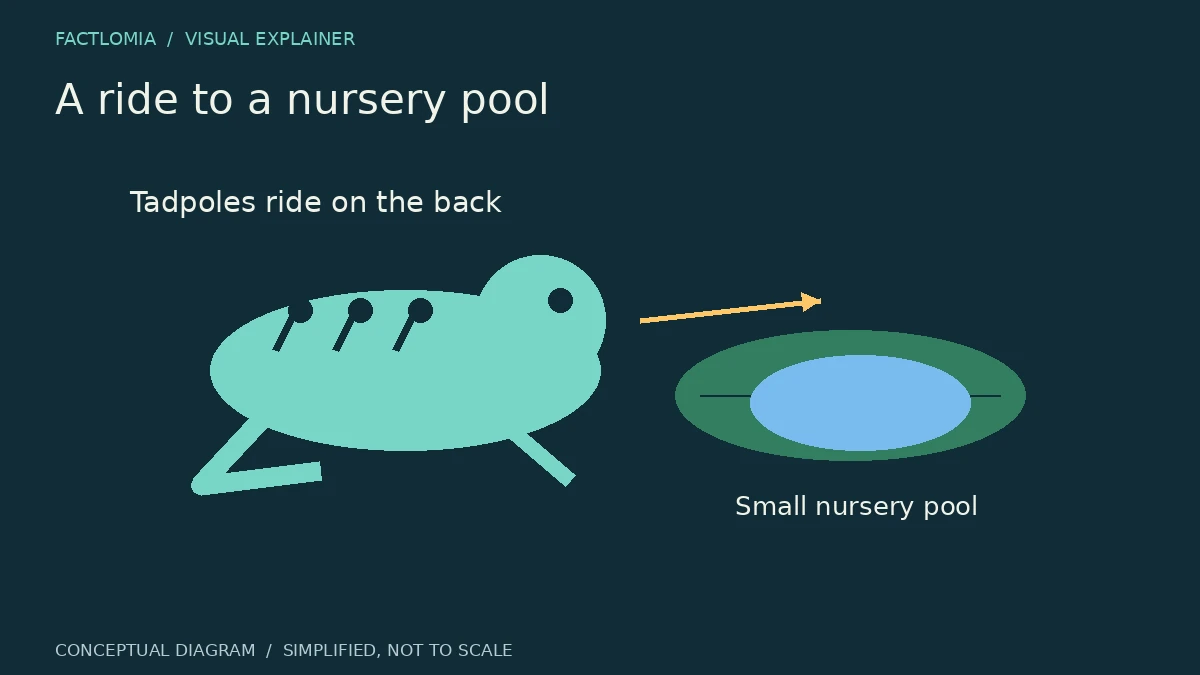
Poison frogs transport their newly hatched tadpoles to small pools where the young can develop. This parental care helps tadpoles reach water in a forest where suitable sites may be scattered.
 Nature
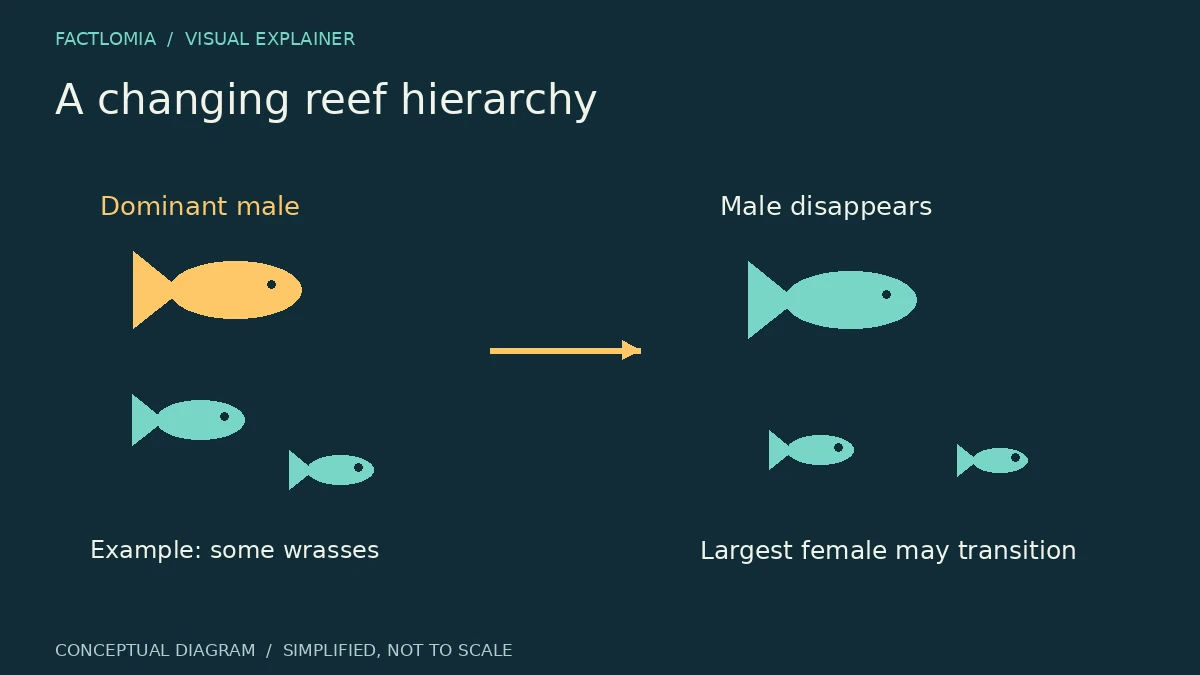
Some fish change sex as part of their life cycle. In certain reef species, social rank can trigger a female-to-male transition when a dominant male disappears, helping the group keep reproducing.
 Science
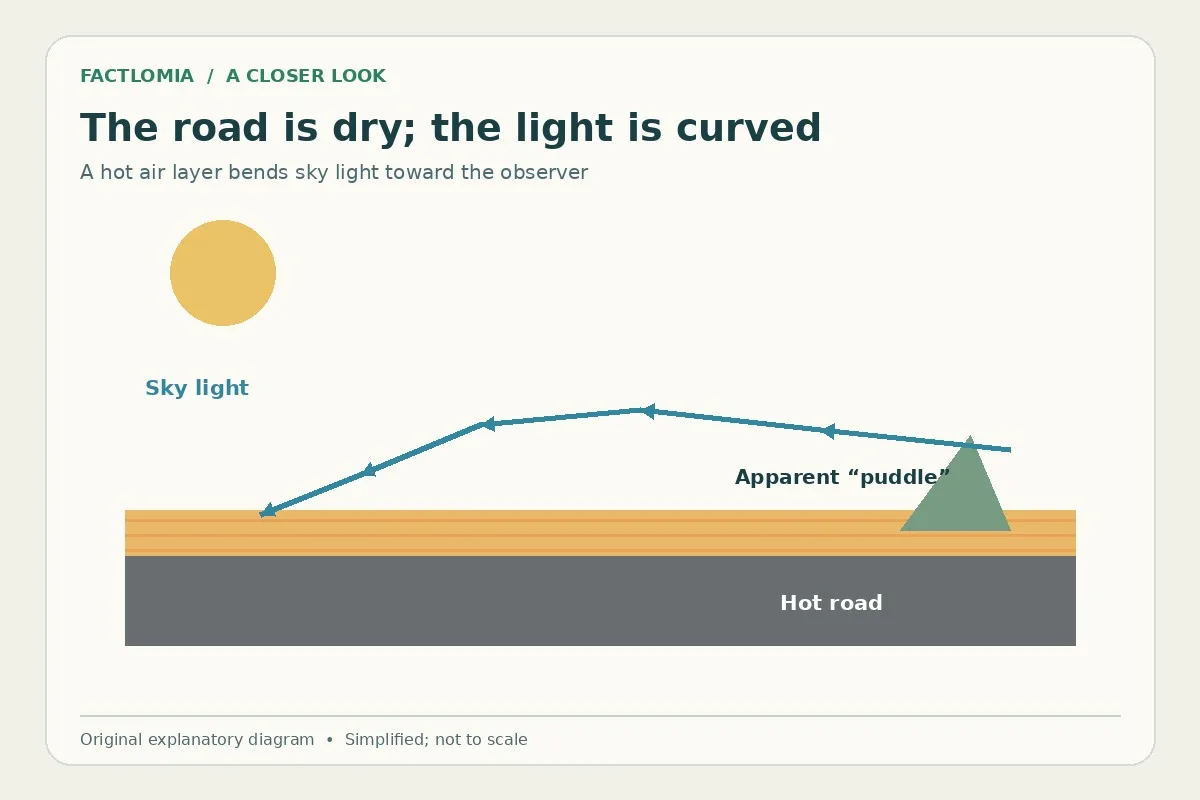
A hot-road mirage bends light through layers of air at different temperatures, creating a displaced image of the sky that resembles a puddle.
 Science
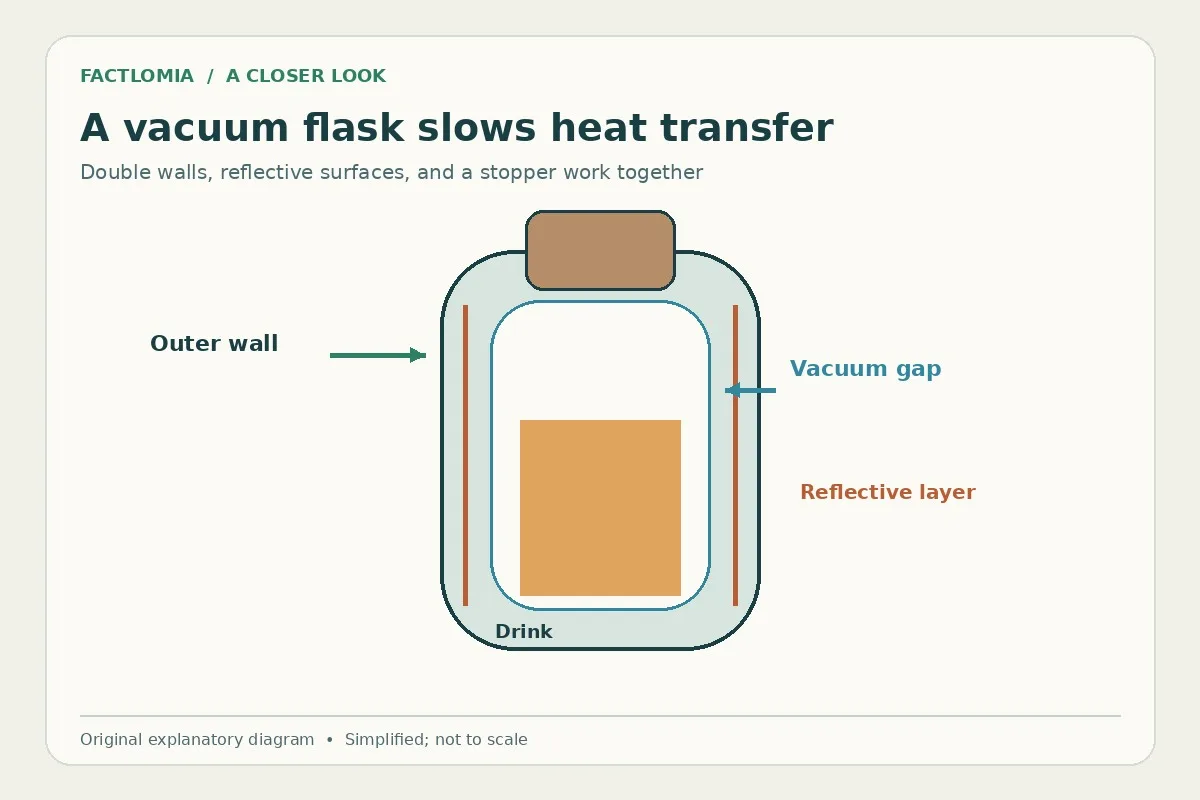
A vacuum flask slows heat transfer with a vacuum between double walls, reflective surfaces, insulating materials, and a stopper.
 Nature
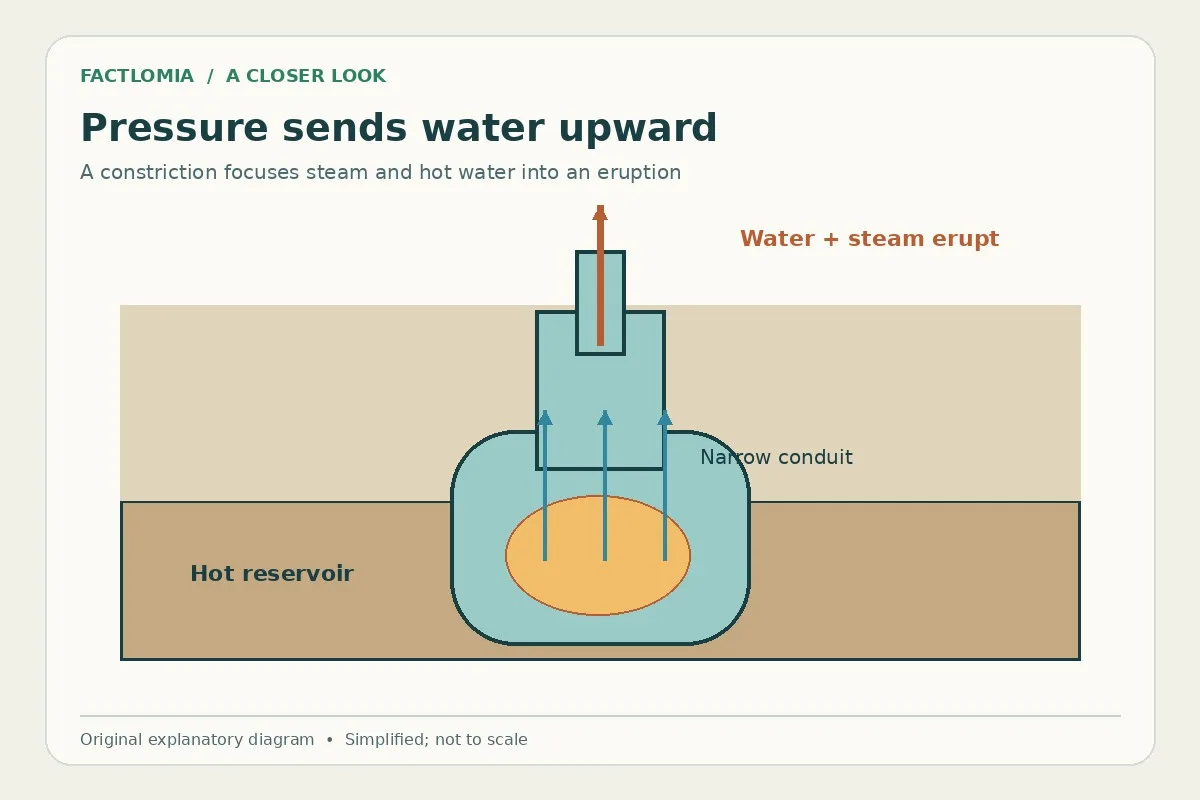
A geyser erupts when underground hot water, steam, and a constricted plumbing system build pressure until a water-and-steam mixture is forced upward.
 Science
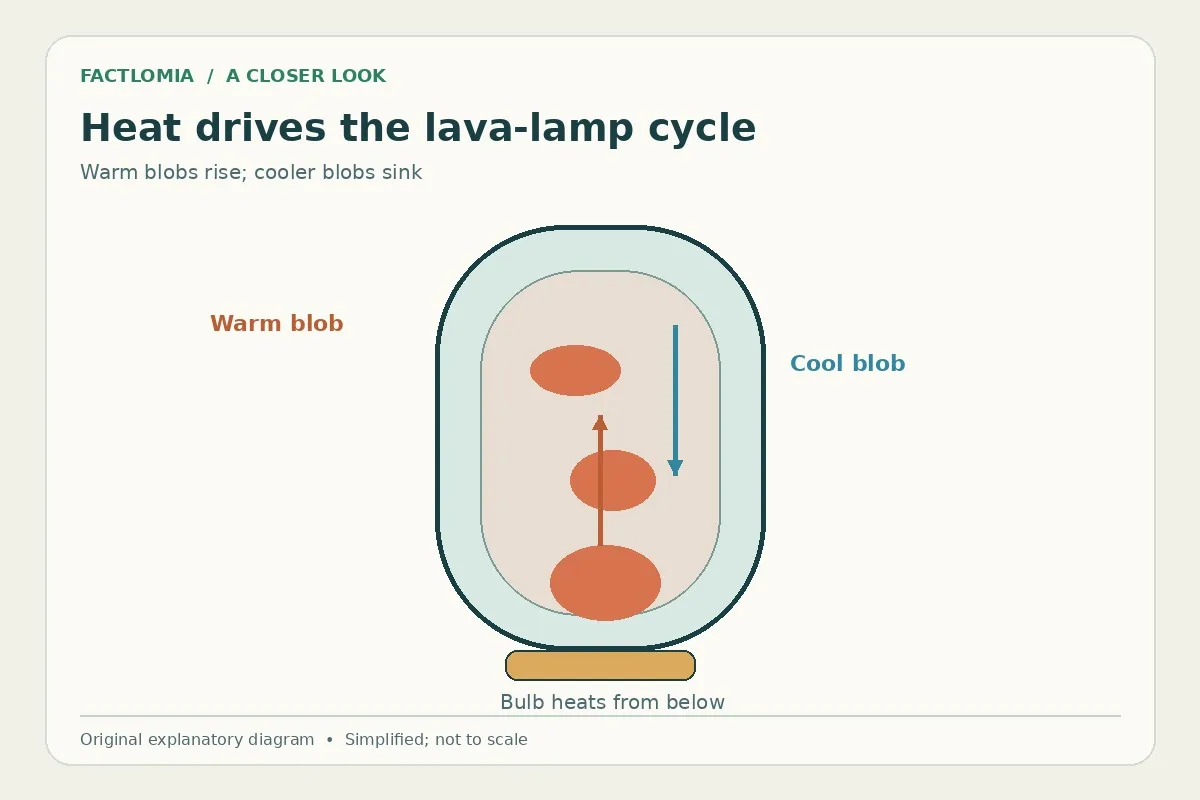
A lava lamp uses heat-driven convection in two liquids that do not mix. A blob rises as it warms and becomes less dense, then cools and sinks.
 Nature
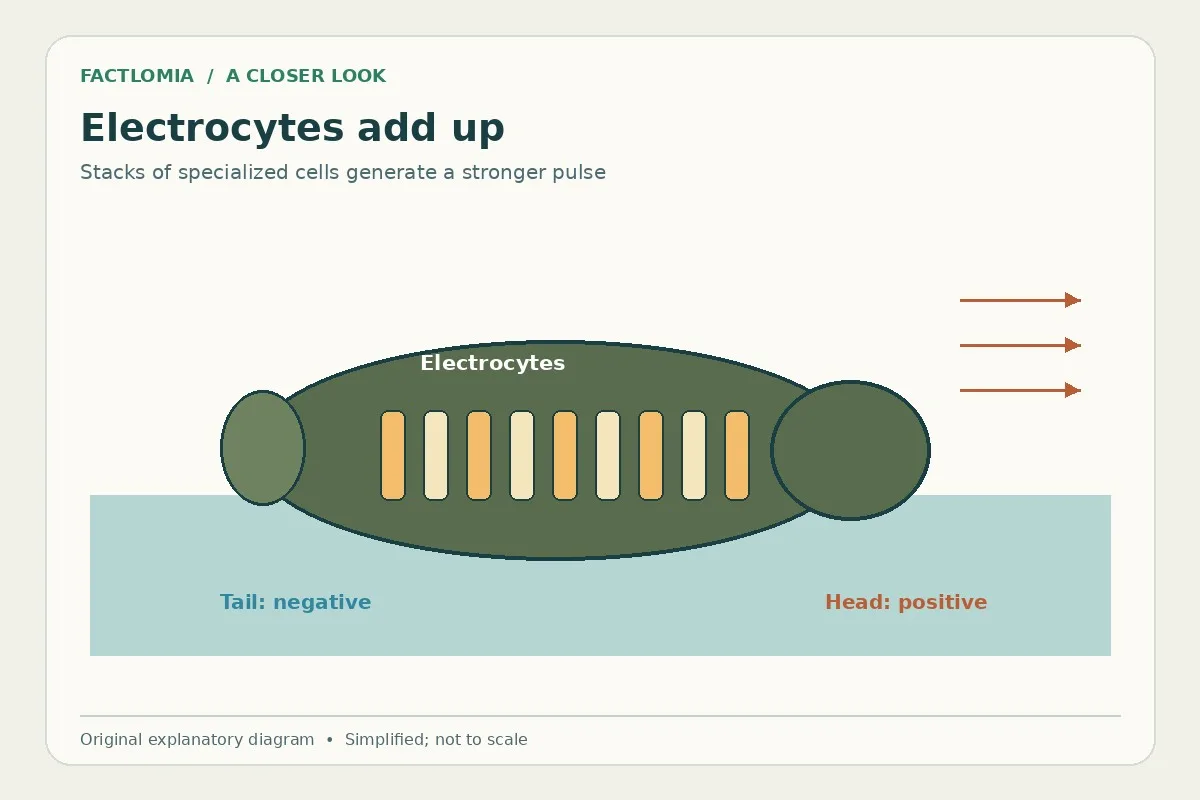
Electric eels use specialized electric organs filled with modified cells called electrocytes. Their synchronized discharges can produce strong pulses for hunting and defense.
 Science
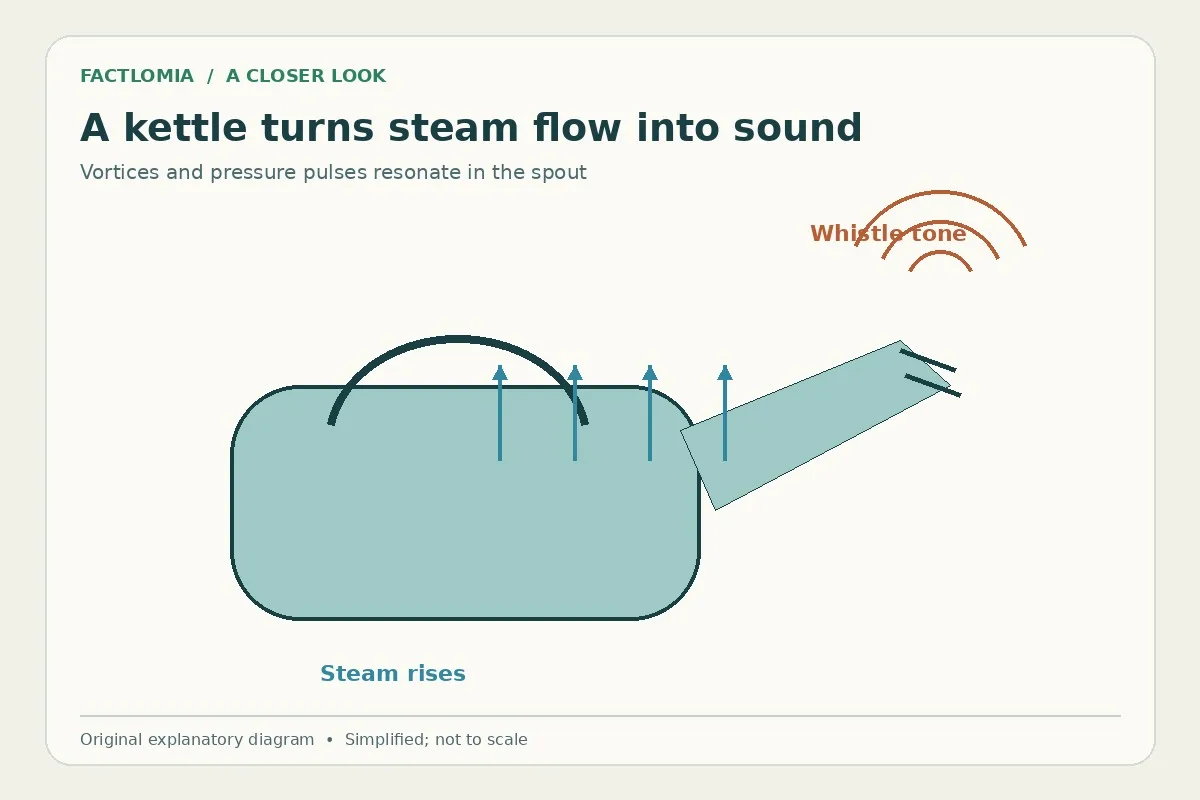
Steam flowing through a kettle spout can create a self-sustaining tone. The whistle’s narrow geometry helps turn a turbulent flow into sound.
 Nature
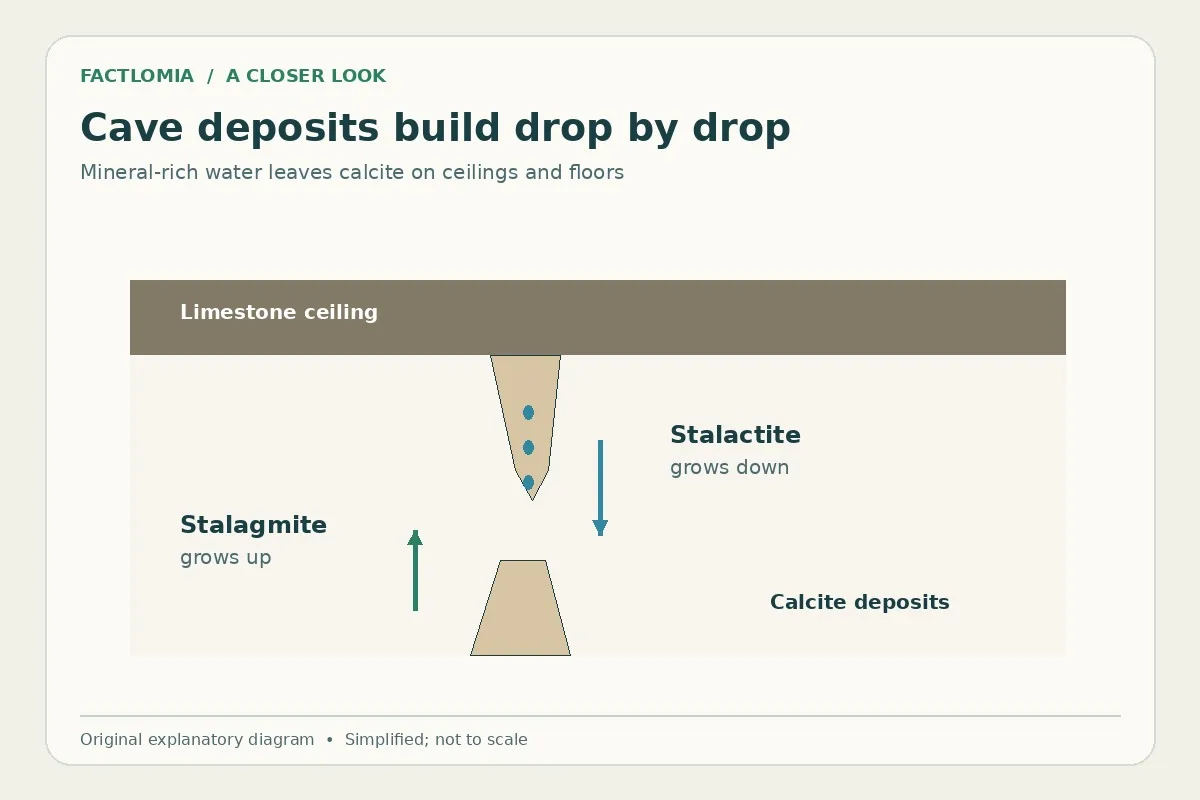
Mineral-rich water can deposit calcite inside caves. Stalactites grow from ceilings, stalagmites build upward from floors, and the two can eventually meet.
 Science
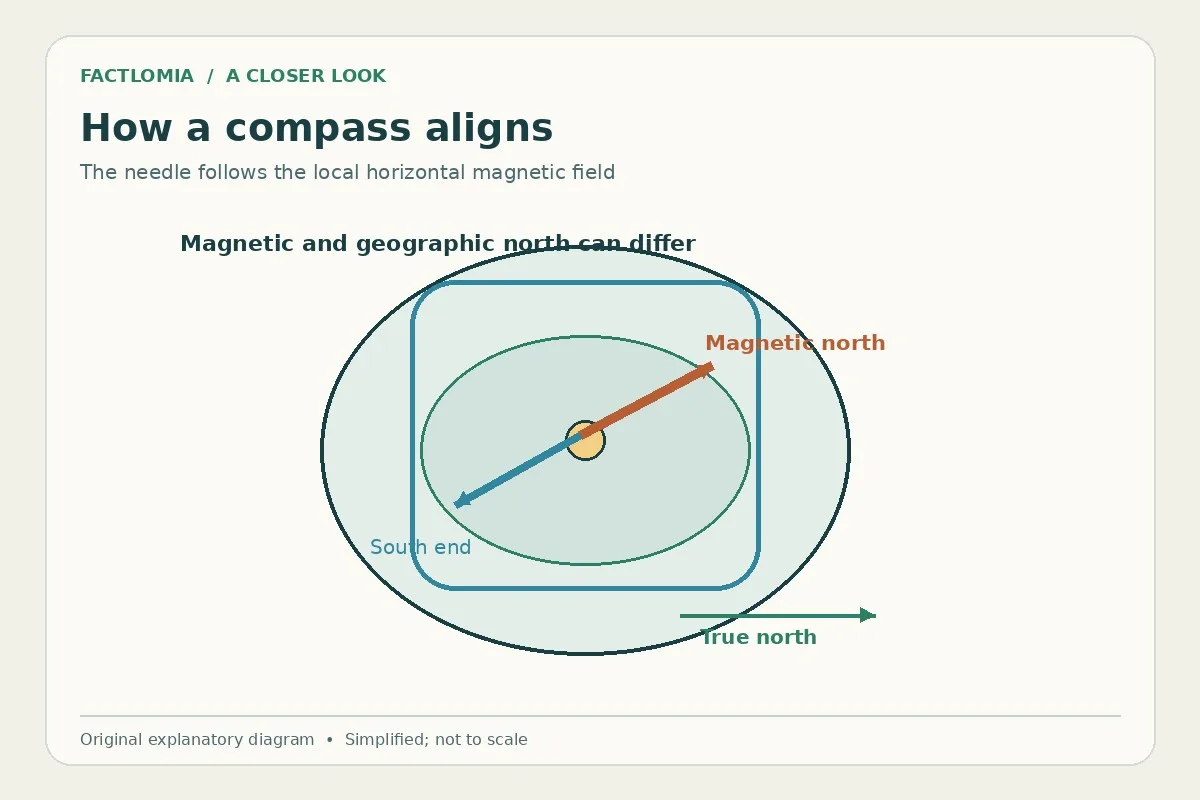
A compass needle is a small magnet that aligns with the horizontal component of Earth’s magnetic field. Its direction is magnetic north, which can differ from true north.
 Science
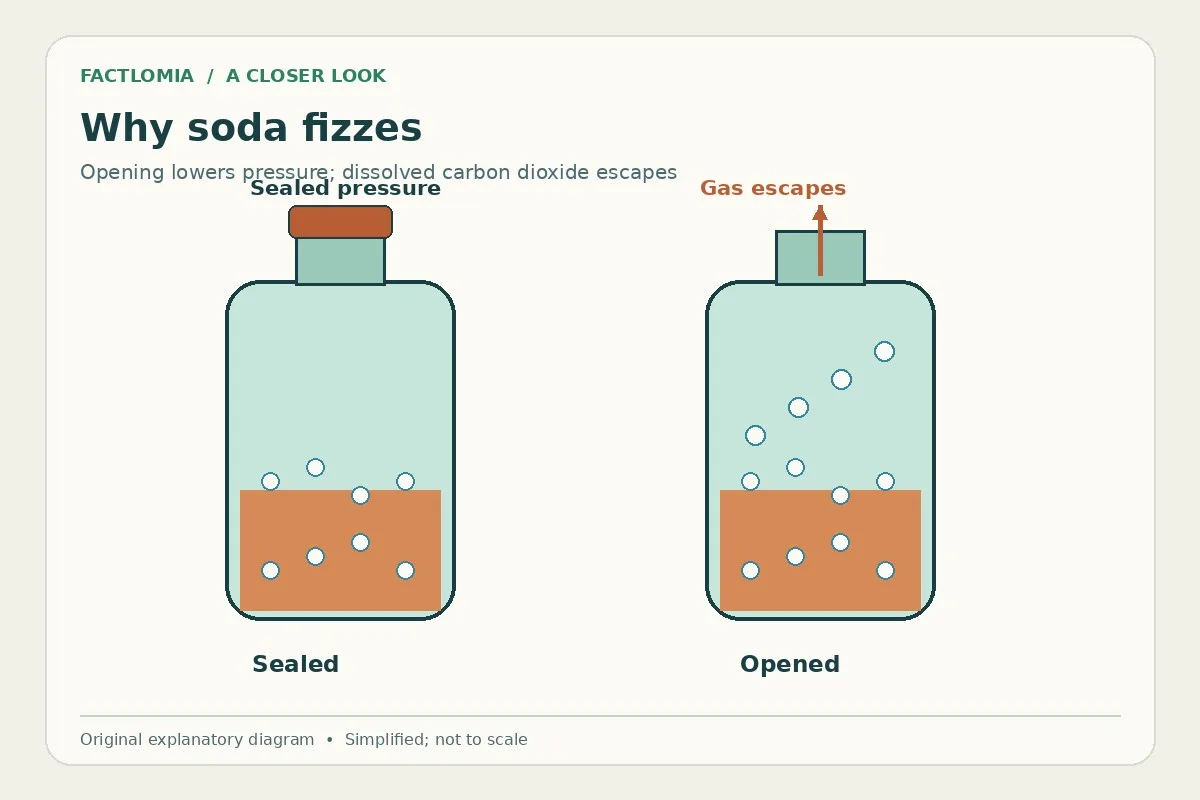
Carbon dioxide stays dissolved in sealed soda under pressure. Opening the container lowers the pressure, so gas escapes from the liquid as bubbles.
 Science
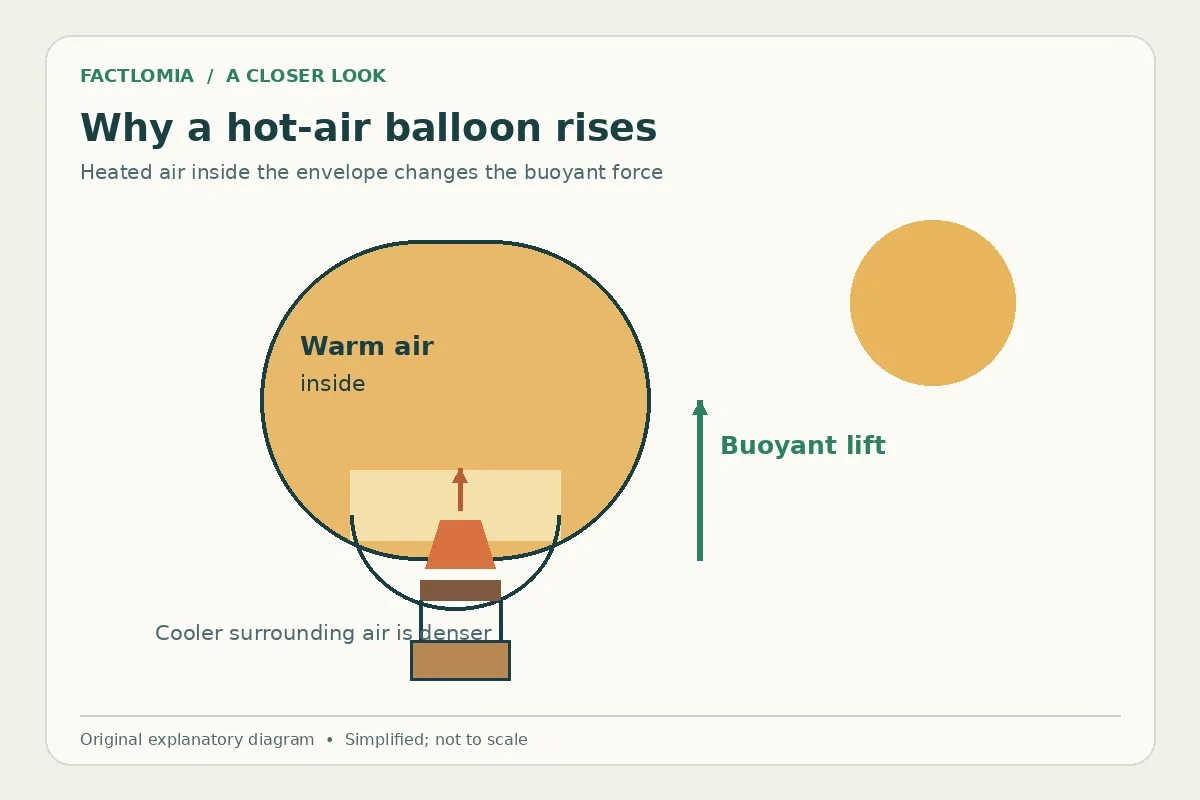
A hot-air balloon rises when its heated air makes the complete balloon system less dense than the cooler air it displaces. The burner changes the balloon’s lift.
 Space
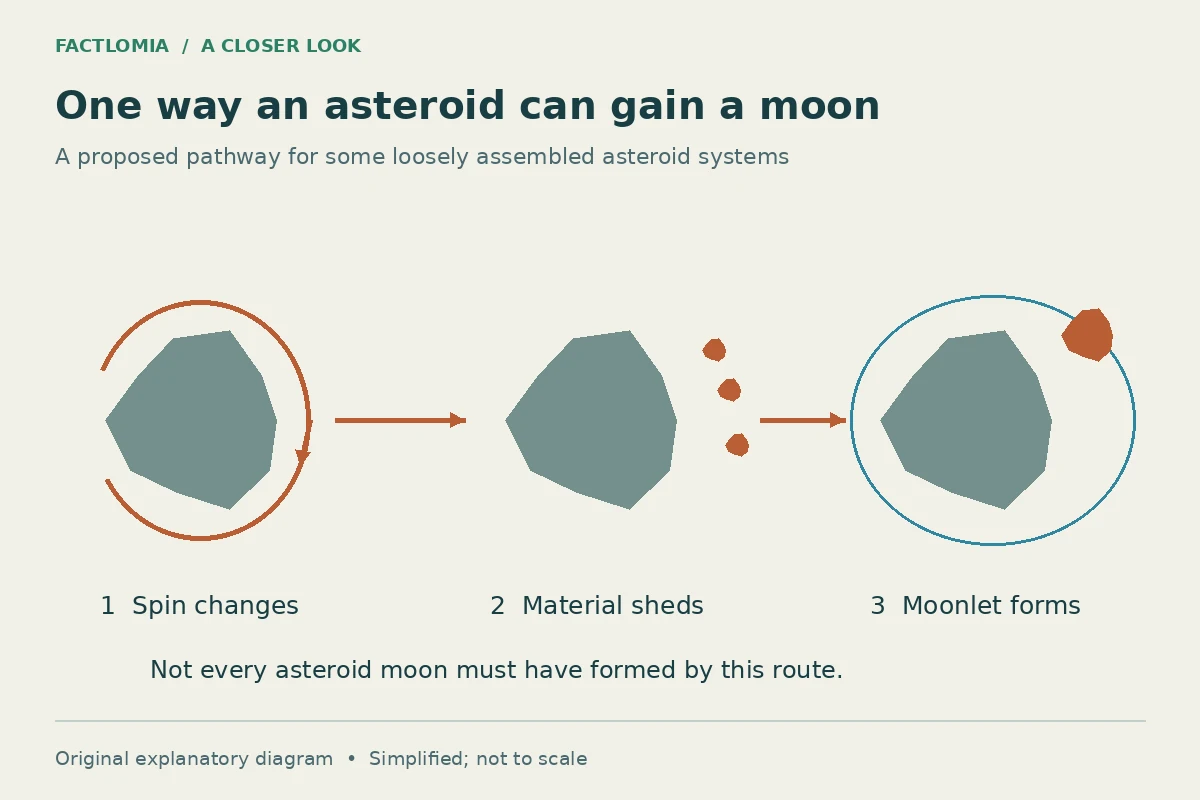
Small asteroids can have moonlets. Explore rotational shedding, sunlight-driven spin changes, and why scientists do not assume one origin for every binary system.
 Nature
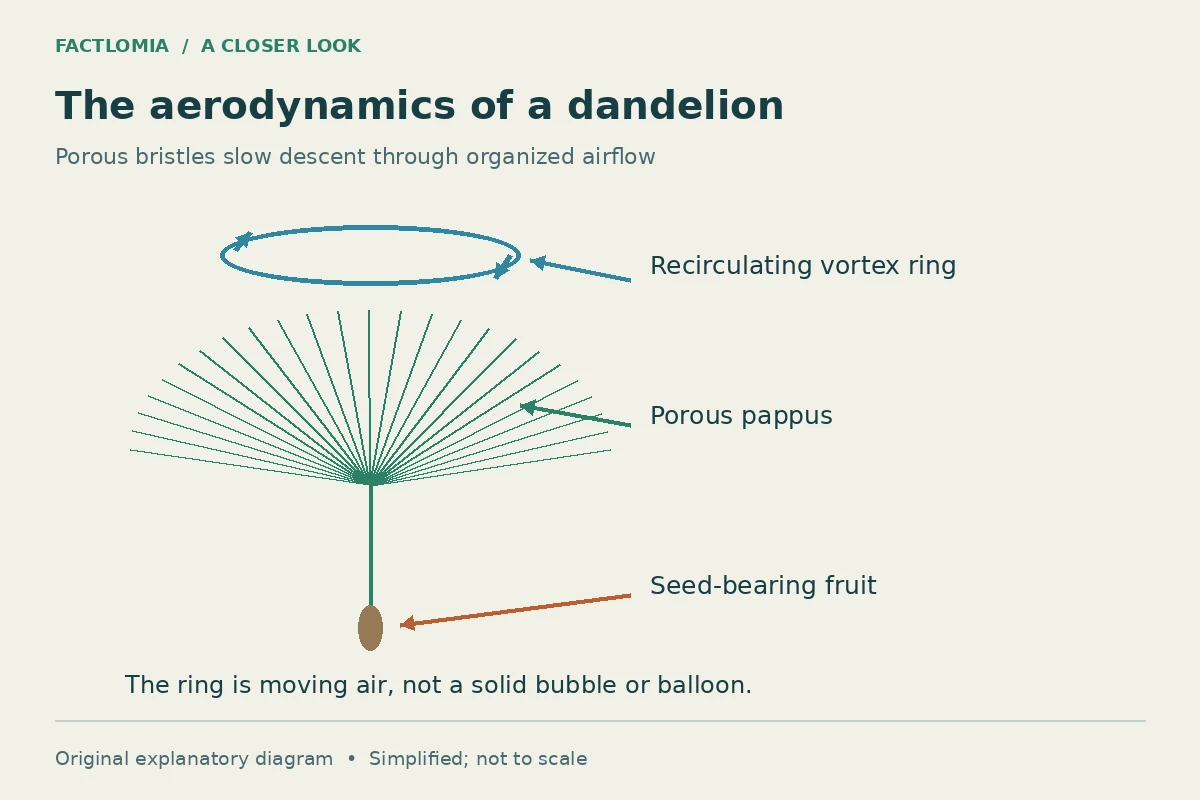
A dandelion’s porous tuft slows its fall through unusual airflow. Discover the pappus, its separated vortex ring, and why wind still determines the journey.
 Nature
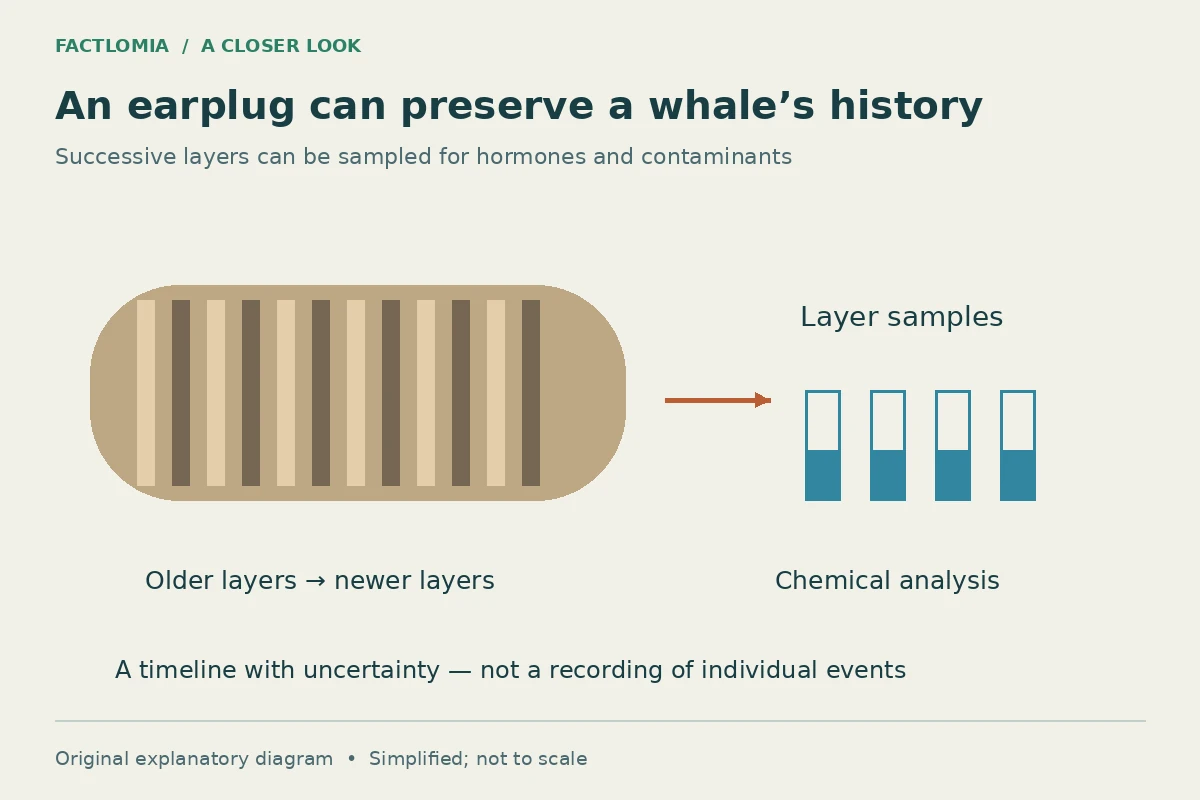
Layers in baleen whale earplugs can preserve age and chemical history. Learn how scientists study pollutants and hormones without treating the record as a diary.
 Nature
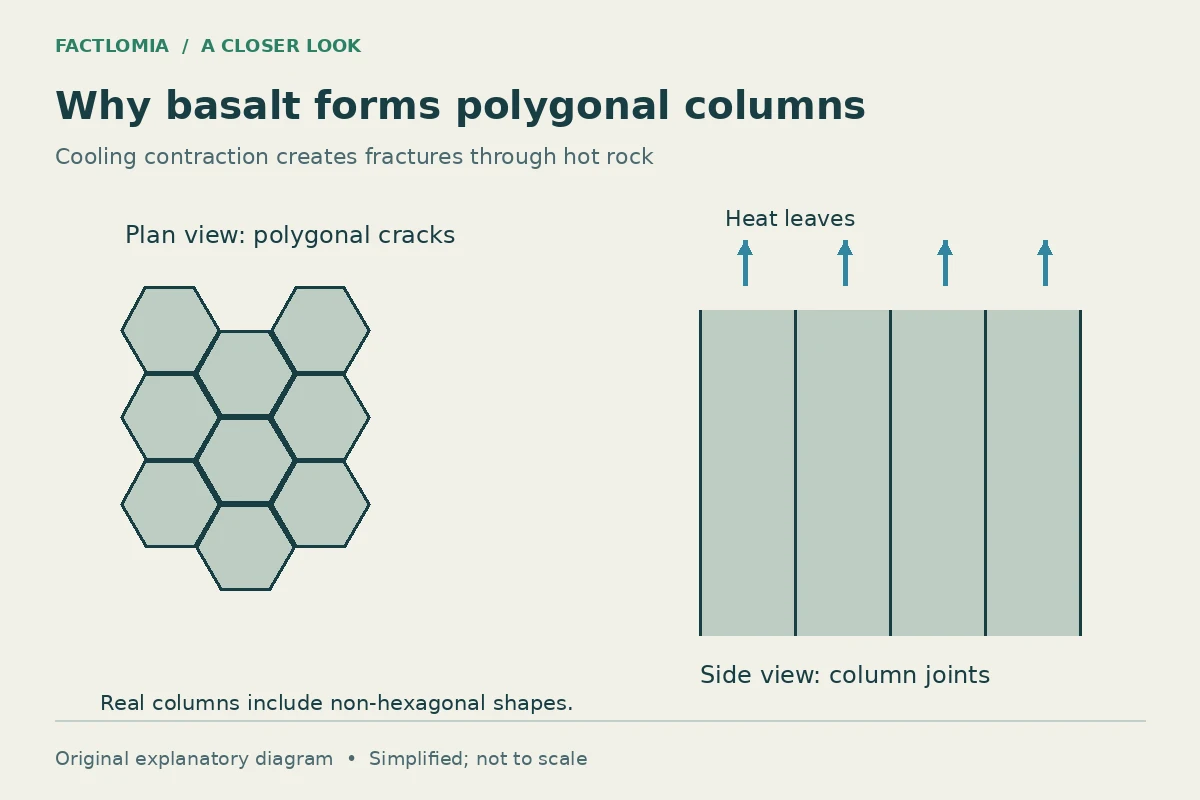
Basalt columns form as hot rock cools, contracts, and cracks. Learn why six-sided patterns are common, why other shapes occur, and how columns follow cooling.
 Science
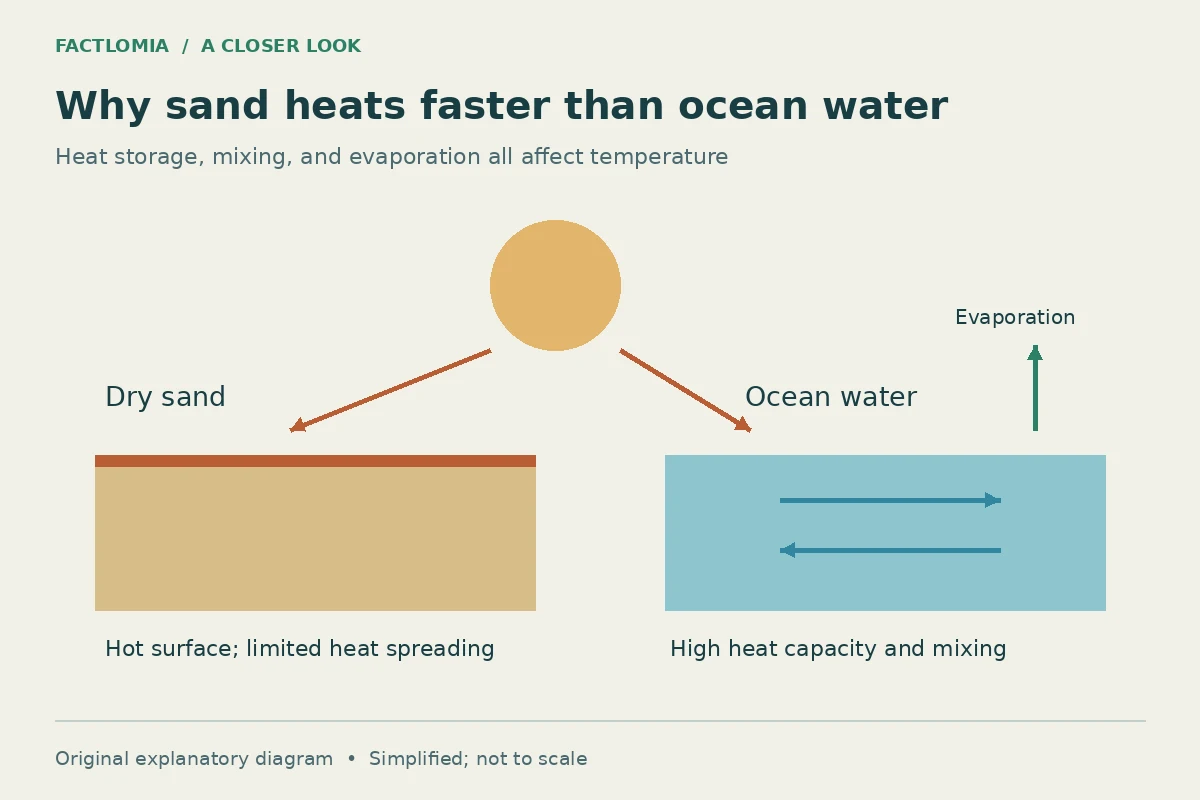
Sand and ocean water respond differently to sunlight. Understand heat capacity, mixing, evaporation, and why the temperature beneath the sand can feel different.