
 Science
Why Does Your Voice Sound Different in a Recording?
Your recorded voice reaches you through air, while speaking also sends vibrations through your skull. Learn why that changes the sound you recognize as your own.
Page 10 of 16 · Science, nature, space and history.
ScienceYour recorded voice reaches you through air, while speaking also sends vibrations through your skull. Learn why that changes the sound you recognize as your own.
 Science
Changes in cabin pressure can leave the middle ear at a different pressure from the outside. The Eustachian tube helps equalize the difference, creating the familiar pop.
 Nature
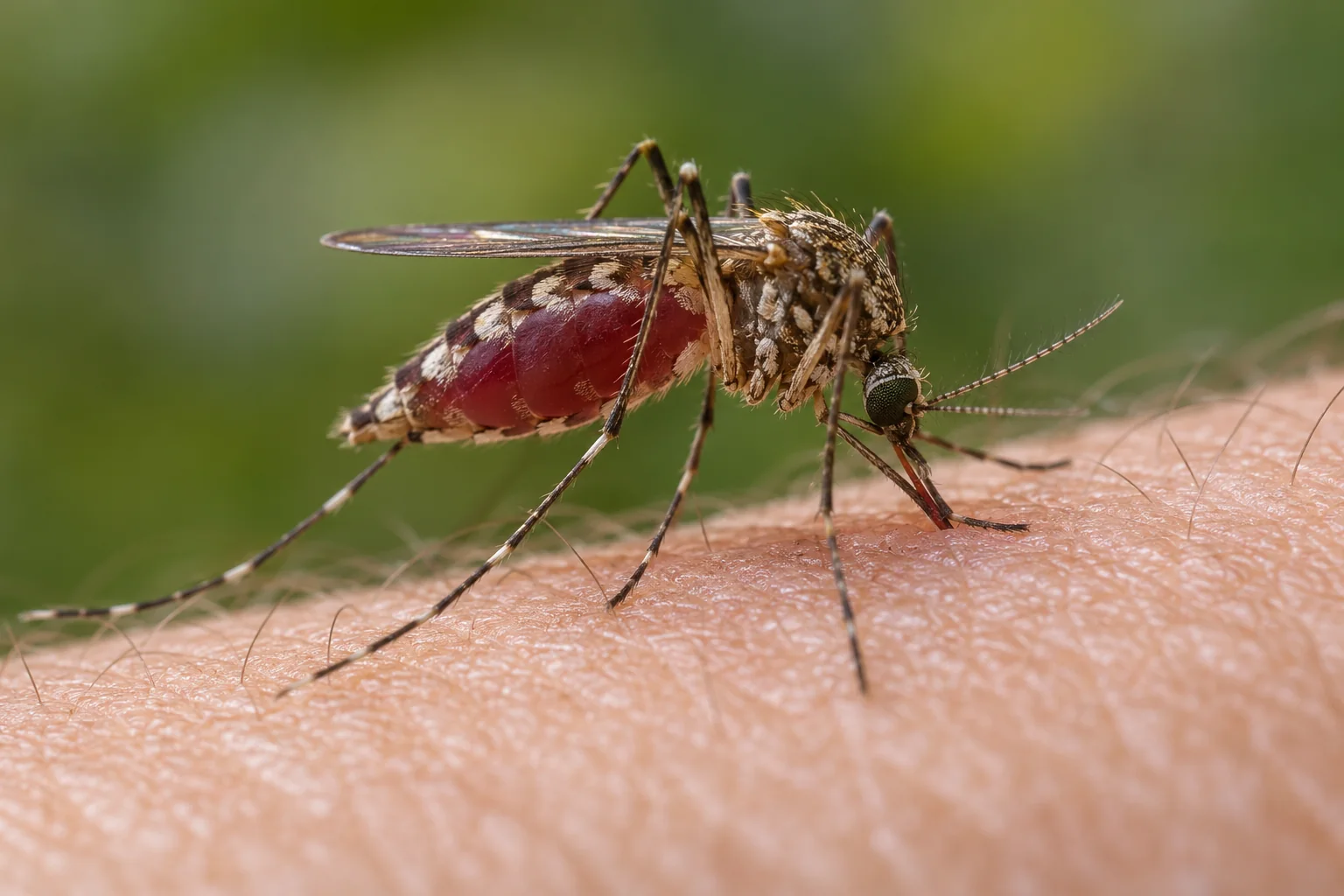
Mosquitoes follow a mix of carbon dioxide, body odour, heat and visual cues. Research links differences in human attractiveness to skin odours, but no single factor explains every bite.
 Nature
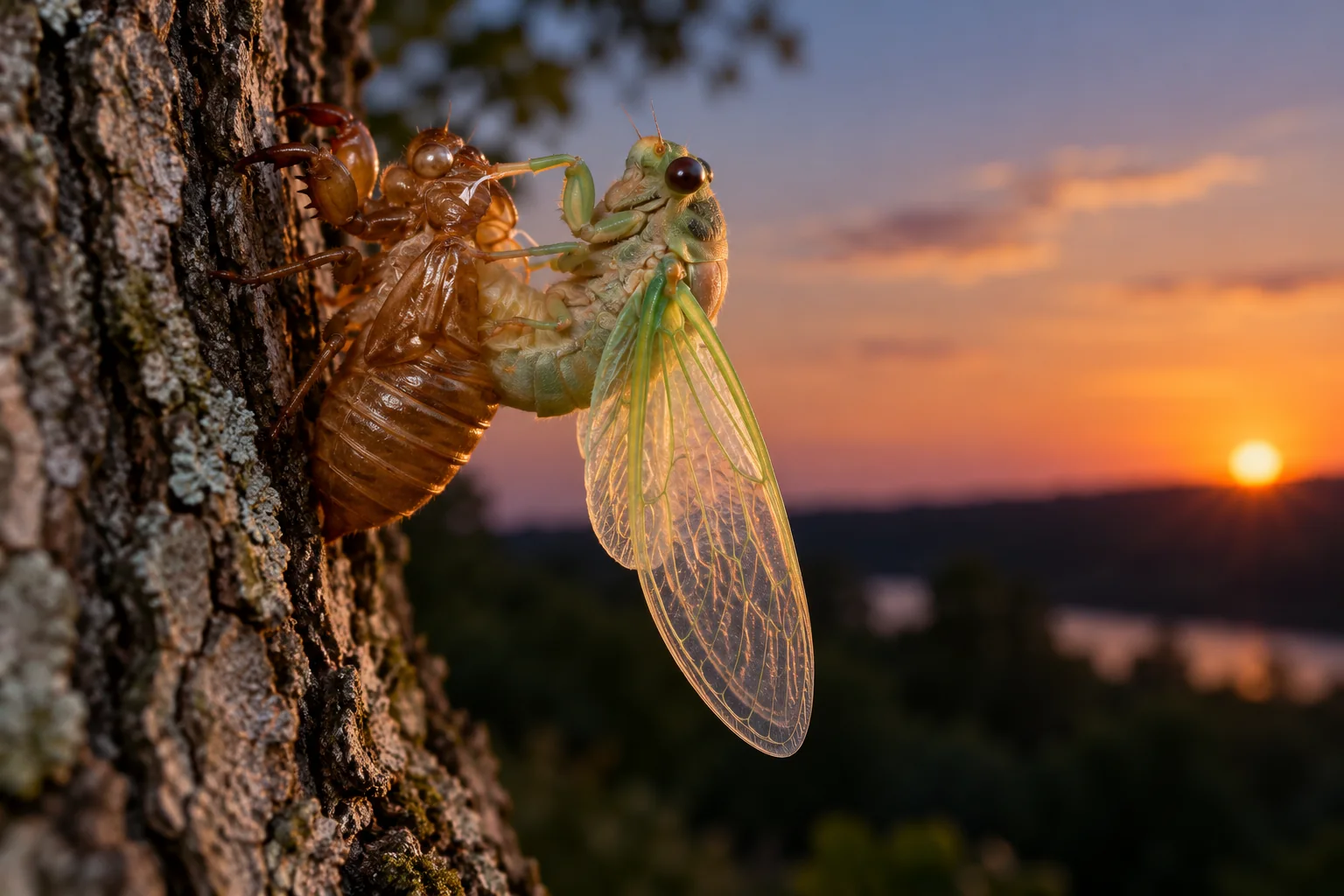
Periodical cicadas emerge in huge broods after 13 or 17 years underground. Synchronous timing can overwhelm predators, while soil conditions help cue the emergence.
 Science
A moving siren’s sound waves arrive closer together as it approaches and farther apart as it moves away. This Doppler shift changes the pitch you hear.
 Science
A bubble’s shifting colors come from light waves reflecting off both sides of its thin soap film. Small changes in film thickness change which colors reinforce or cancel.
 Science
Dry indoor air lets electric charge linger on clothes and objects. Learn why winter shocks are common and why dryness, rather than cold itself, is the key factor.
 Science
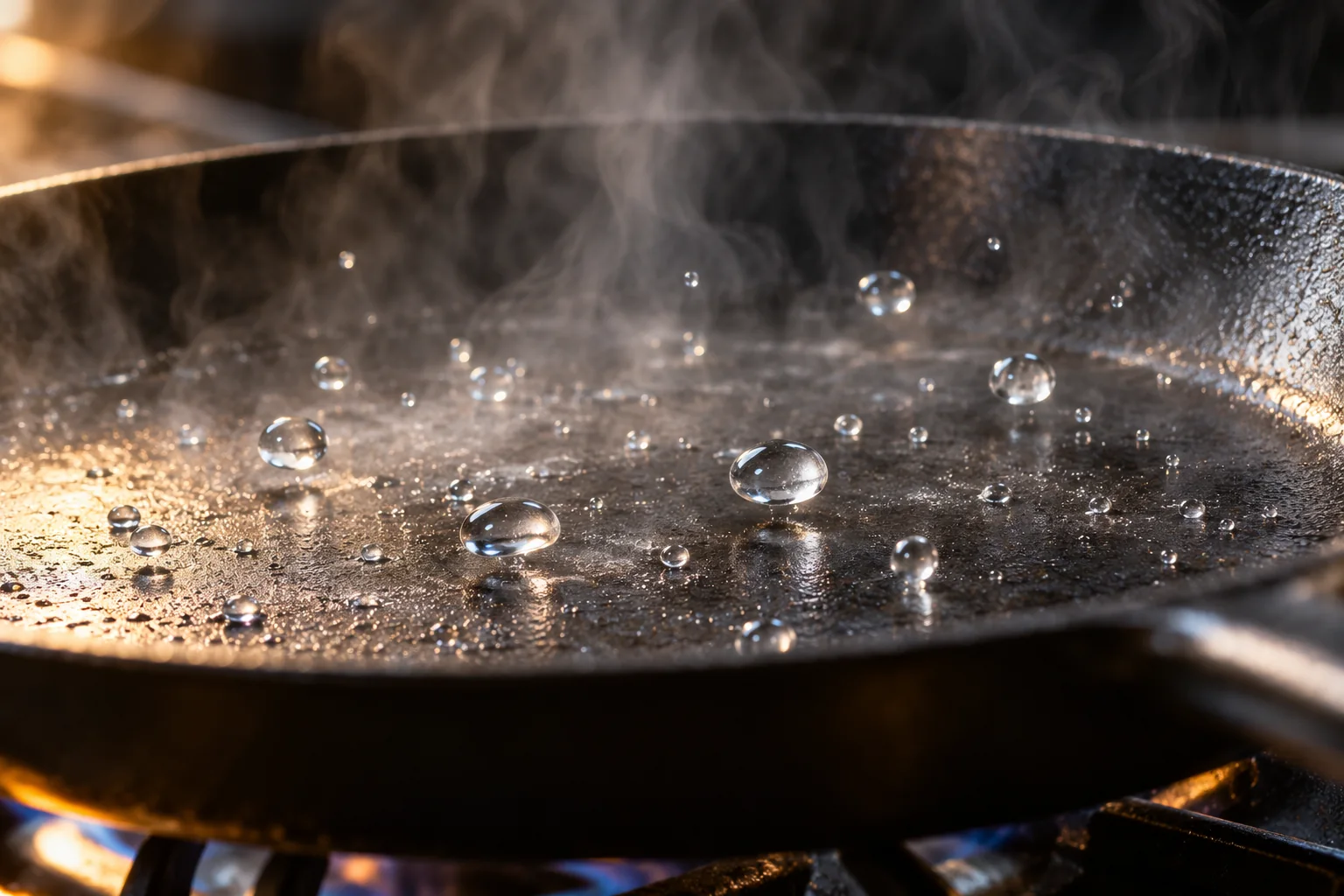
On a sufficiently hot surface, vapor can form beneath a water drop and partly insulate it from the pan. The Leidenfrost effect makes the drop glide and last longer.
 Science
Yes. Researchers can encode file data into sequences of DNA bases, synthesize those molecules and recover the data by sequencing them. The approach suits.
 Nature
Plants can detect tissue damage and send chemical and electrical signals that activate defenses elsewhere. This is biological sensing, but it does not.
 Science
Yes, satellites can help estimate large-scale groundwater changes indirectly. GRACE-type missions detect changes in gravity caused by redistributed mass;.
 Science
A shadow pattern can sweep across a distant surface faster than light without carrying matter or a signal along that surface faster than light. Each.
 Science
Yes. A sufficiently strong tone near a glass’s resonant frequency can drive vibrations large enough to break it. Matching pitch alone is not sufficient:.
 Space
Celestial bodies can share an orbital period in stable co-orbital arrangements. Planet-sized pairs are dynamically possible, but evidence for a debris cloud.
 History
Ancient timekeeping could use stars or the flow of water when sundials were unavailable. Egyptian star observations and water clocks illustrate different.
 History
Some Roman concrete mixes contain lime-rich fragments that may help seal cracks. Learn how ingredients and mixing methods contributed to durability.
 Science
A reported low hum can have different causes. Some cases involve an external low-frequency sound source; others may involve tinnitus or remain unresolved. A.
 History
The Antikythera mechanism used gears to track calendars, lunar cycles, and eclipses. Learn what survives and which features remain uncertain.
 Science
On common multilayer passenger-window designs, a small vent lets cabin pressure reach the space between panes. It helps control which pane carries the.
 Nature
Some army ants link their bodies across gaps to create shortcuts for other ants. The bridge adjusts through local interactions, balancing a shorter route.
 Nature
Some animal tissues fluoresce: they absorb ultraviolet light and emit longer-wavelength visible light. This is different from making light chemically, and.
 Nature
Some octopuses strike fish while hunting in mixed-species groups. Researchers interpret these strikes as a way to displace particular partners and influence.
 Nature
At Death Valley’s Racetrack Playa, rare shallow flooding, thin ice and wind can move rocks across wet sediment. Direct observations explain documented.
 Science
Water changes how a rough road scatters light. More light can enter and be absorbed by the surface, while a smooth water film sends bright reflections.