
 Science
Why Does Snow Make Everything So Quiet?
Fresh, fluffy snow reduces reflected sound because its porous structure absorbs acoustic energy. A thick blanket softens the soundscape, but packed snow or.
Page 11 of 16 · Science, nature, space and history.
ScienceFresh, fluffy snow reduces reflected sound because its porous structure absorbs acoustic energy. A thick blanket softens the soundscape, but packed snow or.
 Science
An alternating nasal cycle can make one side carry less airflow while the other carries more. Colds or allergies may make the normal difference noticeable,.
 Nature
Some intact rocks sustain vibrations that create a clear tone when struck. Their material, shape, cracks and support affect the sound; a ringing rock does.
 Science
The rapid final motion is mostly the coin’s wobble, or precession, becoming faster as its tilt shrinks. The coin is still losing energy; faster wobbling.
 Nature
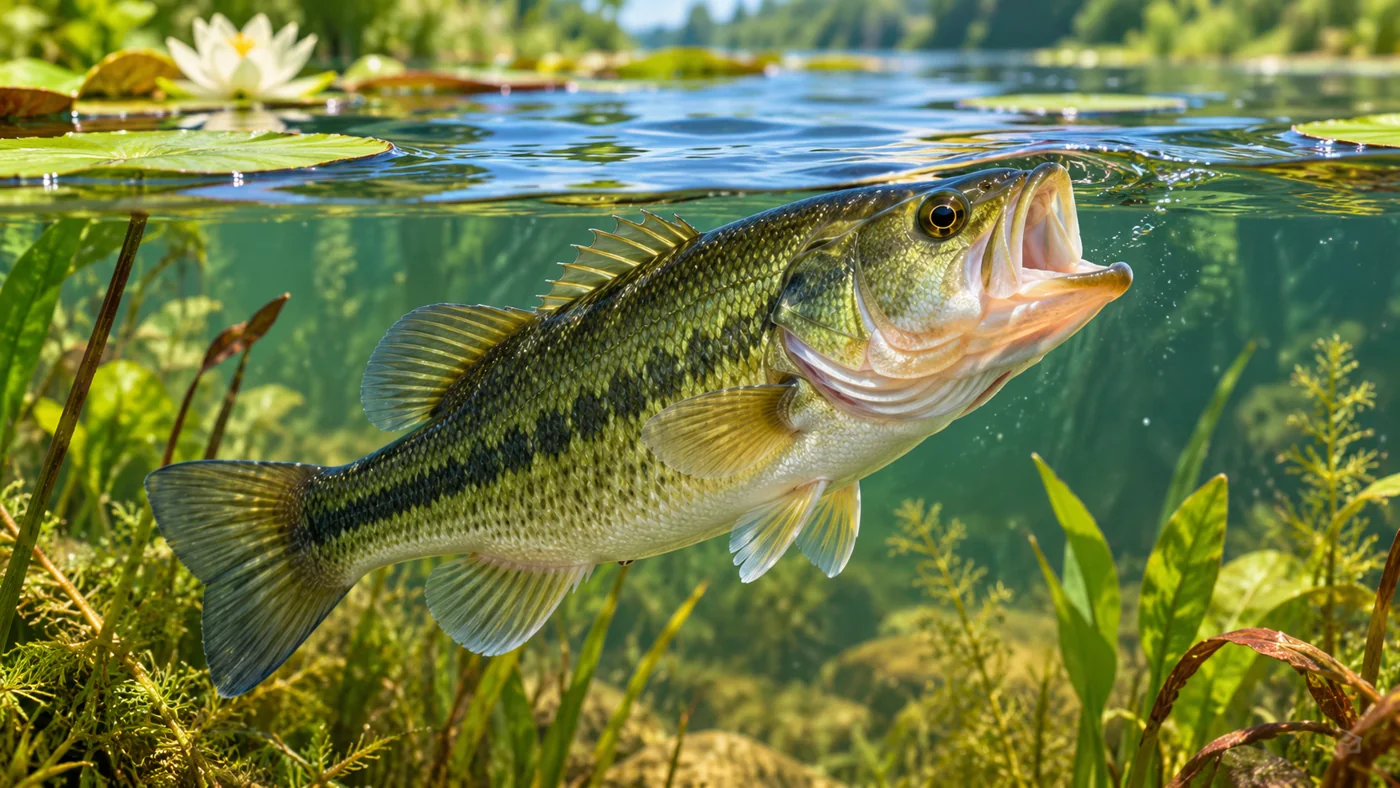
Yes. Fish need dissolved oxygen to pass over their gills. If water contains too little oxygen, or a fish cannot move water across its gills, it can suffocate even while submerged.
 Space
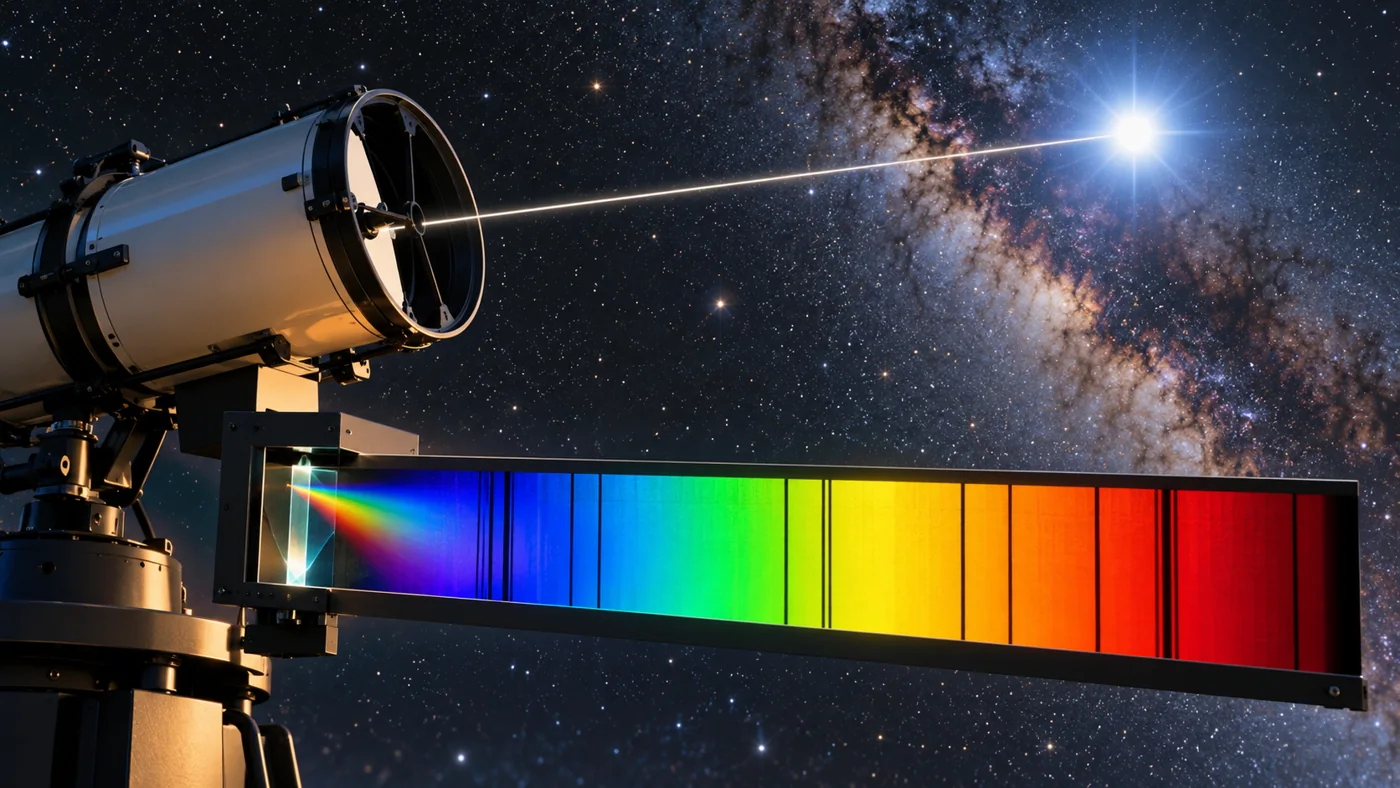
Astronomers split starlight into a spectrum and look for patterns of bright or dark lines. Each element leaves a characteristic signature, allowing scientists to infer a star’s composition from light collected across vast distances.
 Science
Active noise-canceling headphones use microphones to detect incoming sound and play a carefully timed opposing wave. The two waves interfere, reducing some noise—especially steady, low-frequency sounds—near the ear.
 Nature
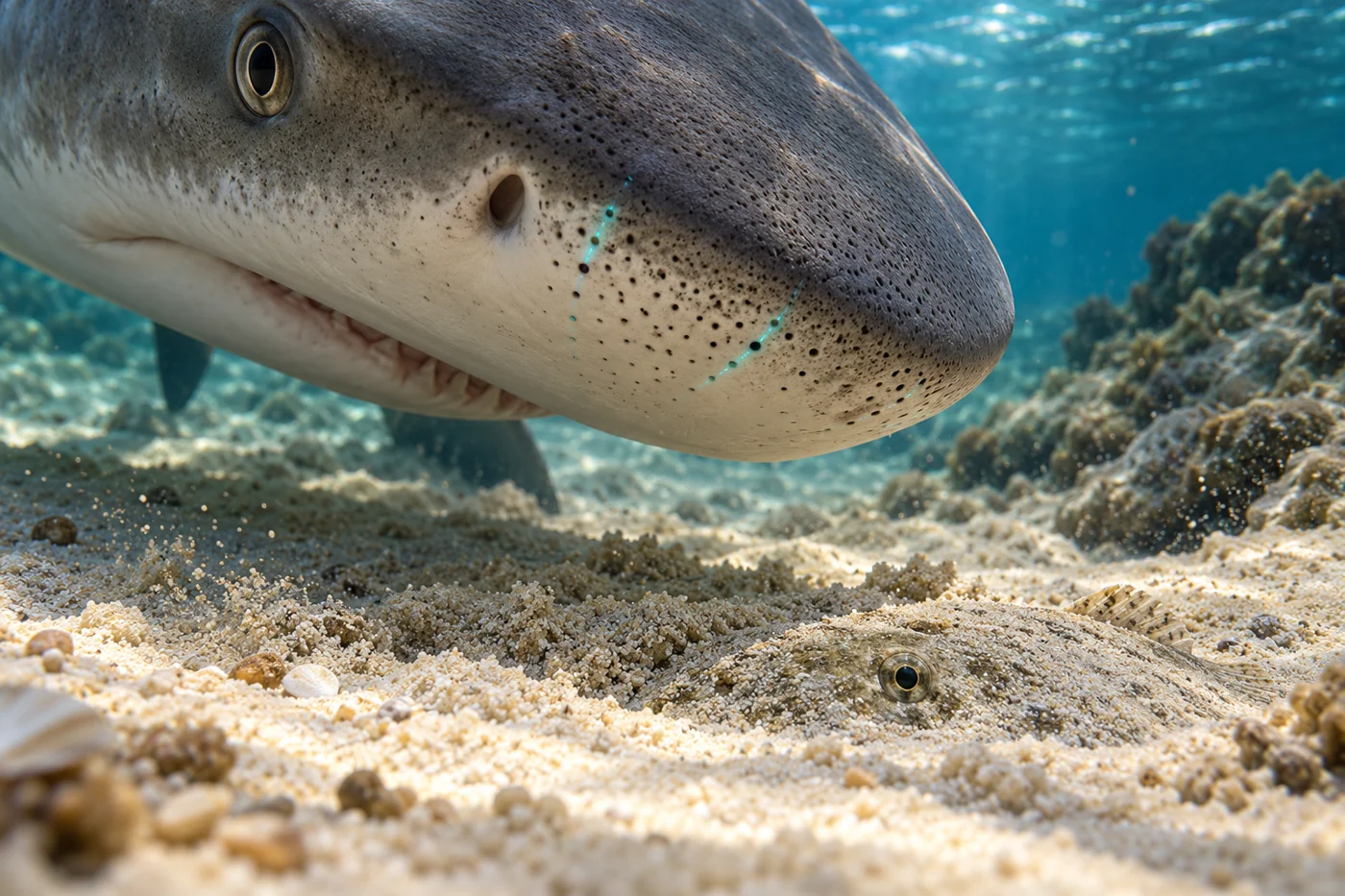
Sharks have tiny sensory pores connected to organs called ampullae of Lorenzini. These electroreceptors detect weak electrical fields from nearby animals and can help sharks locate prey, especially at close range.
 Nature
Some termite mounds use networks of tunnels and temperature changes to move air through the nest. The details vary by species; research shows that daily heating and cooling can drive ventilation in some mound designs.
 Science
Most phones use a capacitive screen. A grid of electrodes senses a tiny change in electrical capacitance when a conductive finger approaches or touches the glass.
 Nature
A green flash is a brief optical effect near sunset or sunrise. Atmospheric refraction and dispersion separate the Sun’s colors slightly; under clear, stable conditions, a green edge can remain visible for a moment at the horizon.
 Science
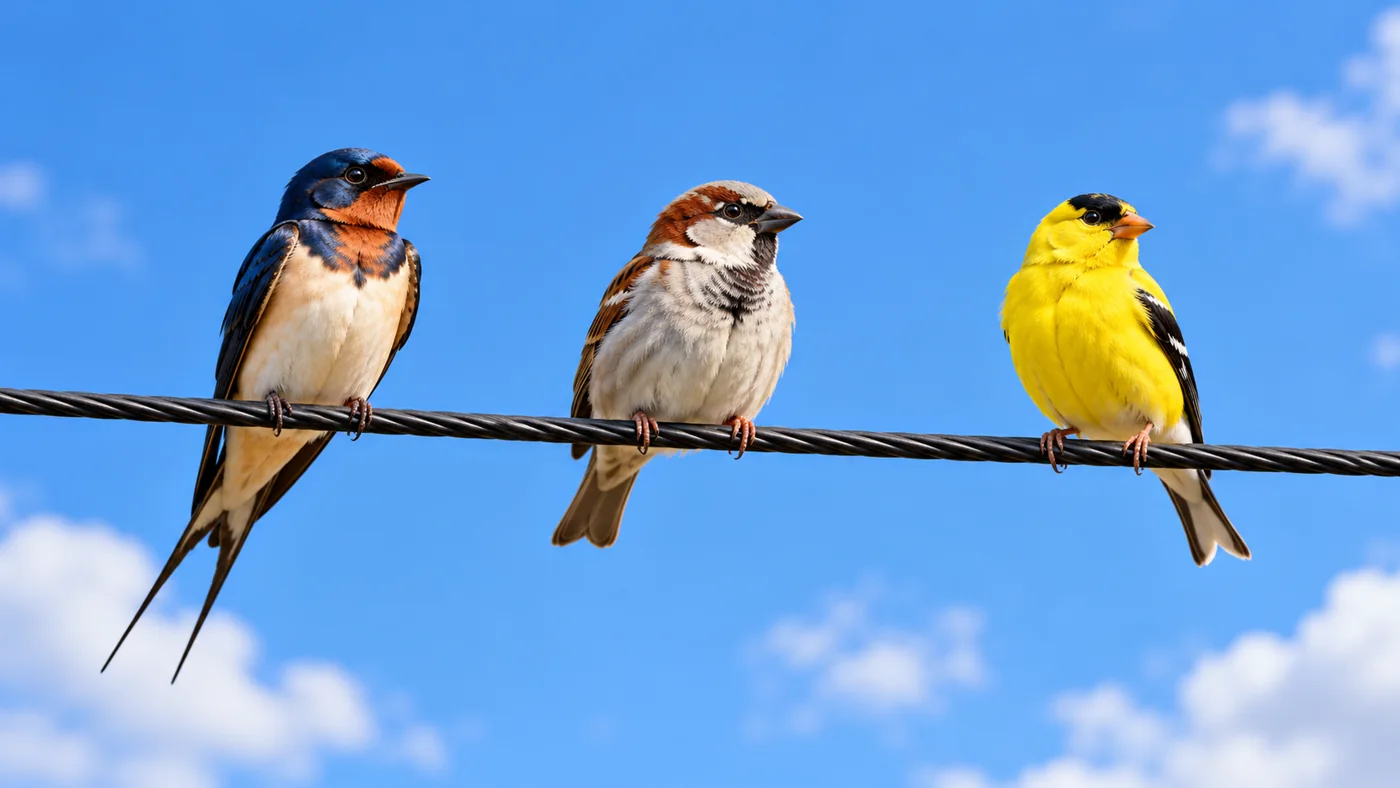
A bird perched on one power line usually avoids a dangerous current because both feet are at nearly the same electrical potential. Touching a second wire or grounded structure can create a hazardous voltage difference.
 Science
Your breath contains warm water vapor. When it meets cold air, some vapor condenses into tiny liquid droplets that scatter light and look like a cloud.
 Nature
Cats can reorient themselves during a fall using a flexible spine, balance cues and coordinated leg movements. The righting reflex helps them turn, but it does not make falls safe or prevent injury.
 Nature
Carrion flowers use odors that resemble decaying flesh to attract flies and beetles that visit carcasses. These insects can carry pollen between flowers, making the smell part of the plant’s reproductive strategy.
 Science
A sudden burst of bright light can trigger sneezing in some people. The photic sneeze reflex is a harmless, inherited response, although scientists are still studying exactly how light sets it off.
 Nature
Artificial lights can confuse the flight-control cues that nocturnal insects use to stay oriented. Recent tracking research suggests many insects tilt their backs toward nearby lights, producing looping or trapped flight paths.
 Science
As paper, ink, glue and bindings age, they release volatile compounds into the air. The mixture creates the familiar old-book scent, while a damp, musty smell can also signal mold or poor storage.
 Space
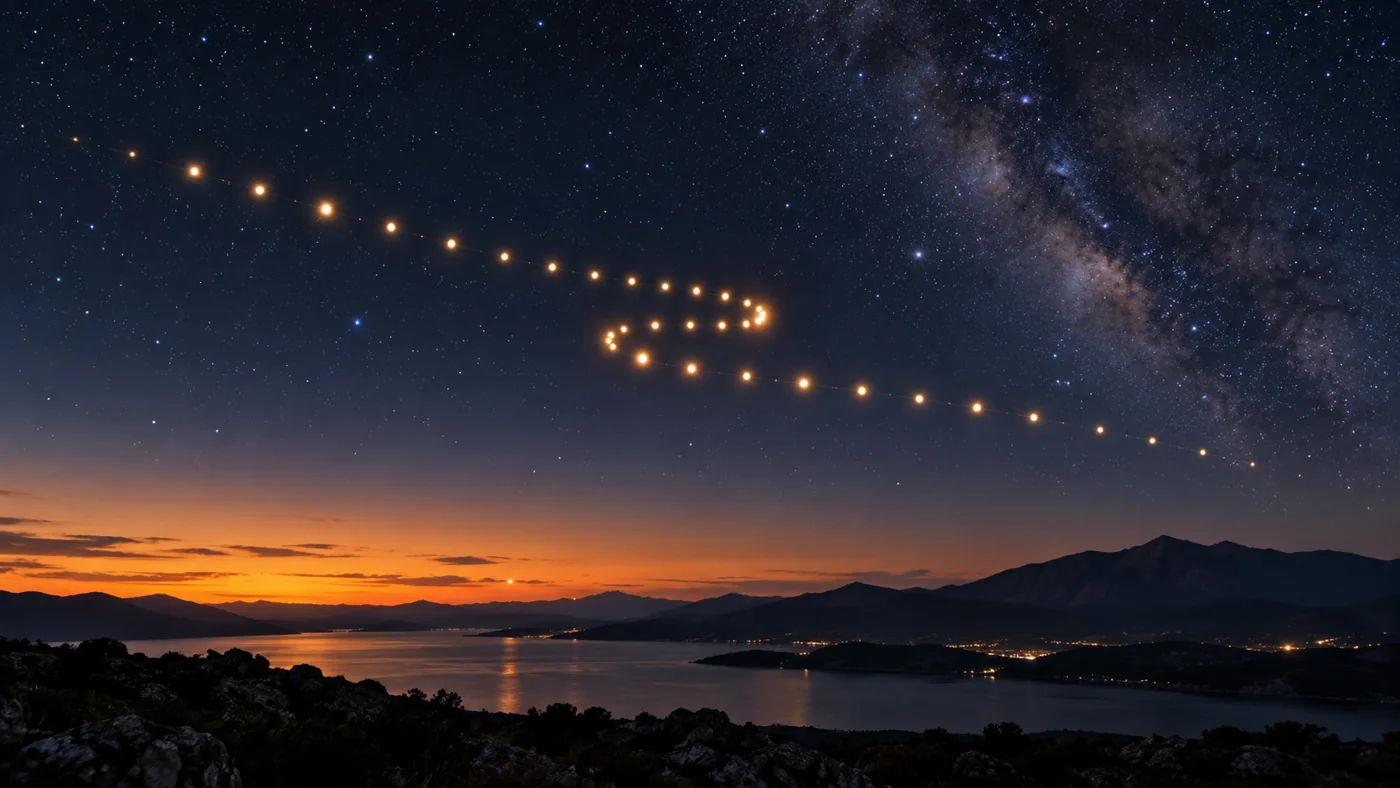
A planet’s retrograde motion is an apparent backward loop against the background stars. For outer planets, it happens when faster-moving Earth passes them in its orbit; the planet does not reverse its path around the Sun.
 Nature
On certain beaches, dry sand can squeak or chirp underfoot. The sound depends on grain size, shape, sorting and surface conditions; no single feature explains every singing beach.
 Nature
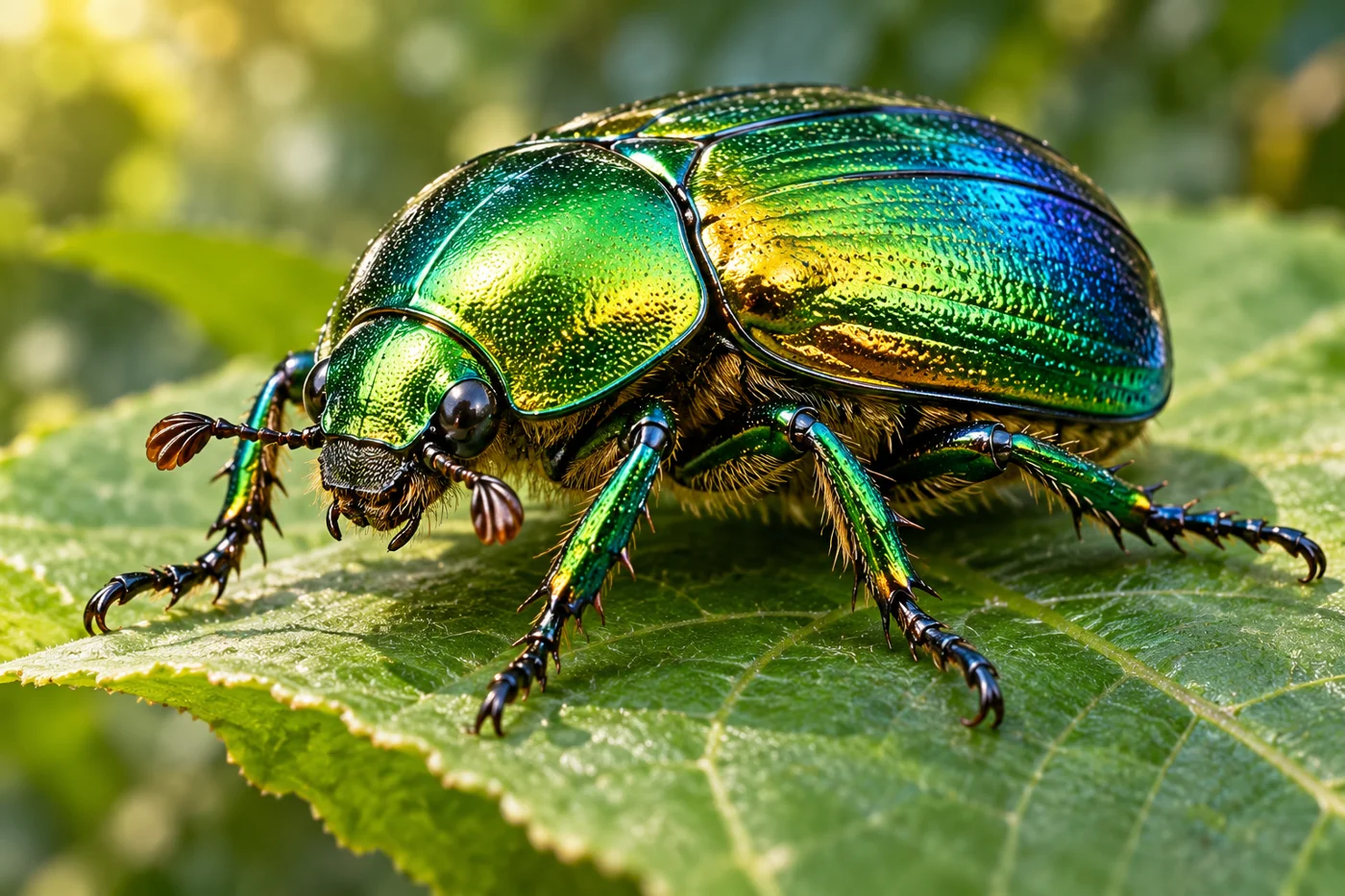
Many metallic beetle colors come from microscopic structures in the exoskeleton that reflect and interfere with light. The appearance is called structural color: it can shine or shift with viewing angle without relying only on metallic pigment.
 Science
Capsaicin in chili peppers activates TRPV1 receptors, which normally respond to heat and irritation. The brain reads that signal as burning, even though the food has not actually raised the mouth’s temperature.
 Science
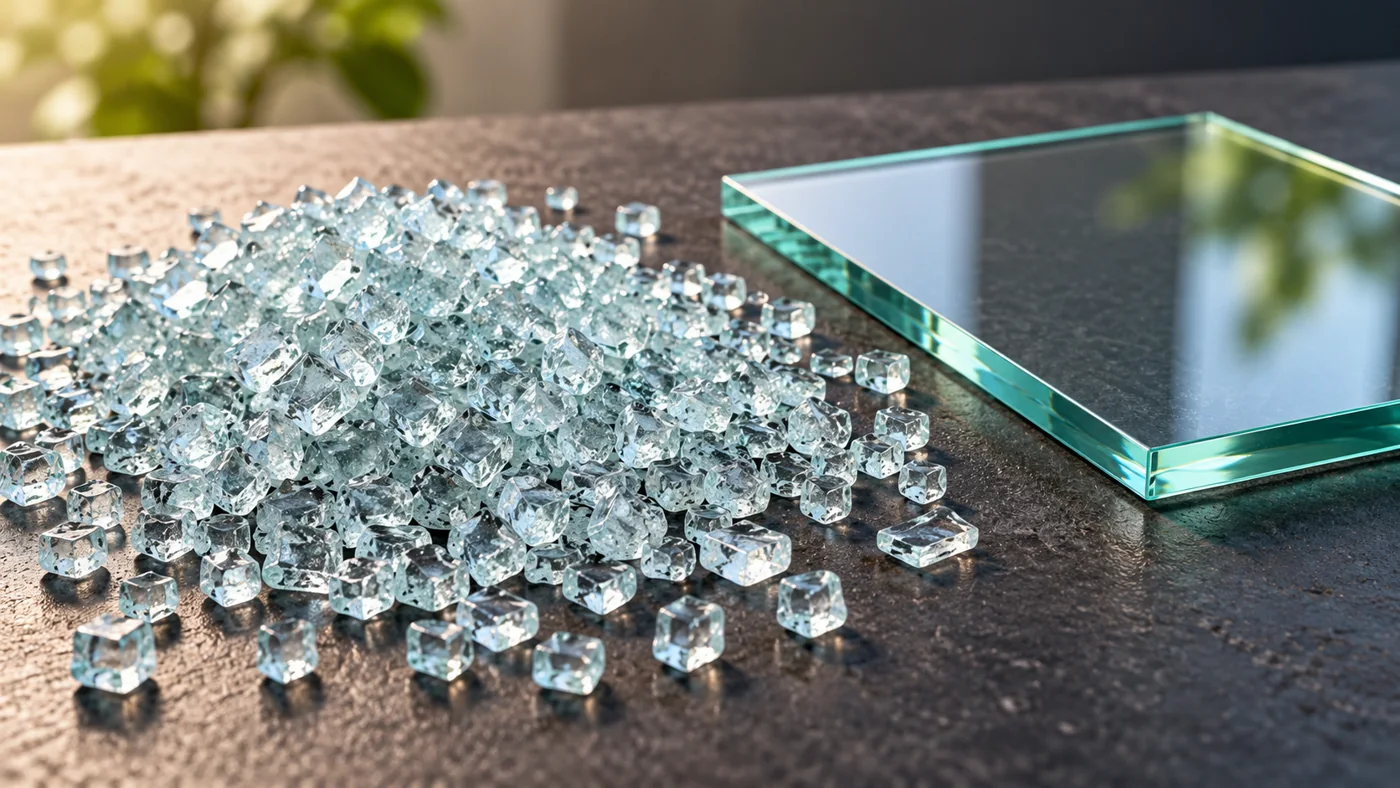
Tempered glass is cooled in a way that leaves its surface compressed and its interior under tension. When a crack breaks through the surface layer, stored stresses make the pane fragment into many small pieces.
 Space
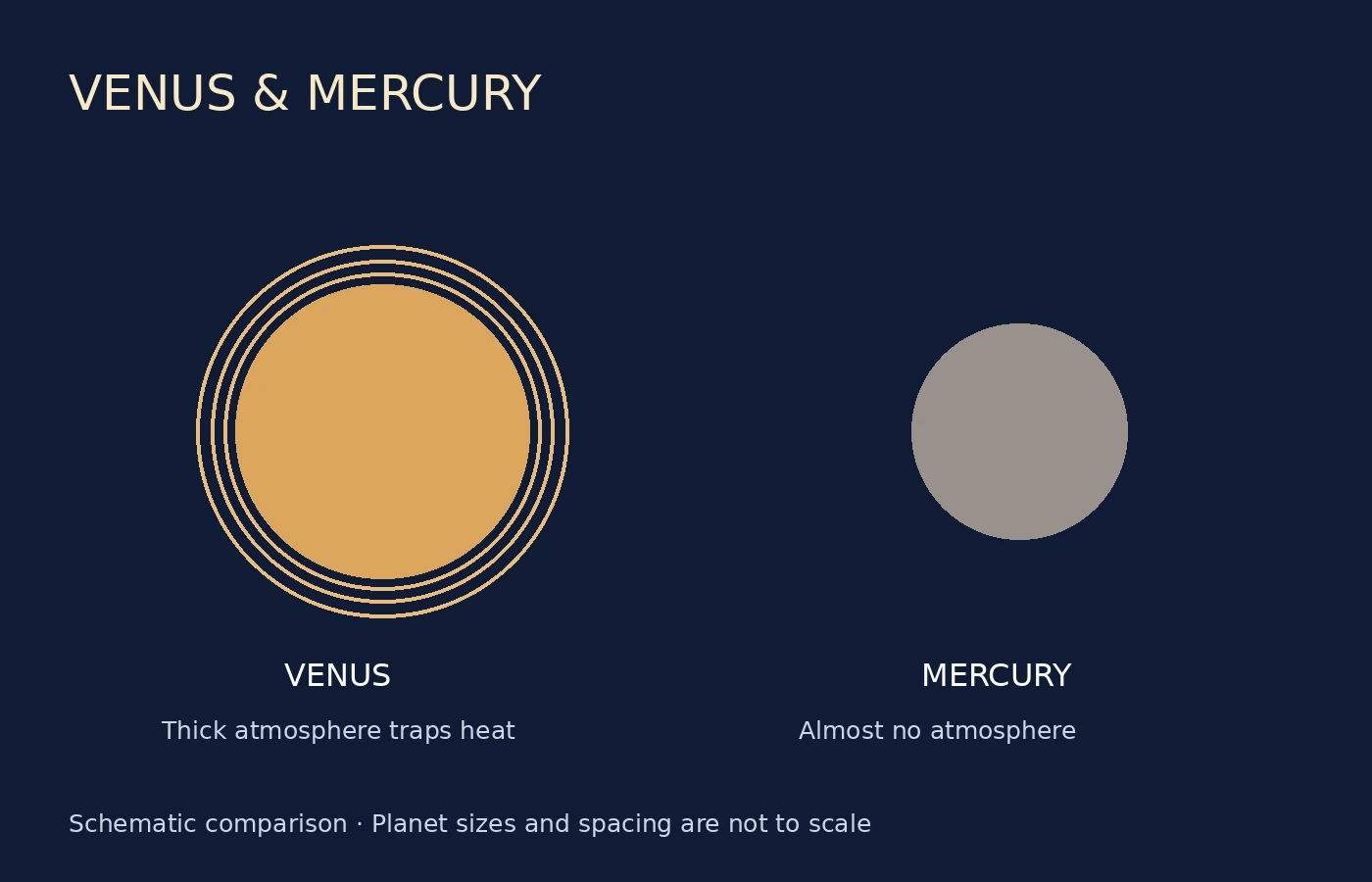
Venus is hotter than Mercury because its dense carbon-dioxide atmosphere traps heat in a powerful greenhouse effect. Mercury is closer to the Sun, but its thin exosphere cannot retain heat well, especially through its long nights.