
 Science
Why Does Frost Form on Grass Before Pavement?
Grass can frost before pavement because exposed blades cool quickly to a clear night sky and may fall below freezing while the measured air remains warmer.
Page 6 of 16 · Science, nature, space and history.
ScienceGrass can frost before pavement because exposed blades cool quickly to a clear night sky and may fall below freezing while the measured air remains warmer.
 Science
Frozen lakes can boom, pop, or sing as ice expands, contracts, bends, and cracks. The vibrations travel through ice and water, sometimes producing long tones.
 Science
Hot water can crack cold glass because the inner surface warms and expands before the outside does. The uneven expansion creates stress; breakage depends on glass type and condition.
 Nature
Some plants release liquid through pores near leaf edges in guttation. It often happens at night or early morning when roots keep absorbing water and leaf transpiration is low.
 Nature
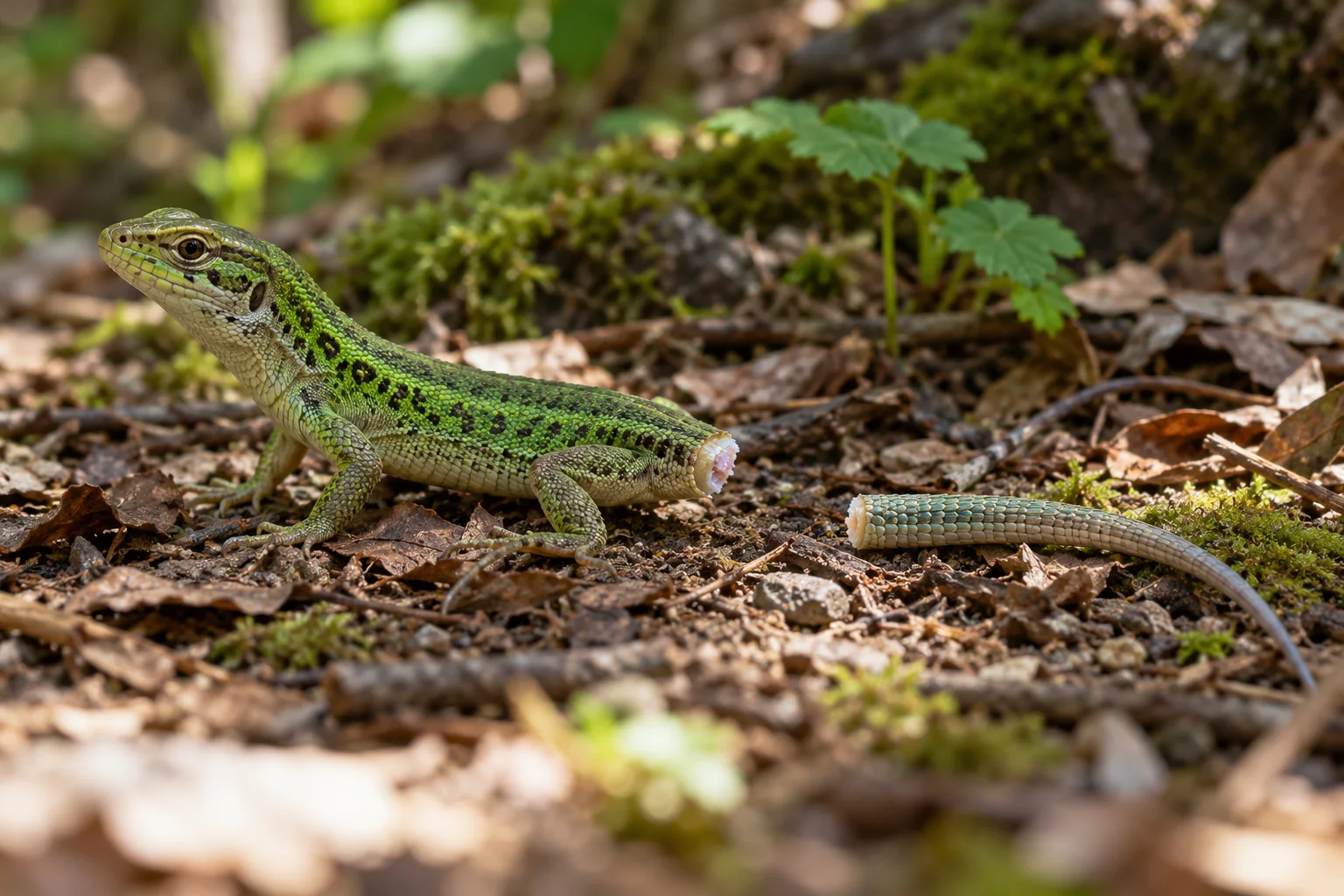
Some lizards shed part of the tail to escape predators. The twitching tail can distract an attacker; many species regrow a replacement, but it may not be an exact copy.
 Nature
Lotus leaves repel water because wax and microscopic surface structures make droplets bead up and roll away, carrying some loose dirt with them.
 Science
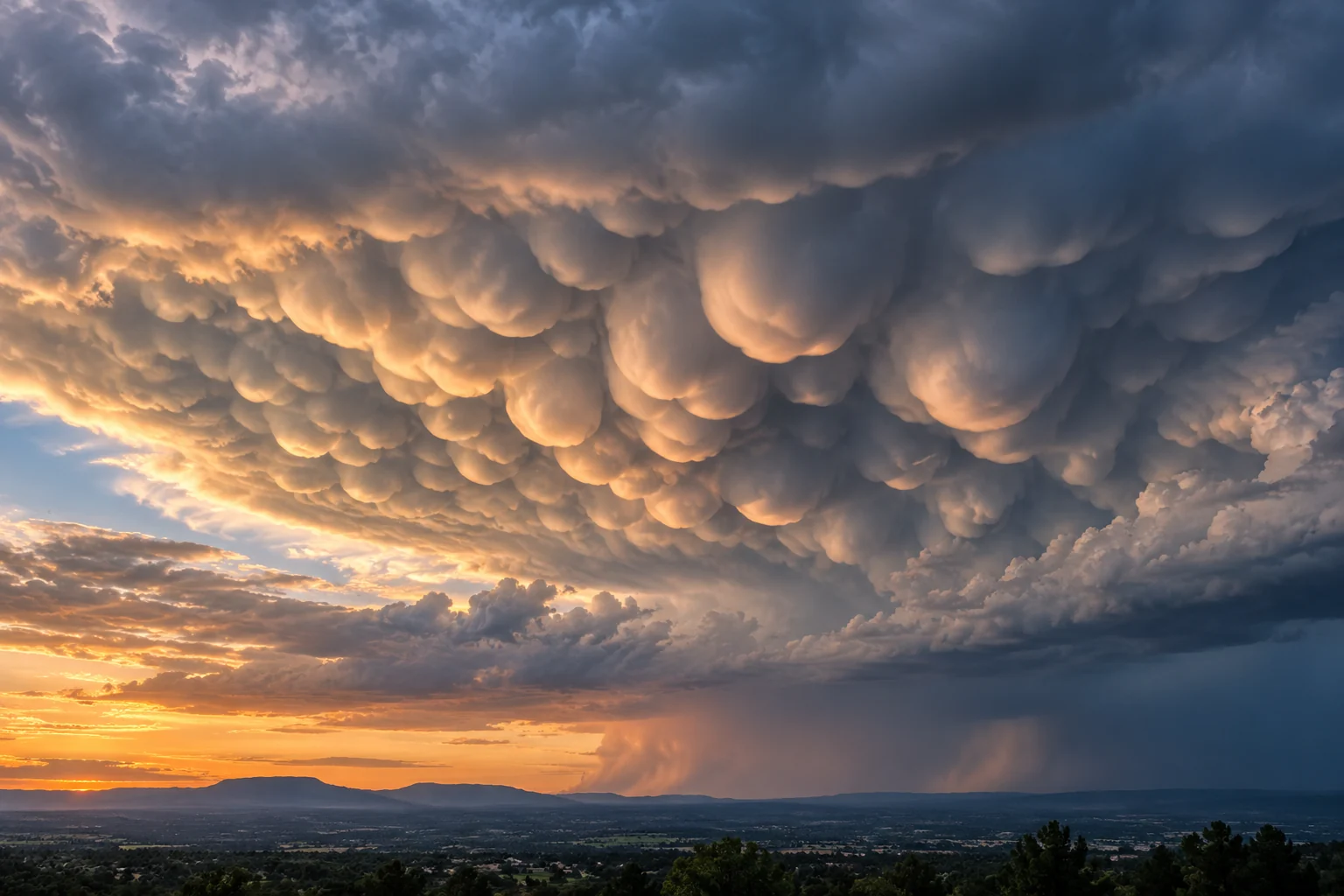
Mammatus clouds have rounded pouches beneath a cloud base. They often appear near thunderstorms, but their presence alone does not mean a tornado is coming.
 Science
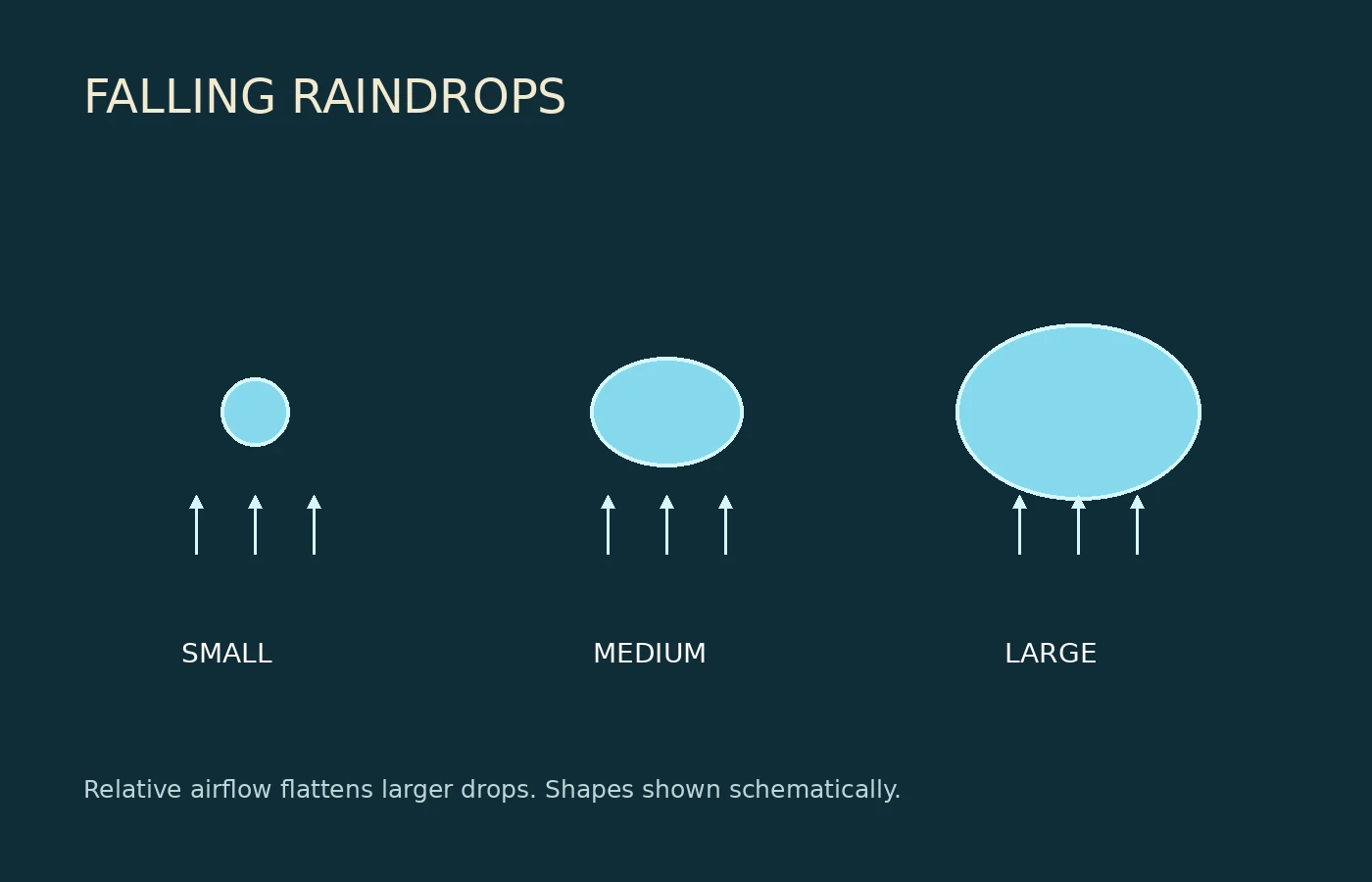
Raindrops vary because droplets grow and collide at different rates, while updrafts and wind affect their paths. Very large drops tend to break apart.
 Nature
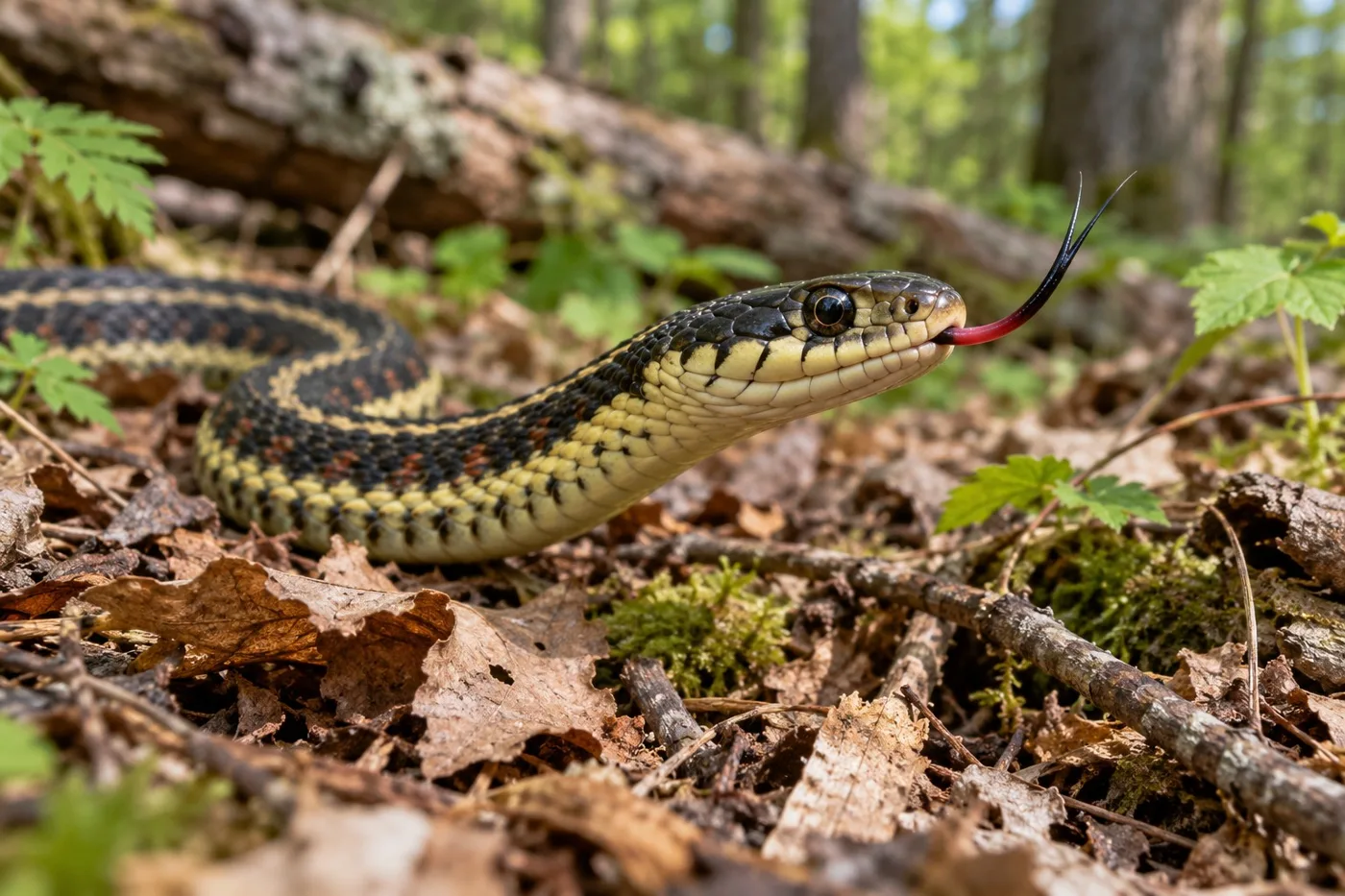
Snakes flick their forked tongues to collect scent chemicals, then deliver them to paired vomeronasal organs in the roof of the mouth.
 Science
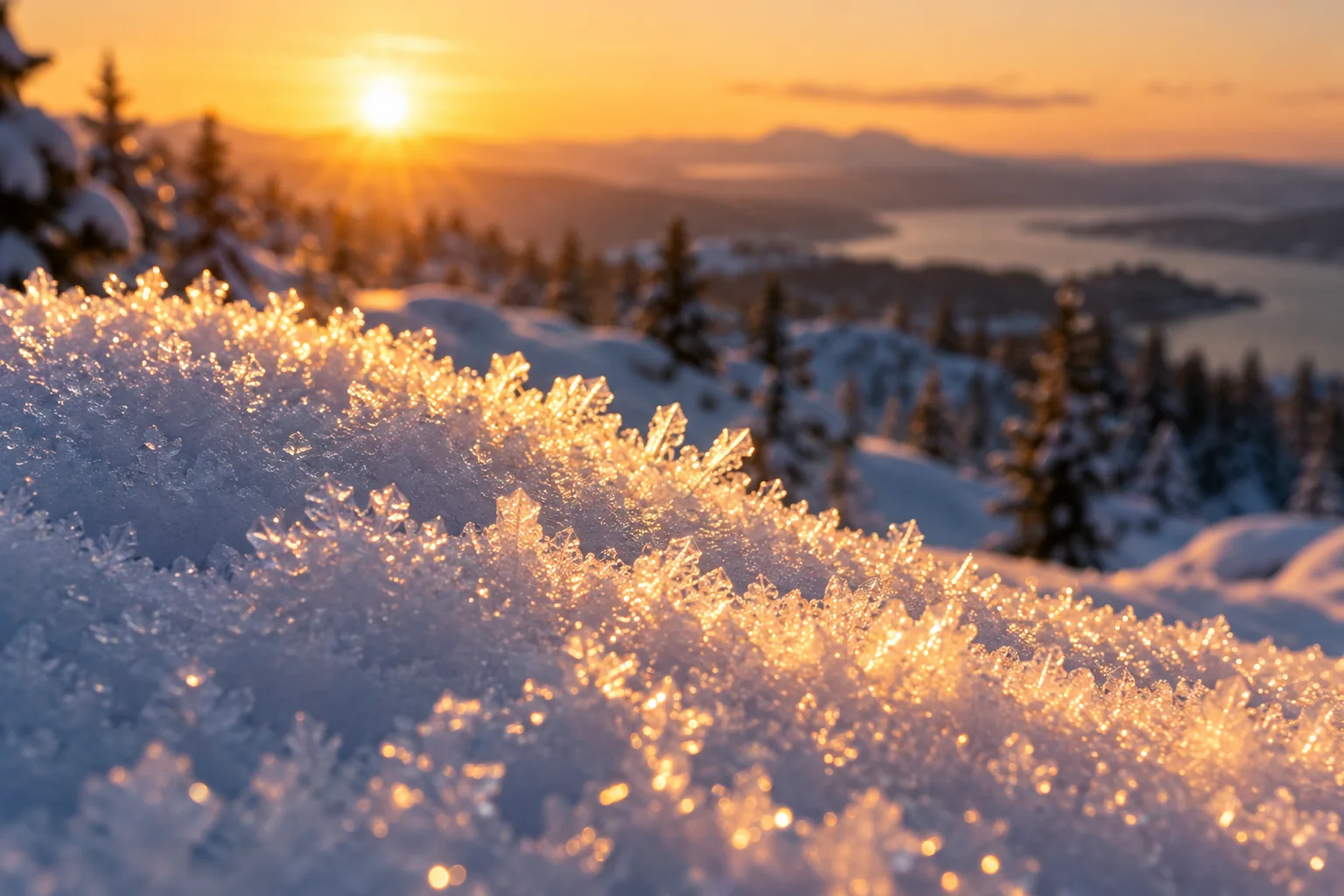
Snow sparkles when sunlight reflects or refracts from exposed ice-crystal facets at the right angle. Each flash comes from a different crystal.
 Space
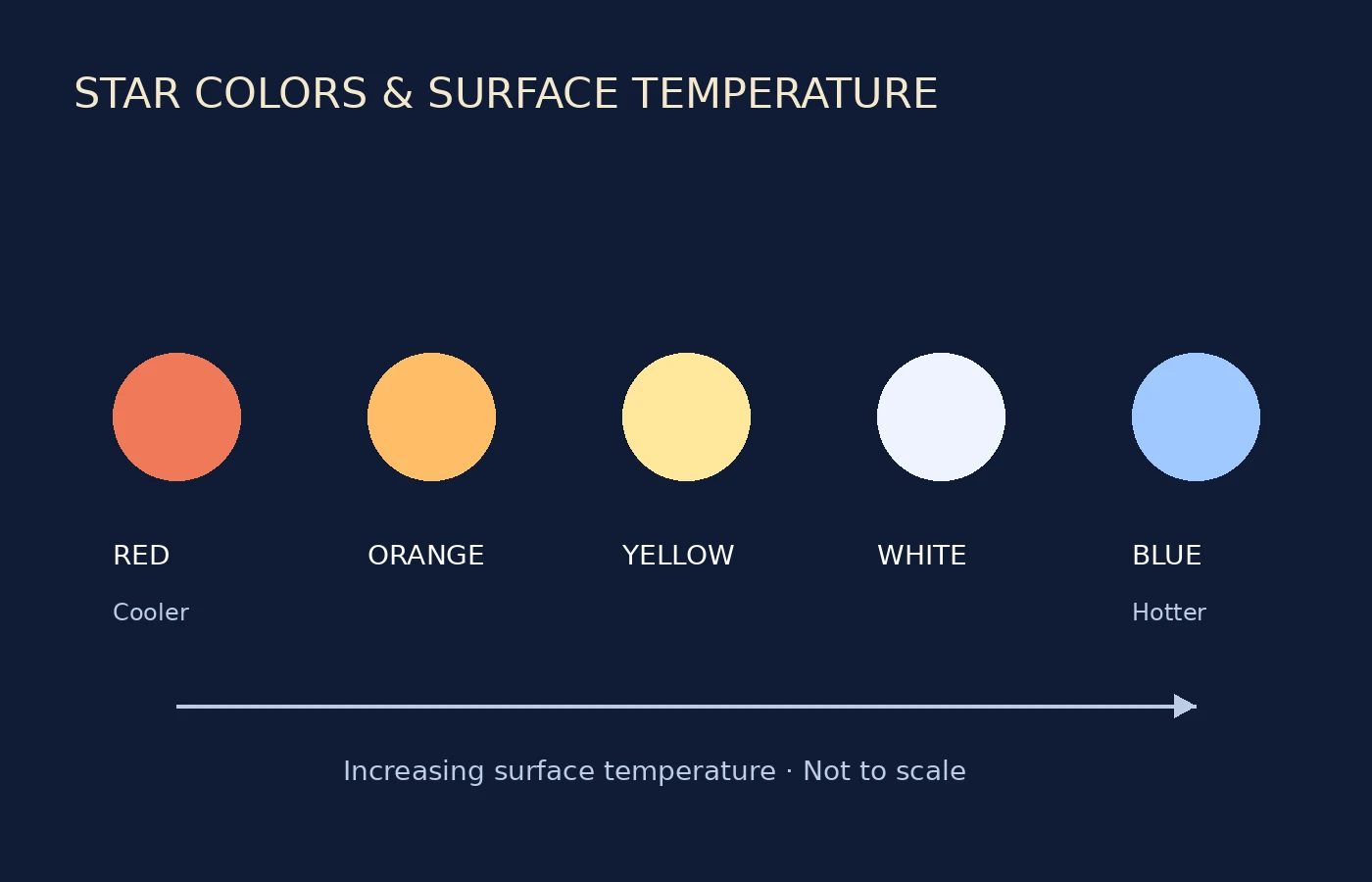
Stars have different colors mainly because their surface temperatures differ: hotter stars look blue or white, while cooler stars look orange or red.
 Science
An induction cooktop uses a changing magnetic field to produce electric currents in compatible cookware. Electrical resistance turns that energy into heat in the pan itself.
 Nature
Salmon learn chemical cues from their home waters when young and later use their sense of smell during the return migration. Homing is impressive, but it is not perfectly accurate.
 Nature
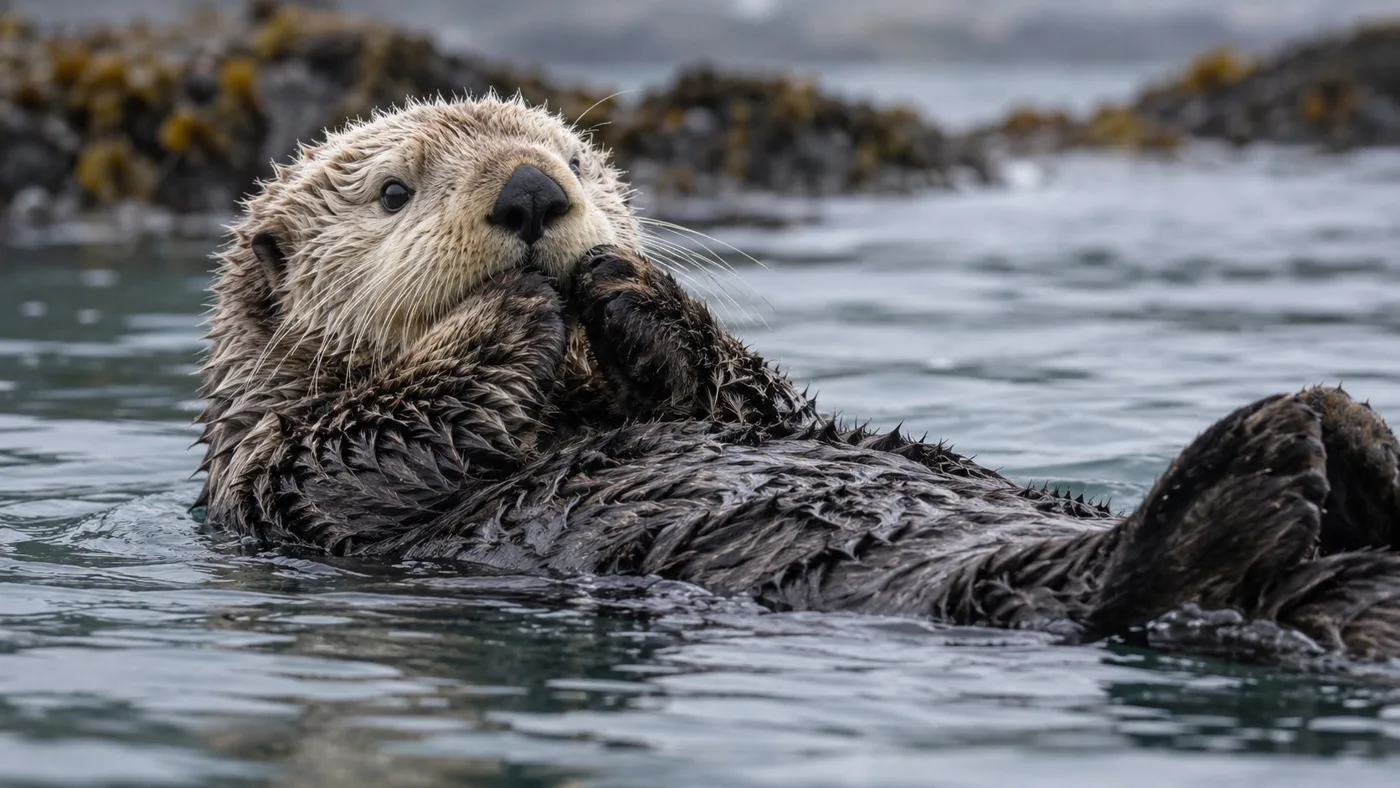
Sea otters rely on exceptionally dense fur, a trapped insulating layer of air and a high energy intake. They lack the thick insulating blubber used by many other marine mammals.
 Nature
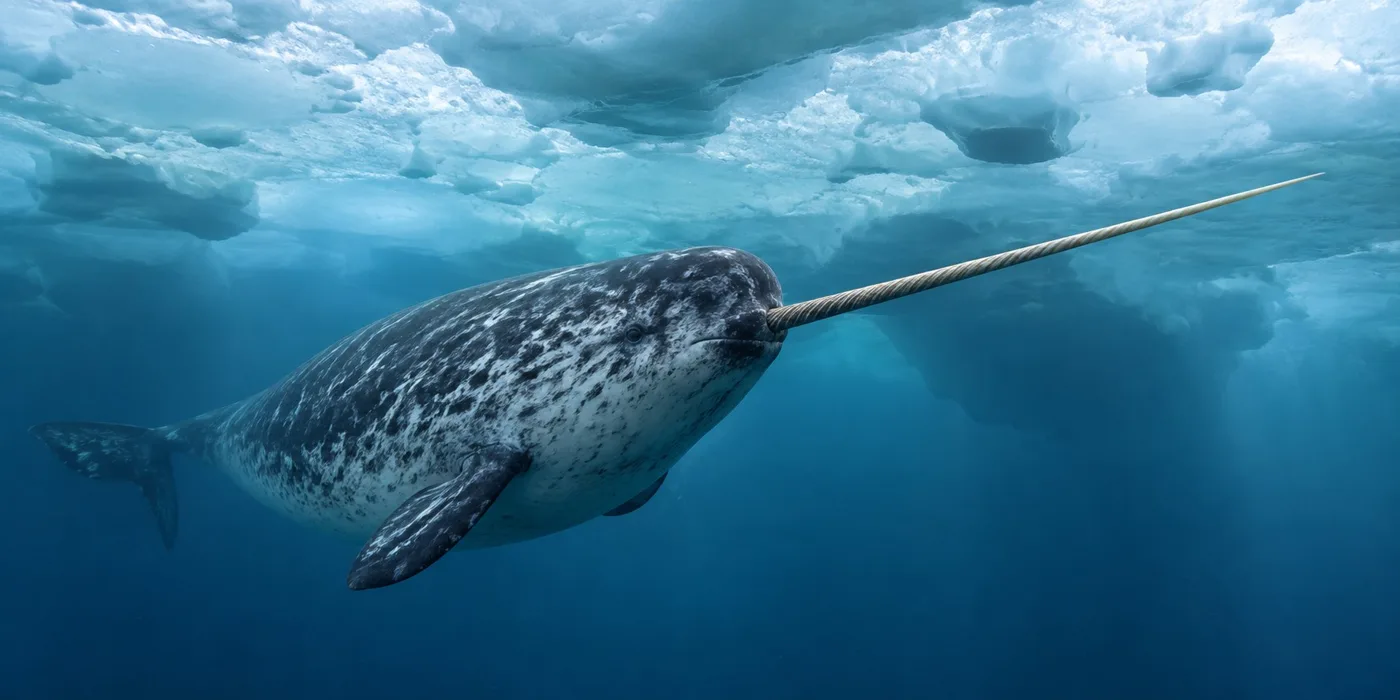
Yes. A narwhal’s tusk is an elongated tooth that grows outward through the upper lip. It is not a horn made like the horns of cattle.
 Nature
Most deep ocean water is cold because solar heating is concentrated near the surface and cold, dense water sinks to replenish the depths. Geothermal heat does not warm the whole ocean like a kettle.
 Science
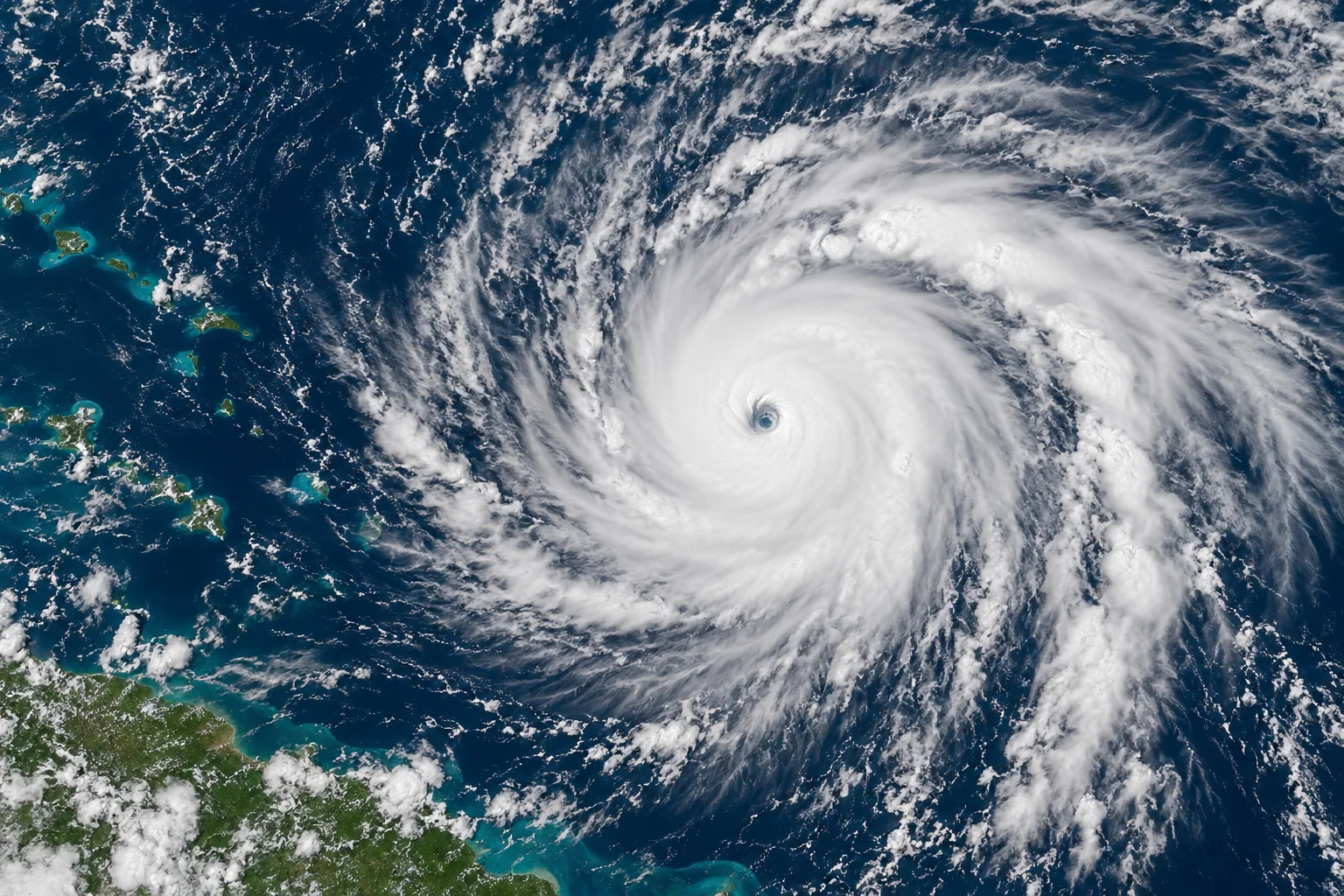
The Coriolis effect is weak close to the equator, making it difficult for a large, organized tropical cyclone circulation to develop. Warm ocean water alone is not enough.
 Nature
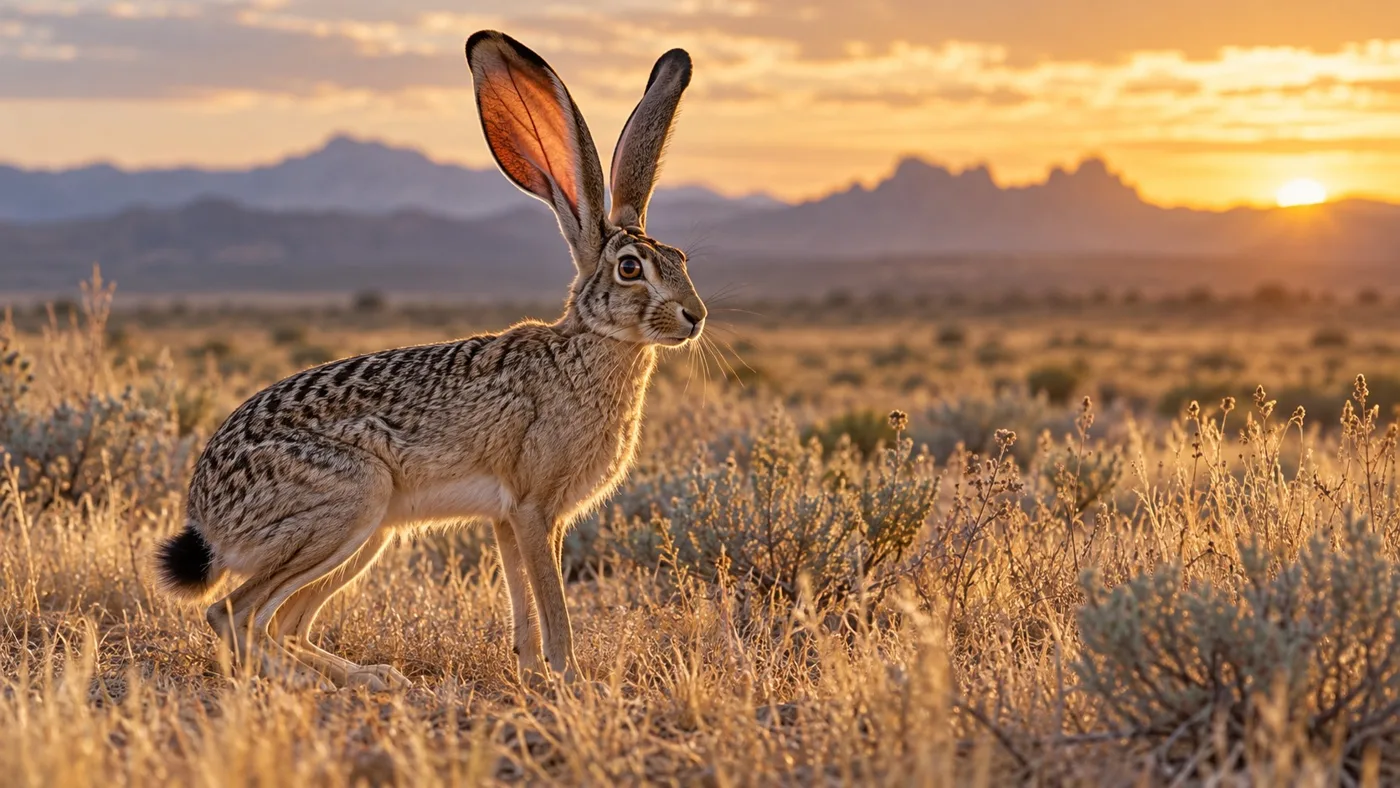
Jackrabbits’ long ears help detect sounds and release body heat. Blood vessels in the ears can widen to increase heat loss when the animal is hot.
 Space
Earth’s tides transfer angular momentum from Earth’s rotation to the Moon’s orbit. As Earth gradually slows its spin, the Moon moves into a slightly larger orbit.
 Space
White outer materials reflect much of the incoming sunlight, helping limit solar heating. Color is only one part of the spacesuit’s temperature-control system.
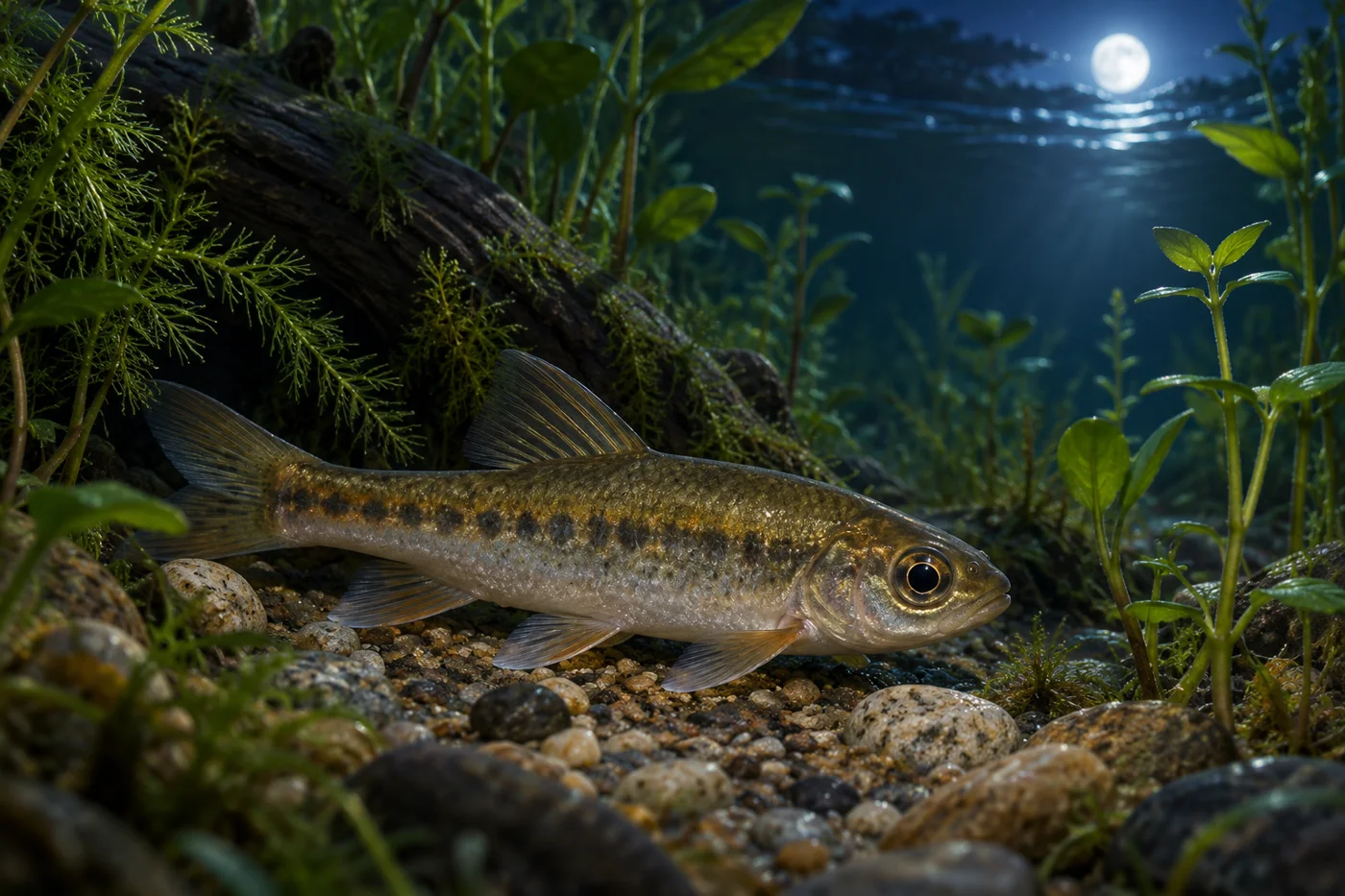 Nature
Many fish rest with their eyes open because most species lack movable eyelids. Their sleep-like rest changes activity and responsiveness, but does not always look like human sleep.
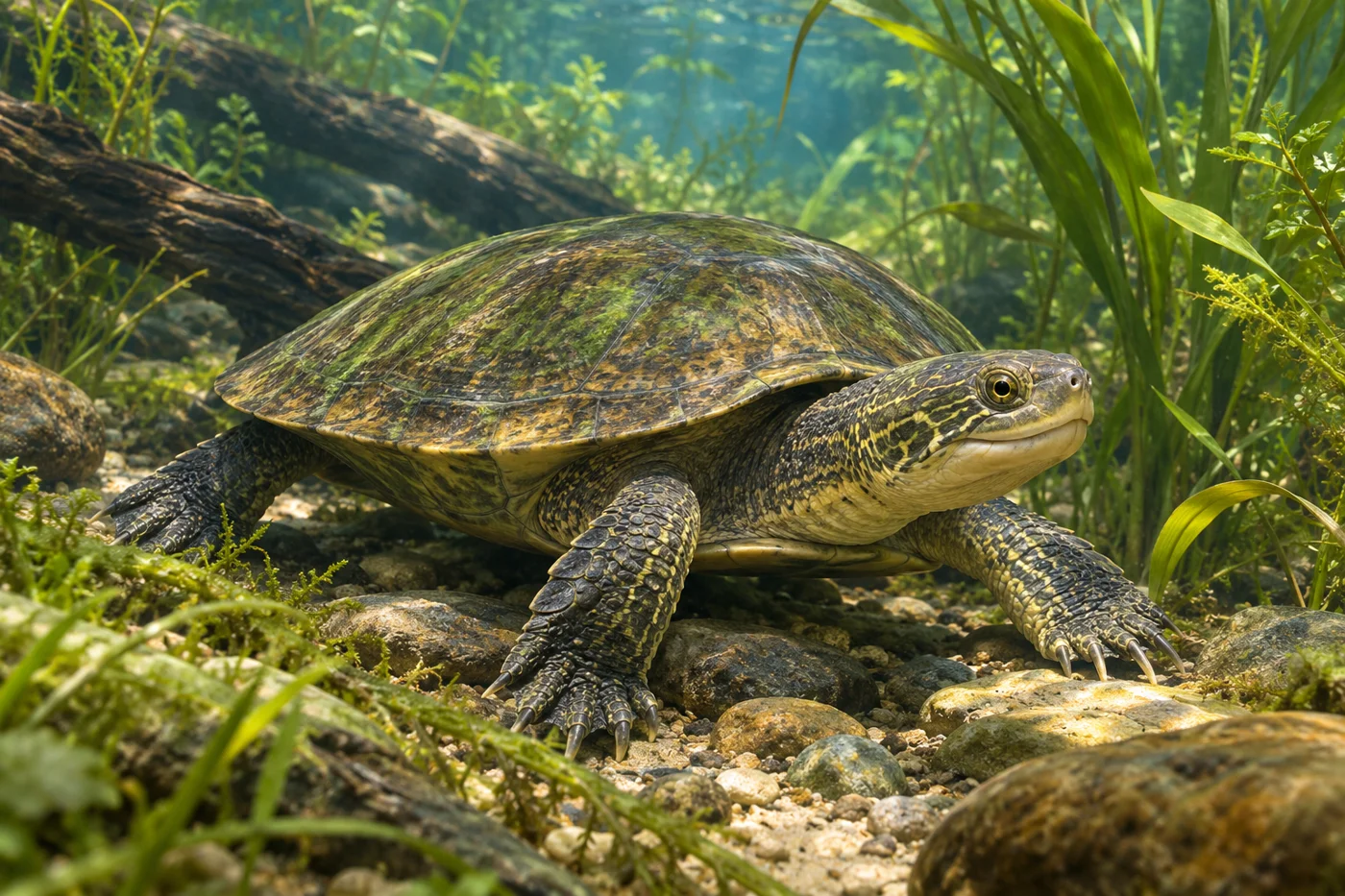 Nature
Some aquatic turtles can exchange oxygen through specialized tissues near the cloaca while underwater, but this ability varies by species and supplements lung breathing. It is not true that all turtles breathe through their bottoms.
 Science
Raindrop speed depends mainly on drop size and air resistance. Large drops in still air approach about 10 meters per second, while smaller drops fall more slowly and wind changes their motion.
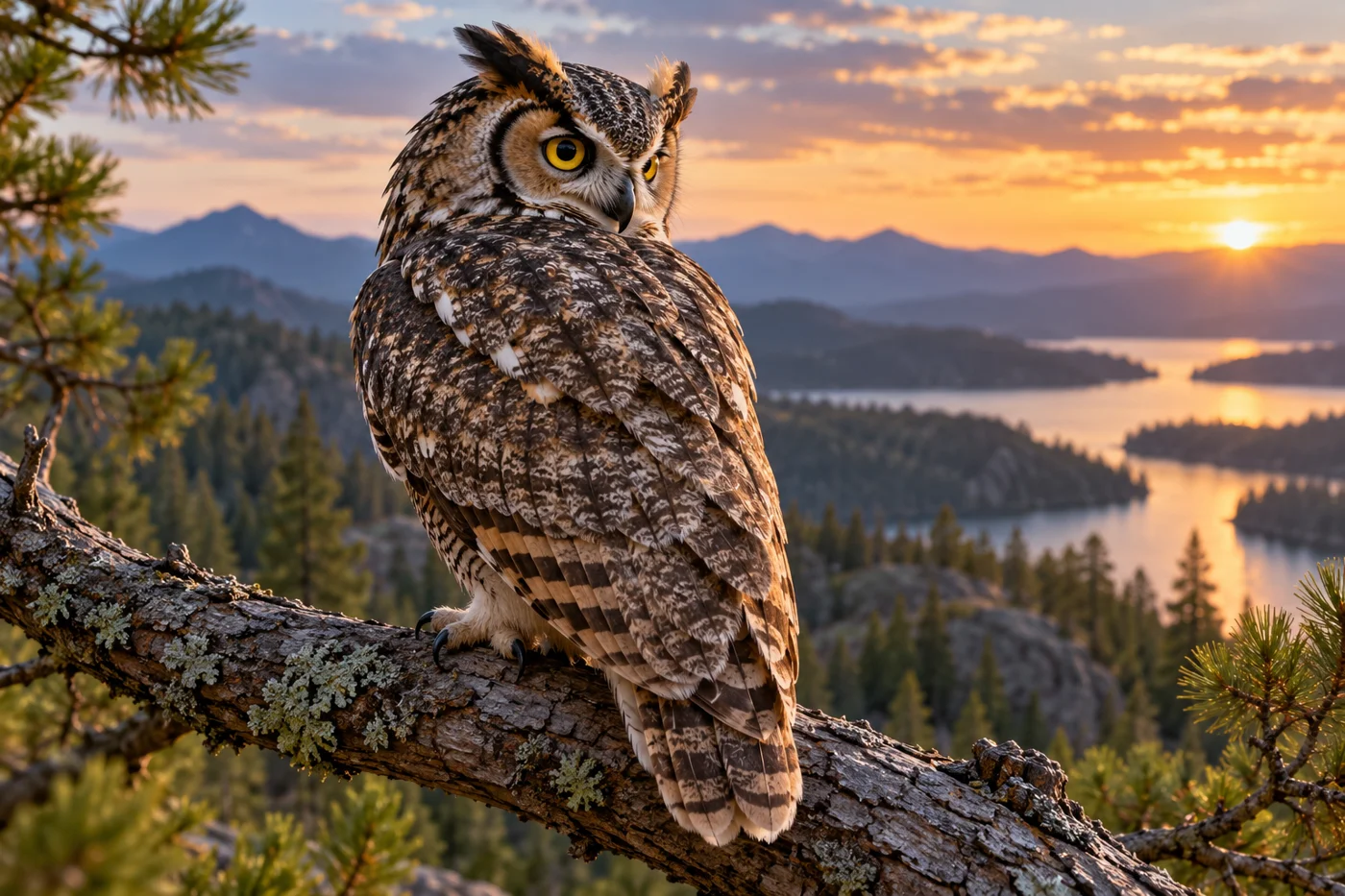 Nature
Owls can rotate their heads roughly 270 degrees because their neck vessels and bones are adapted to preserve blood flow during the turn. They cannot rotate their heads all the way around.