
 Nature
Why Do Volcanoes Produce Lightning in Ash?
Discover how colliding volcanic ash builds electric charge, why water and ice can intensify lightning, and what the Hunga Tonga eruption revealed.
Page 14 of 16 · Science, nature, space and history.
NatureDiscover how colliding volcanic ash builds electric charge, why water and ice can intensify lightning, and what the Hunga Tonga eruption revealed.
 Space
Explore the solar corona’s million-degree mystery, the roles of magnetic waves and nanoflares, and what NASA’s Parker Solar Probe is measuring.
 Science
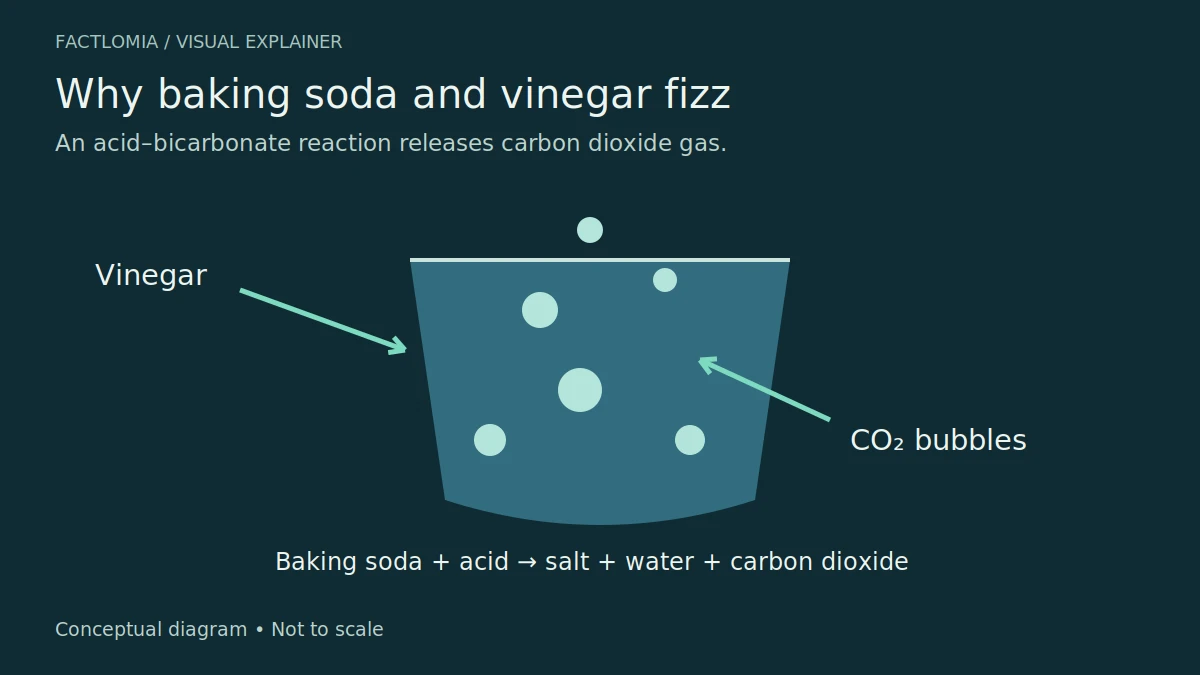
An acid-base reaction produces carbon dioxide gas. The bubbles are the gas escaping from solution, while water and a salt remain in the mixture.
 Nature
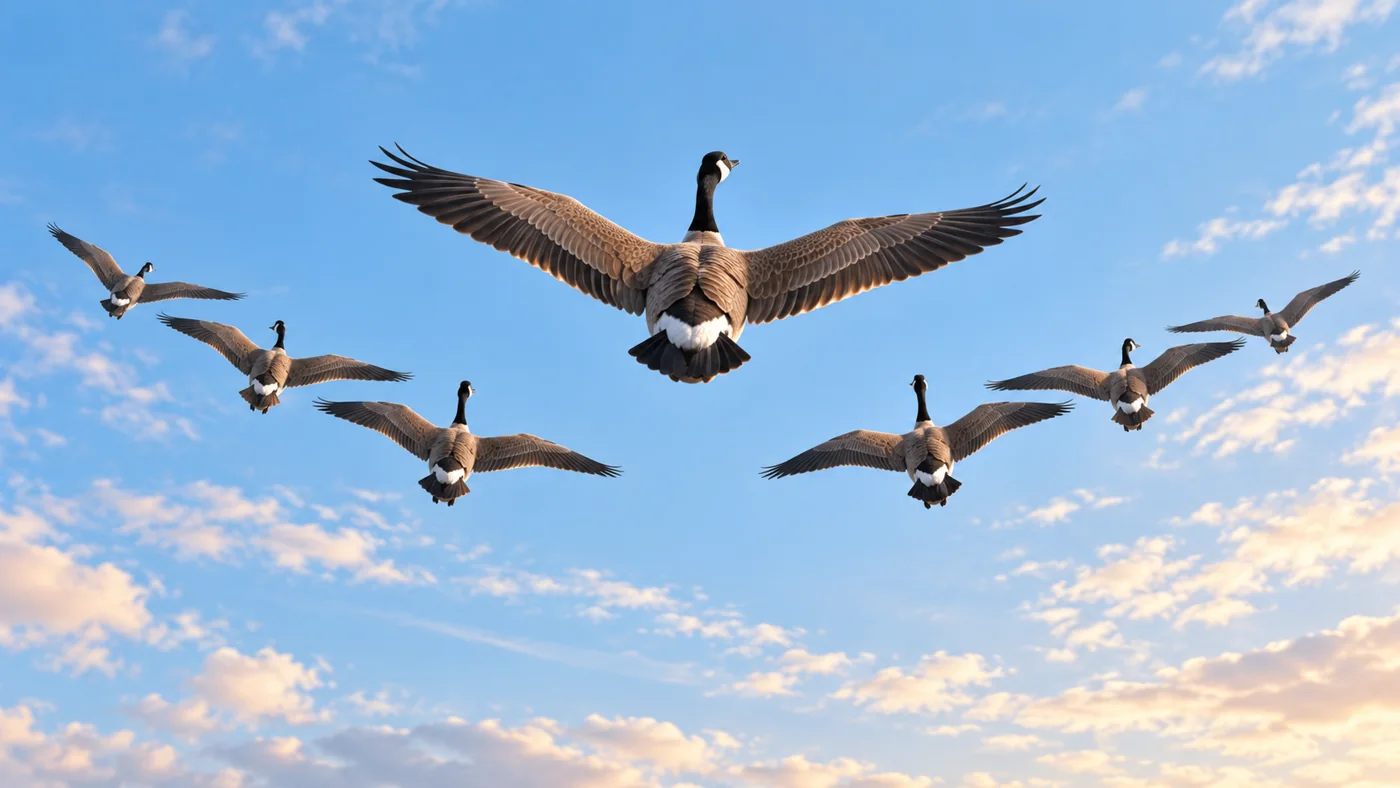
Large birds can use rising air generated by the bird ahead to reduce the effort of flight. The formation also helps birds keep track of the flock, and measured energy savings depend on species and spacing.
 Space
Space has very little material to scatter sunlight sideways. The sky looks bright from Earth because air redirects light into your eyes; without that atmosphere, a lit object sits against darkness.
 Science
Yeast converts sugars into carbon dioxide and alcohol. Gluten traps the gas in elastic pockets, then heat expands and sets the loaf’s structure.
 Science
Surface tension pulls a thin liquid film toward the smallest surface area that encloses its air. A sphere is the most economical shape for a given volume.
 Space
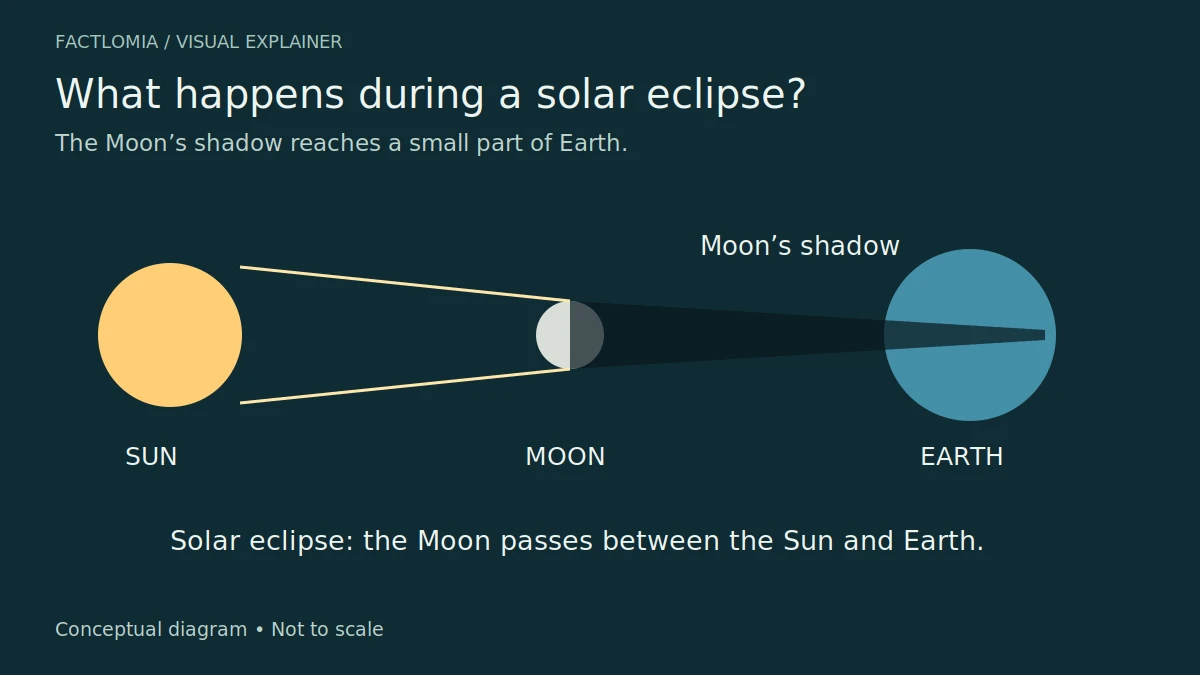
The Moon’s orbit is tilted about five degrees relative to Earth’s orbit around the Sun. Most months the shadows pass above or below the alignment needed for an eclipse.
 Nature
Fireflies use a chemical reaction in specialized organs. Oxygen, enzymes and a molecule called luciferin create flashes used for communication.
 Nature
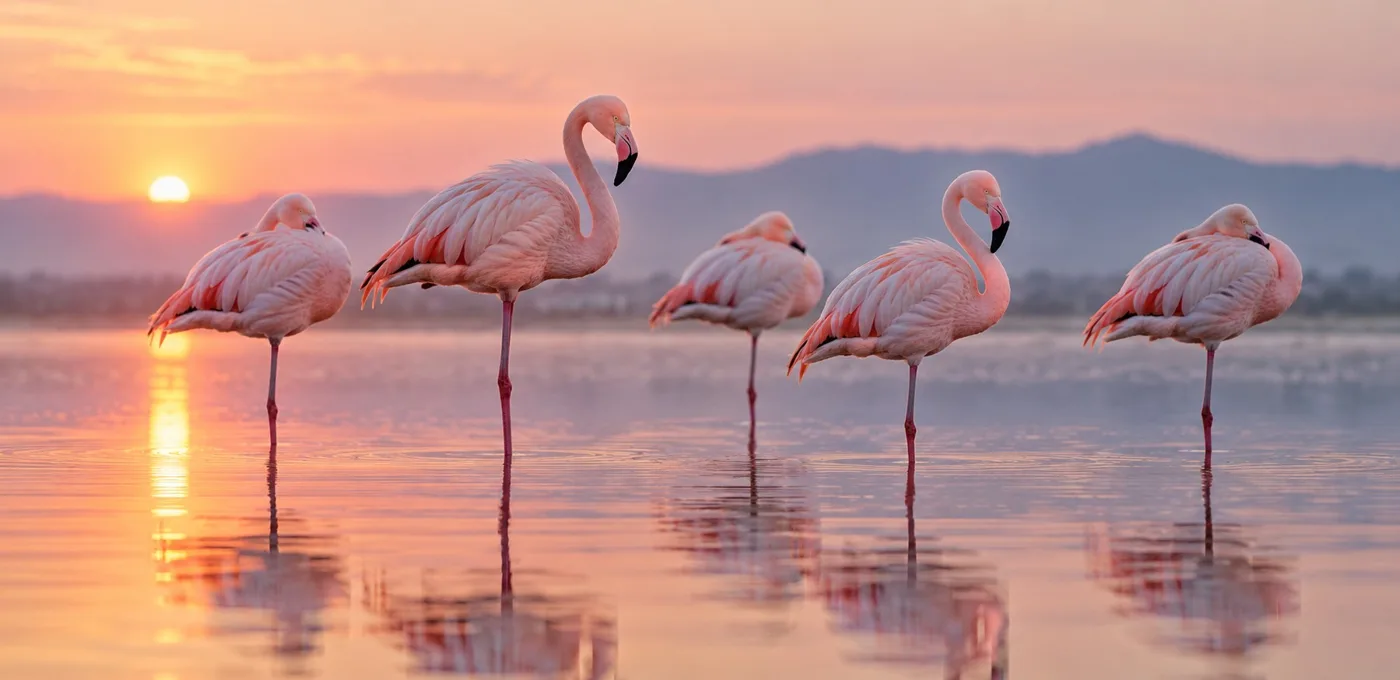
Flamingos can stand on one leg with little active muscle effort. Heat conservation is one possible benefit, but research does not support a single settled explanation for every flamingo.
 Nature
Fog is a cloud at the surface. Learn how cooling, humidity and tiny particles turn invisible water vapor into a visible layer of droplets.
 Nature
Hibernation lowers body temperature and metabolism when food is scarce. It saves energy, but animals still wake periodically and must manage water, oxygen and stored fuel.
 Science
Magnetic fields interact with the electrons in iron. In a magnet, many tiny magnetic regions align; nearby iron regions can align temporarily, creating attraction.
 Space
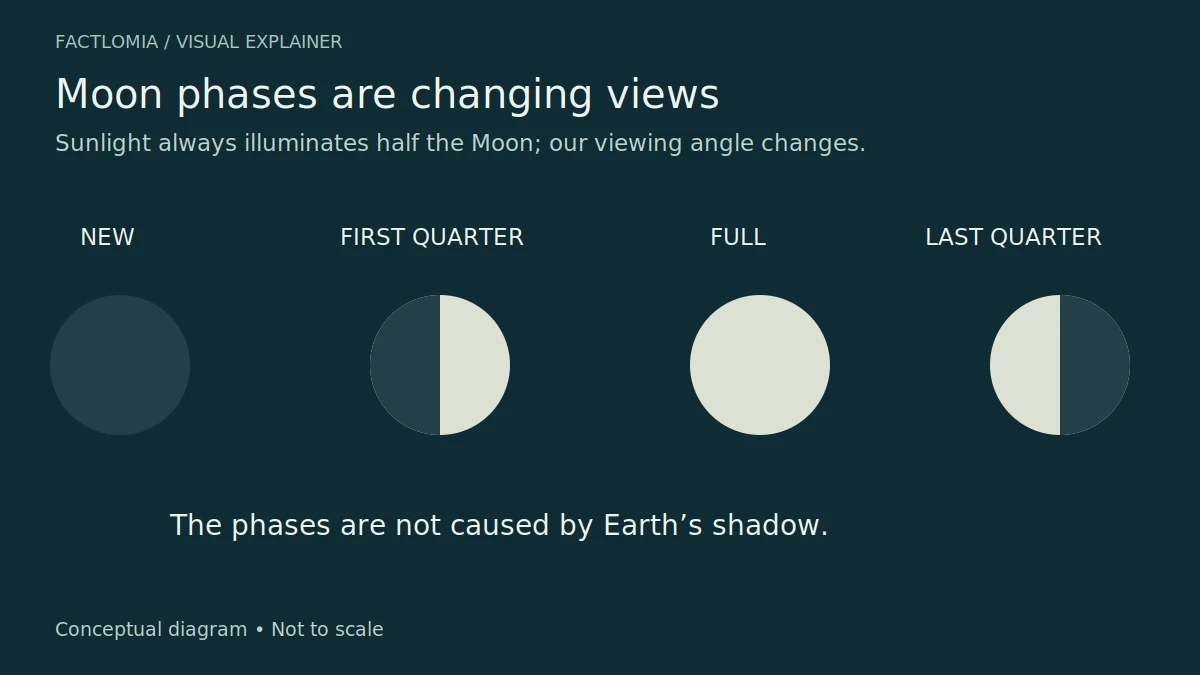
The Moon is always half lit by the Sun. As it orbits Earth, we see different fractions of that sunlit half from our changing viewpoint.
 Nature
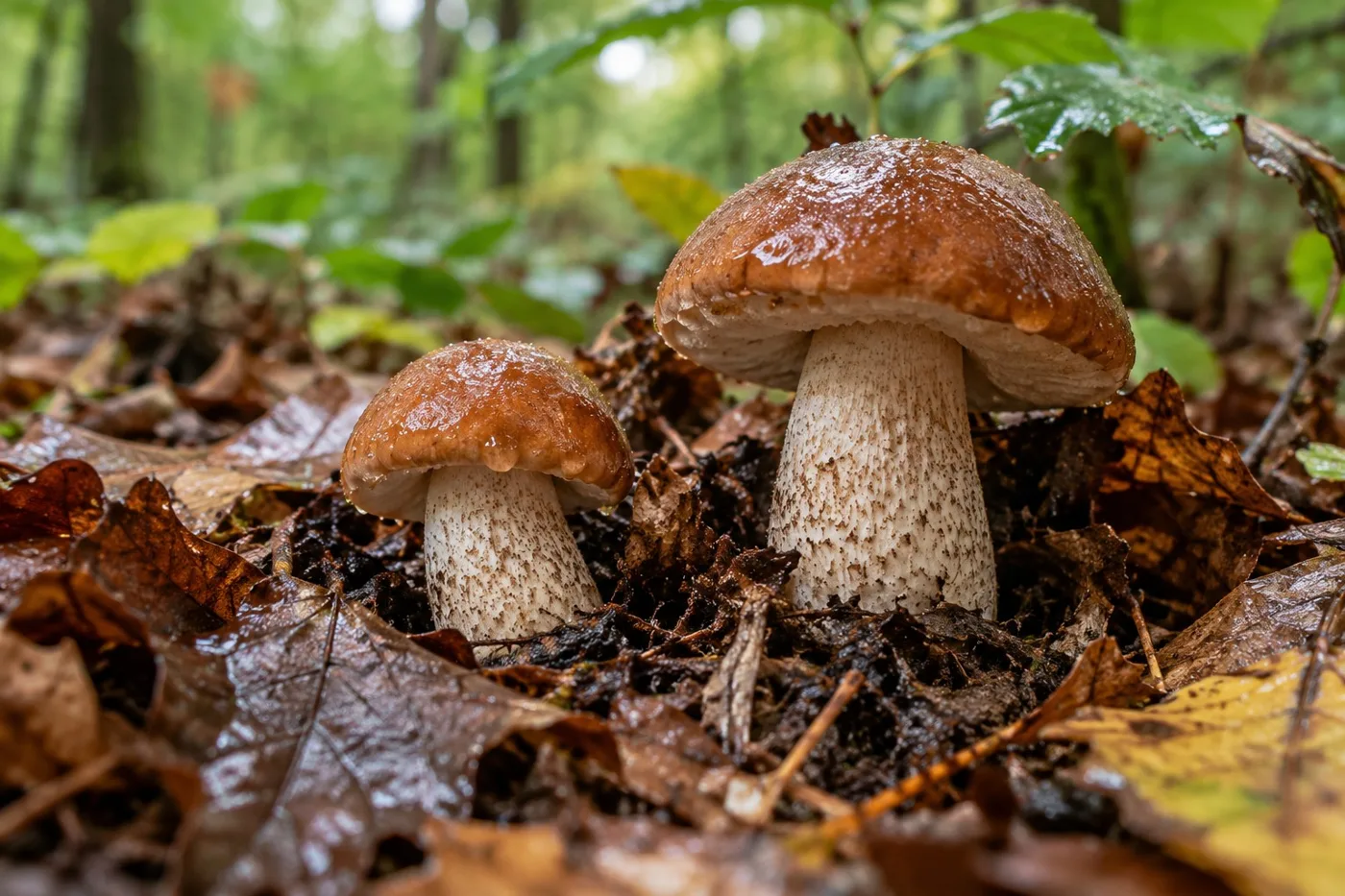
Rain raises soil moisture and humidity, but it does not create mushrooms overnight. The visible cap is the fruiting body of a fungus whose network was already in the soil or wood.
 Science
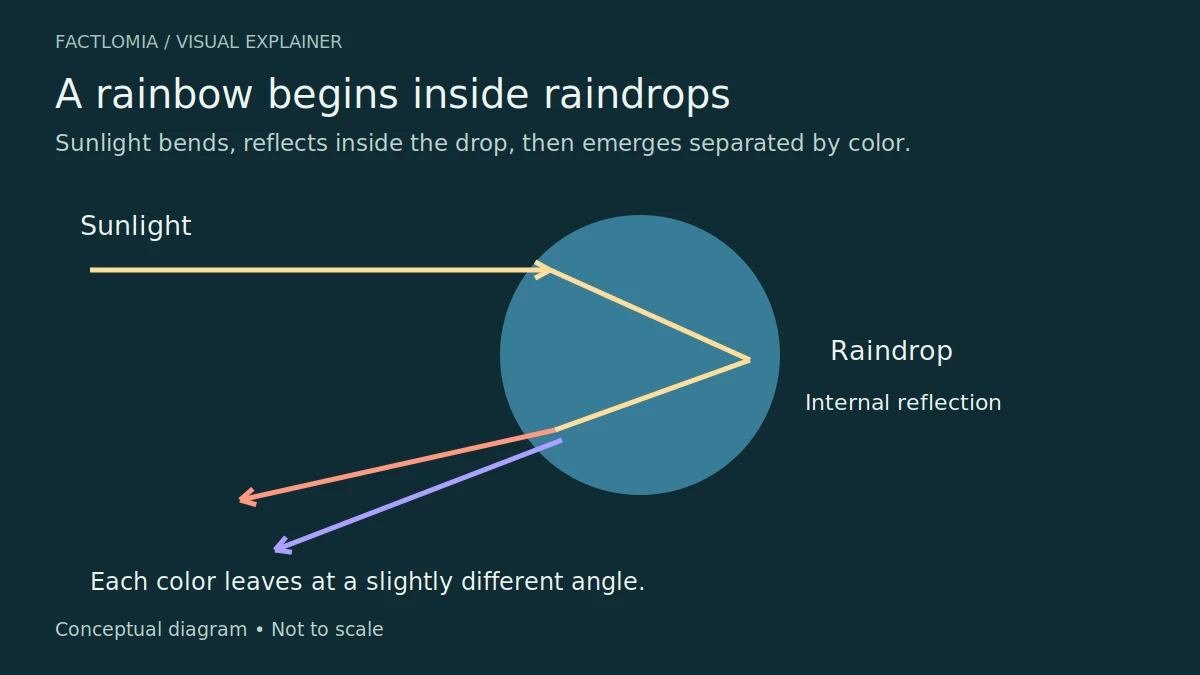
Raindrops separate sunlight into colors through refraction, internal reflection and dispersion. The bow’s position depends on the Sun behind you and droplets in front.
 Science
Salt lowers water’s freezing point. A salty film can remain liquid below 0°C, but the effect weakens in extreme cold and depends on concentration and contact.
 Space
Astronauts use a recycling system that purifies humidity and wastewater. In microgravity, water forms floating spheres, so drinks are packaged in sealed containers with straws.
 Space
At sunset, sunlight crosses a longer path through the atmosphere. Blue and violet light are scattered away more strongly, leaving more red and orange light along the direct path.
 Nature
Many trees add wood in seasonal growth pulses. Ring width records changing conditions, but rings are not a perfect calendar for every species or climate.
 Nature
Wind creates waves, but a swell can travel far beyond the storm that made it. Learn how wave energy moves through water.
 Nature
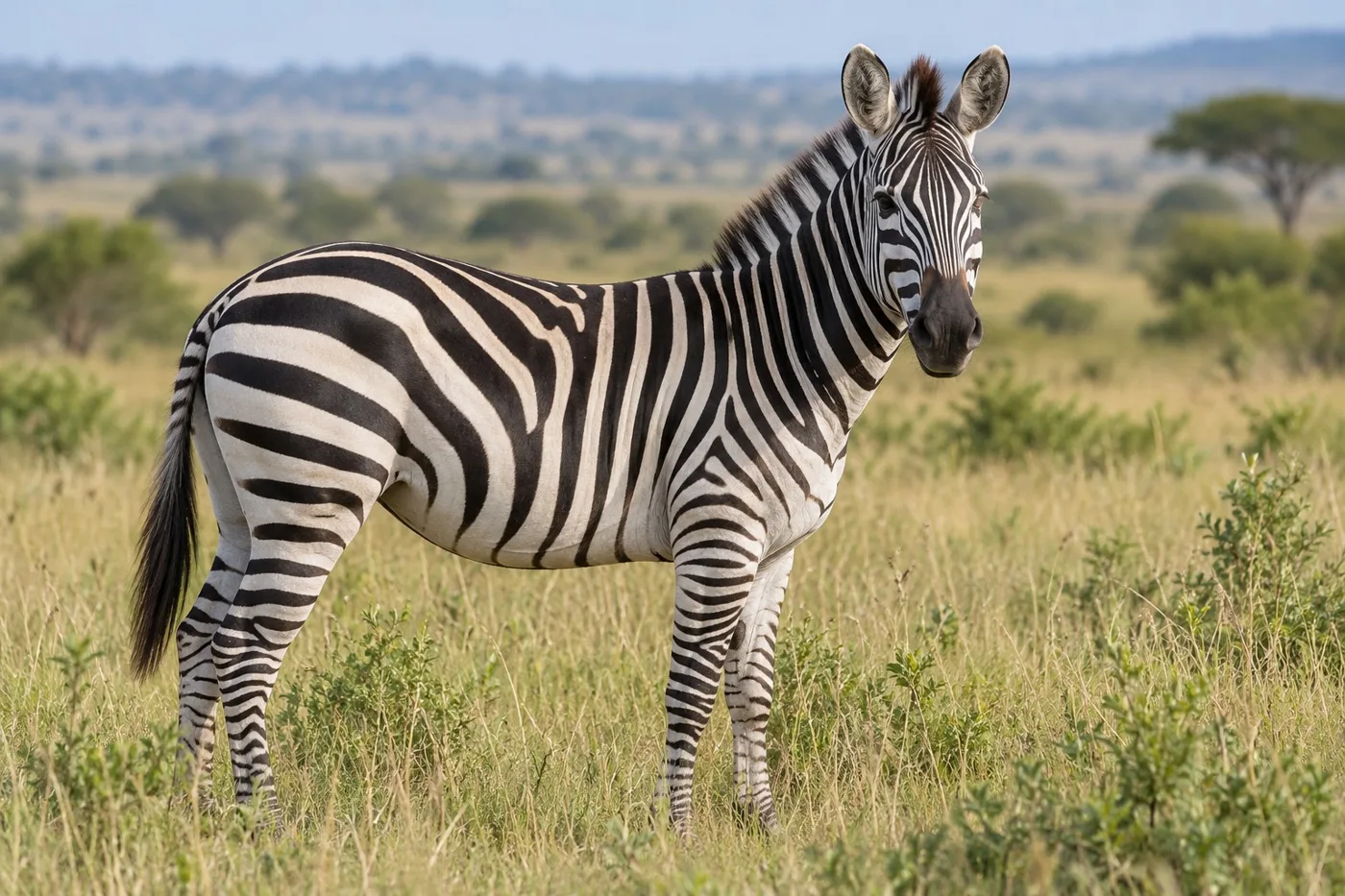
Stripe patterns may reduce biting flies and help zebras recognize one another. Their benefits are ecological, not a simple camouflage trick.
 Nature
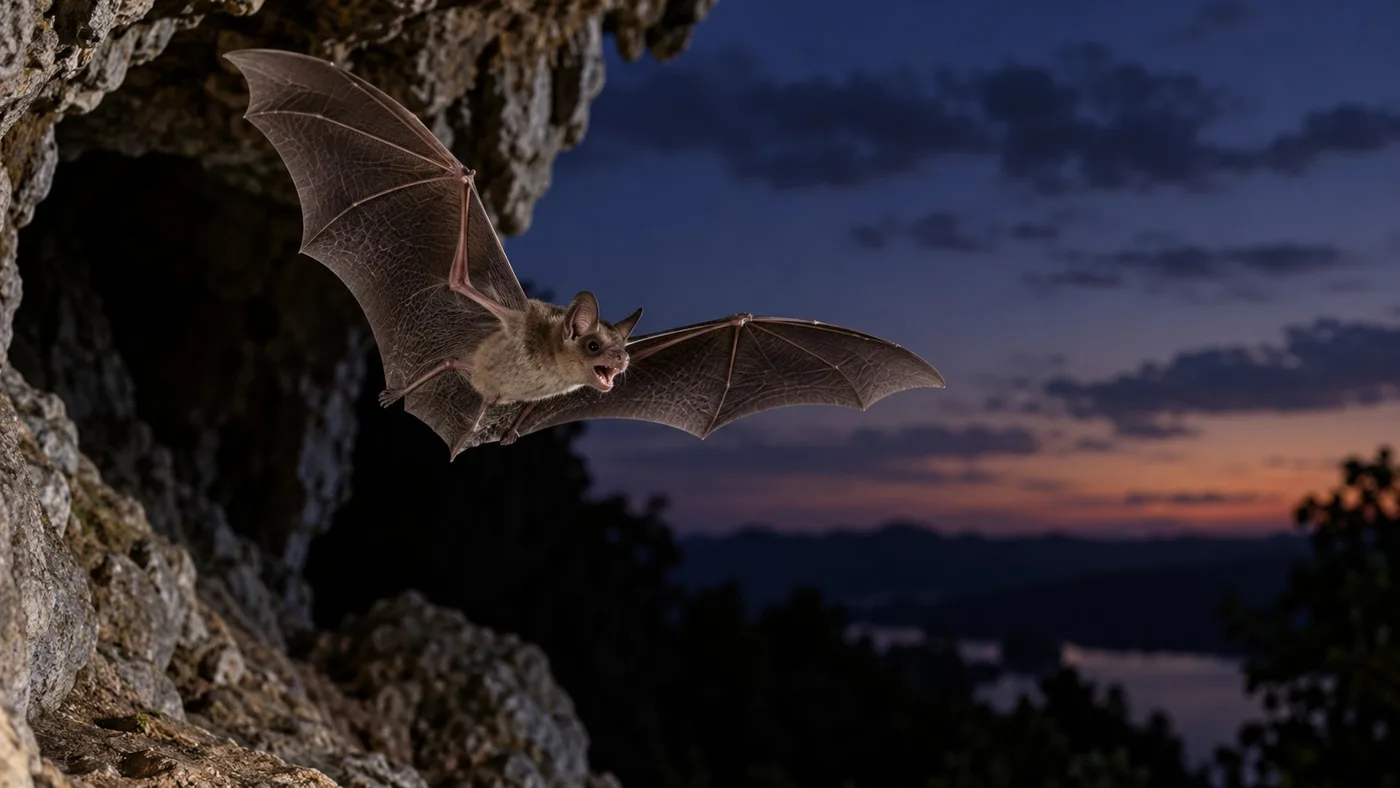
Many bats emit ultrasonic calls and analyse returning echoes. Timing and frequency changes reveal distance, shape and movement even when vision is limited.
 Space
Gravity curves spacetime. Near a black hole, that curvature can redirect passing light, create distorted images and sometimes form an Einstein ring.