
 Nature
Why Do Some Mushrooms Glow in the Dark?
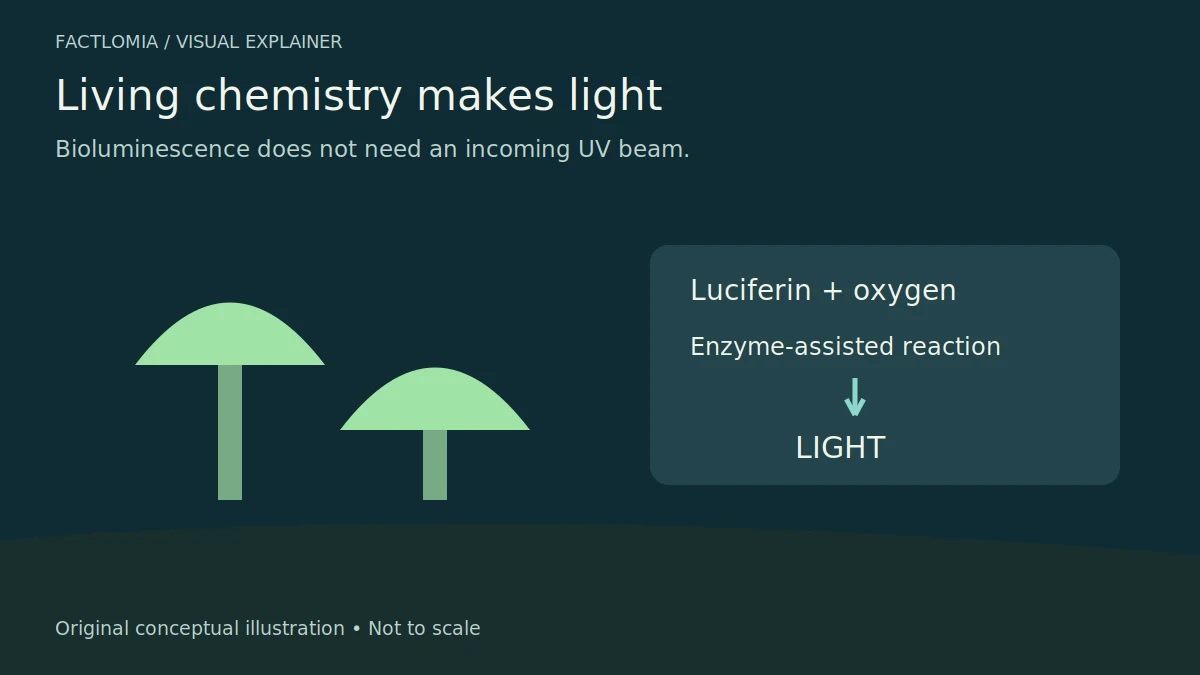
Some fungi make their own light through bioluminescence. Learn how that differs from fluorescence and why a glowing log may not have glowing mushroom caps.
Page 3 of 16 · Science, nature, space and history.
NatureSome fungi make their own light through bioluminescence. Learn how that differs from fluorescence and why a glowing log may not have glowing mushroom caps.
 Space
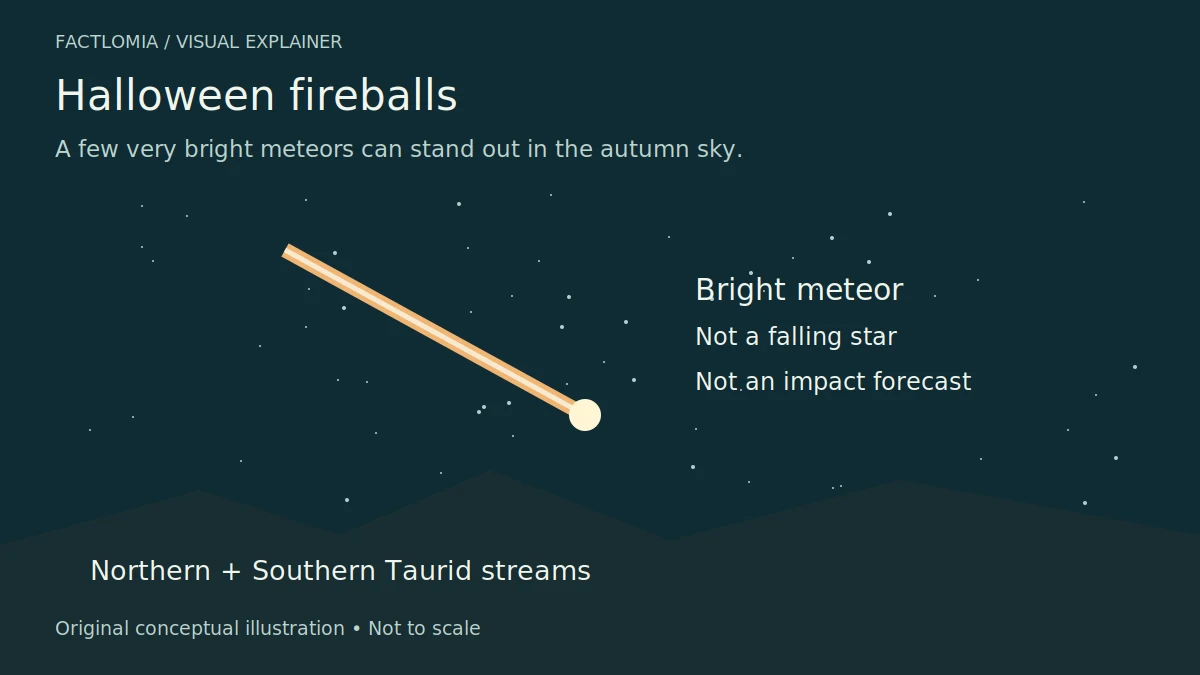
Taurid meteors can produce bright fireballs around Halloween and November. Learn what causes the display and when the two Taurid branches are active in 2026.
 Nature
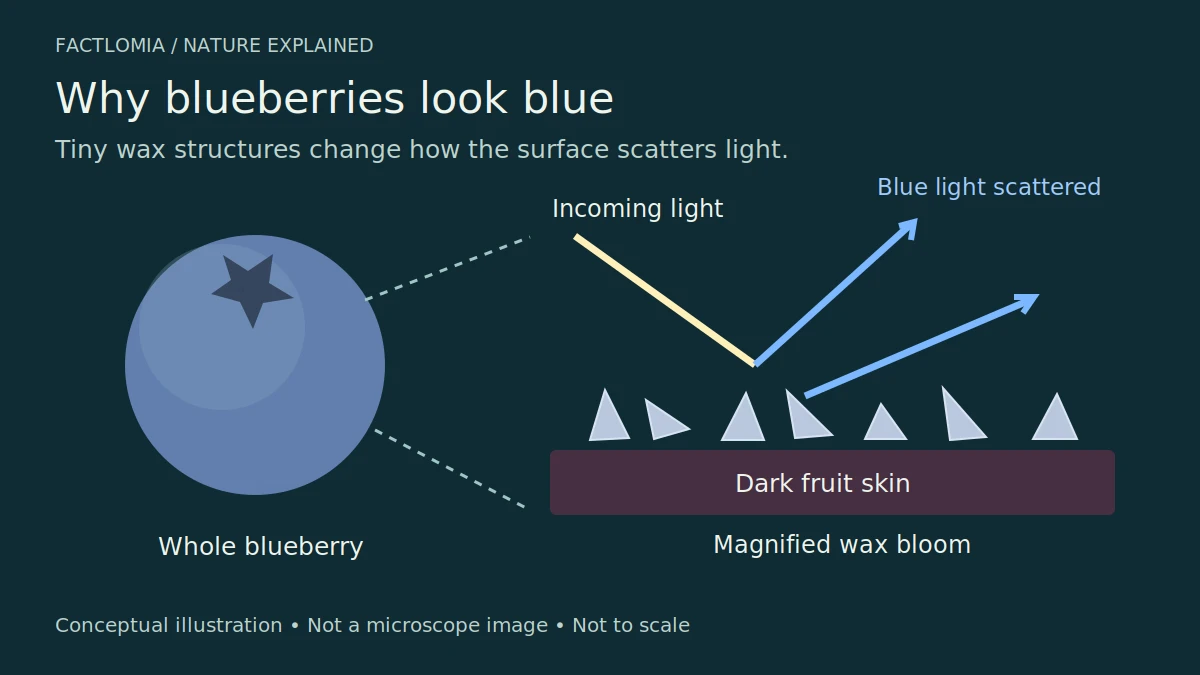
Blueberries look blue because tiny structures in their natural wax coating scatter light. Discover why their juice does not have the same blue appearance.
 Space
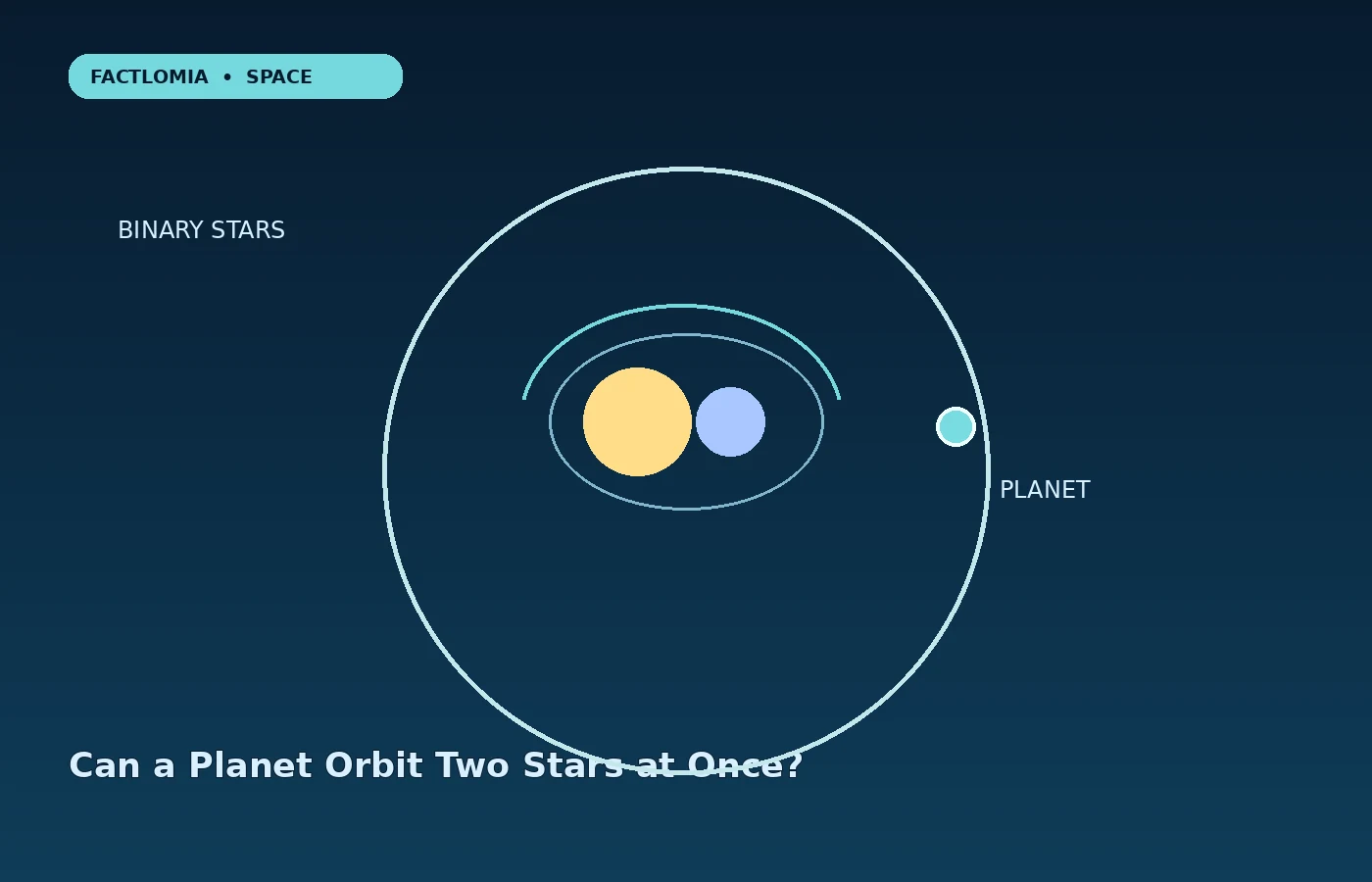
Yes. Astronomers have confirmed planets that orbit a pair of stars, called circumbinary planets. Their changing starlight helps reveal the planets’ irregular transits.
 Space
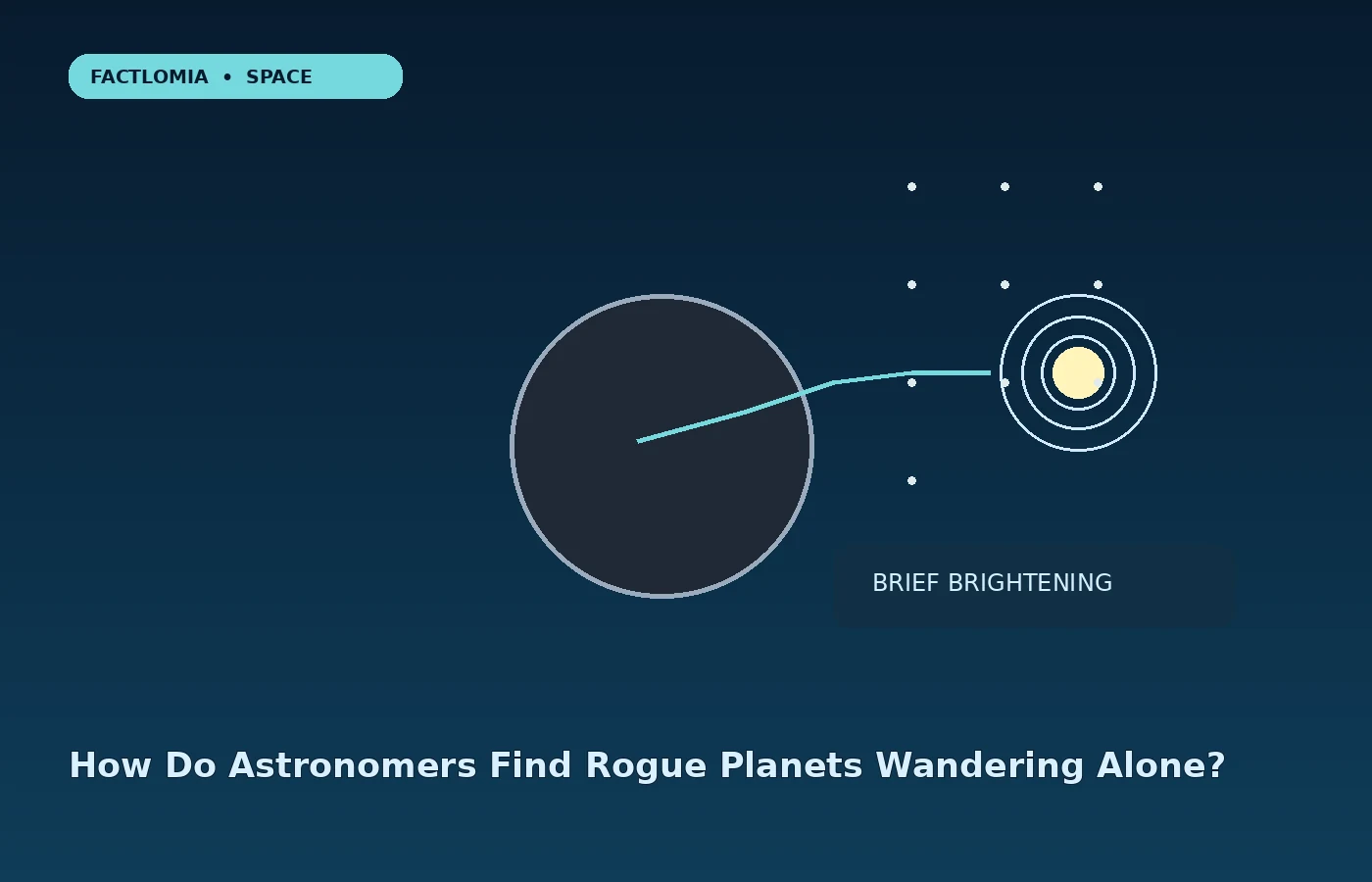
Rogue planets can be almost invisible because they do not orbit a bright star. Astronomers can find some when their gravity briefly magnifies light from a more distant star.
 Space
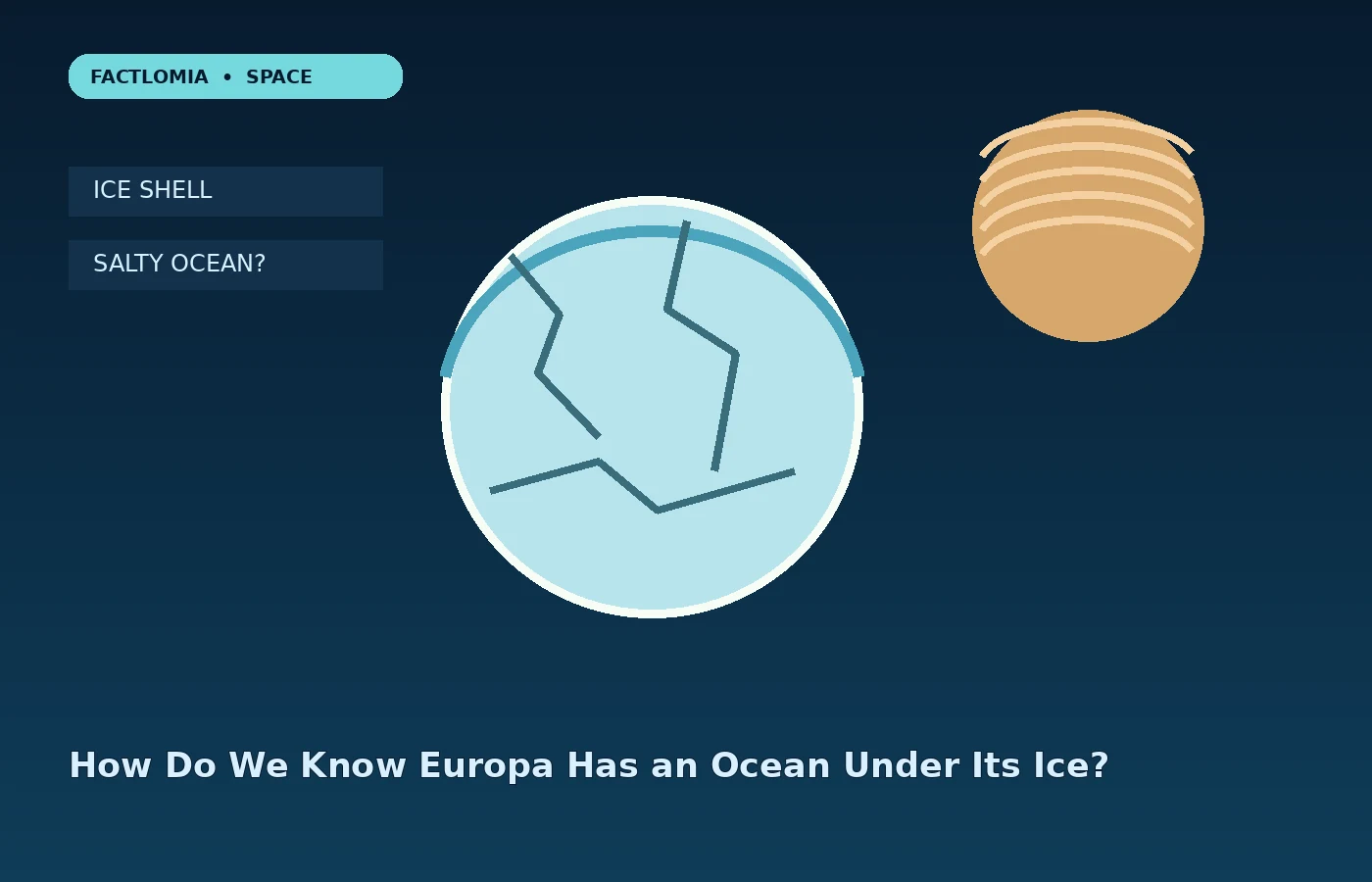
Europa’s ocean is hidden beneath ice, but its cracked surface, magnetic response and tidal heating offer several independent clues. Here is what the evidence shows—and what remains unconfirmed.
 Nature
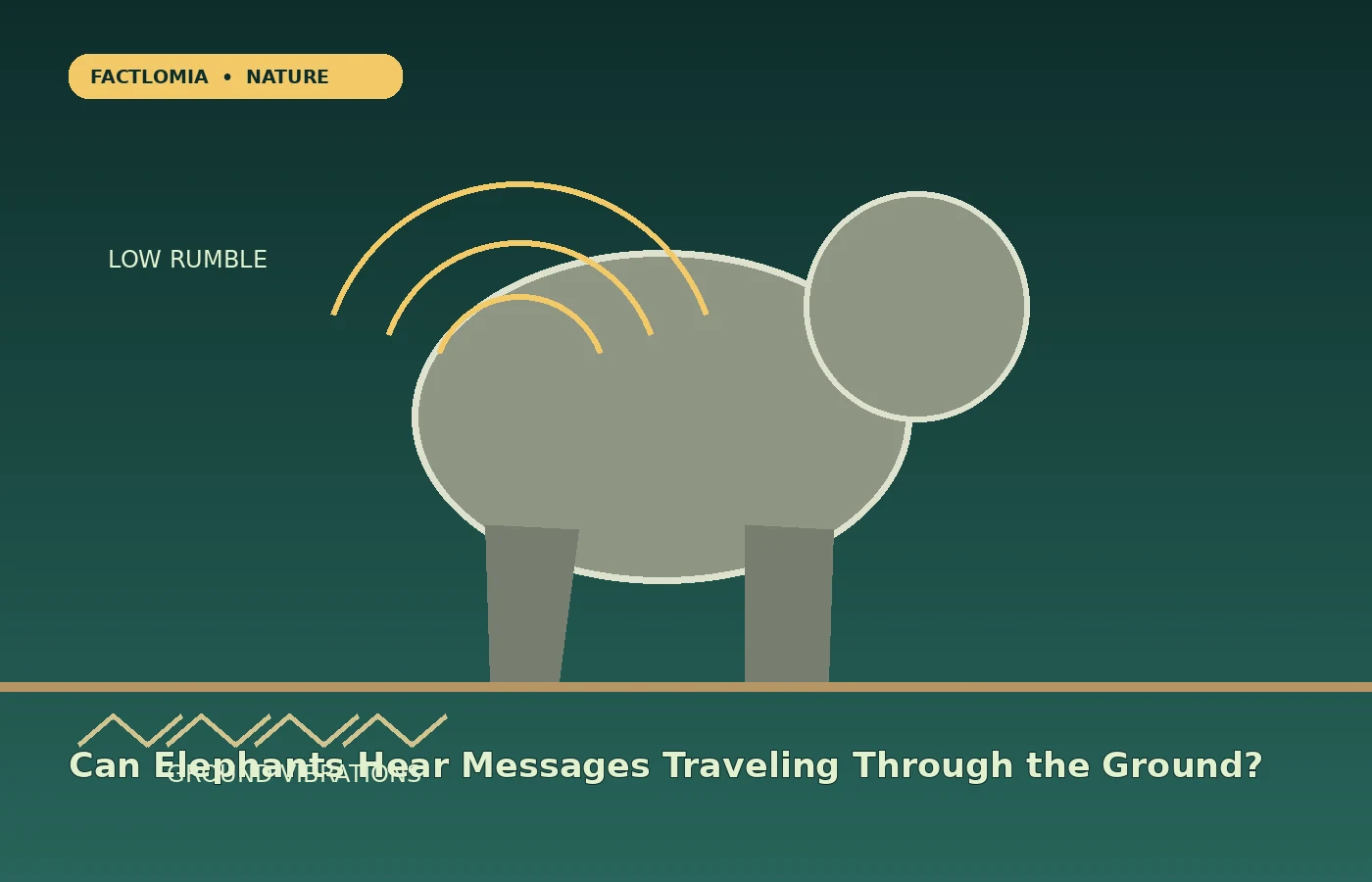
Elephant rumbles travel through air and soil. Research suggests elephants can detect ground-borne vibrations, although exactly how they interpret these signals is still being studied.
 Nature
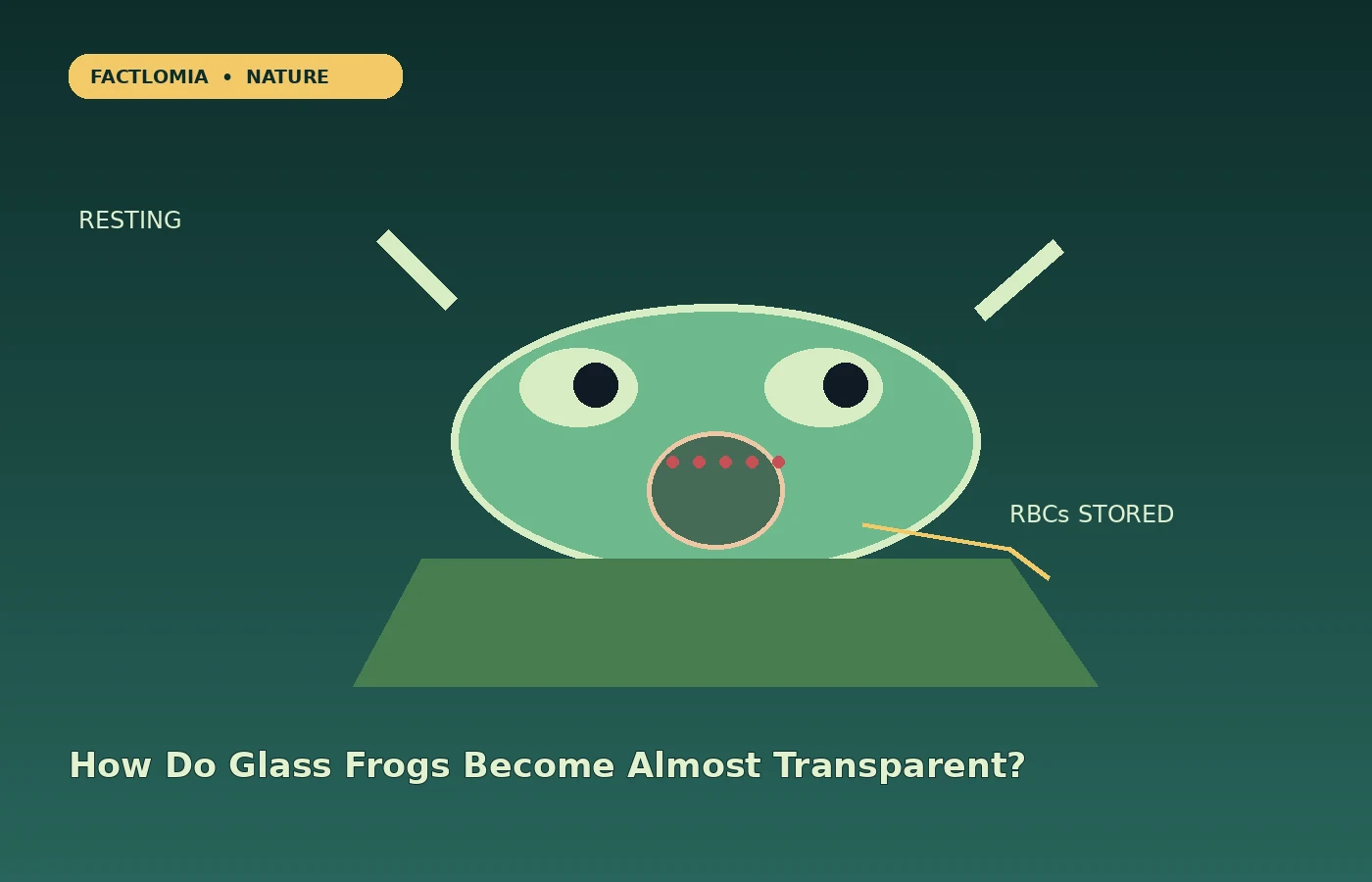
Glass frogs do not vanish like glass. When resting, they move most circulating red blood cells into their liver, making their underside more transparent for camouflage.
 Nature
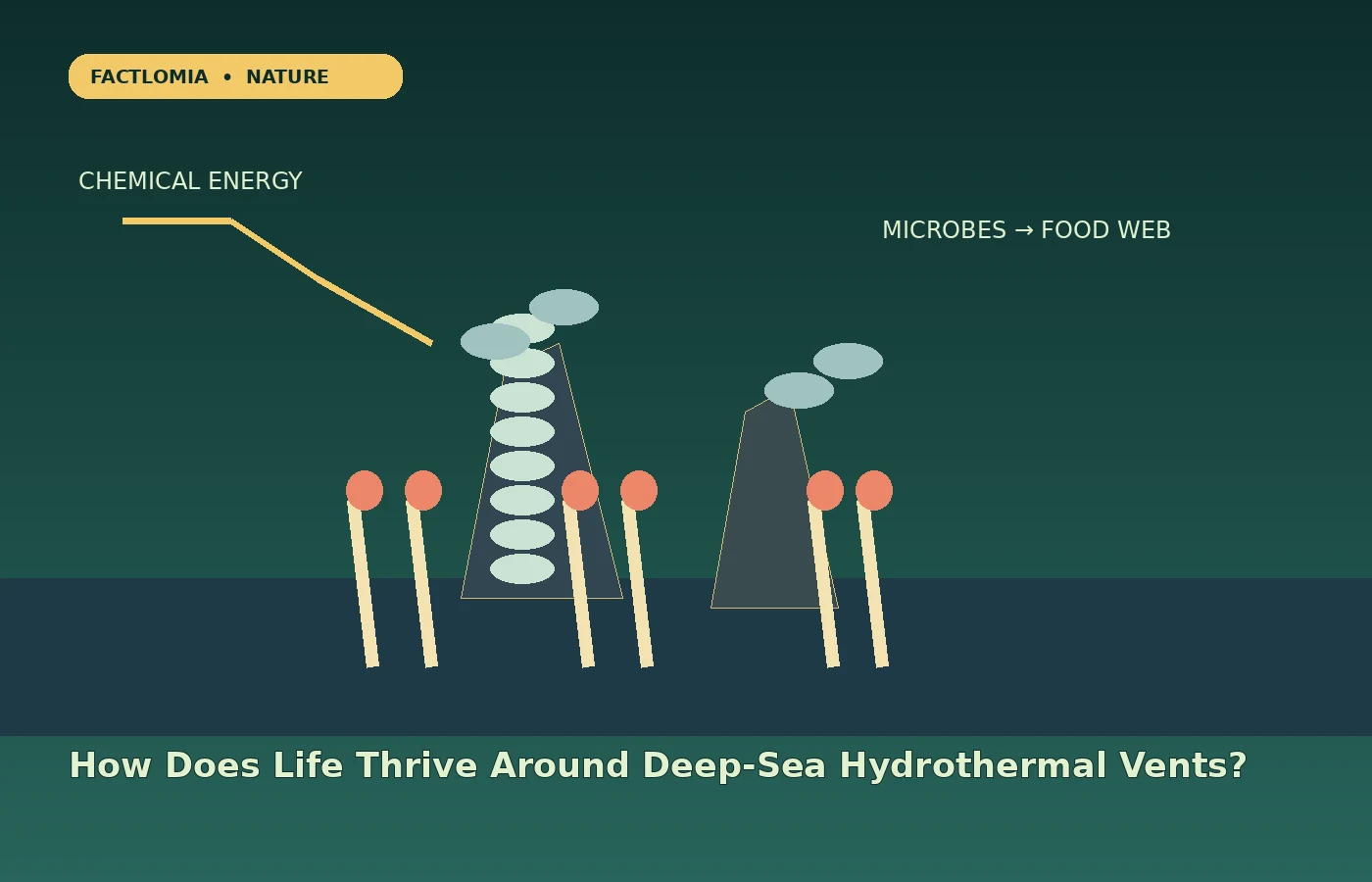
At deep-sea vents, microbes use chemical energy instead of sunlight. They support food webs around hot, mineral-rich fluids on the ocean floor.
 Nature
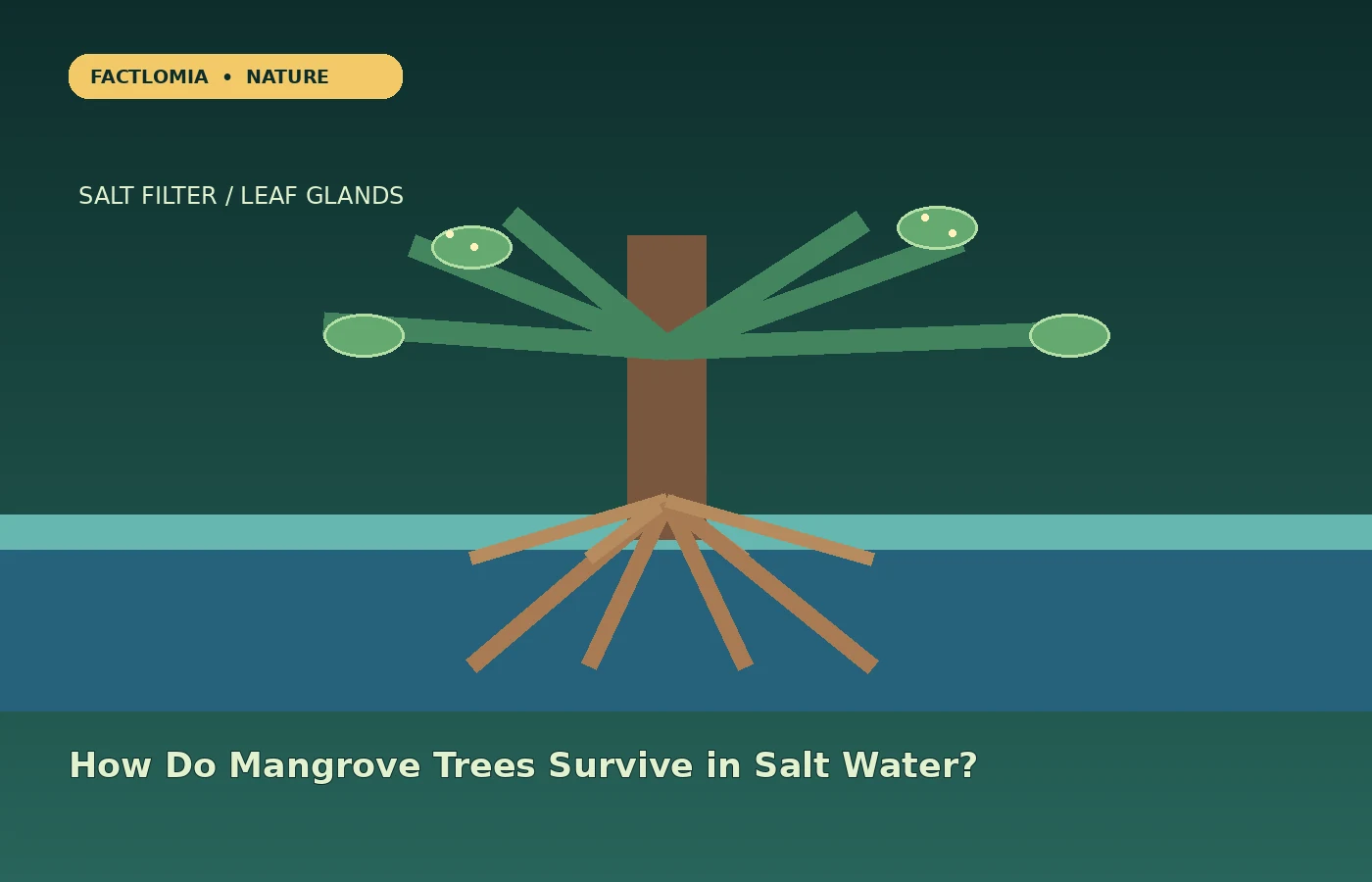
Mangroves use several different strategies to limit salt stress, including filtering salt at the roots, excreting it through leaf glands and storing it in leaves they later shed.
 Science
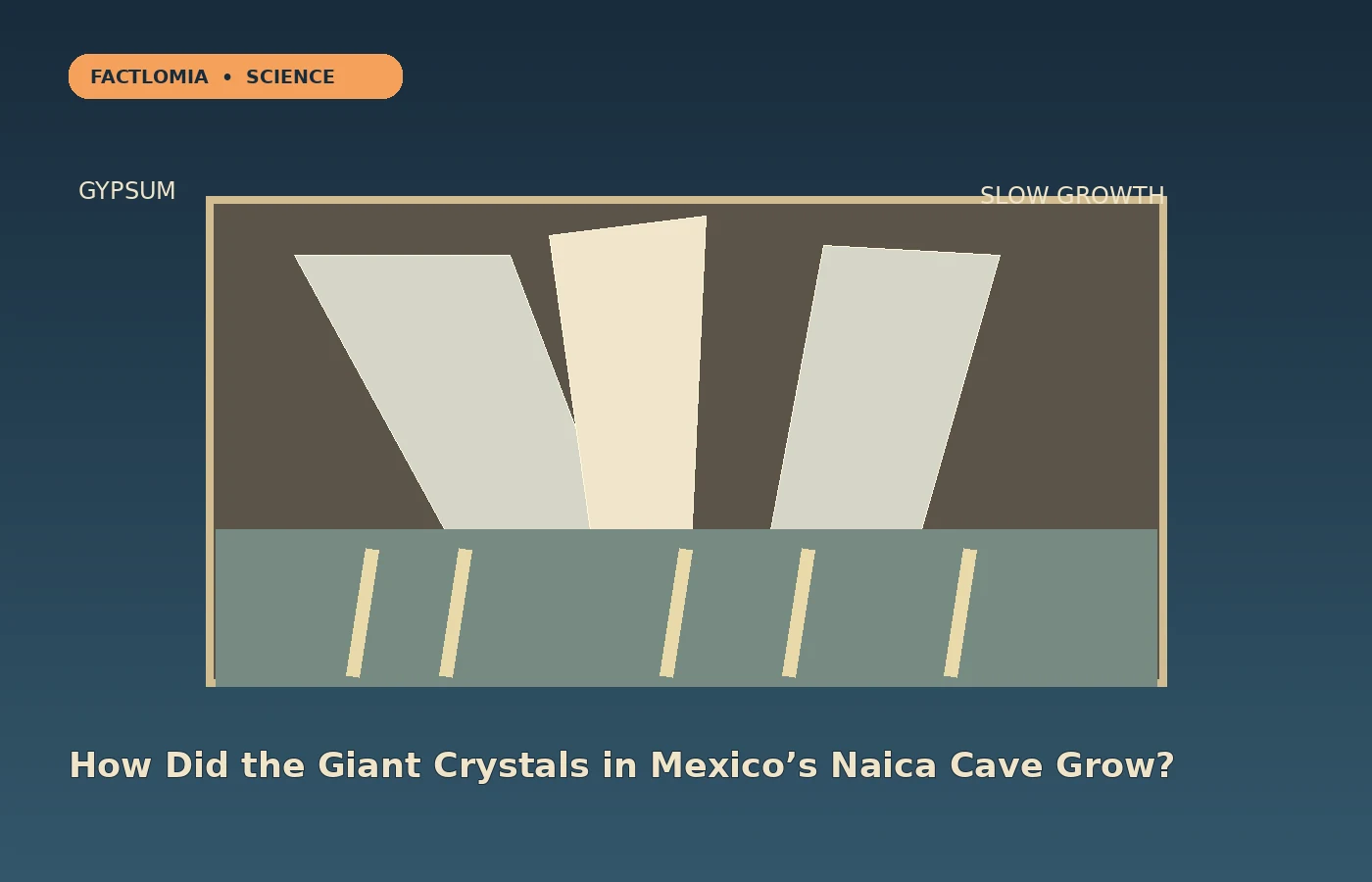
Naica’s cave crystals grew in warm, mineral-rich water that stayed near the right temperature for a very long time. Slow growth and few new crystals let a small number become enormous.
 Science
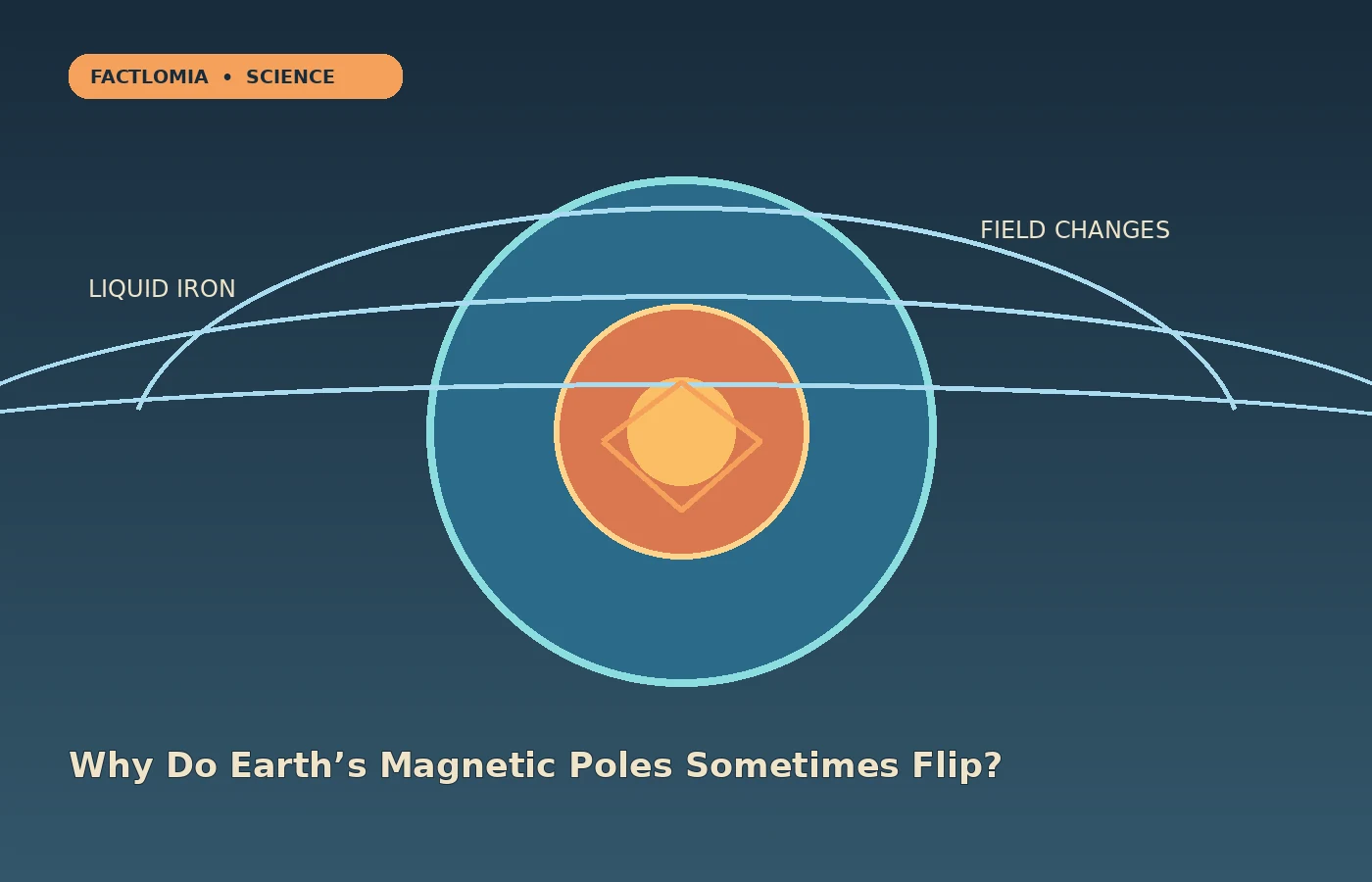
Earth’s magnetic field has reversed many times, but not on a regular schedule. The shifting flow of molten iron in the outer core drives the changes.
 Science
Dreams can occur in REM and non-REM sleep. Brain activity helps explain why dreams can feel vivid, but scientists have not settled on one purpose for dreaming.
 Technology
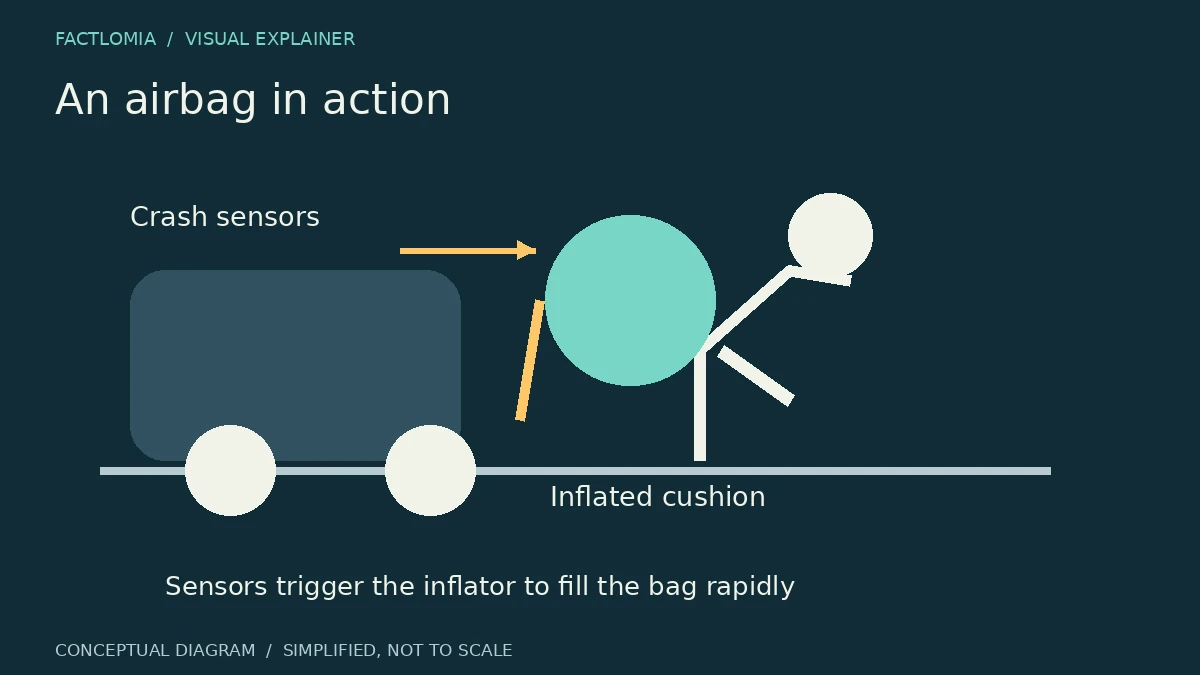
An airbag system detects crash conditions with sensors and sends an electrical signal to an inflator.
 Nature
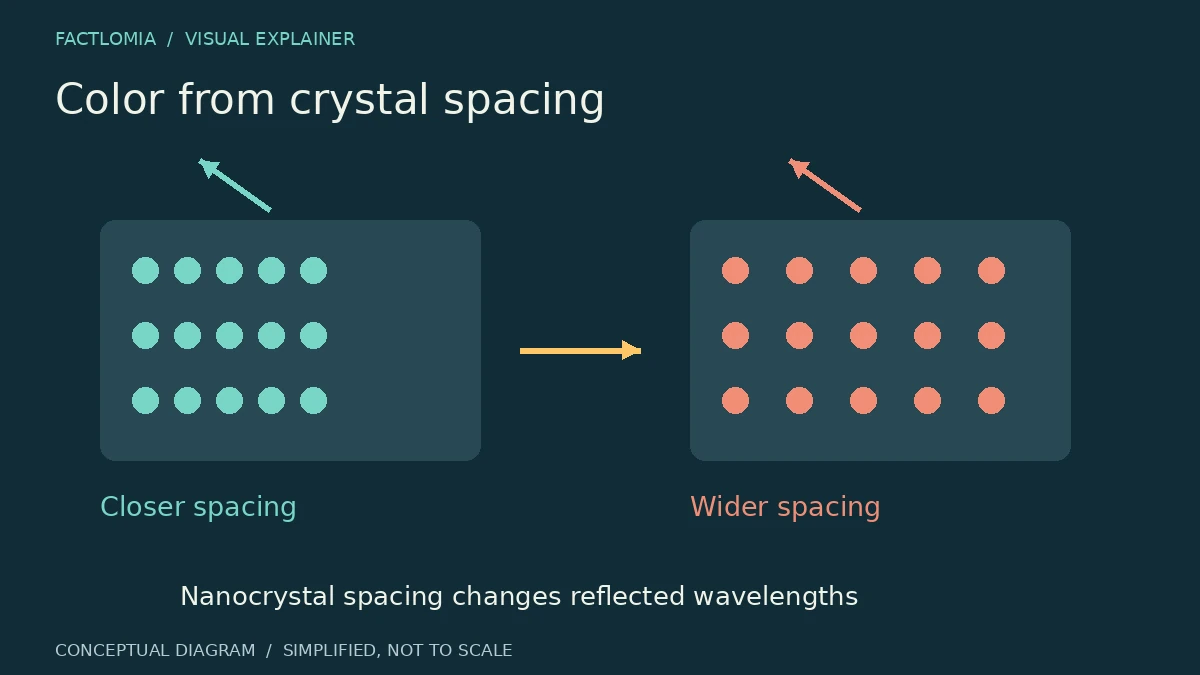
In panther chameleons, rapid changes in skin hue involve tiny guanine crystals inside specialized skin cells.
 Science
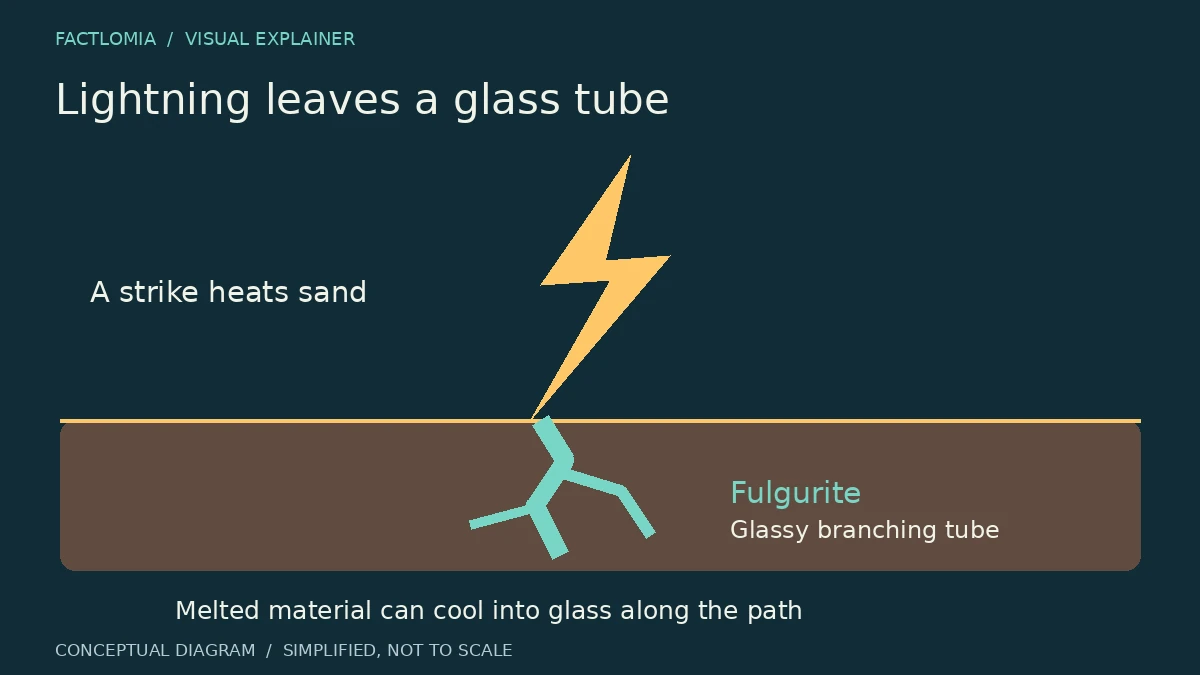
Lightning can melt and fuse mineral grains along its path through the ground.
 Nature
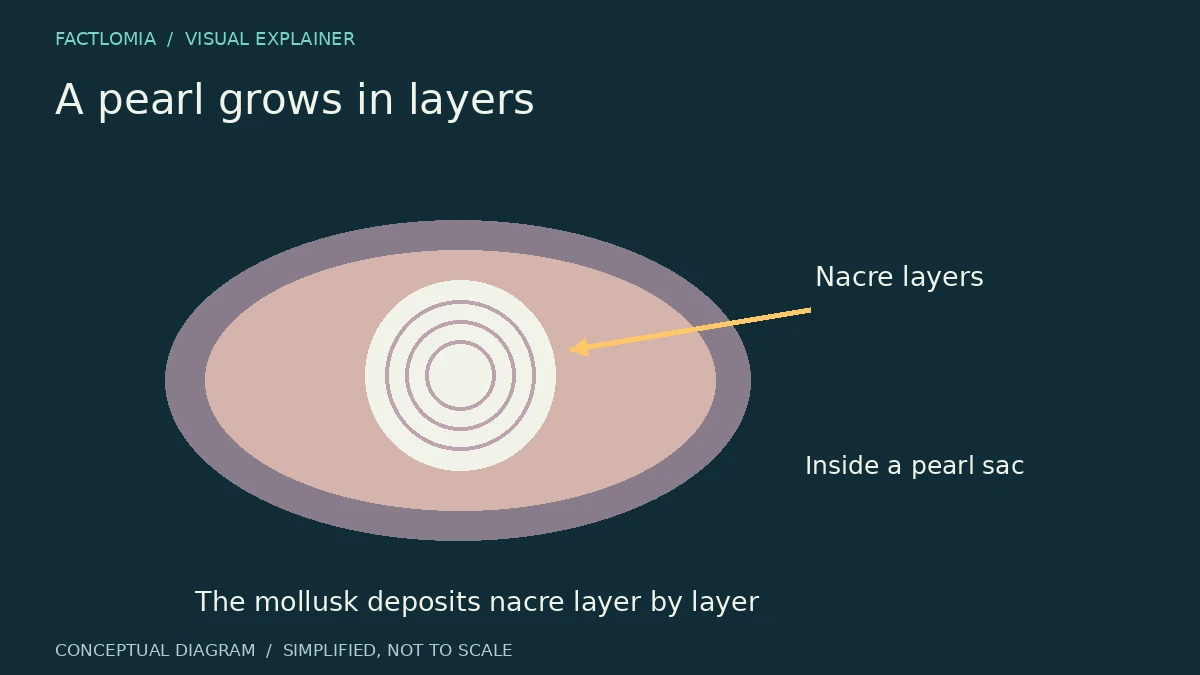
Pearls form when a mollusk deposits shell-building material inside its body.
 Nature
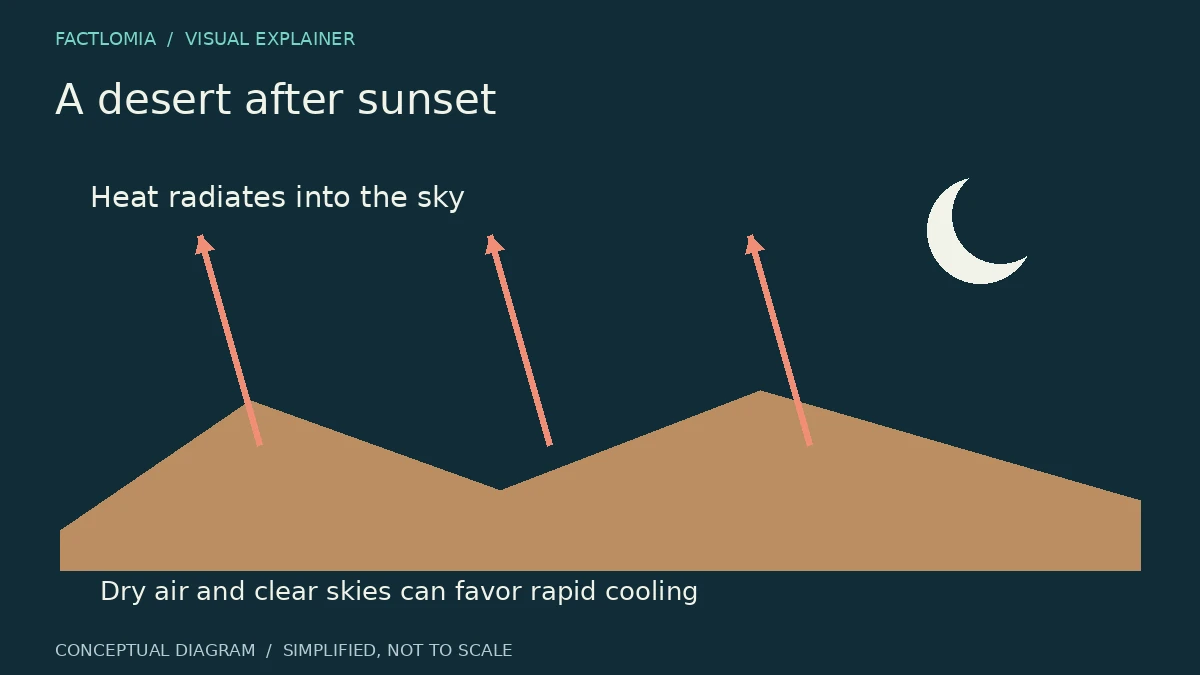
Many deserts cool sharply after sunset because the ground loses heat by infrared radiation while dry, often cloudless air returns comparatively little of that energy toward the surface.
 Science
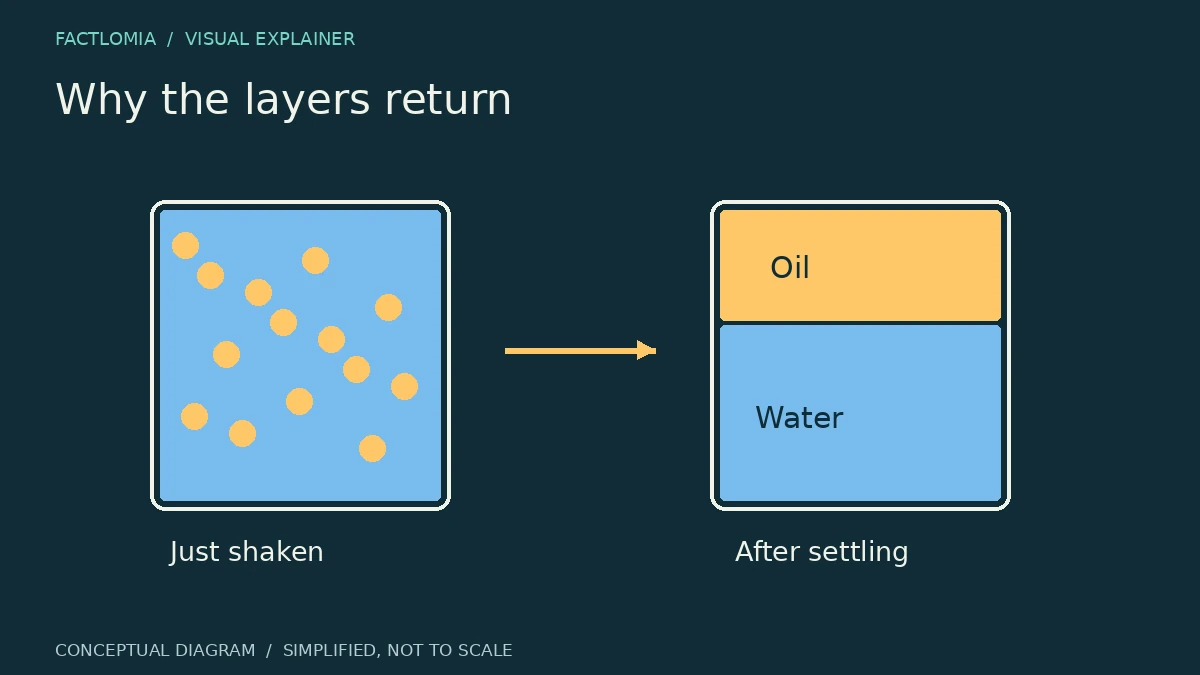
Oil and water usually separate because a uniform mixture is not their favored state under ordinary conditions.
 Technology
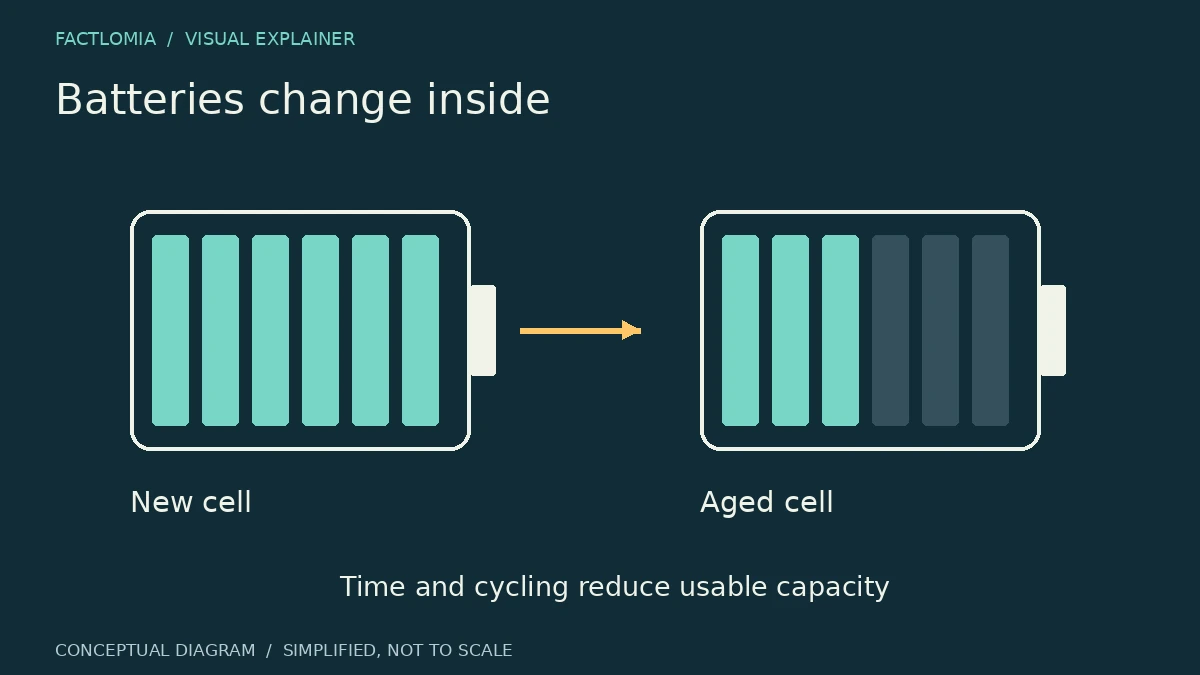
Lithium-ion batteries gradually lose capacity because repeated use and time cause chemical and structural changes inside their cells.
 Science
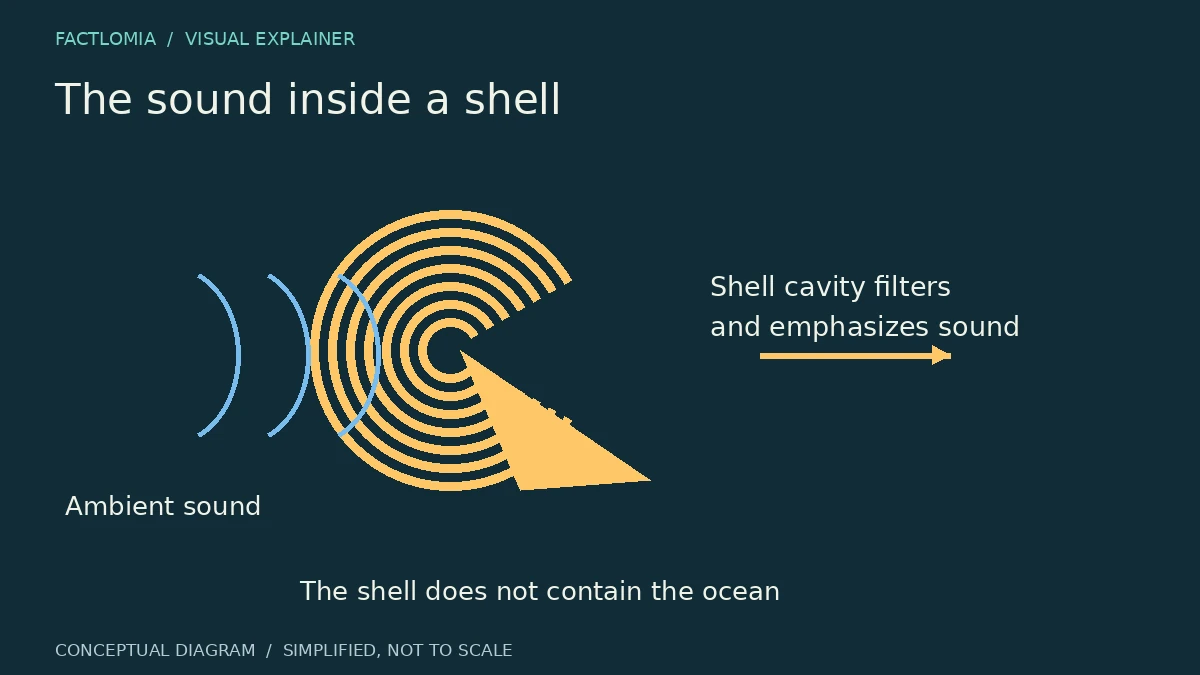
A shell held near your ear changes the background sound reaching you.
 Science
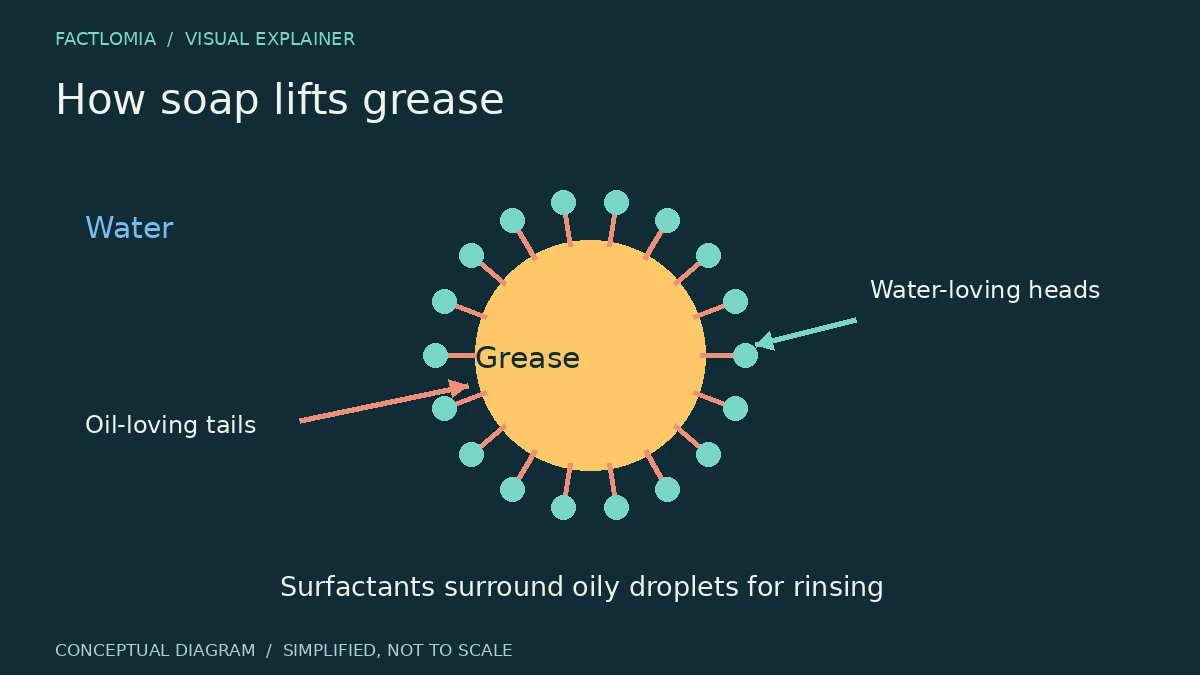
Soap helps water carry away oily dirt because its molecules contain two different regions: a water-compatible head and an oil-compatible tail.
 Space
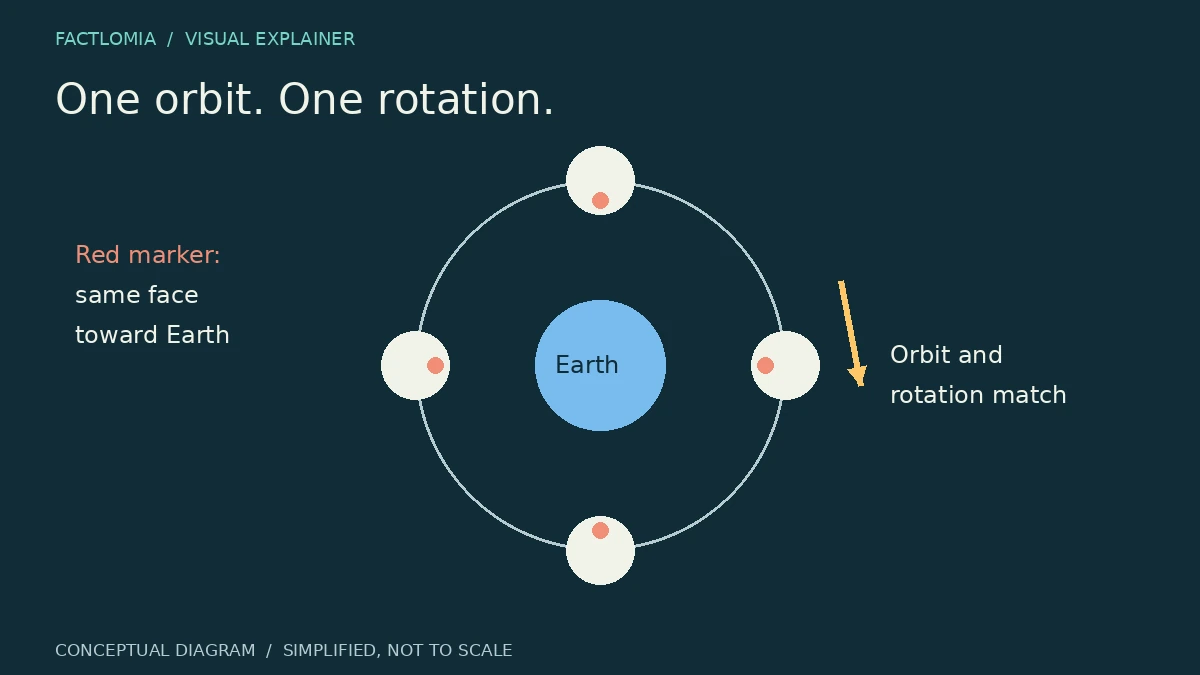
The Moon keeps roughly the same hemisphere facing Earth because it rotates once in the time it takes to complete one orbit.
 Space
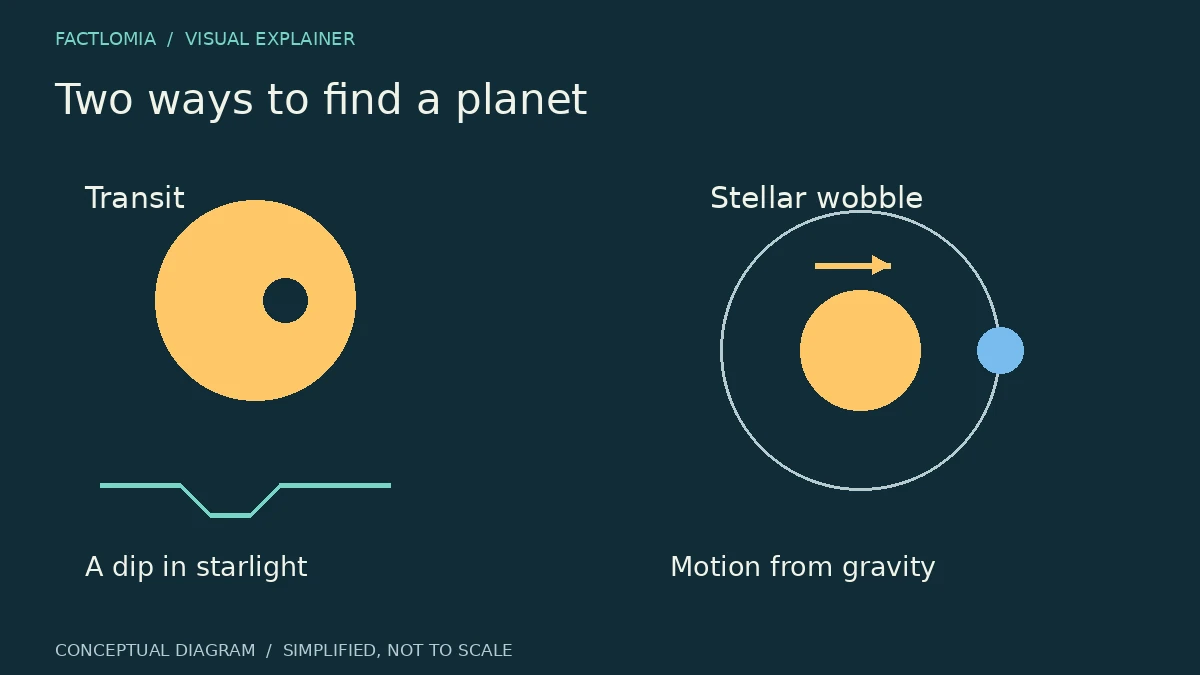
Most exoplanets are found indirectly by measuring how a star dims or wobbles. Learn how astronomers confirm candidates and what each method can reveal.