
 Nature
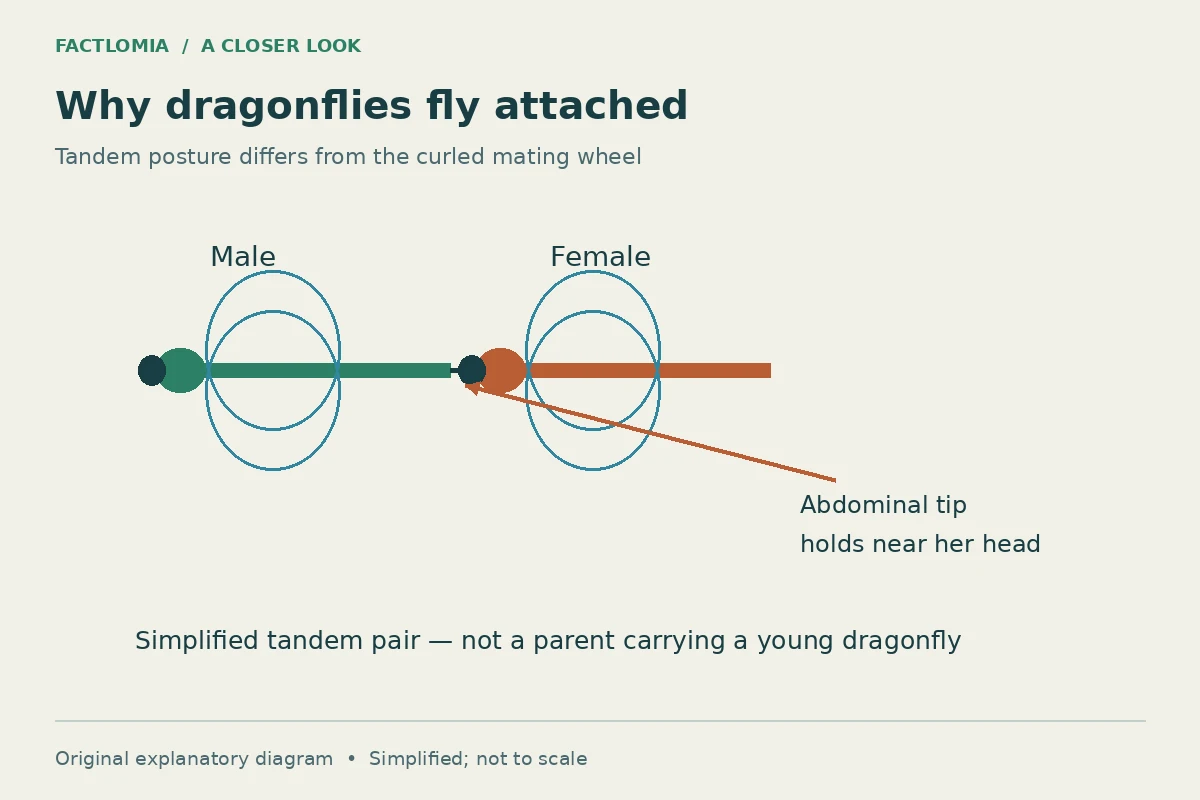
Why Do Dragonflies Fly Attached to Each Other?
Attached dragonflies are usually involved in reproduction. Learn how tandem pairs differ from the mating wheel and why some remain joined during egg laying.
Page 5 of 16 · Science, nature, space and history.
NatureAttached dragonflies are usually involved in reproduction. Learn how tandem pairs differ from the mating wheel and why some remain joined during egg laying.
 Nature
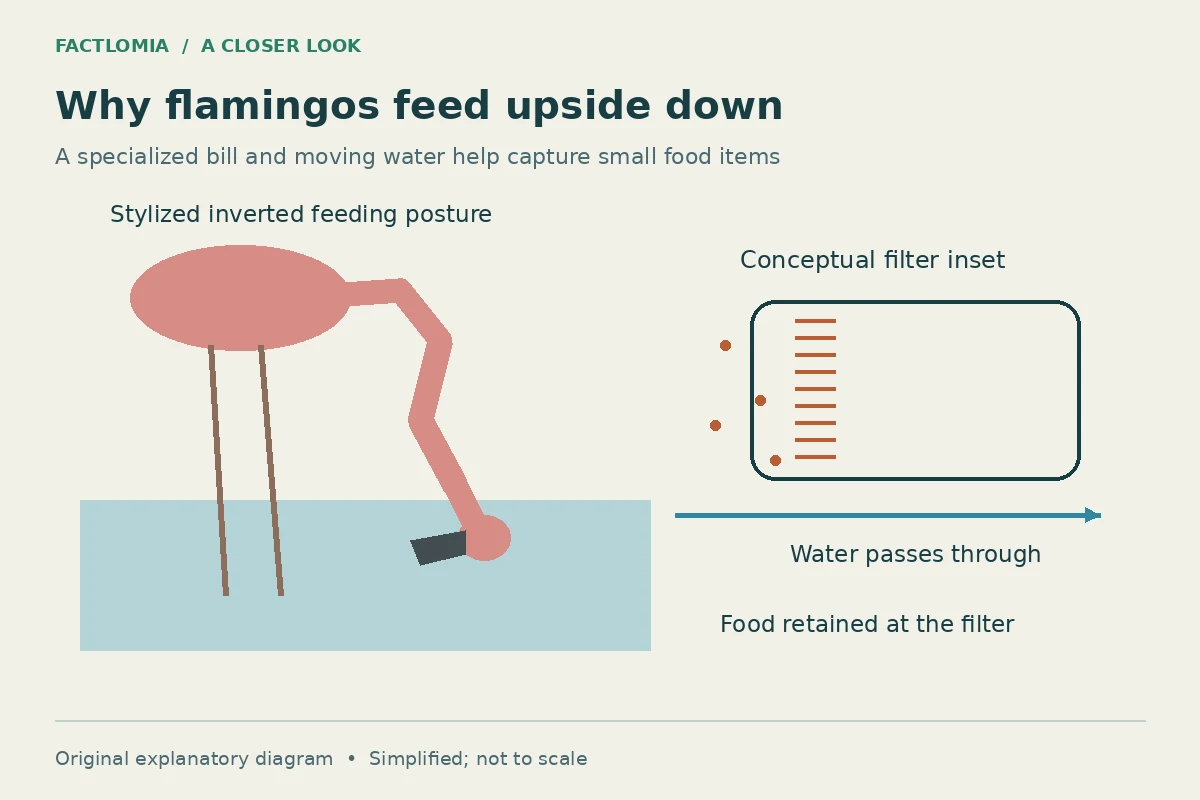
Flamingos feed with inverted heads using specialized bills, filters, and tongues. Learn how their anatomy and water-moving behaviors help capture food.
 Nature
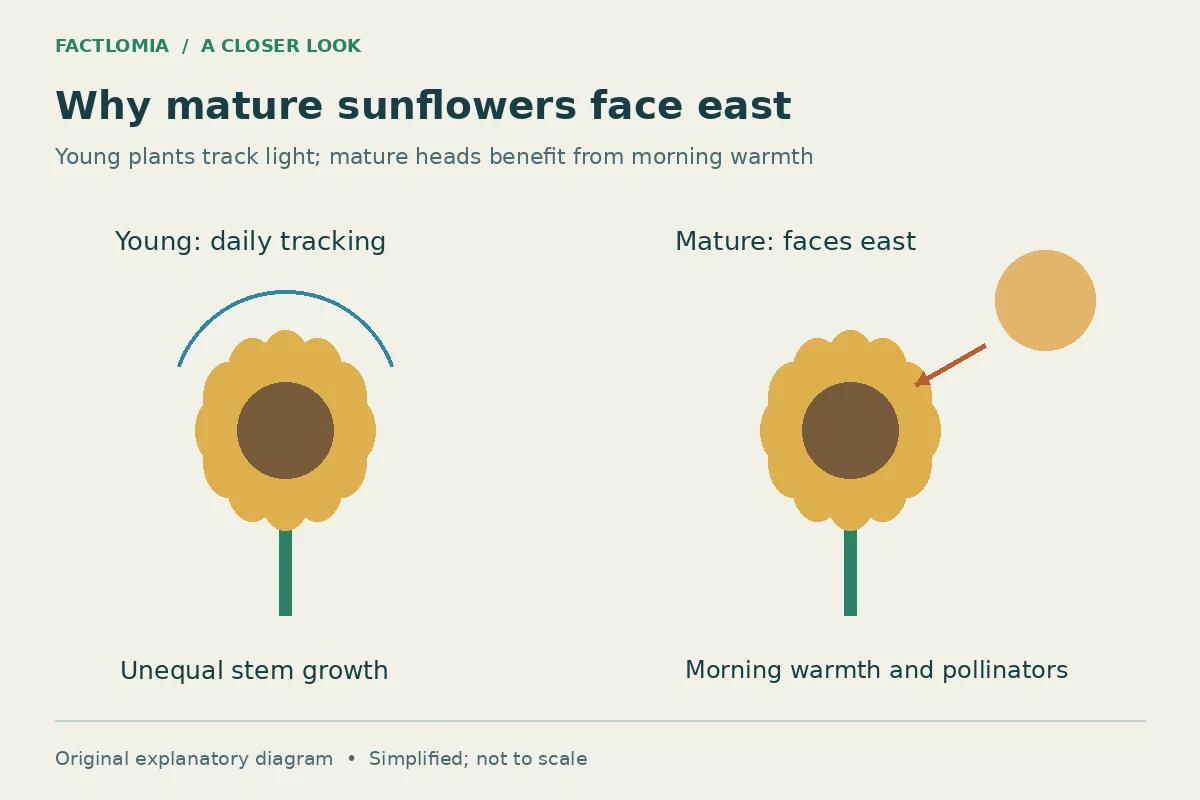
Young sunflowers track the Sun, but mature heads often face east. Learn how growth, circadian timing, morning warmth, and pollinators fit together.
 Nature
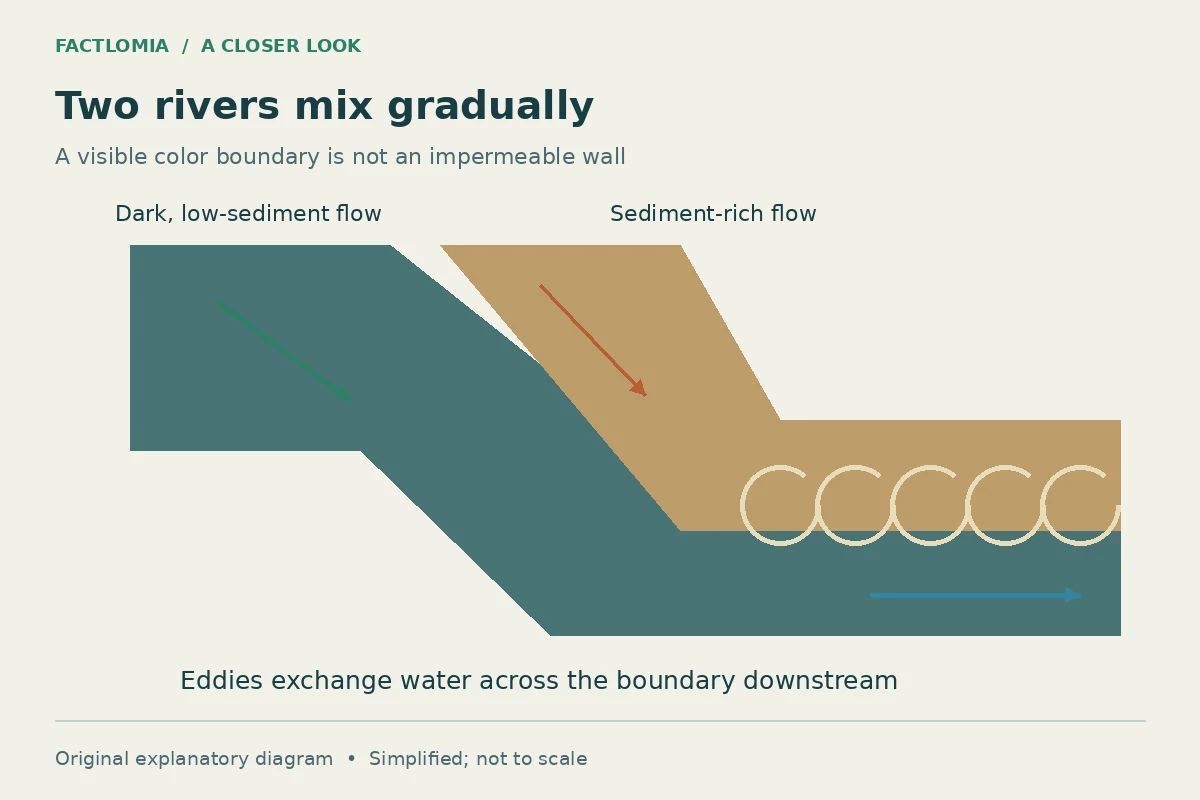
A sharp color boundary at a river confluence is temporary. Learn how sediment, flow, density, and turbulence shape the mixing of two streams.
 Nature
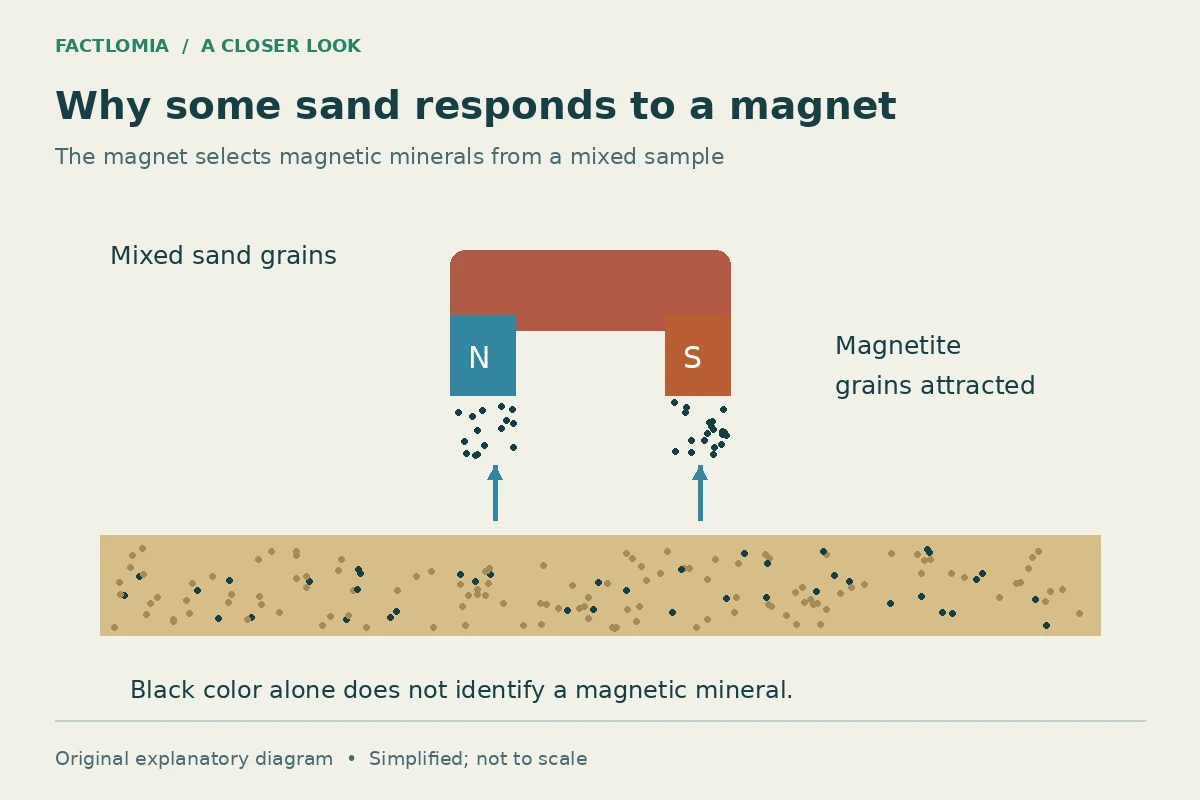
Some sand contains magnetite grains that a magnet can attract. Learn why dark streaks form and why black color alone does not identify a magnetic mineral.
 Science
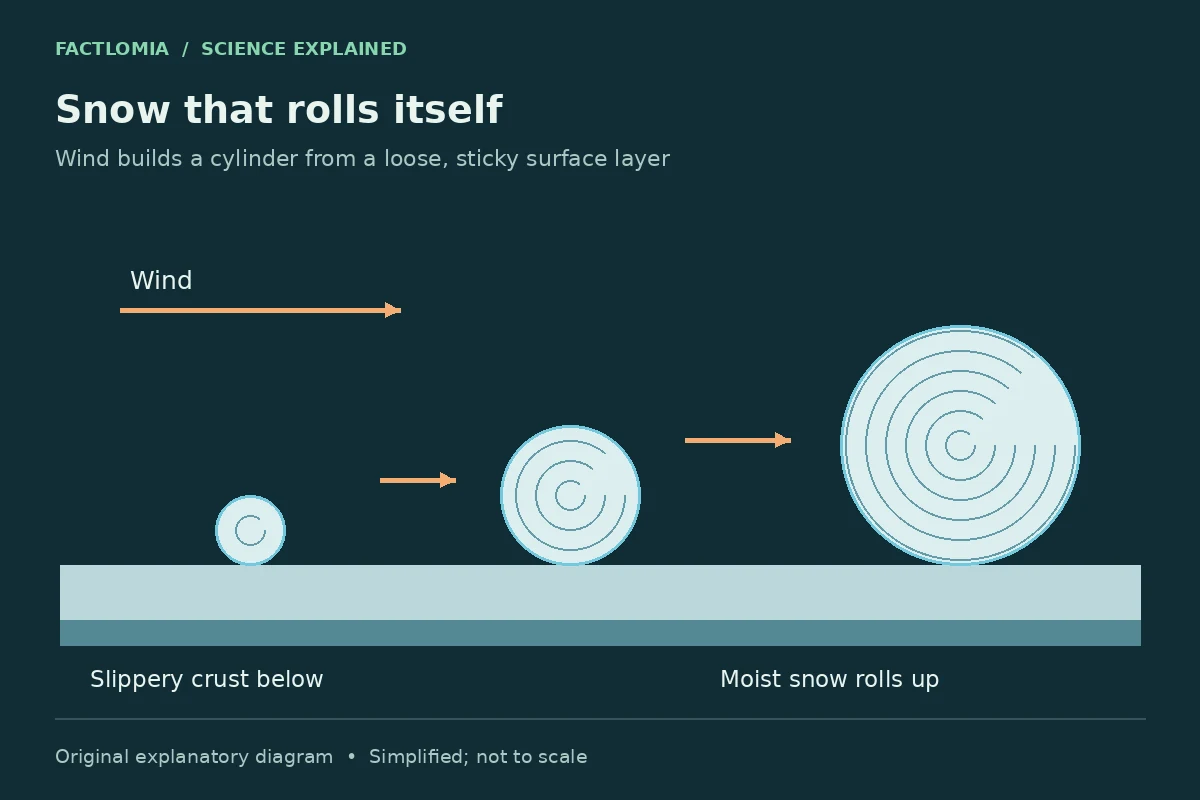
Snow rollers form when wind rolls sticky snow over a slippery surface. Learn the conditions behind these natural cylinders and their sometimes hollow centers.
 Nature
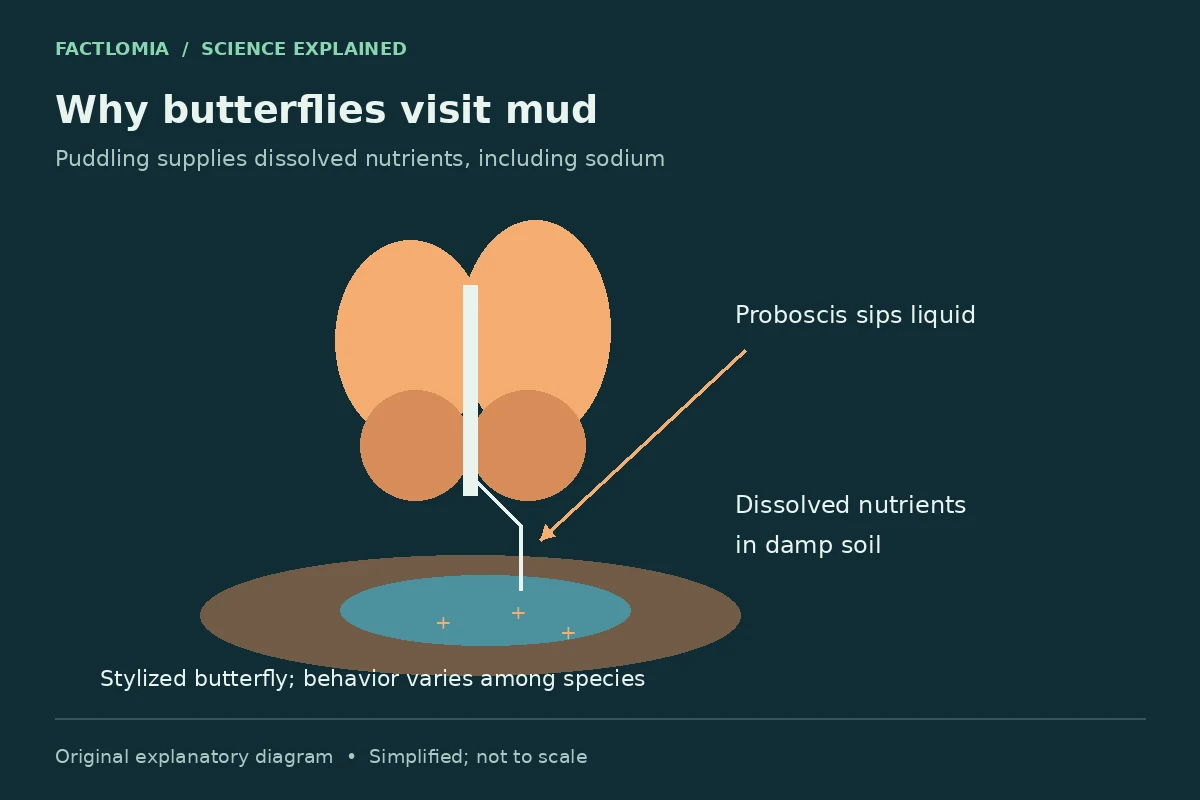
Butterfly puddling supplies dissolved nutrients such as sodium. Learn why mud can attract butterflies and why the explanation varies between species.
 Science
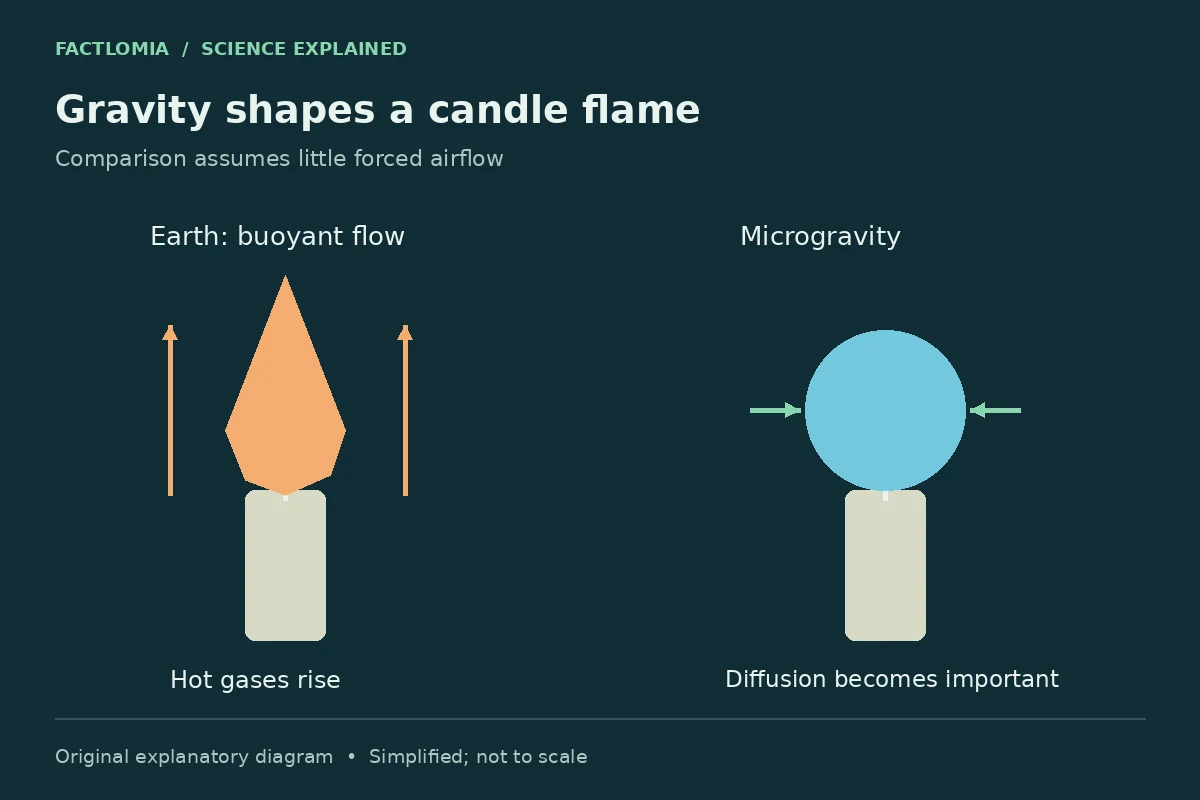
A candle flame rises because buoyancy drives hot gases upward. Compare an ordinary flame with a diffusion-fed flame in microgravity and learn the limits.
 Science
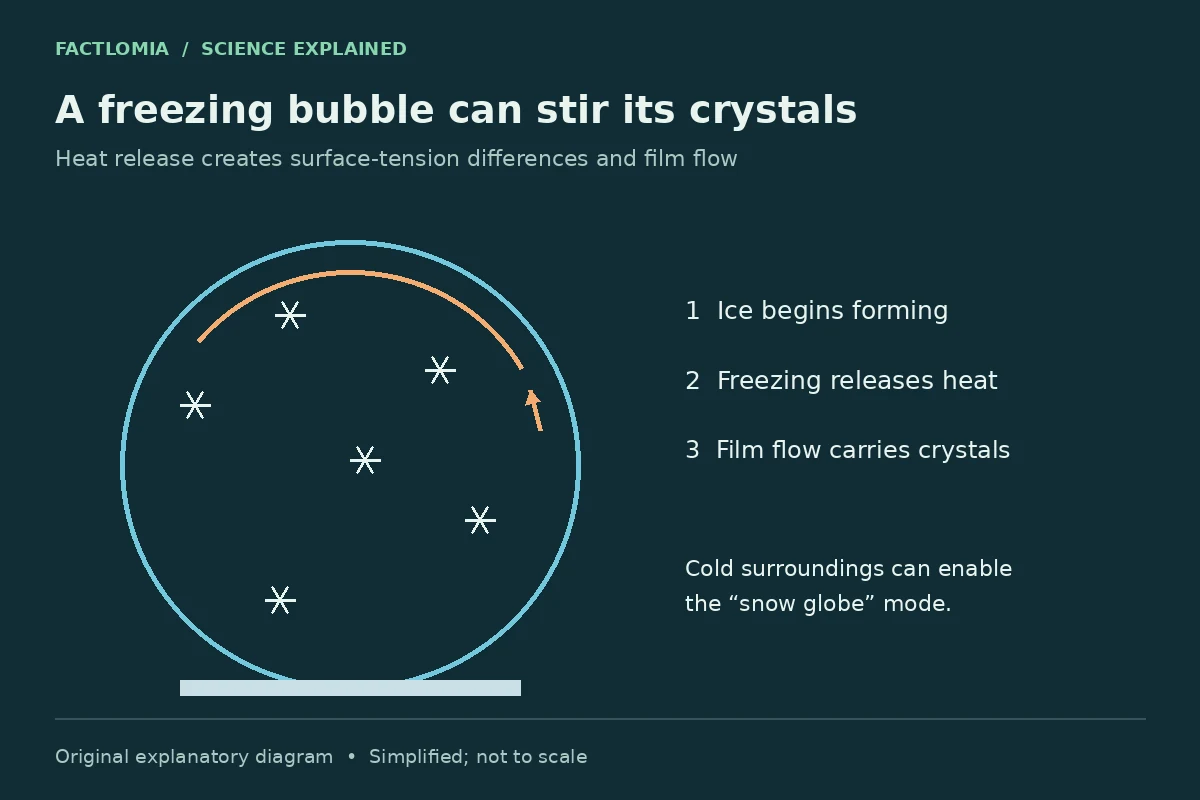
Freezing soap bubbles can move ice crystals through surface-tension-driven flow. Learn why cold surroundings create a different pattern from a cold base alone.
 Nature
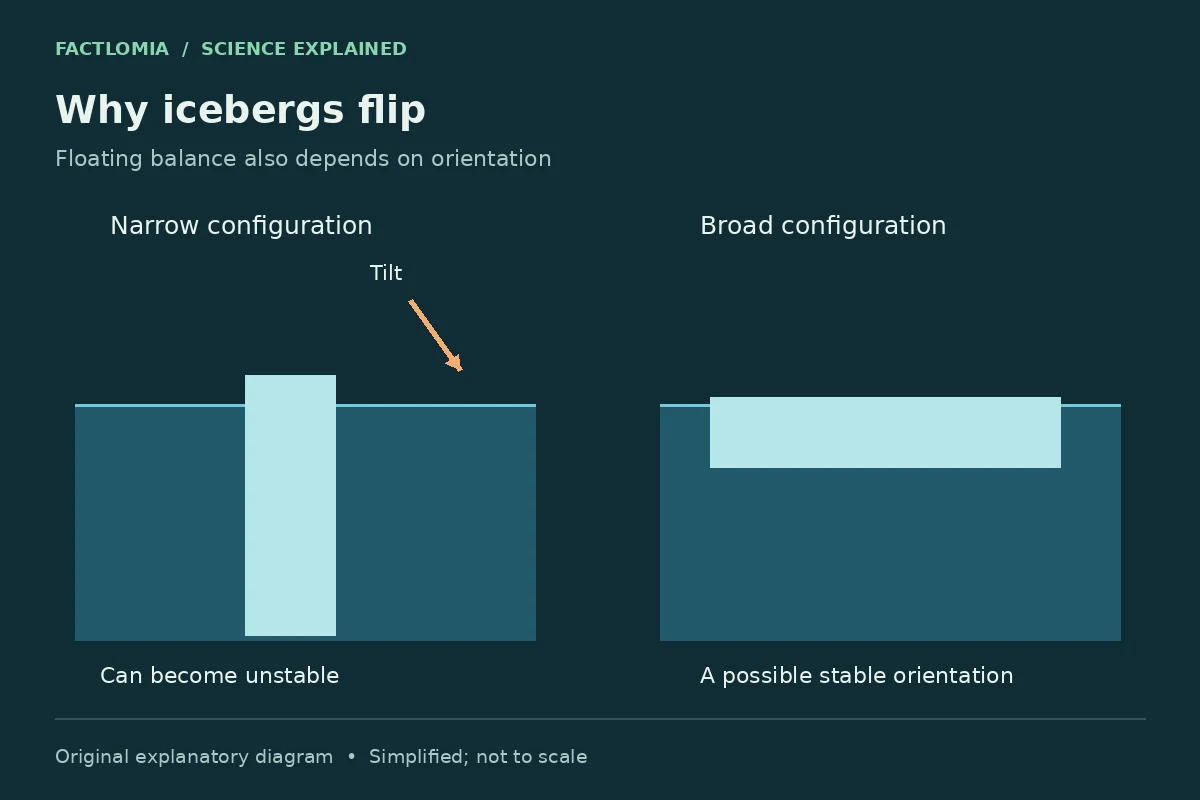
Icebergs can capsize as melting changes their shape and stability. Learn how gravity and buoyancy turn floating ice and why the visible tip can mislead.
 Nature
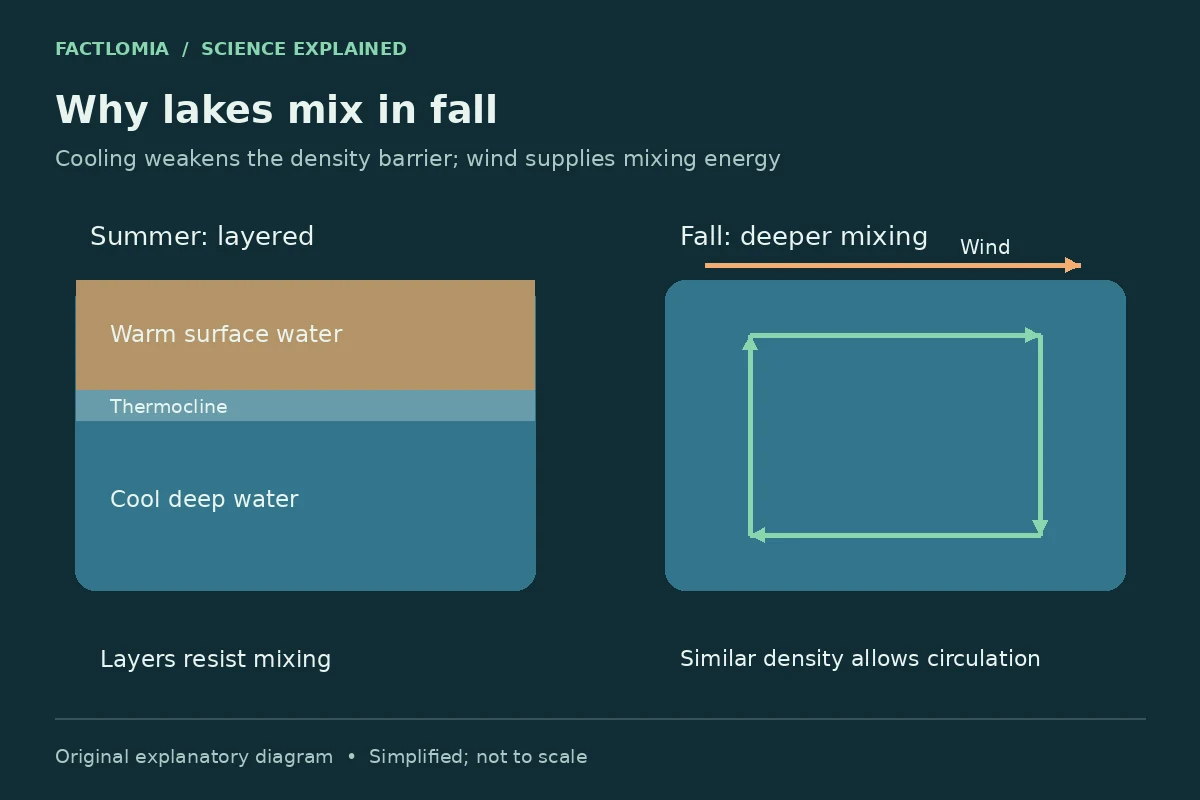
Fall lake turnover happens as cooling weakens water layers and wind mixes them. Learn what changes, why oxygen matters, and why not every lake behaves alike.
 Space
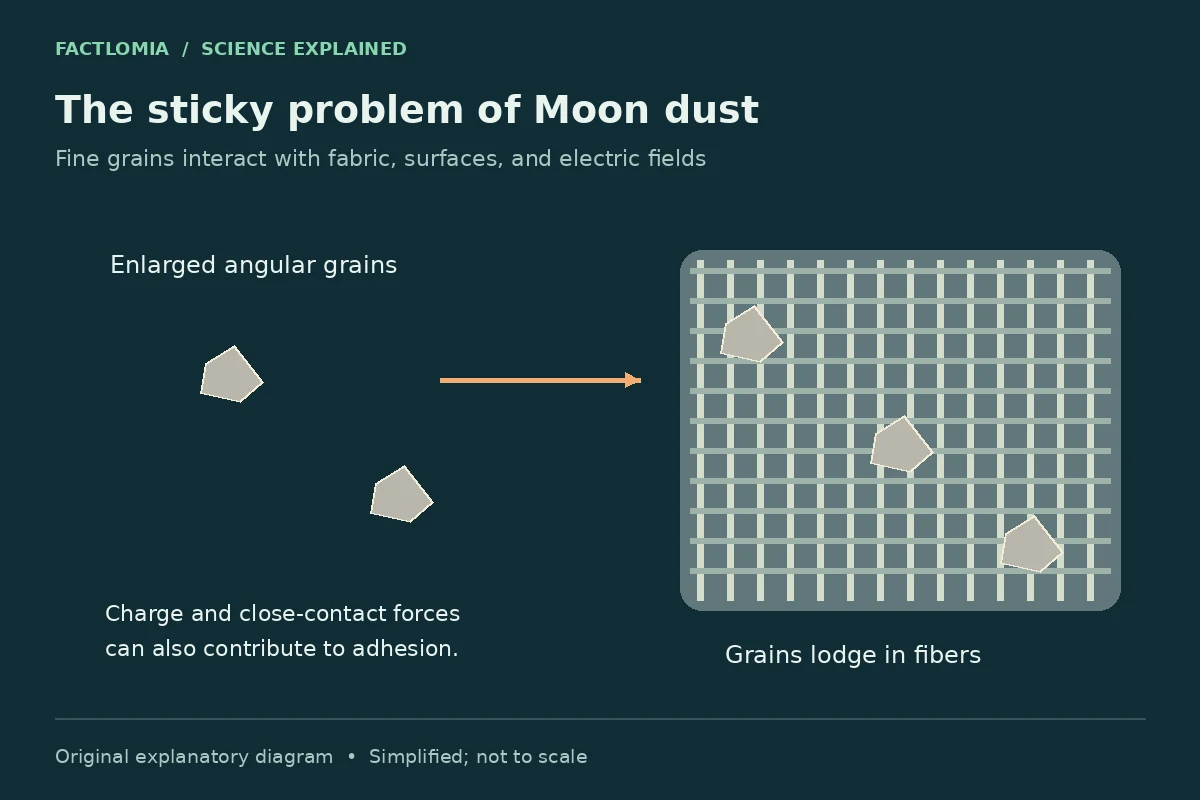
Moon dust clings to suits through fine grains, rough shapes, and surface forces. Learn why lunar dust differs from rounded Earth sand and why charge matters.
 Space
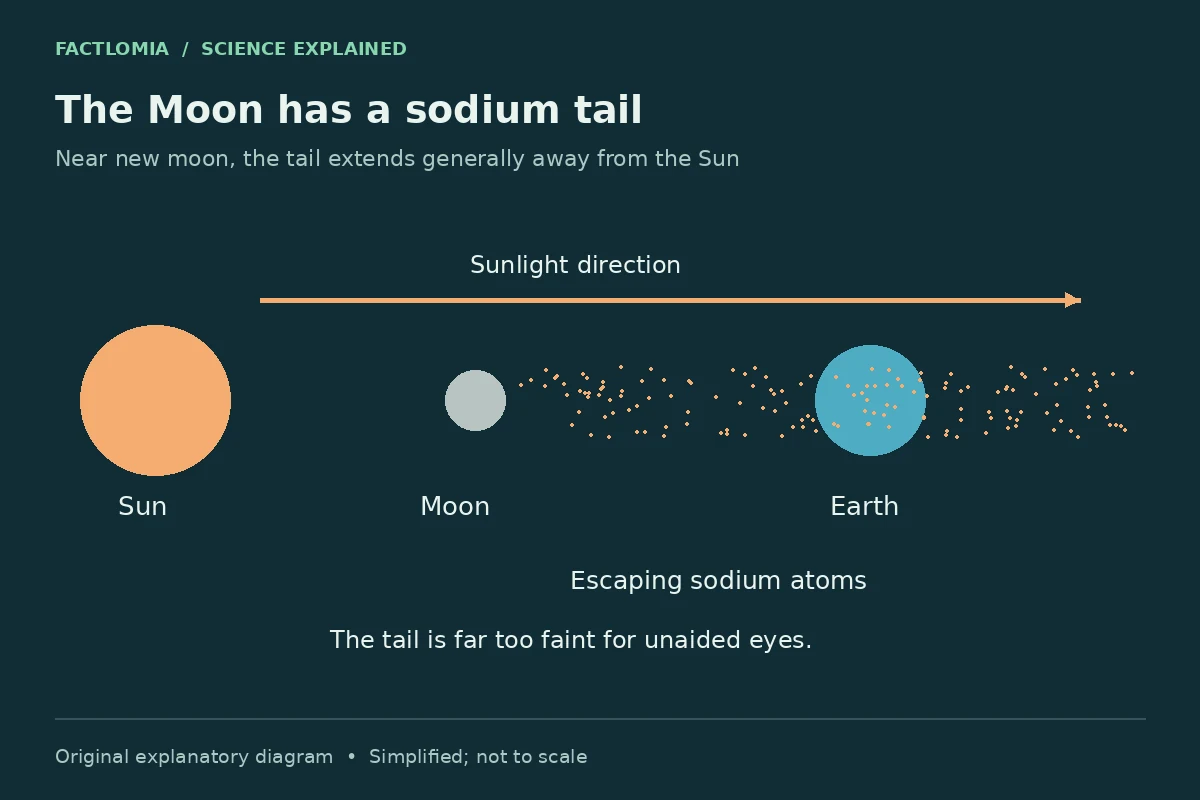
The Moon releases sodium atoms that sunlight pushes into a faint tail. Learn how astronomers detect it and why it is different from a visible comet tail.
 Nature
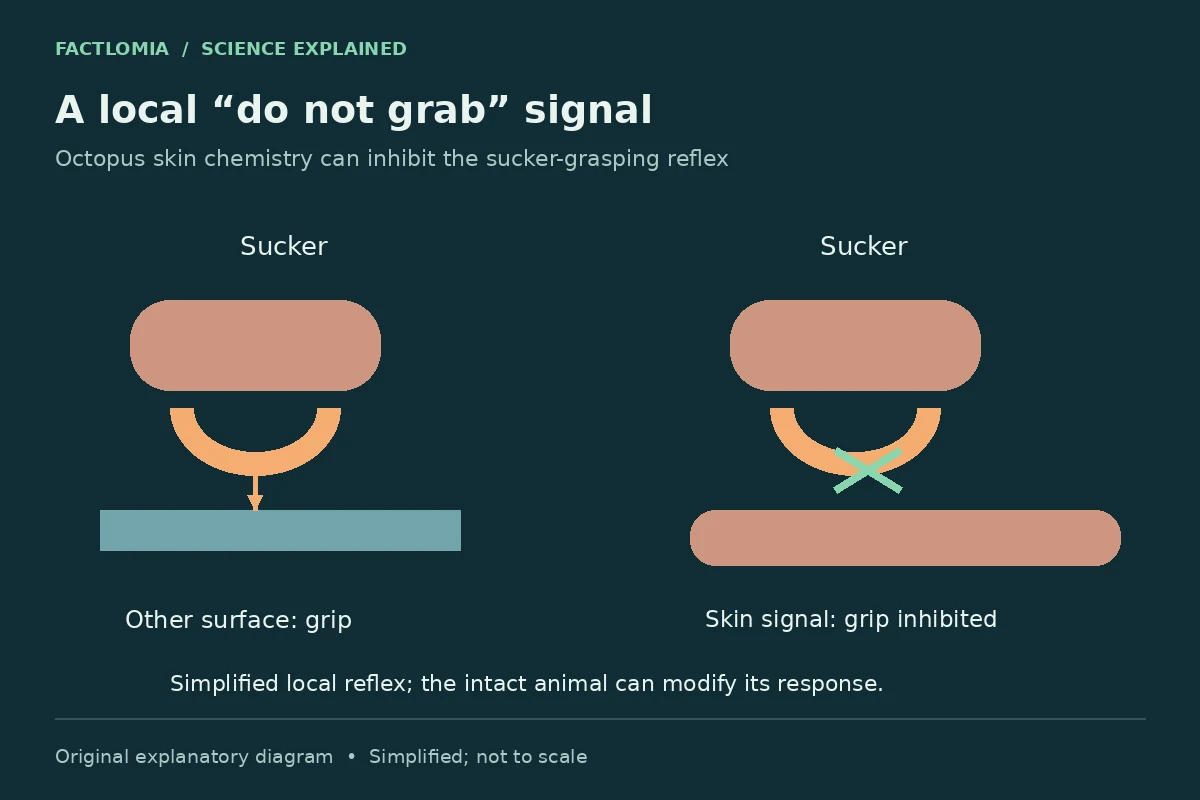
Octopus skin can inhibit the suckers’ grabbing reflex. Learn what controlled experiments found and why local self-avoidance is not the same as conscious recognition.
 Science
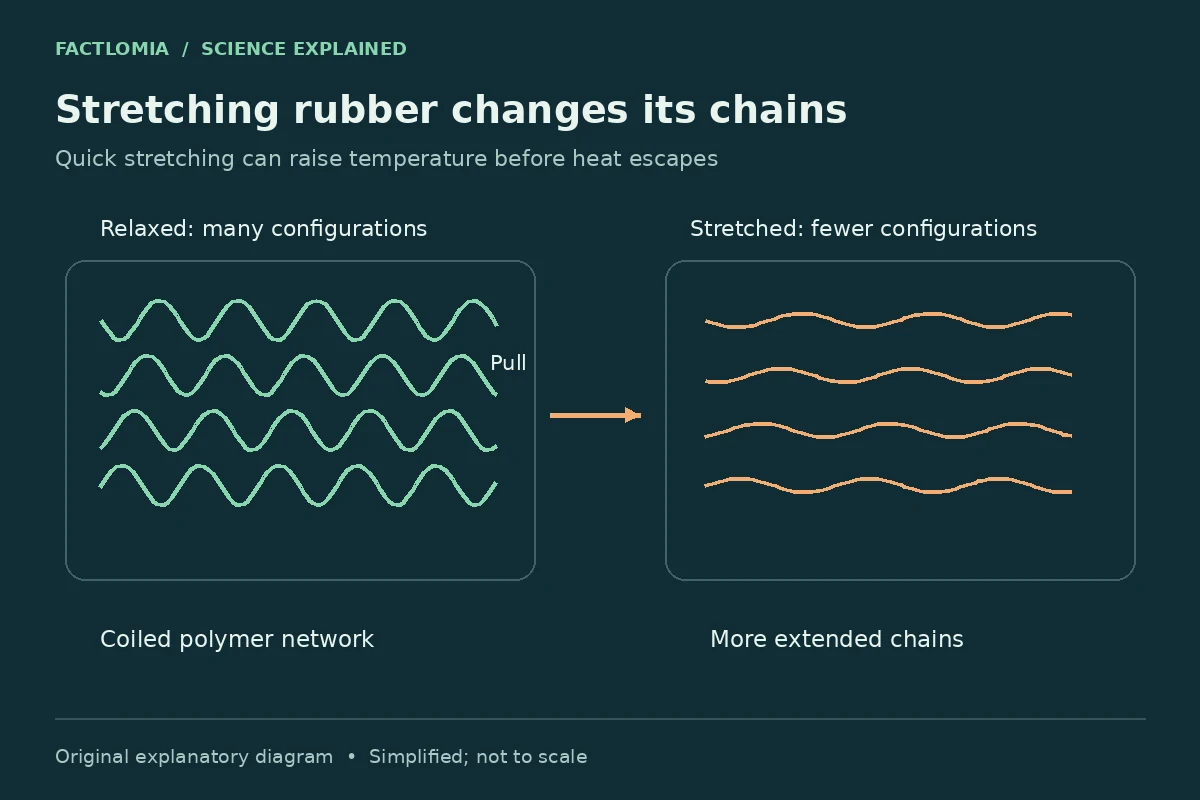
A quickly stretched rubber band can warm as its polymer chains rearrange. Understand entropy, cooling on release, and why stretching speed matters.
 Space
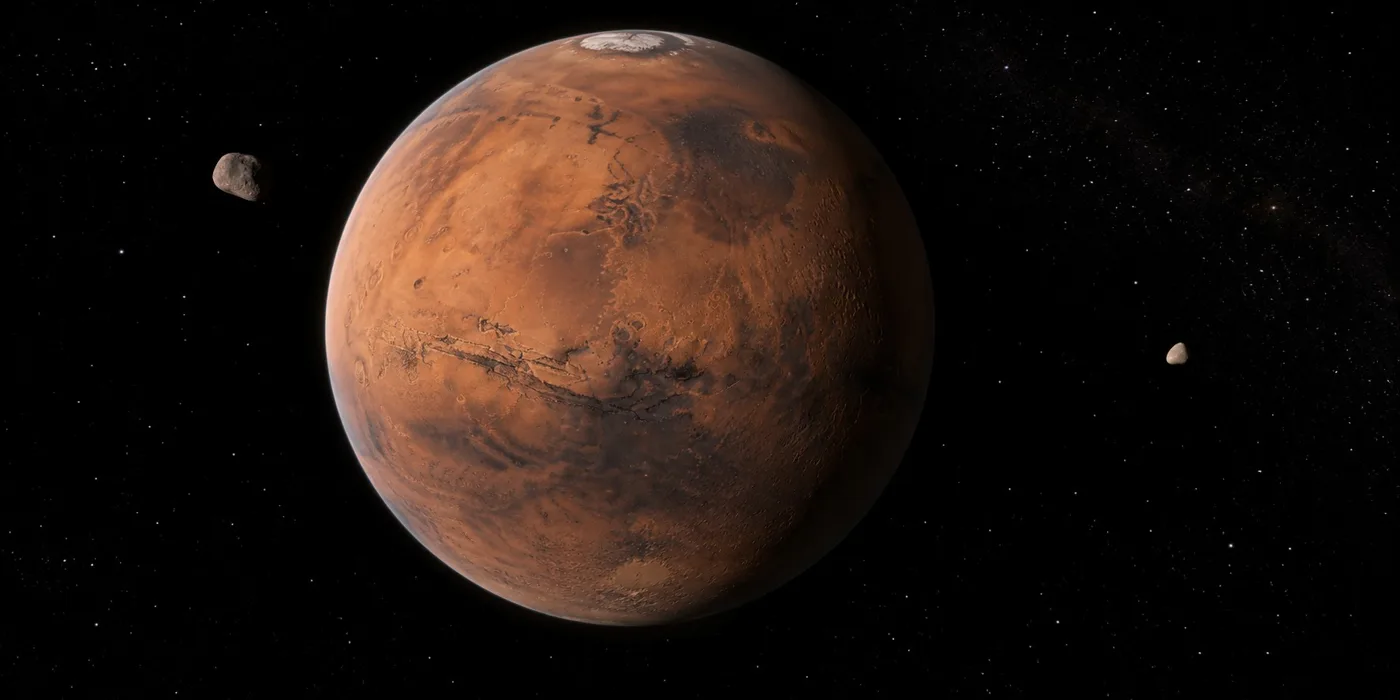
Mars has two small moons, Phobos and Deimos, but their origin is unresolved. They may be captured asteroids or debris from a large impact that gathered into orbit.
 Space
Most lunar craters formed when space rocks struck the Moon at high speed. The Moon preserves many because it has little weather or active surface recycling.
 Nature
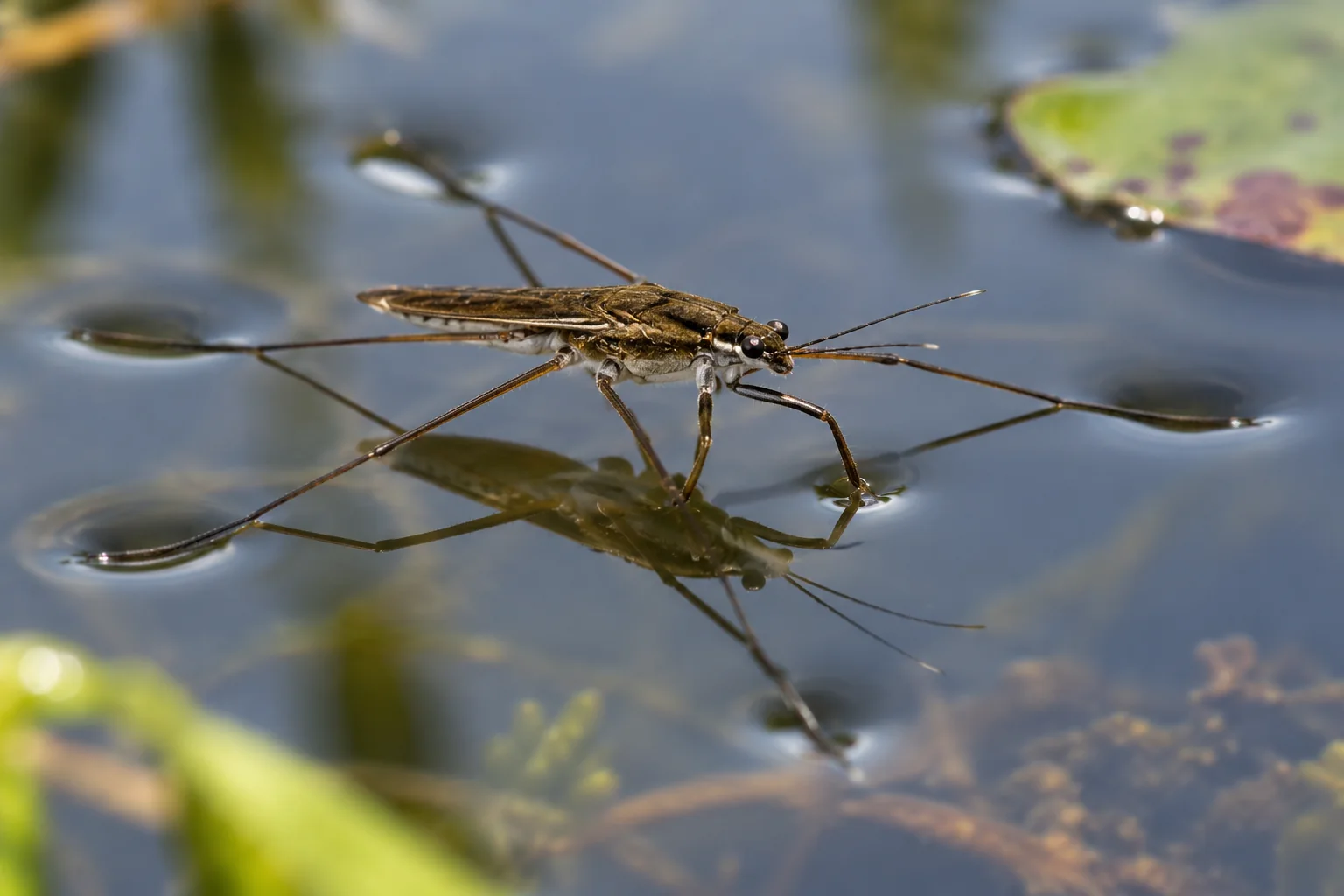
Water striders stay on the surface because their light bodies and water-repellent, finely textured legs spread their weight without breaking water’s surface.
 Science
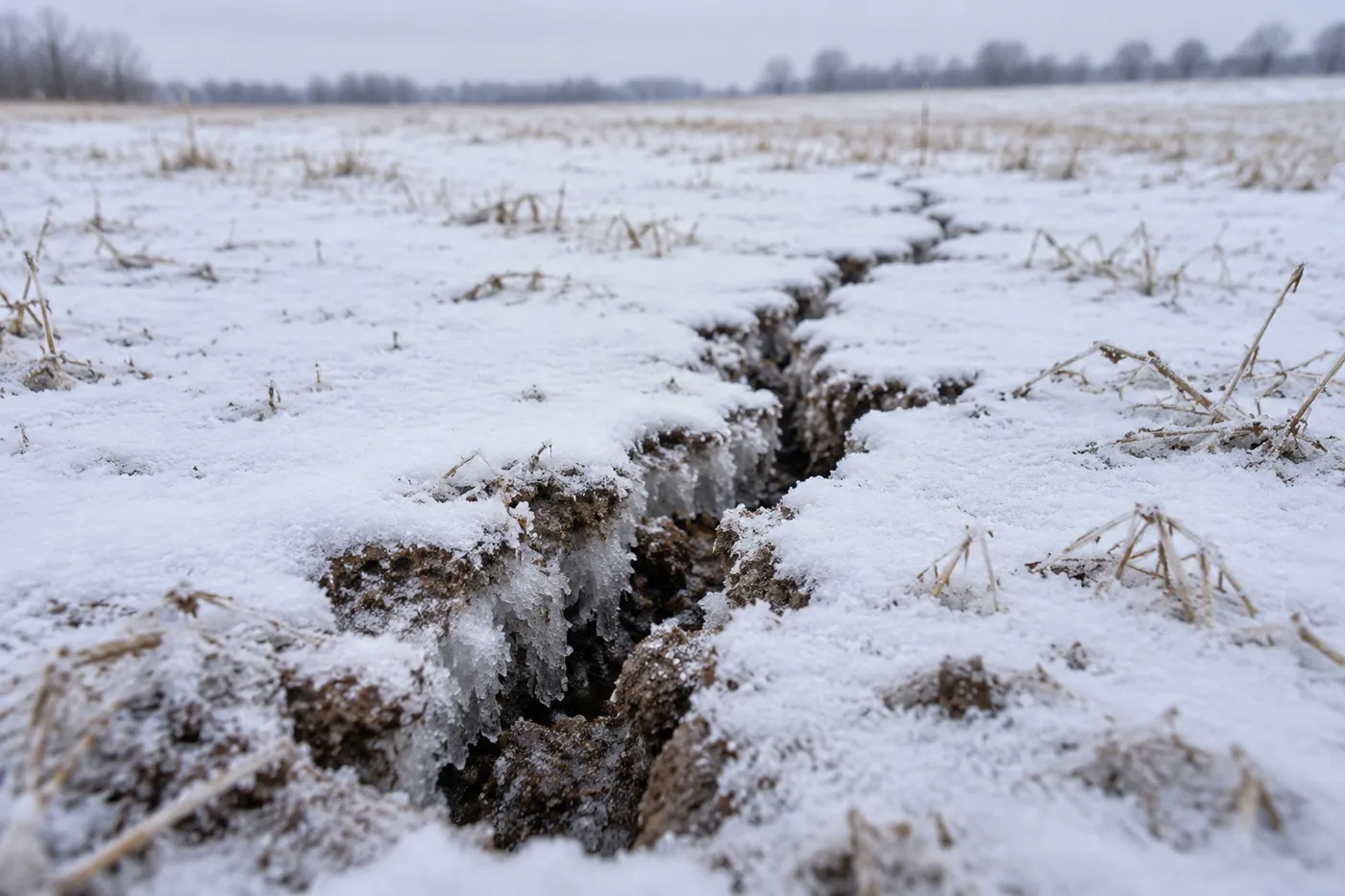
A frost quake, or cryoseism, is a sudden crack in frozen ground caused when water in soil freezes and expands. It can make a boom but is not a tectonic earthquake.
 Science
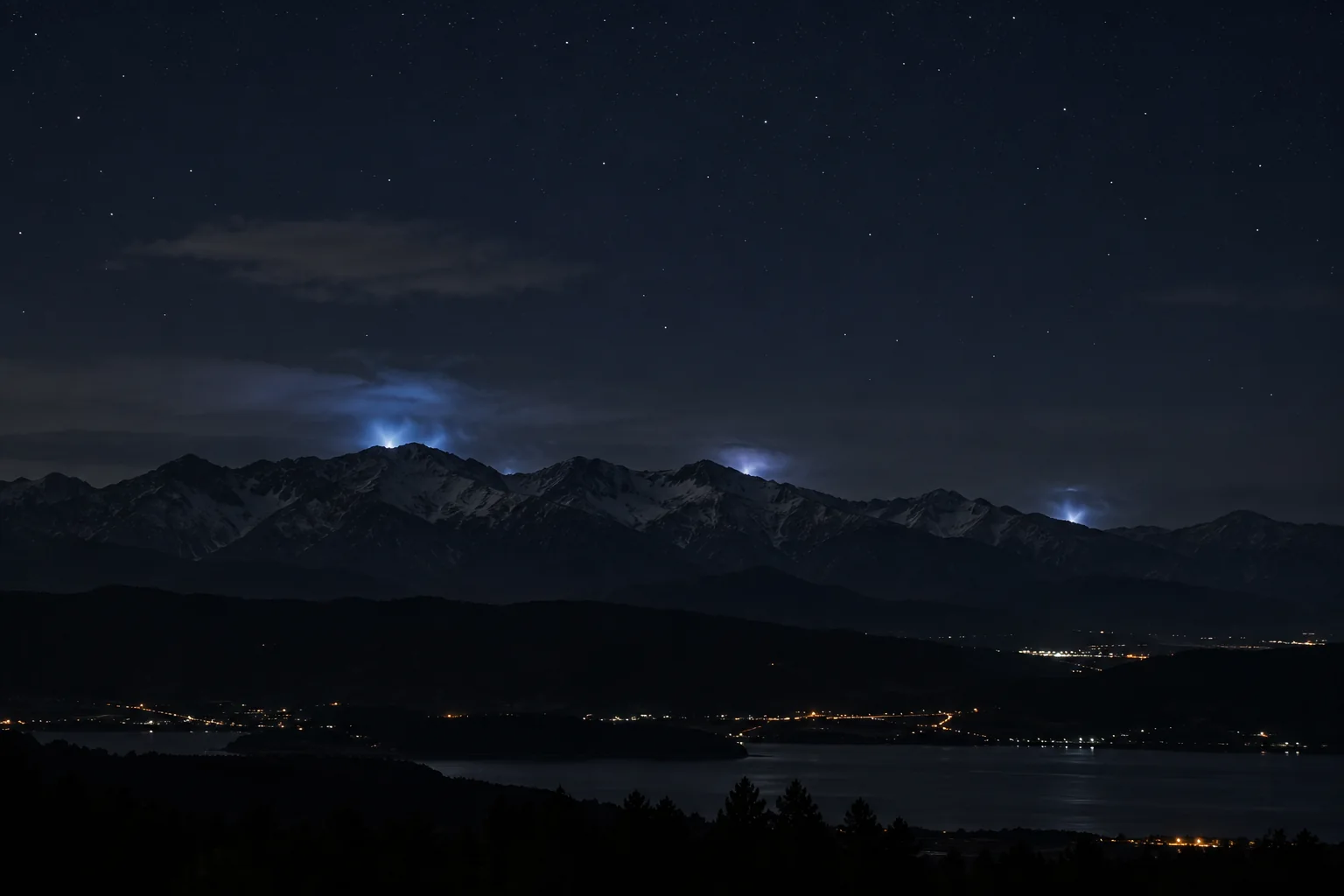
Earthquake lights are reported glows or flashes near some earthquakes. Reports are rare and hard to verify, and scientists have not established one explanation for every case.
 Science
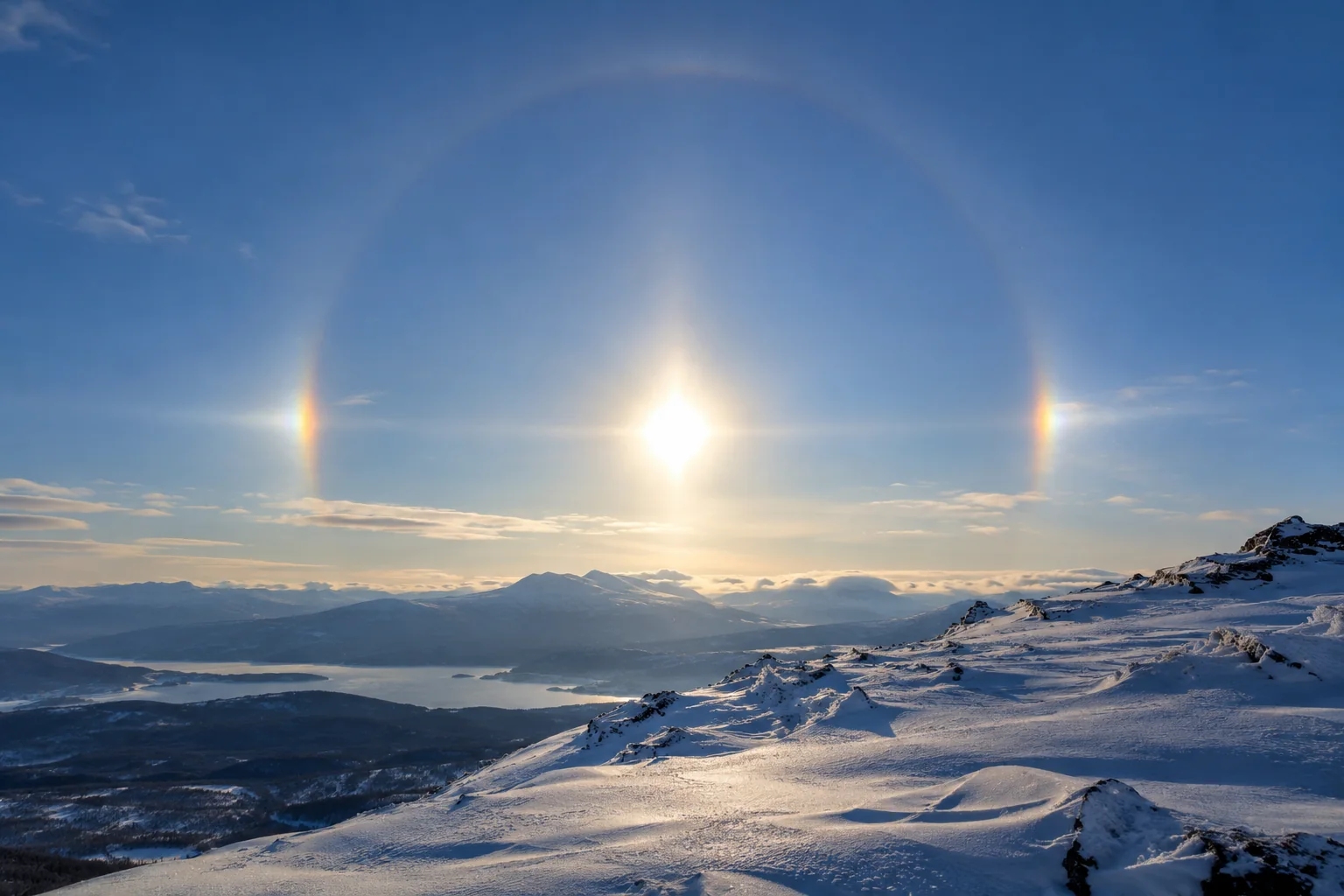
Sun dogs are bright spots that can appear beside the Sun when sunlight passes through oriented ice crystals in high clouds.
 Science
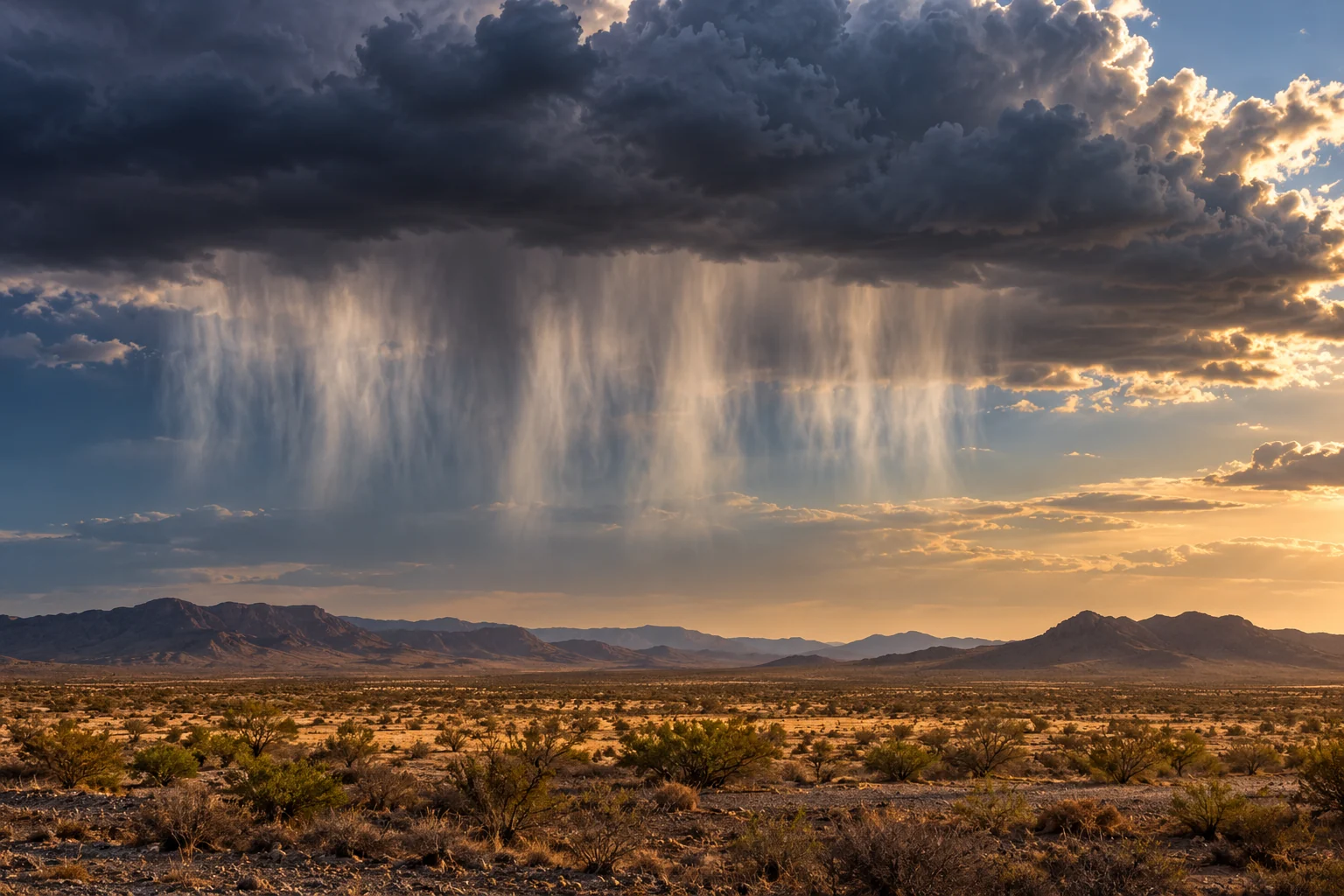
Virga is precipitation that falls from a cloud but evaporates or sublimates before reaching the surface. Learn why it forms and when it matters.
 Science
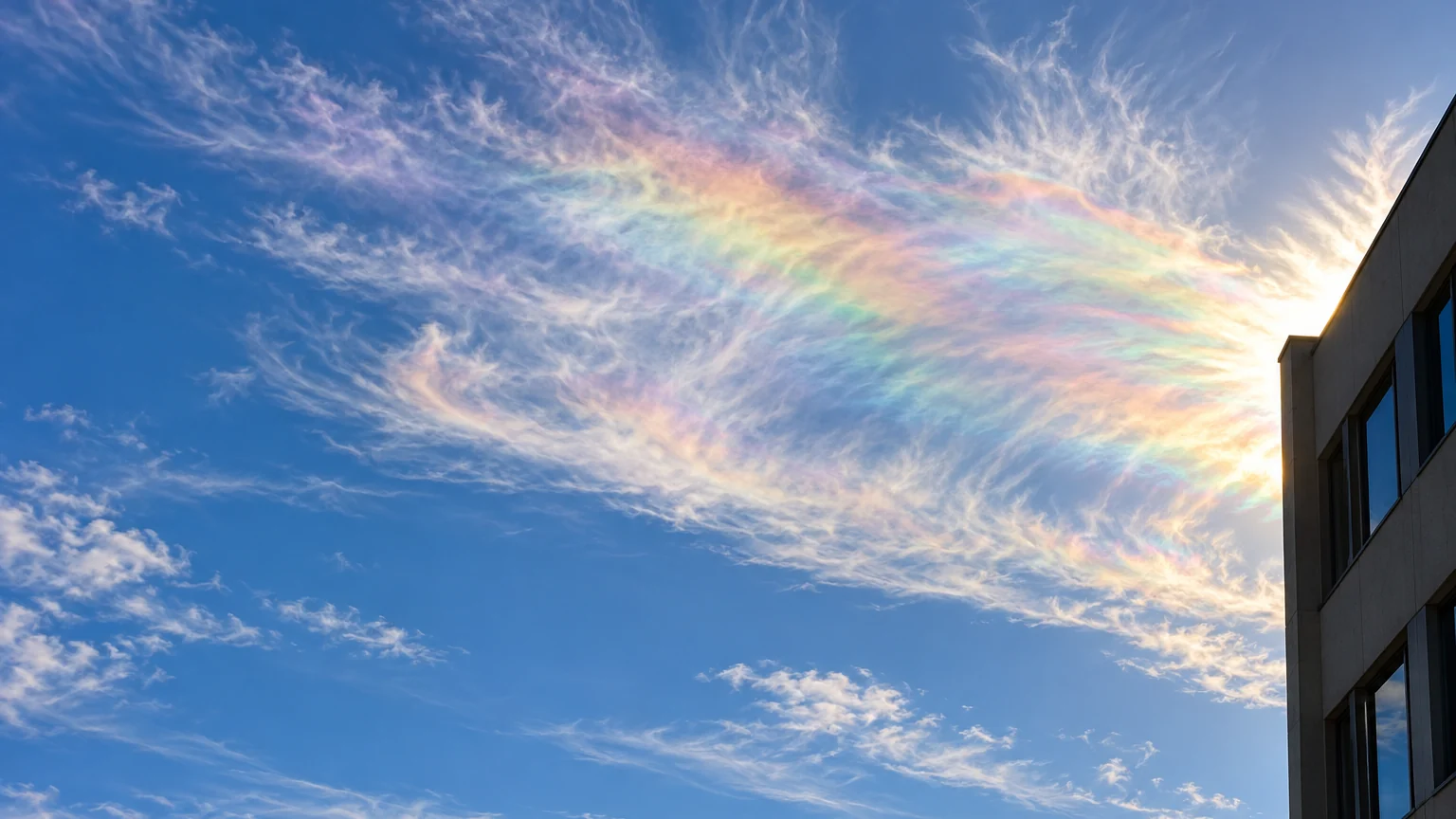
Some thin clouds show pastel bands because sunlight is diffracted by tiny, similarly sized droplets or ice crystals. This effect is called cloud iridescence.
 Science
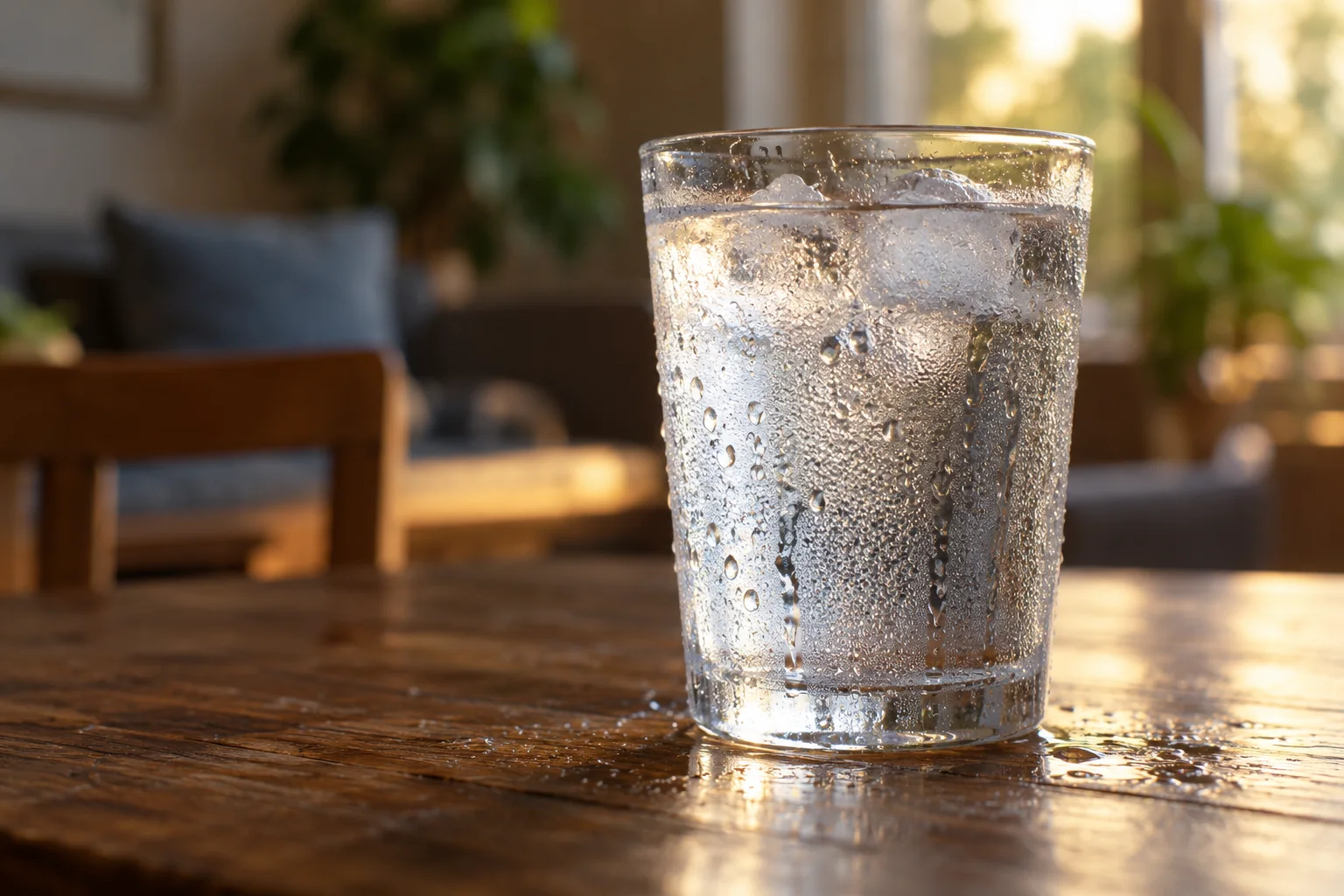
Water droplets on a cold glass come from water vapor in surrounding air. The cold surface cools nearby air, allowing vapor to condense into liquid.