
 Science
Can a Solar Eclipse Change the Weather?
A solar eclipse briefly reduces sunlight at the ground. Measurements show local cooling and sometimes wind changes, but effects depend on clouds, location and eclipse coverage.
Page 13 of 16 · Science, nature, space and history.
ScienceA solar eclipse briefly reduces sunlight at the ground. Measurements show local cooling and sometimes wind changes, but effects depend on clouds, location and eclipse coverage.
 Science
Moonlight contains sunlight reflected from the Moon, so a photovoltaic cell can respond to it. The light is so faint that useful power is tiny compared with daytime solar generation.
 Space
Some observers and researchers have recorded faint clicks or crackles during auroral activity. Evidence points to a possible near-ground sound source, not sound travelling from space.
 Science
Hot water can begin freezing before cooler water under some carefully controlled conditions, but it is not a universal rule. The result depends on what ‘freezing’ means and on the setup.
 Science
Very clean, still water can remain liquid below its normal freezing point. Ice usually starts when a crystal or other nucleation site gives it a place to form.
 Nature
Bats combine echolocation, flight adjustments and information from other senses to navigate crowded spaces. Their system is impressive, but not infallible.
 Nature
Plants use gravity as a growth cue. Gravity-sensitive cells help roots grow downward and shoots upward through a chain of cellular signals and unequal growth.
 Nature
Sea turtles can use magnetic information as a compass and, in some contexts, as a map. Research supports magnetic imprinting, alongside other navigation cues.
 Nature
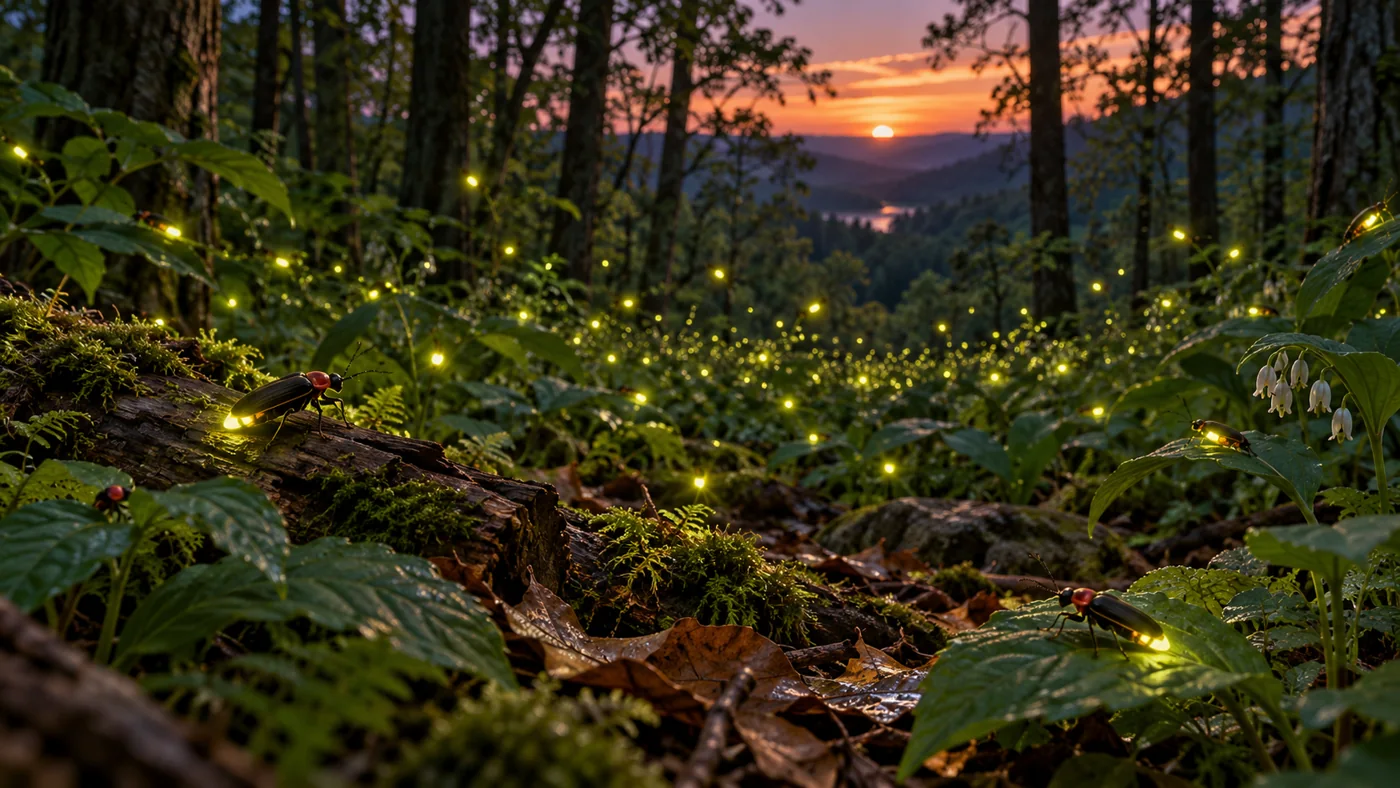
In some firefly species, males coordinate flashes through local interactions. Synchrony can help courtship signals stand out, but not all fireflies flash together.
 Science
A phantom vibration is a brief false sensation that a phone buzzed. It is commonly reported and is often linked to attention, expectation and ambiguous touch signals.
 Science
LEDs can pulse faster than the eye notices. A camera’s exposure and rolling-shutter timing may capture those pulses as flicker or dark bands.
 Science
Cold slows reactions inside lithium-ion batteries and can temporarily reduce the power available to a phone. The displayed charge may recover as the device warms.
 Science
An earworm is a tune that repeats in the mind without being played aloud. Familiarity, recent exposure and catchy musical patterns can make one more likely.
 Science
Music can trigger an emotional response involving anticipation, reward and the body’s automatic nervous system. The reaction varies from person to person.
 Science
A green-looking storm sky is an atmospheric light effect, not a reliable tornado warning. Scientists have proposed explanations, but the color is not fully understood.
 Space
Moonquakes can keep shaking the lunar surface far longer than many earthquakes. The Moon’s dry, fractured rock helps seismic waves travel and reverberate with less damping.
 Nature
Understand deep-sea bioluminescence, the luciferin reaction, and how glowing fish and squid use blue-green light to hunt, hide, and communicate.
 Nature
See how octopuses use nerve-controlled chromatophores, reflective skin cells, and changing skin texture to camouflage themselves in mere moments.
 Nature
Discover how wood frogs survive winter freezing with protective glucose, urea, and controlled ice formation—and why a frozen frog is not dead.
 Space
Learn why the Moon shakes: Earth’s tidal pull, a cooling lunar crust, meteorite impacts, and daily temperature changes can all create moonquakes.
 Space
Discover why Mars can have blue sunsets, how fine Martian dust scatters sunlight, and what calibrated NASA rover images reveal about the Red Planet’s sky.
 Nature
Find out why thick glacier ice looks blue while fresh snow looks white, with a simple explanation of light absorption, bubbles, and ice depth.
 Science
Learn why salt flats develop striking polygon patterns and how slow groundwater convection, evaporation, and dense brine shape dry desert crusts.
 Nature
Explore the microbes and pigments behind pink lakes, why salty water turns rosy, and how heavy rainfall can make their spectacular color disappear.