
 Nature
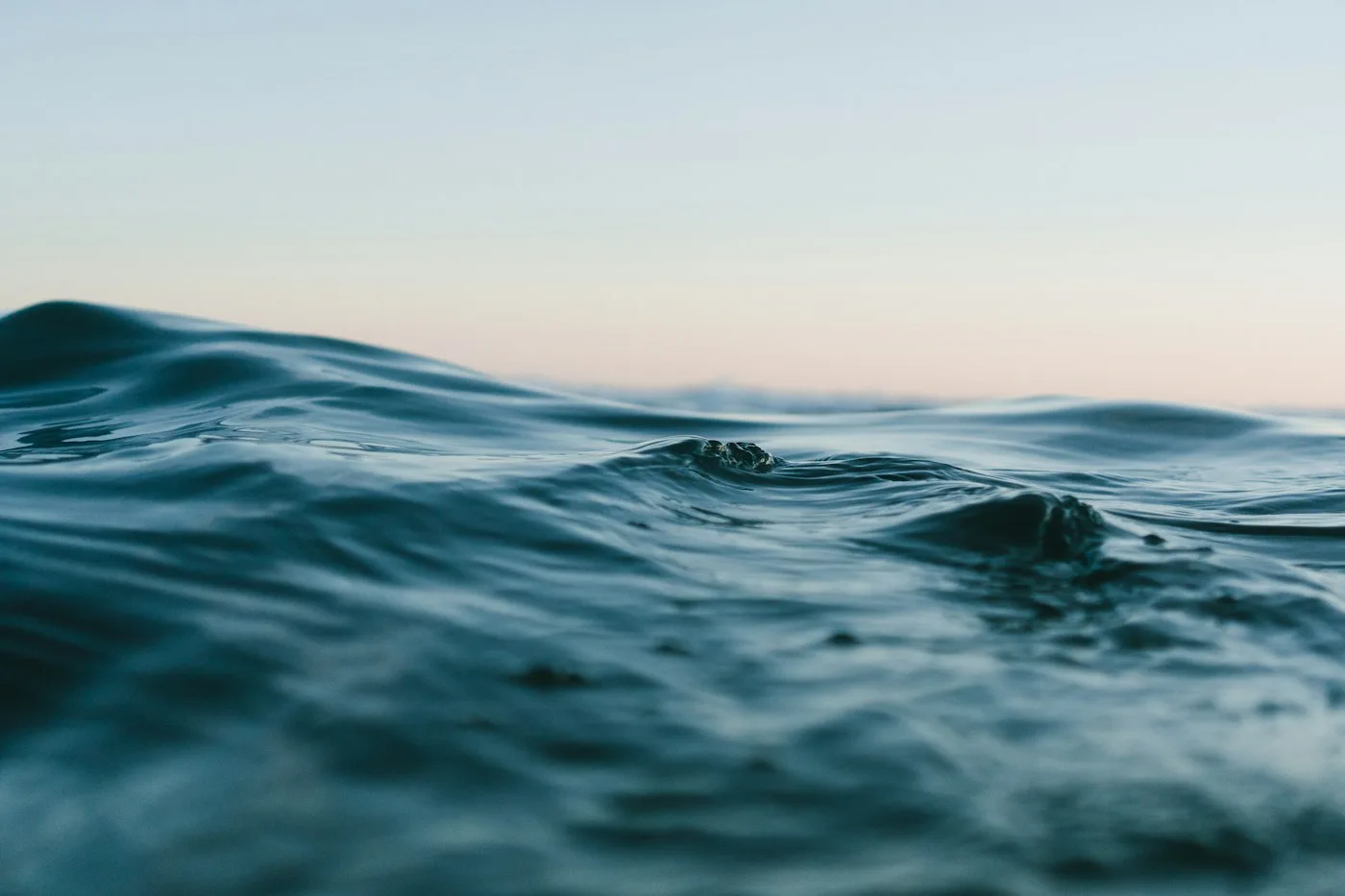
Why is the ocean blue? Water, sunlight and changing colours
The ocean is not blue only because it reflects the sky. Learn how water absorbs light and why sediment, algae and shallow sand change its colour.
Oceans, living landscapes and the world around us. Start with a question below, then follow the evidence and further reading.
NatureThe ocean is not blue only because it reflects the sky. Learn how water absorbs light and why sediment, algae and shallow sand change its colour.
NatureTrace ocean salt from weathered rocks to rivers and the seafloor. Understand why evaporation leaves salts behind and what 35 parts per thousand means.
NatureClouds seem to defy gravity, but their tiny droplets, rising air and slow falling speed explain why they remain suspended.
 Nature
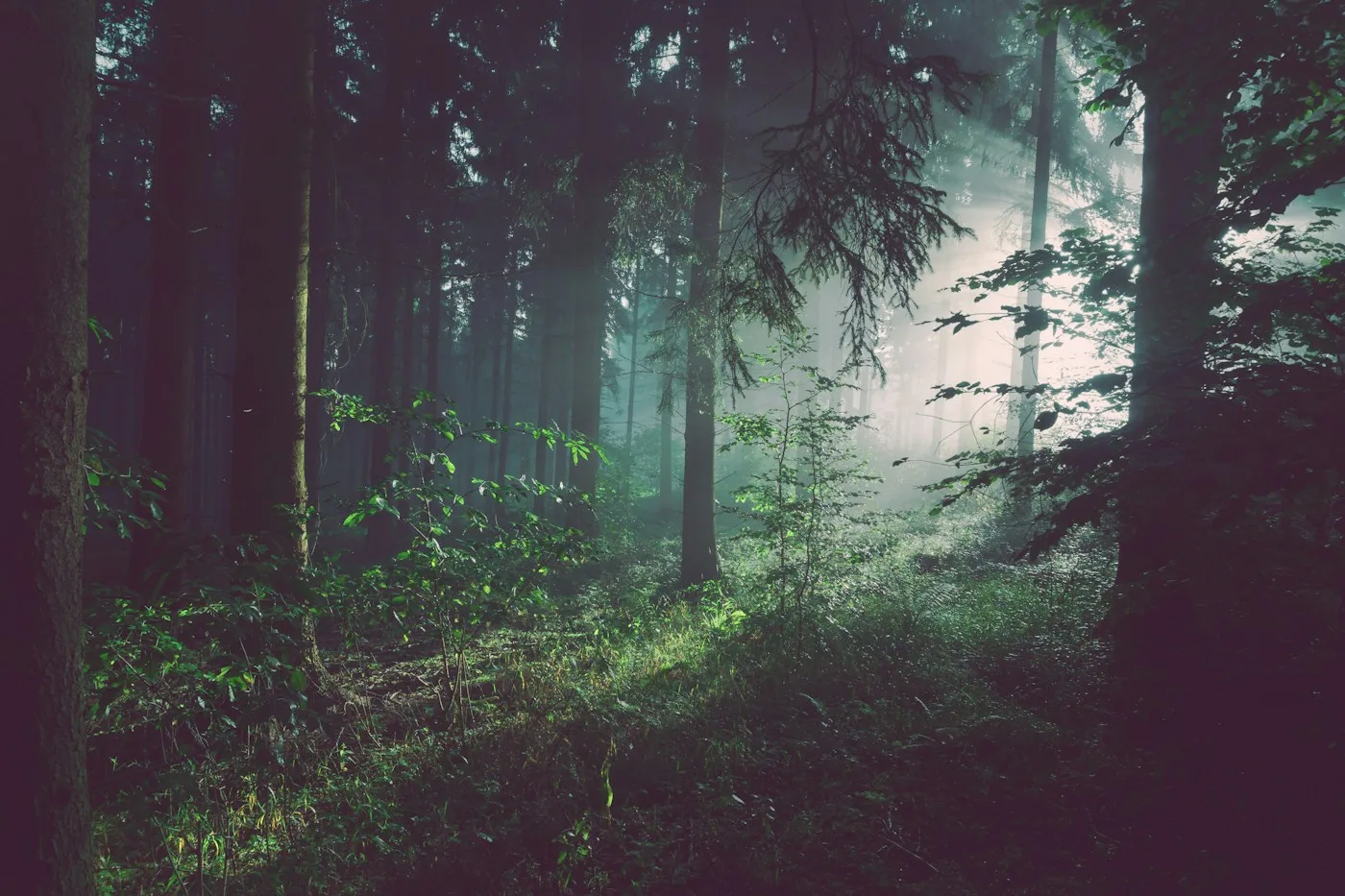
That earthy smell has a name: petrichor. Learn how plant oils, soil compounds and raindrops create the scent people notice before or during rain.
NatureWhales must keep breathing consciously. Their unusual sleep strategy lets them rest while staying able to surface for air.
 Nature
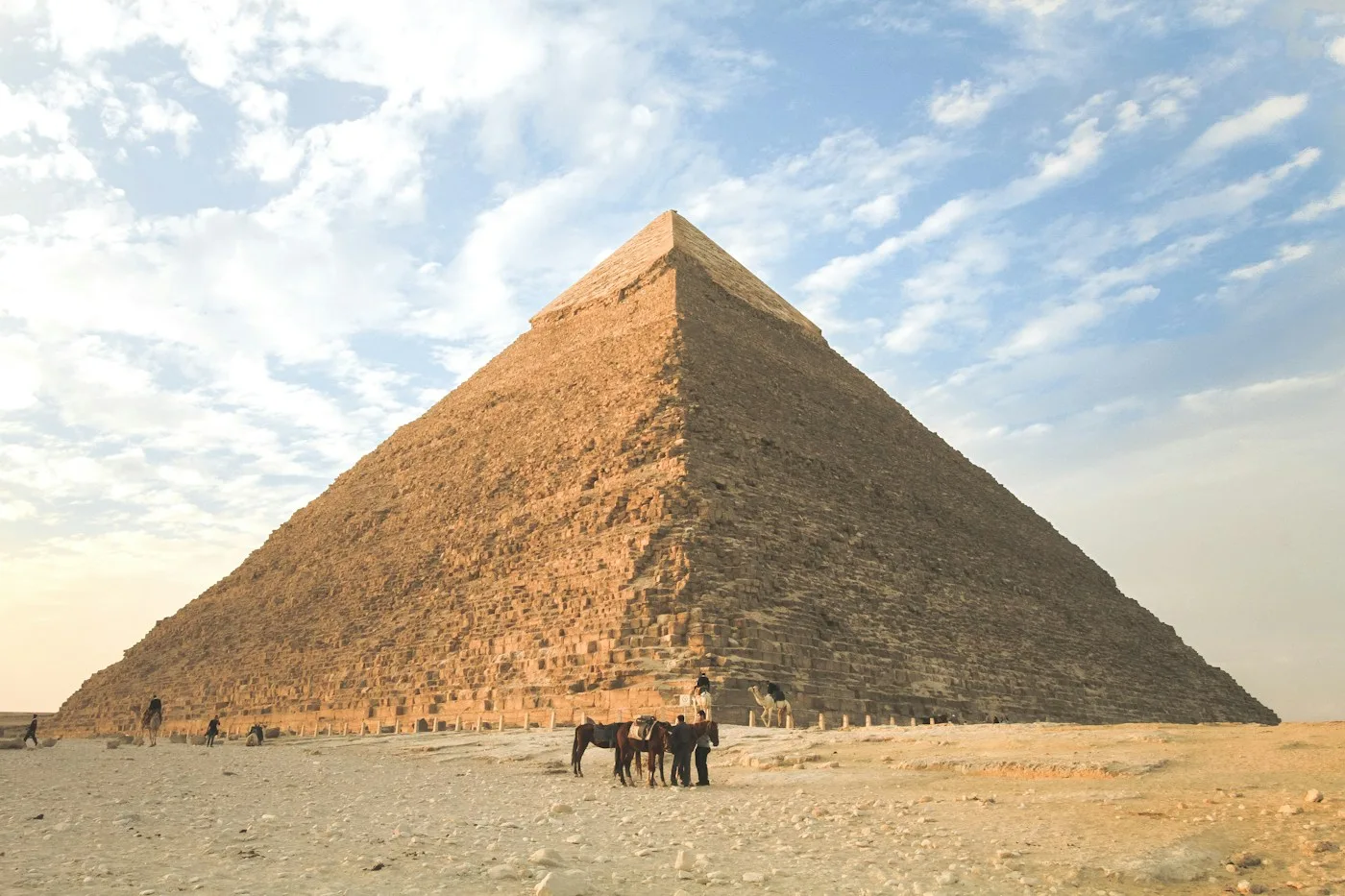
A desert can be scorching by day and surprisingly cold after sunset. Low humidity, clear skies and sparse vegetation explain the rapid change.
NatureRare volcanic lakes can hold enormous amounts of dissolved carbon dioxide. A sudden disturbance may let the gas escape in a dangerous overturn.
NatureSome birds, insects and other animals detect ultraviolet wavelengths that humans cannot see. Learn what this hidden information is used for.
NatureGreen chlorophyll breaks down as daylight and temperature change. Other pigments become visible, while some leaves manufacture red pigments before falling.
NatureA reflective layer behind the retina sends unused light back through the eye, increasing sensitivity. It also creates the visible eye-shine seen in headlights or a camera flash.
NatureMagma rises because it is buoyant and contains expanding gases. Pressure, fractures and magma supply determine whether an eruption is gentle or explosive.
NatureThe Moon’s gravity pulls unevenly on Earth’s oceans, while the Sun adds a smaller effect. Earth’s rotation carries coastlines through bulges and tidal basins.
NatureHoney is low in available water, acidic and rich in sugars. Those conditions slow or stop many microbes, although contamination and moisture can change its stability.
NatureMany bats emit ultrasonic calls and analyse returning echoes. Timing and frequency changes reveal distance, shape and movement even when vision is limited.
NatureWind creates waves, but a swell can travel far beyond the storm that made it. Learn how wave energy moves through water.
NatureFireflies use a chemical reaction in specialised organs. Oxygen, enzymes and a molecule called luciferin create flashes used for communication.
NatureLarge migrating birds can save energy by positioning themselves in the upwash from a neighbour’s wings. The lead position rotates because it is more demanding.
NatureStripe patterns may reduce biting flies and help zebras recognise one another. Their benefits are ecological, not a simple camouflage trick.
NatureTucking one leg under the body reduces heat loss and may require surprisingly little muscular effort. The habit is not caused by salty water alone.
NatureRain raises soil moisture and humidity, but it does not create mushrooms overnight. The visible cap is the fruiting body of a fungus whose network was already in the soil or wood.
NatureMany trees add wood in seasonal growth pulses. Ring width records changing conditions, but rings are not a perfect calendar for every species or climate.
NatureHibernation lowers body temperature and metabolism when food is scarce. It saves energy, but animals still wake periodically and must manage water, oxygen and stored fuel.
NatureFog is a cloud at the surface. Learn how cooling, humidity and tiny particles turn invisible water vapour into a visible layer of droplets.
Explore a subject, one question at a time.