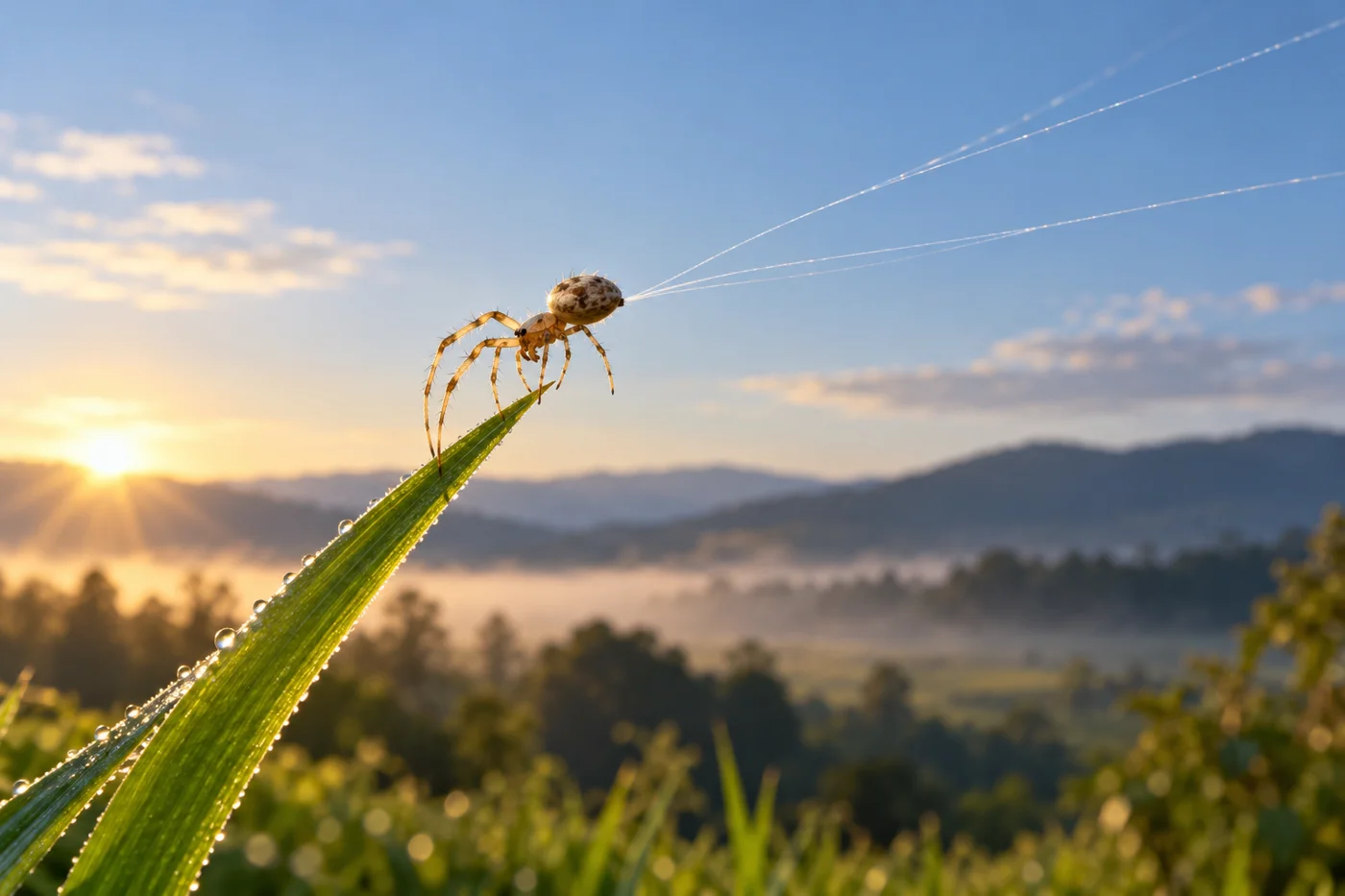
Some small spiders disperse by releasing silk strands that catch moving air; electric fields may also contribute under certain conditions. Ballooning is not controlled flight, and the physics is still being studied.
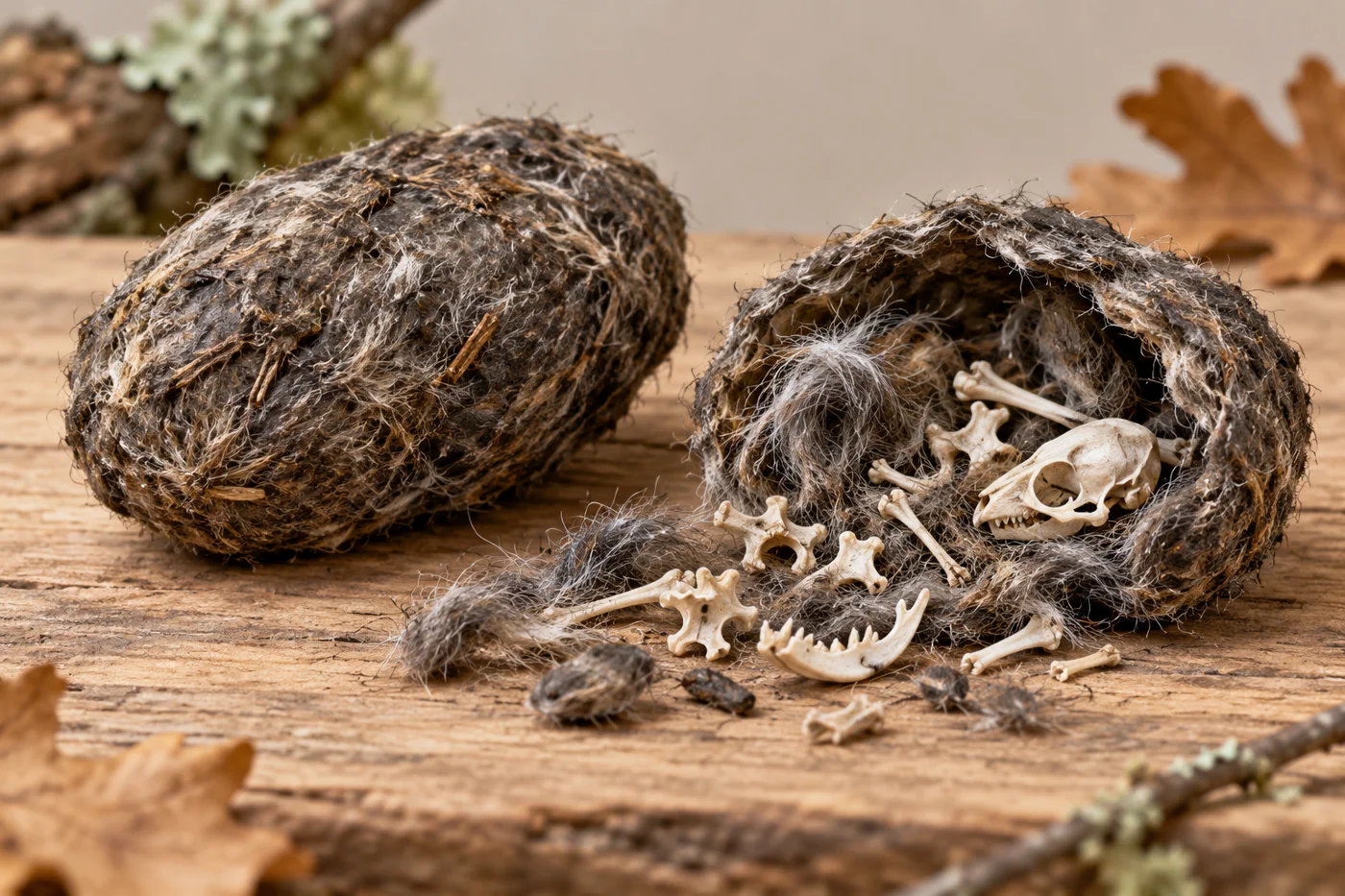
Owl pellets are compact bundles of indigestible prey remains—often fur, bones, and feathers—that an owl brings back up through its mouth. They are not droppings.
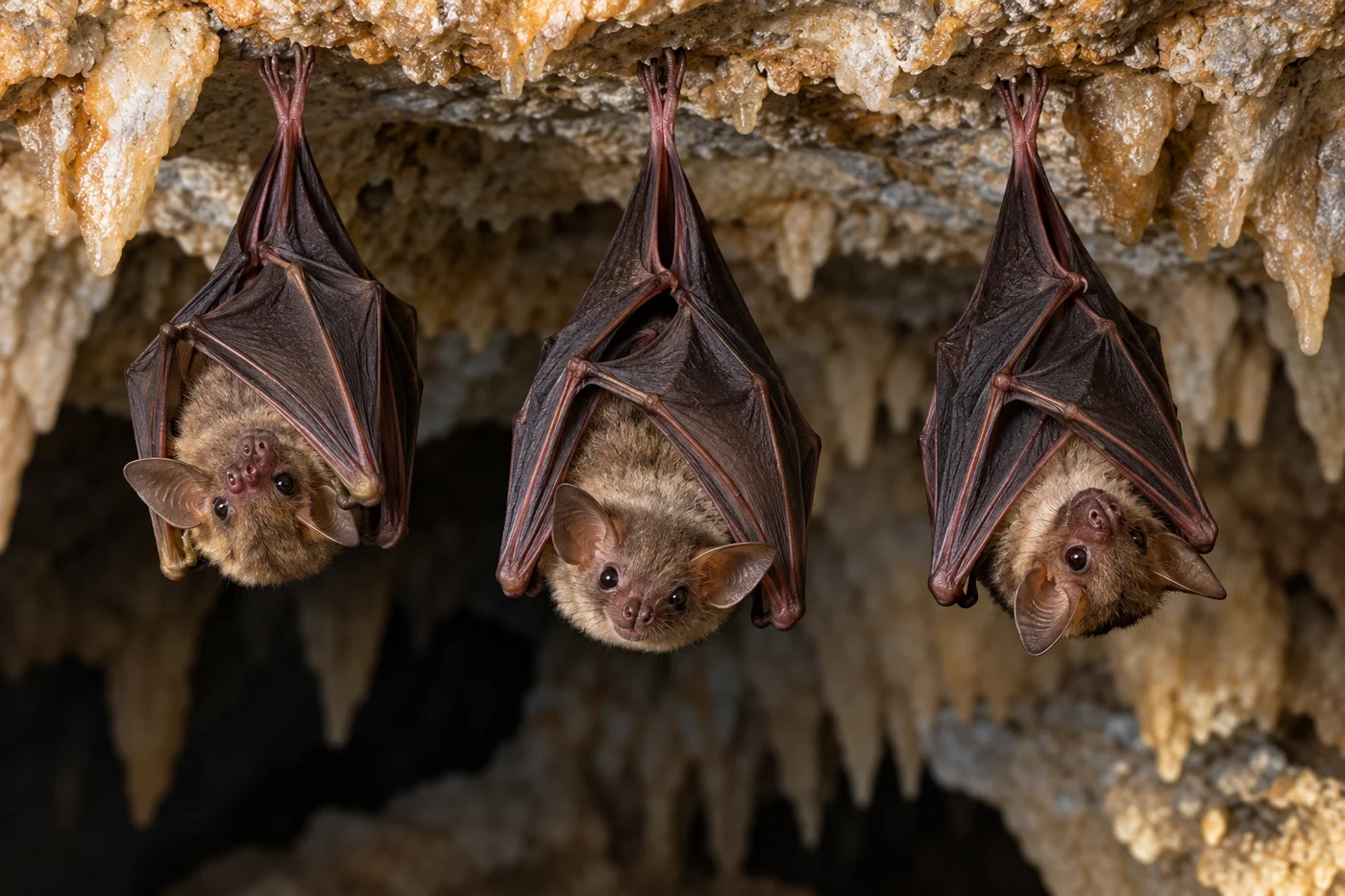
Hanging lets many bats roost in protected places and drop into flight without needing a running takeoff. Their feet can grip while relaxed because tendons lock the claws in place.
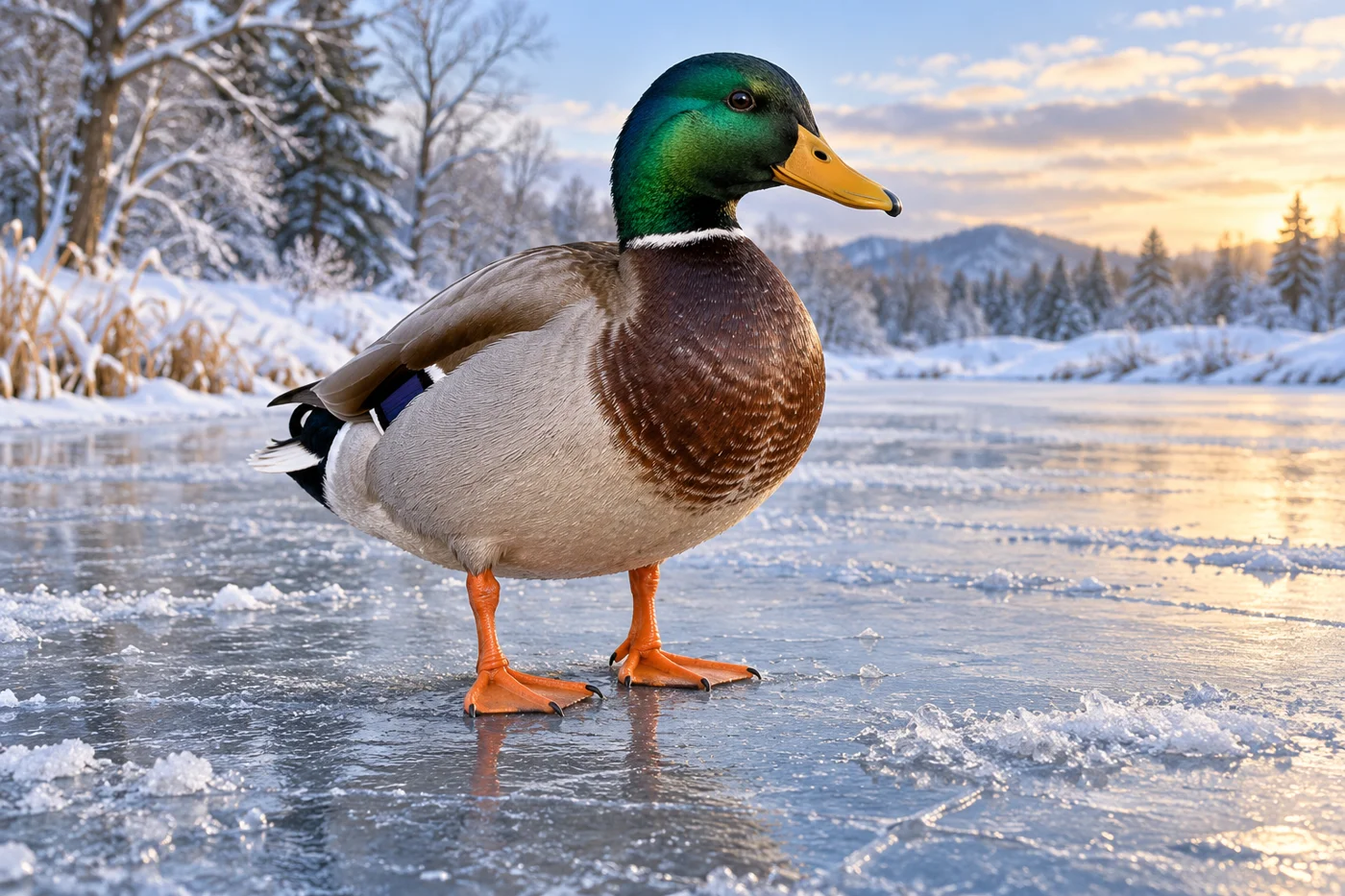
Birds’ feet can get cold, but countercurrent heat exchange reduces heat loss: warm arteries pass close to cooler veins returning from the feet. This protects core temperature without keeping the feet as warm as the body.
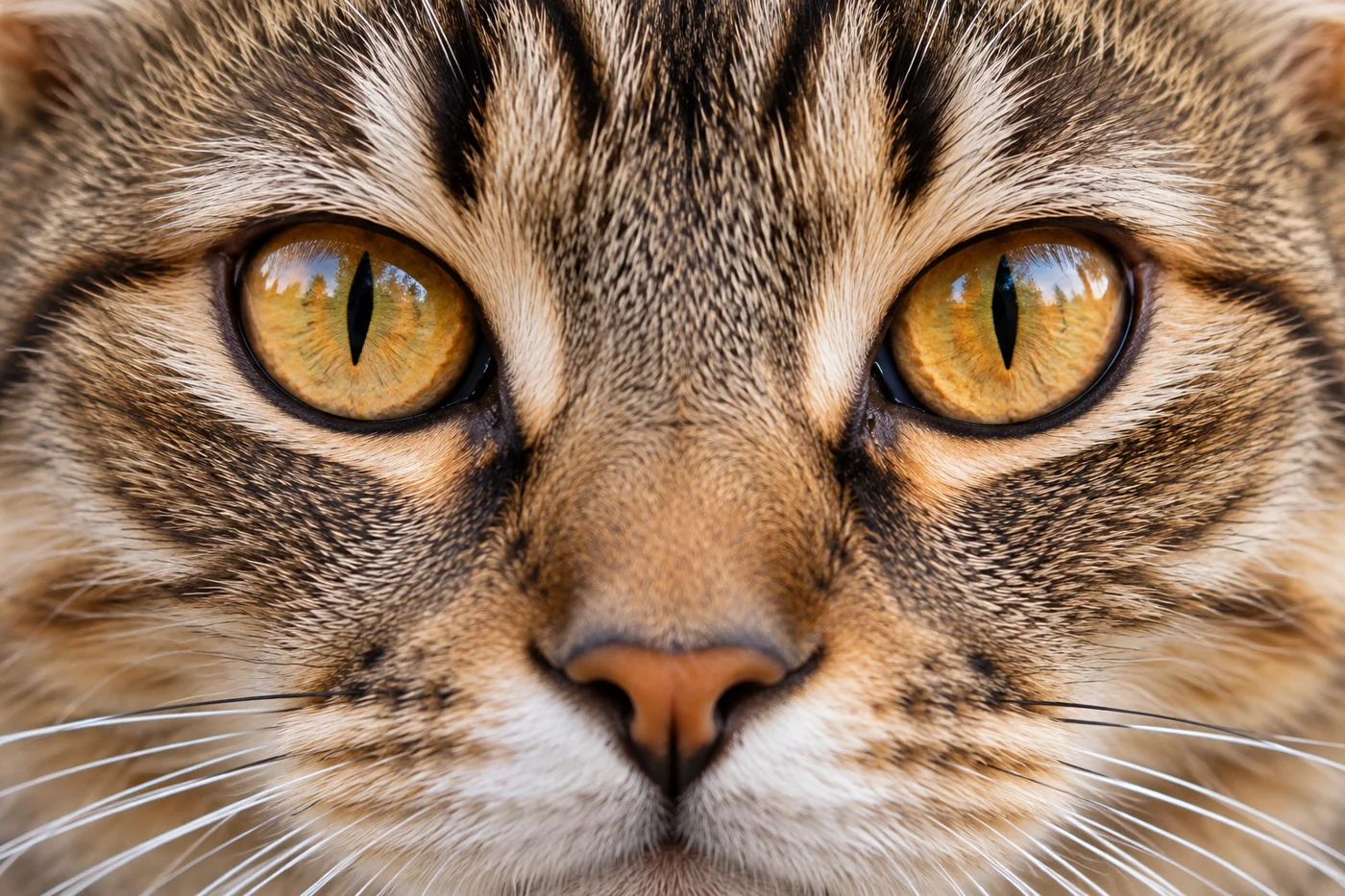
Vertical pupils help many small ambush predators manage light and judge distance to nearby prey. The relationship between pupil shape, hunting style, and eye height is supported by comparative research, but not every feline has the same pupil shape.
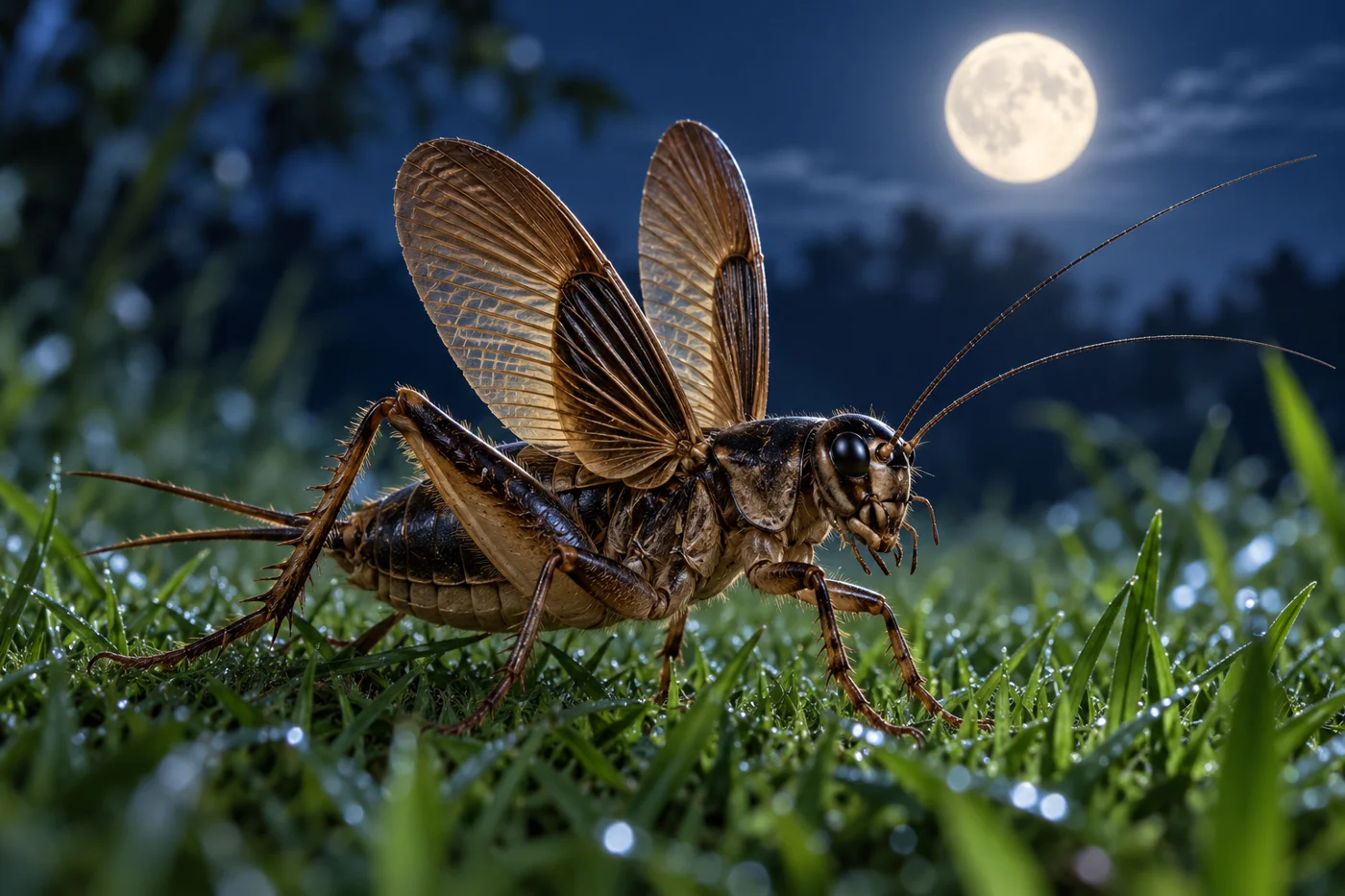
Male crickets chirp mainly to attract females and communicate with other crickets. Many species call after dark because their daily rhythms and nighttime activity make that period favorable, but timing varies by species and temperature.
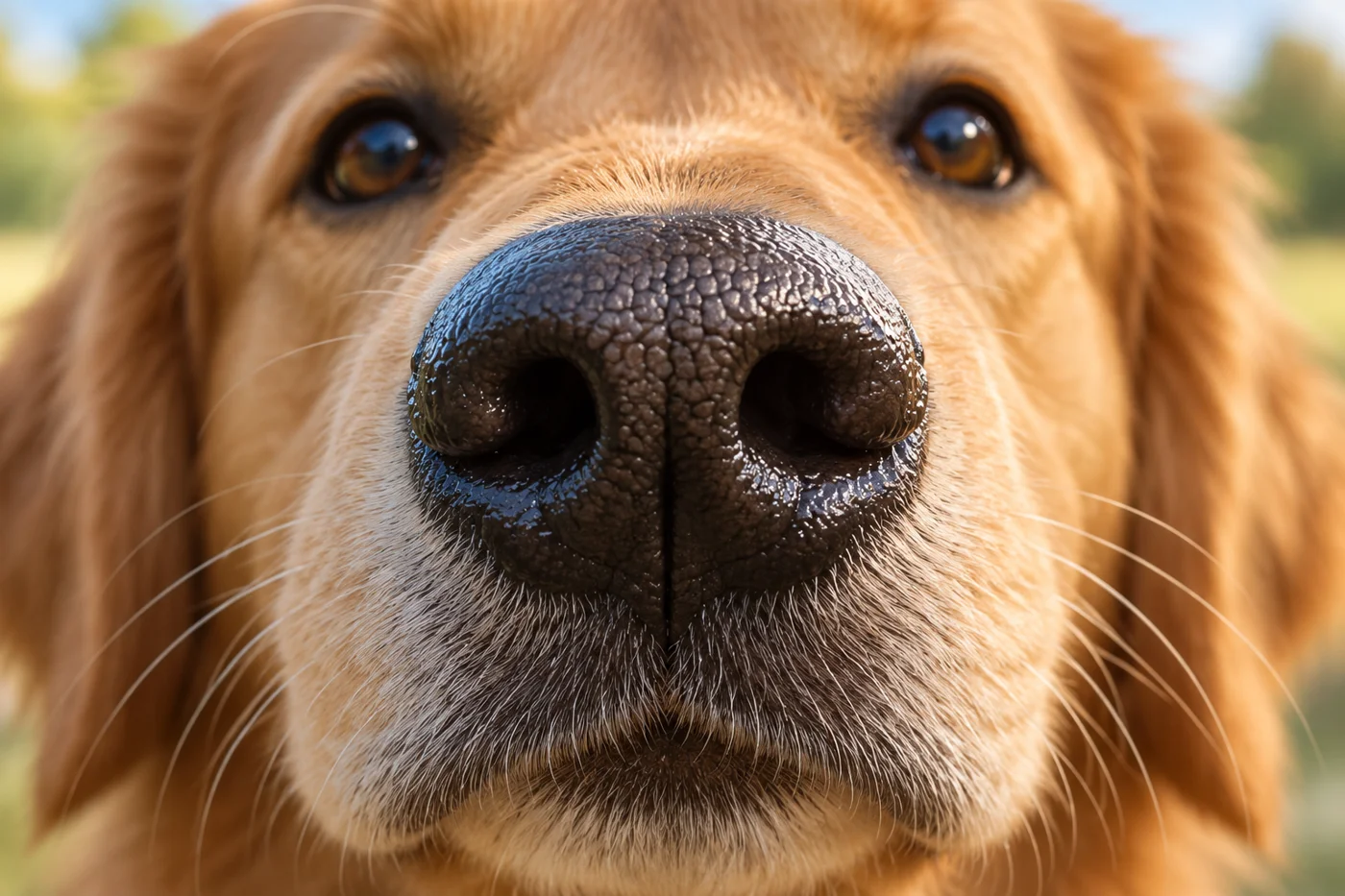
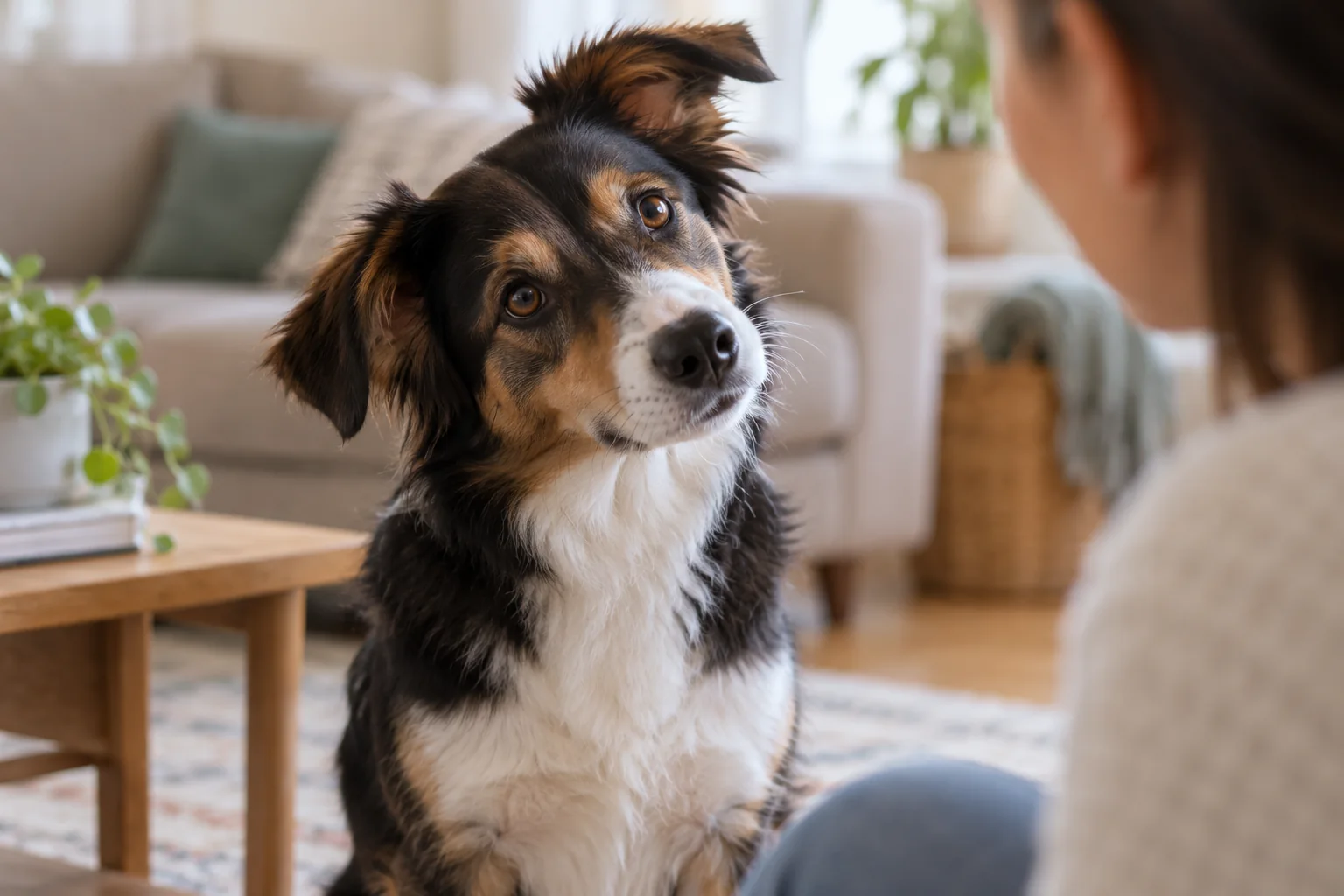
A dog’s nose can be wet because of normal nasal secretions, licking, and moisture from the environment. Wetness may help capture scent molecules, but a dry nose by itself does not diagnose illness.
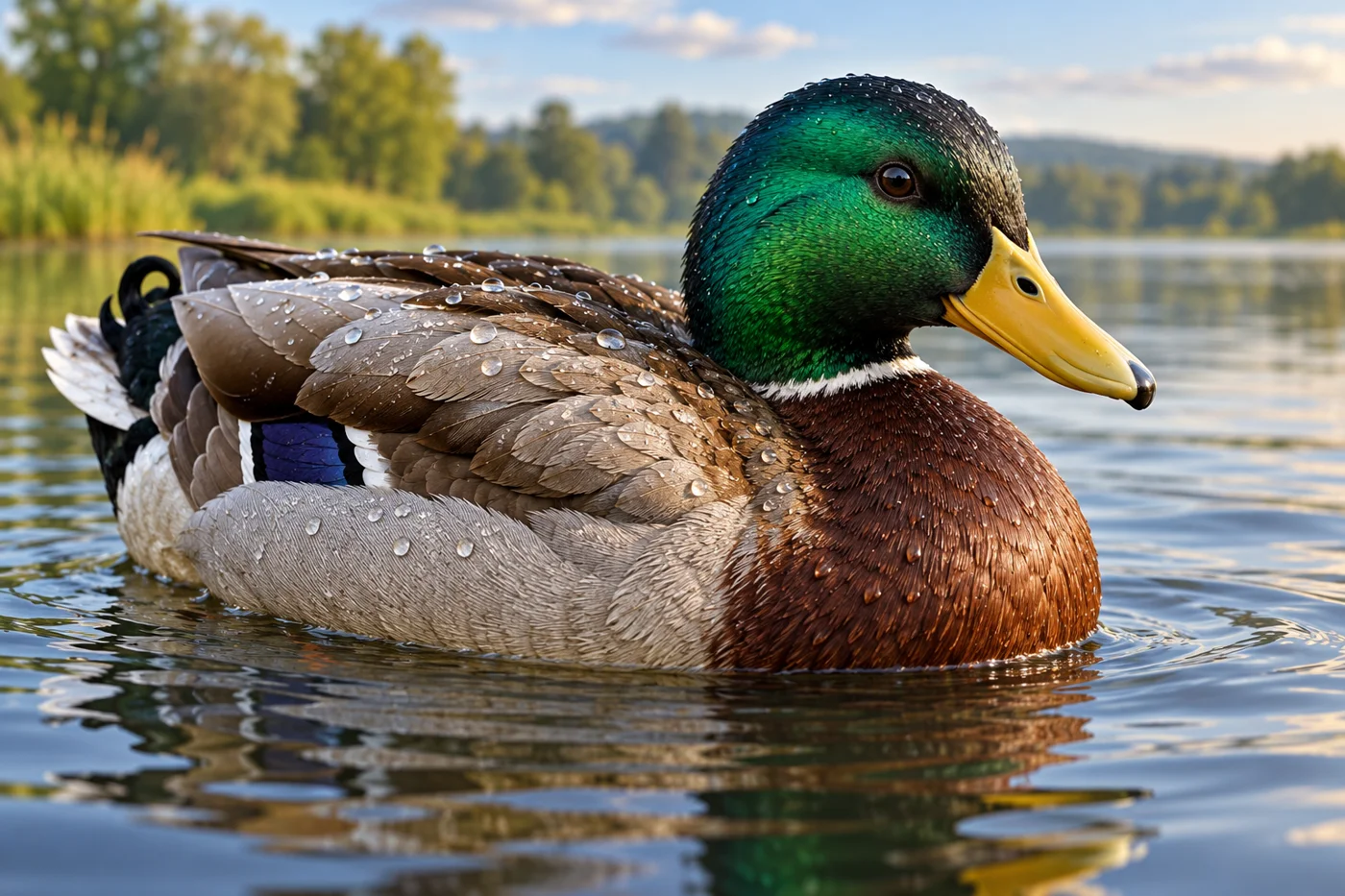
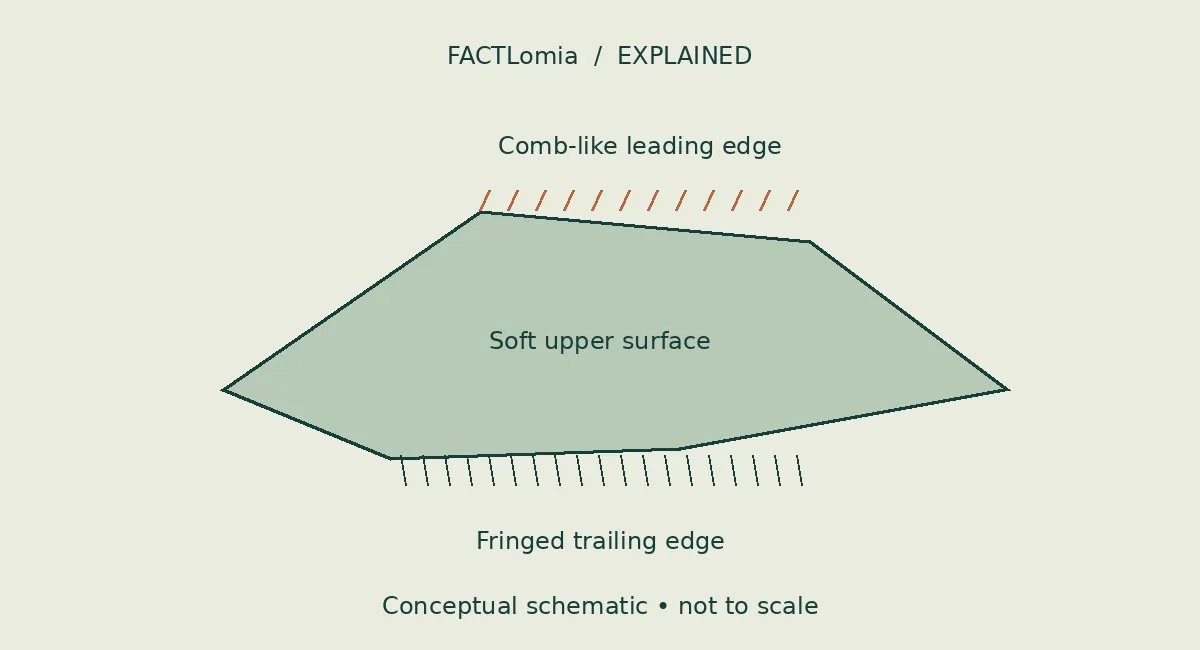
Duck feathers shed water through their interlocking structure, careful preening, and an insulating layer of down. Learn what oil does—and why it is not the whole explanation.
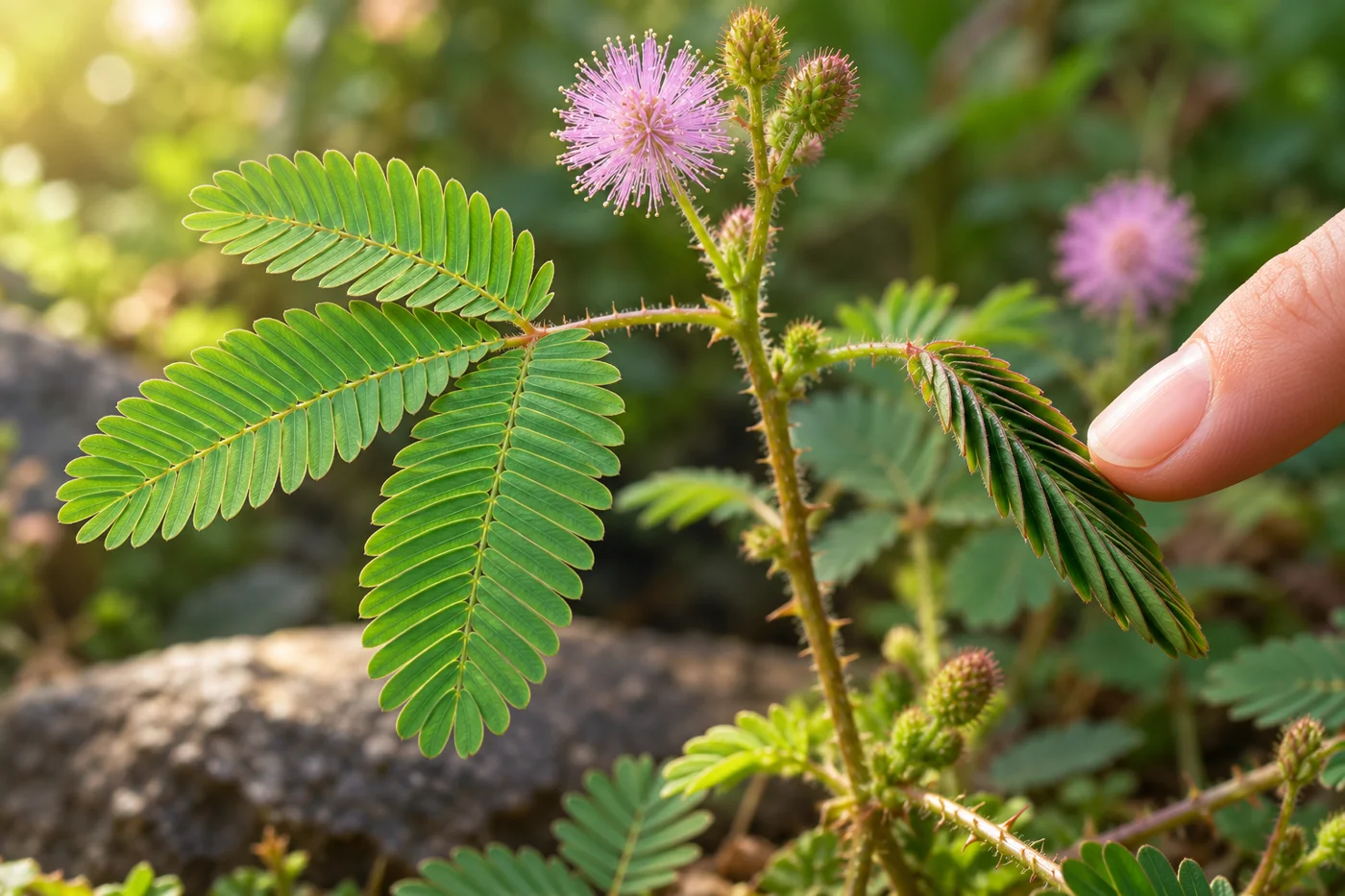
The sensitive plant Mimosa pudica folds its leaflets after touch because a rapid signal changes water pressure in specialized cells at the leaf base. The movement is reversible and not evidence that the plant feels pain.
Menthol in mint activates TRPM8 receptors that normally respond to cool temperatures. It changes the sensation your nerves send to the brain; it does not actually chill your mouth.
Female seahorses transfer eggs into a male’s brood pouch, where embryos develop. The male supports the developing young and later releases them into the water.
Many sea stars can regenerate damaged or missing arms, but the process takes time and works differently across species. Some need part of the central disc to regrow.
Squirrels use spatial memory and landmarks to recover many of their food caches. Research shows they can remember their own hiding places, though some nuts are inevitably missed.
Birds can loosen their feathers to trap a layer of still air that helps slow heat loss. The response is useful insulation, though persistent puffing can also signal illness.
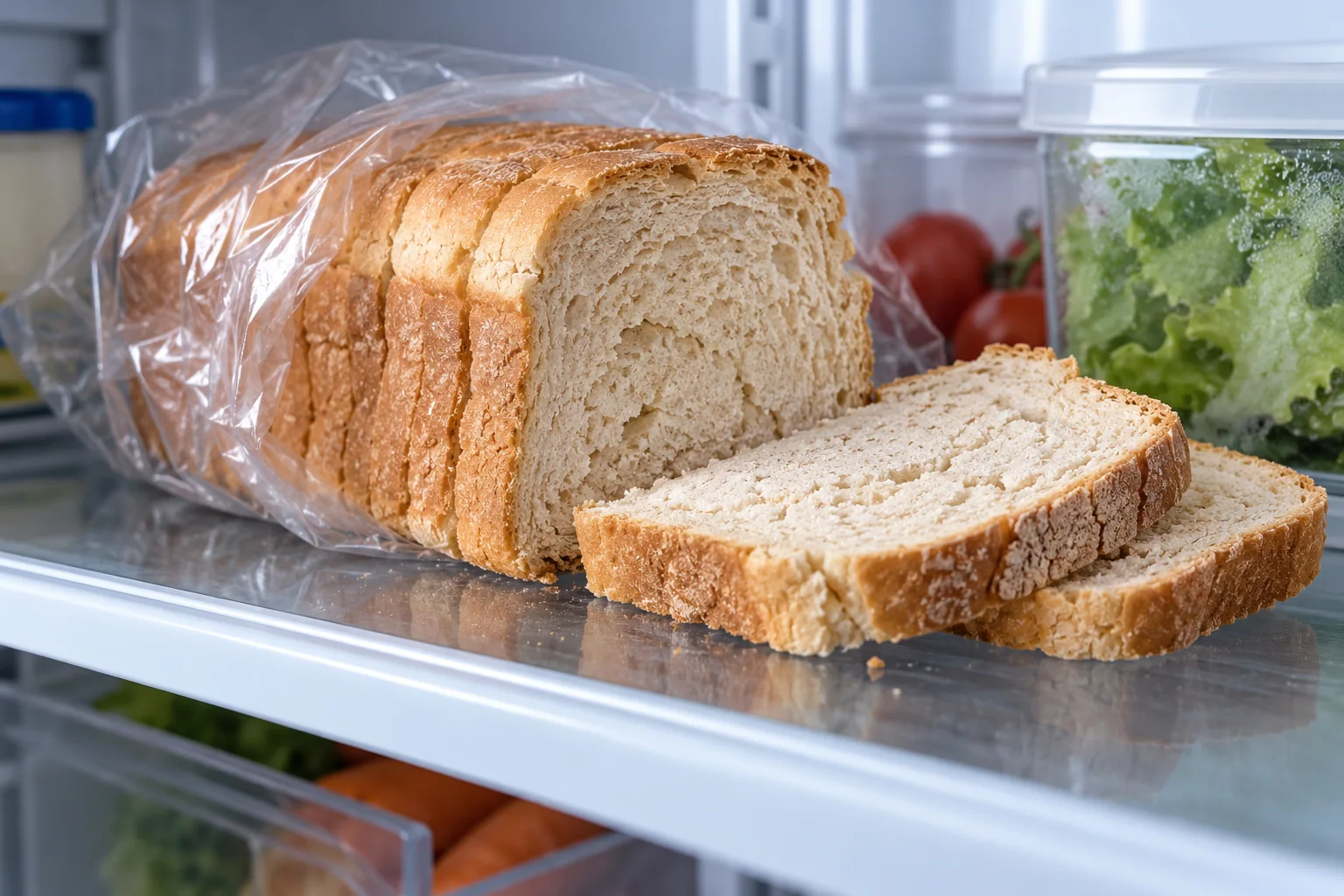
Bread can firm up faster in a refrigerator because starch changes during storage more quickly at cool, above-freezing temperatures. Freezing slows that process.
Cats knead soft surfaces for reasons that may include comfort, early nursing behavior and scent marking. Researchers have not confirmed one universal purpose.
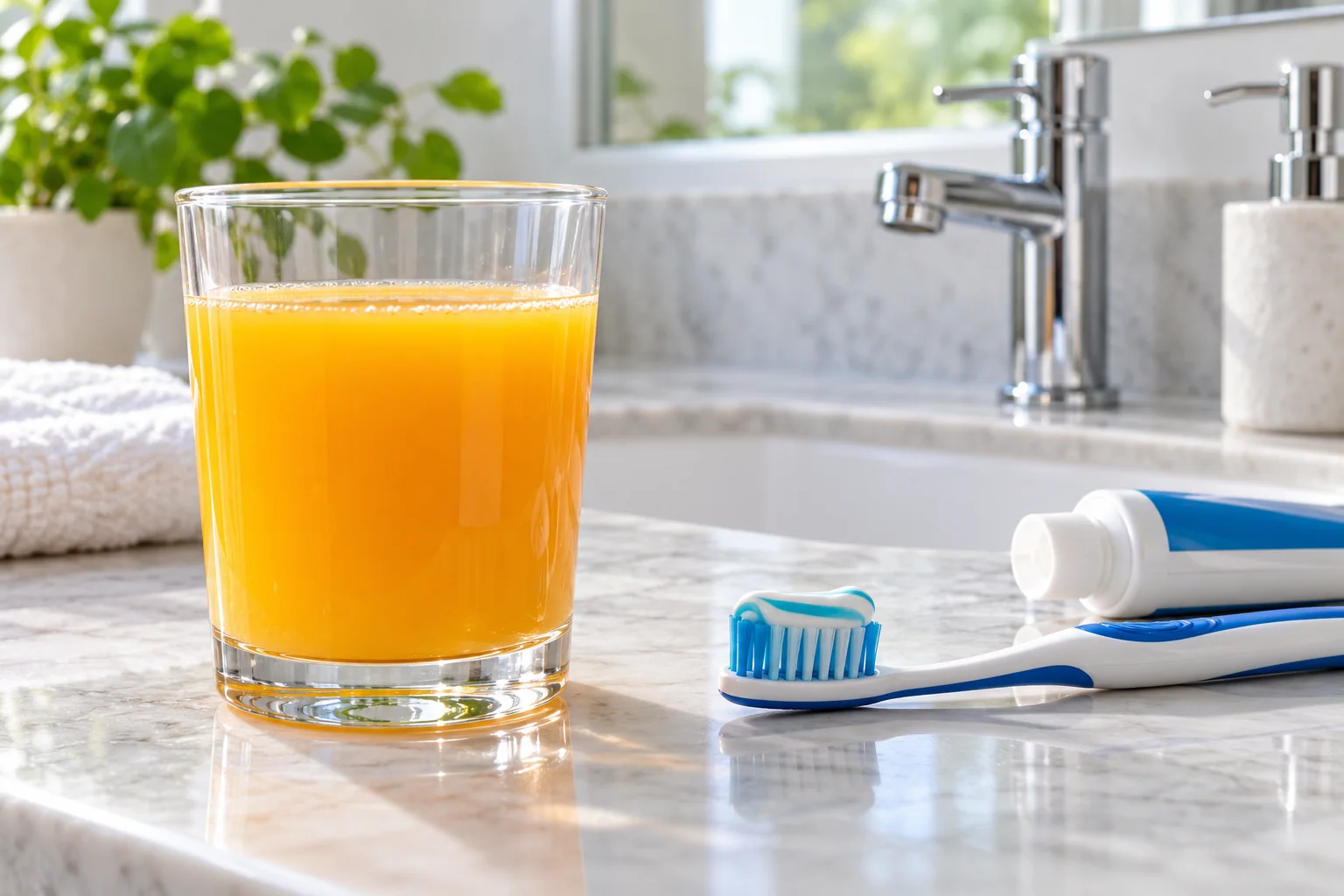
Toothpaste can temporarily change how sweetness and bitterness are perceived. Detergents such as sodium lauryl sulfate are one likely contributor, though the full effect is not settled.

 Nature