
 Nature
Why does rain smell earthy before it starts?
That earthy smell has a name: petrichor. Learn how plant oils, soil compounds and raindrops create the scent people notice before or during rain.
Page 16 of 16 · Science, nature, space and history.
NatureThat earthy smell has a name: petrichor. Learn how plant oils, soil compounds and raindrops create the scent people notice before or during rain.
 Space
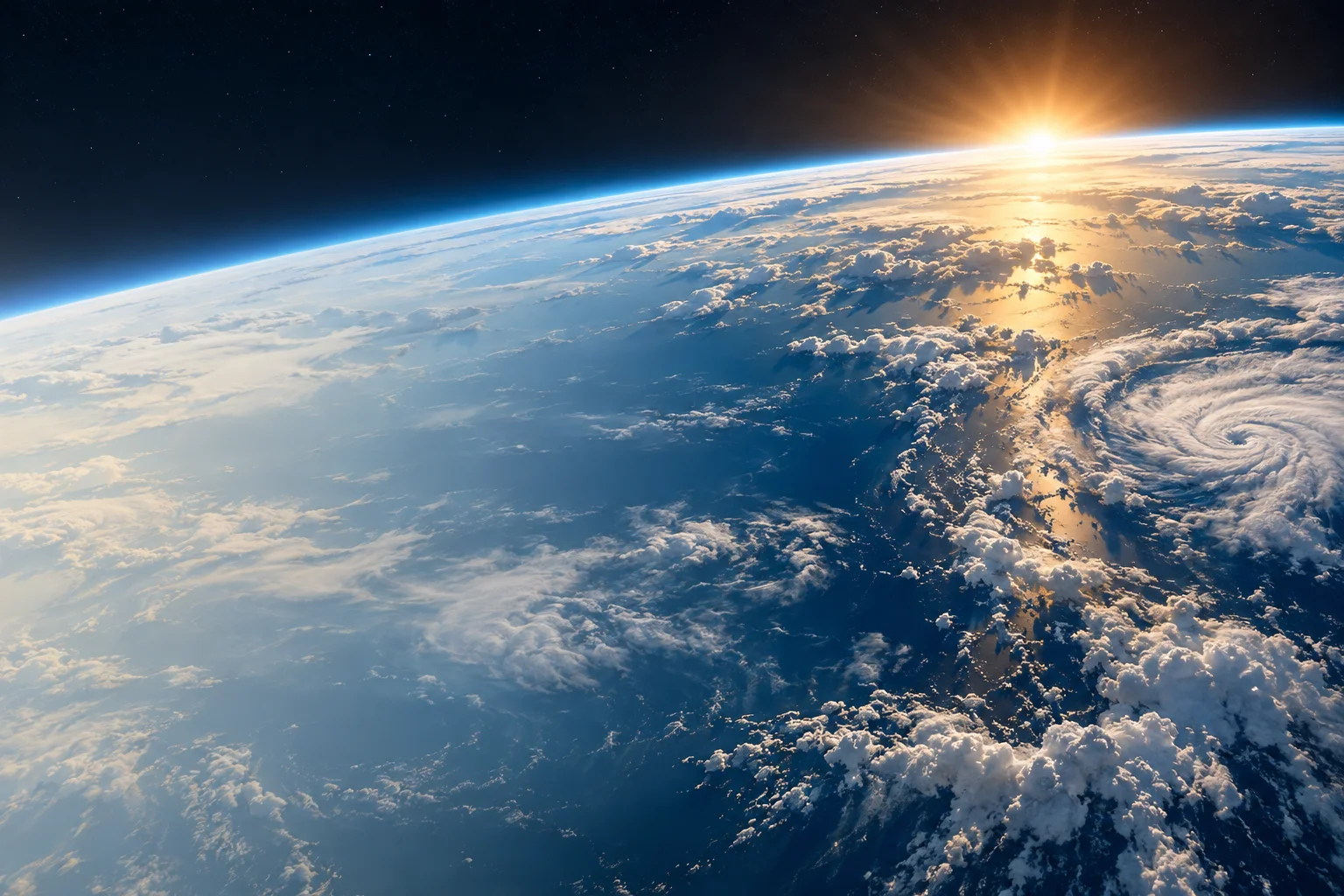
Earth rotates rapidly, yet people do not feel the motion. The reason is constant motion, shared speed and gravity.
 Space
Earth’s atmosphere bends starlight in shifting pockets of air. Learn why distant stars shimmer while nearby planets usually look steadier.
 Nature
Whales must keep breathing consciously. Their unusual sleep strategy lets them rest while staying able to surface for air.
 Nature
Trace ocean salt from weathered rocks to rivers and the seafloor. Understand why evaporation leaves salts behind and what 35 parts per thousand means.
 Science
Understand how air scatters sunlight, why sunsets change color, and how the blue sky differs from blue seawater and glowing auroras.
 Space
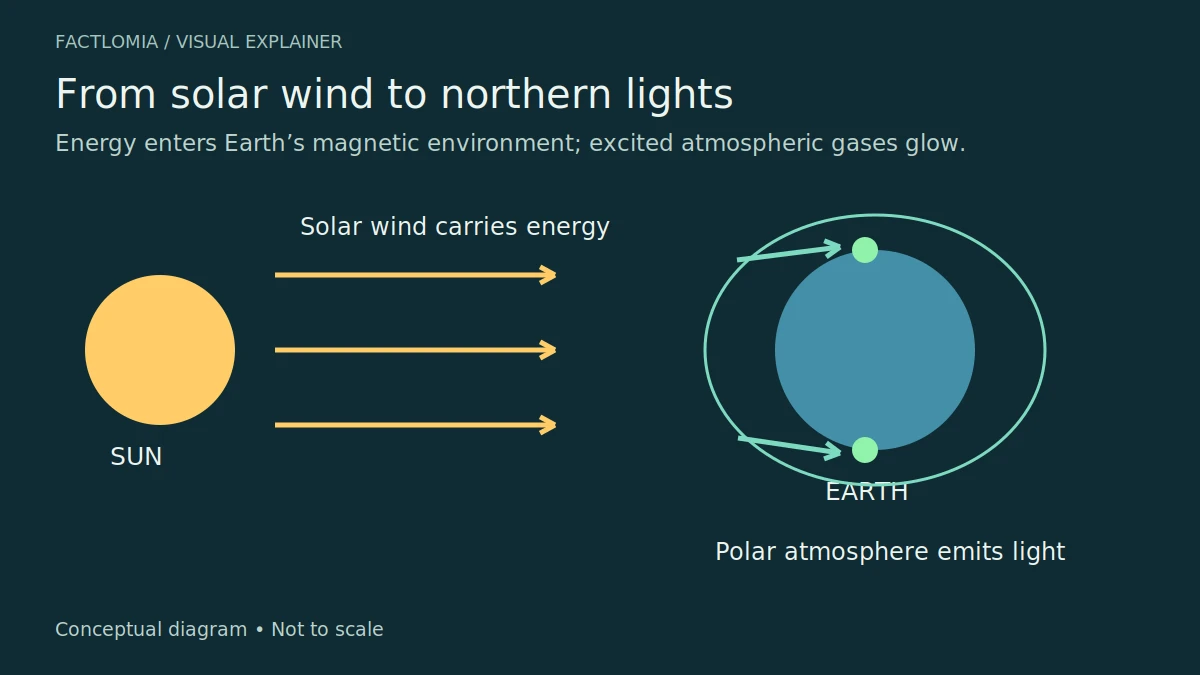
Discover how solar activity powers auroras, why oxygen and nitrogen produce different colors, and why a forecast cannot guarantee a sighting.
 Science
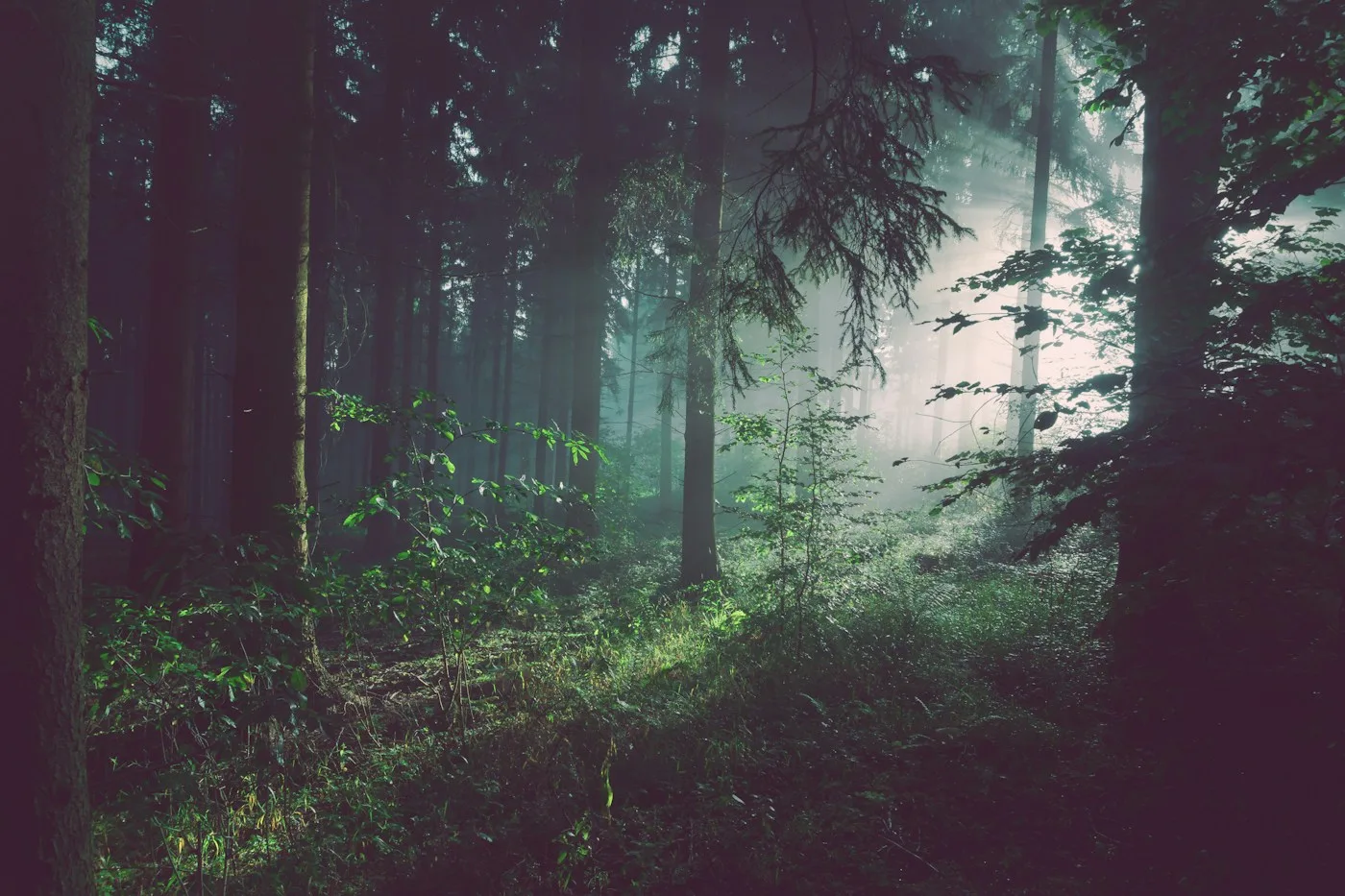
Follow photosynthesis from absorbed light to carbohydrates. Learn where the carbon and released oxygen come from, and what the familiar equation leaves out.
 Nature
The ocean is not blue only because it reflects the sky. Learn how water absorbs light and why sediment, algae and shallow sand change its color.
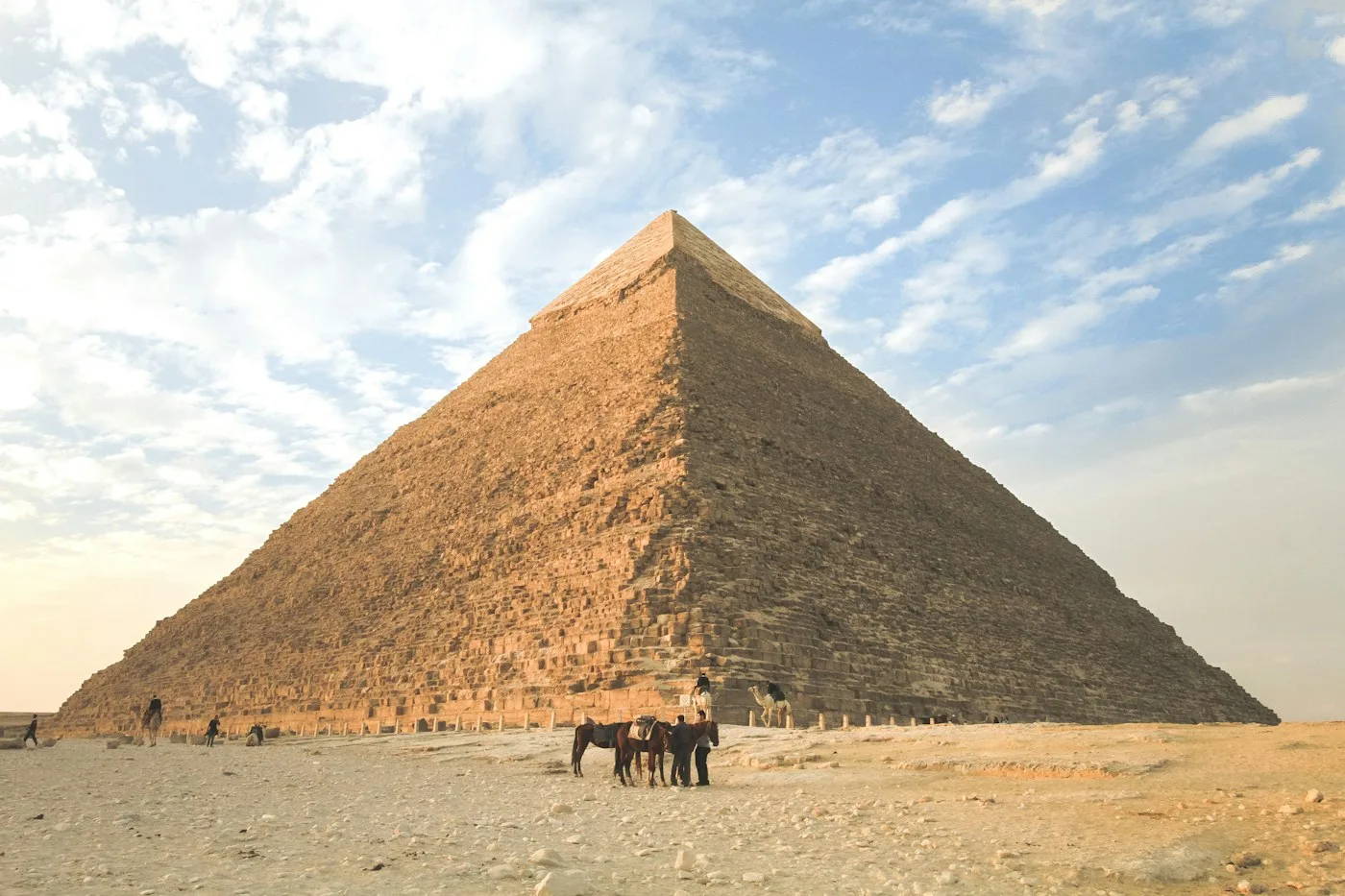 History
Giza’s pyramids once had outer casing stones. Compare evidence for Khufu, Khafre and Menkaure, including white limestone and granite finishes.
 Space
Venus rotates in about 243 Earth days and orbits in 225, but its solar day is about 117. Understand the difference with a simple calculation.