The Moon’s phase is the same for observers around Earth, but its orientation can look rotated or upside down because people in different hemispheres stand at different angles beneath the sky.
The Moon rises about 50 minutes later on average each day because it moves eastward in its orbit while Earth rotates. The exact delay changes with the Moon’s phase and your location.
Seeing, hearing or even thinking about a yawn can trigger one in some people. Researchers know the response is real, but its purpose and connection to empathy remain debated.
A refrigerator does not make cold; it moves heat from inside the cabinet to the room. A refrigerant repeatedly evaporates and condenses while a compressor drives the cycle.
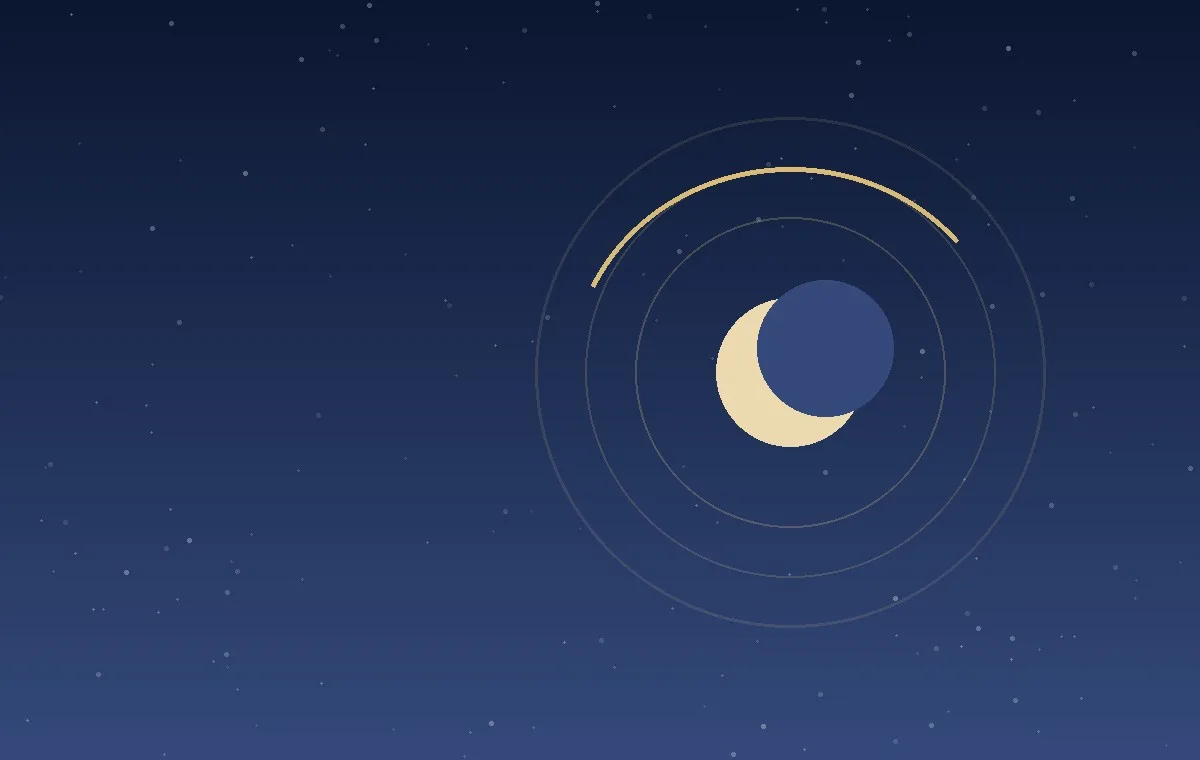
A pale ring around the Moon usually forms when moonlight bends through hexagonal ice crystals in thin, high clouds. The common 22-degree halo is an optical effect, not a ring around the Moon.
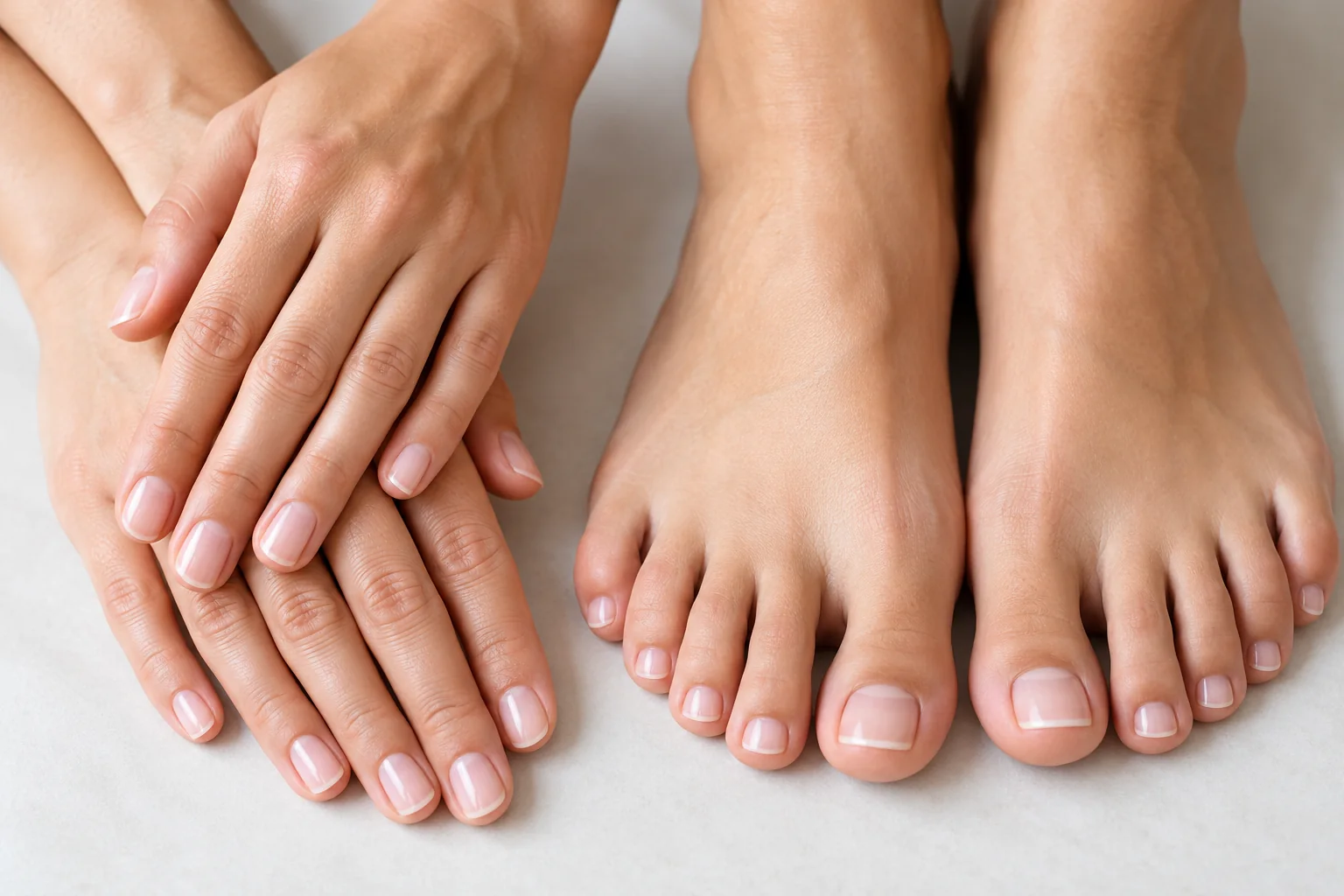
Fingernails generally grow faster than toenails, though the exact rate varies from person to person. Research measures the difference more confidently than it explains every cause behind it.
Noctilucent clouds appear to shine because their tiny ice crystals still reflect sunlight while the ground below is in twilight or darkness. They form high in the mesosphere.
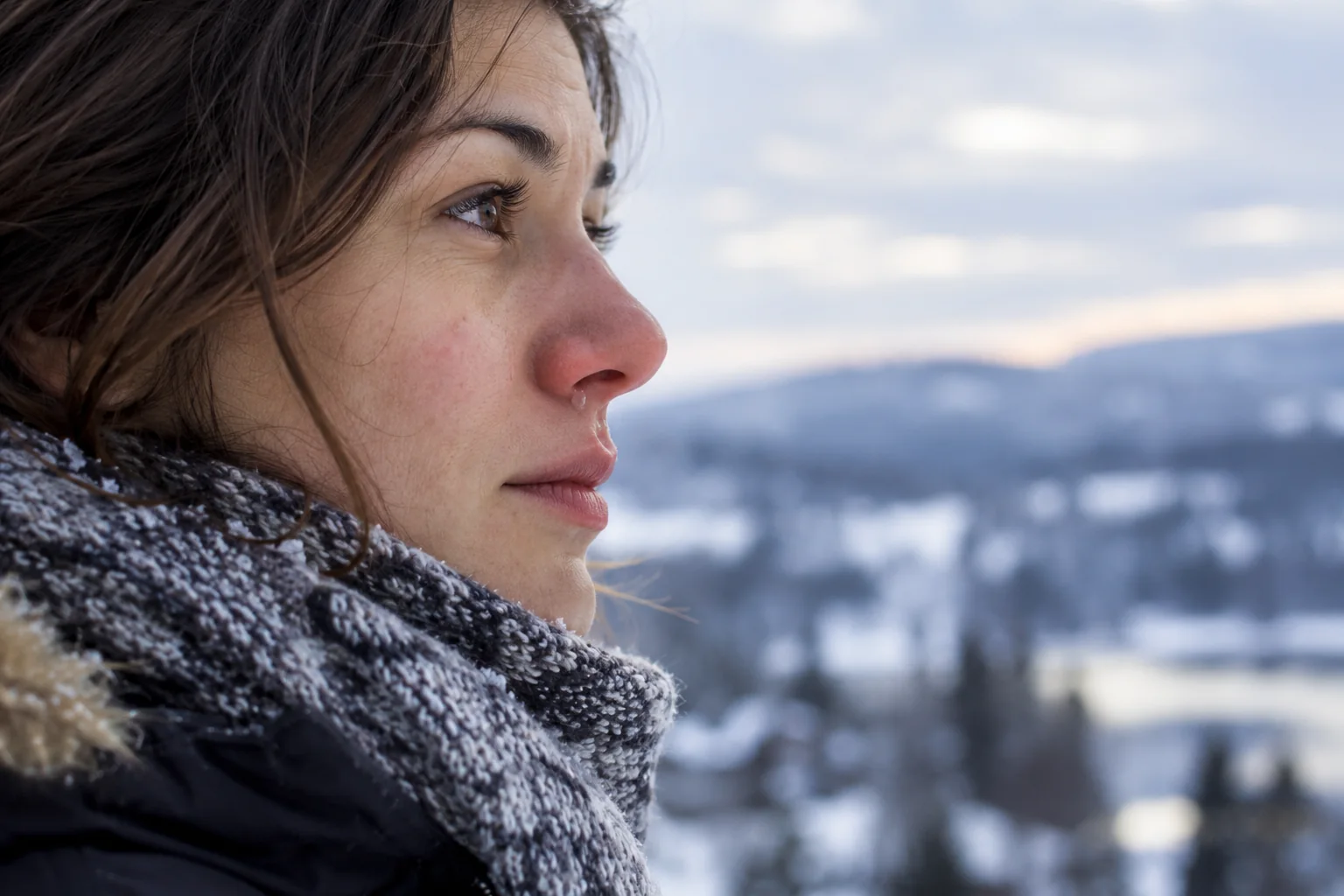
Cold, dry air can trigger the nose to warm and humidify incoming air, increasing nasal fluid. This response is sometimes called cold-induced rhinitis and is not necessarily a cold infection.
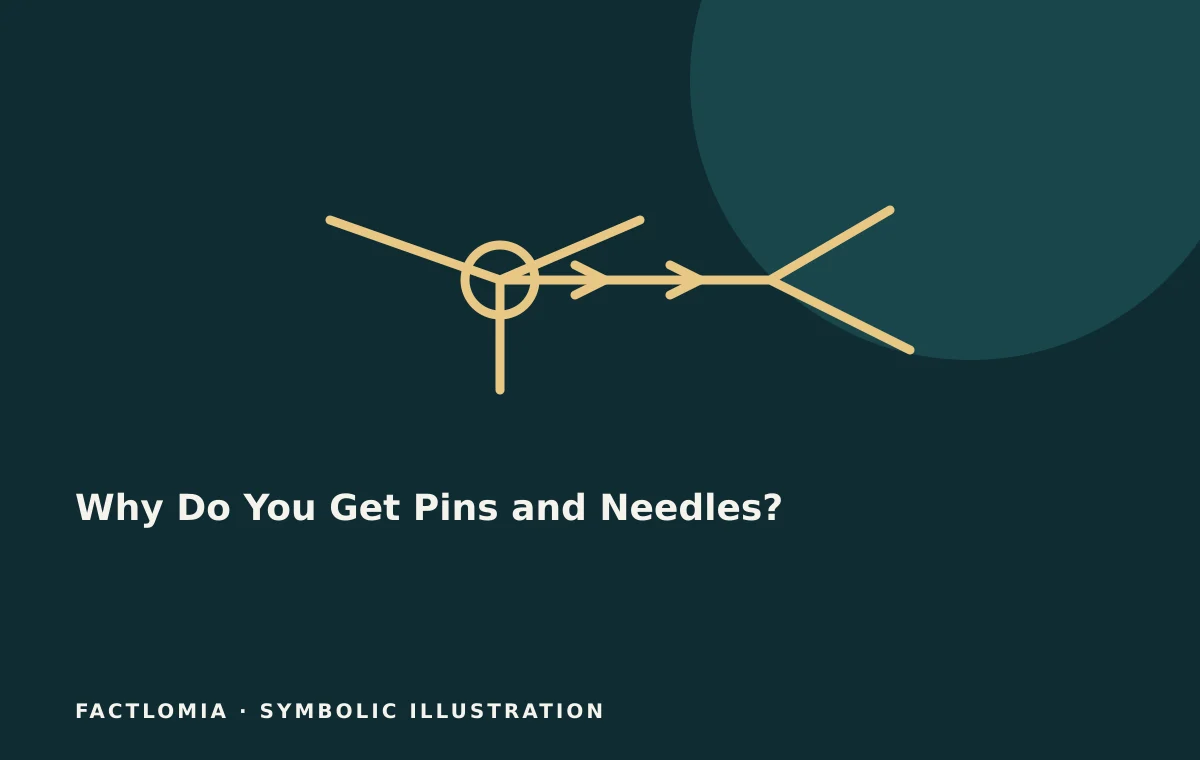
The prickly feeling called pins and needles often occurs when pressure temporarily interferes with a nerve’s normal signaling. Persistent or recurring tingling can have other causes and should not be self-diagnosed.
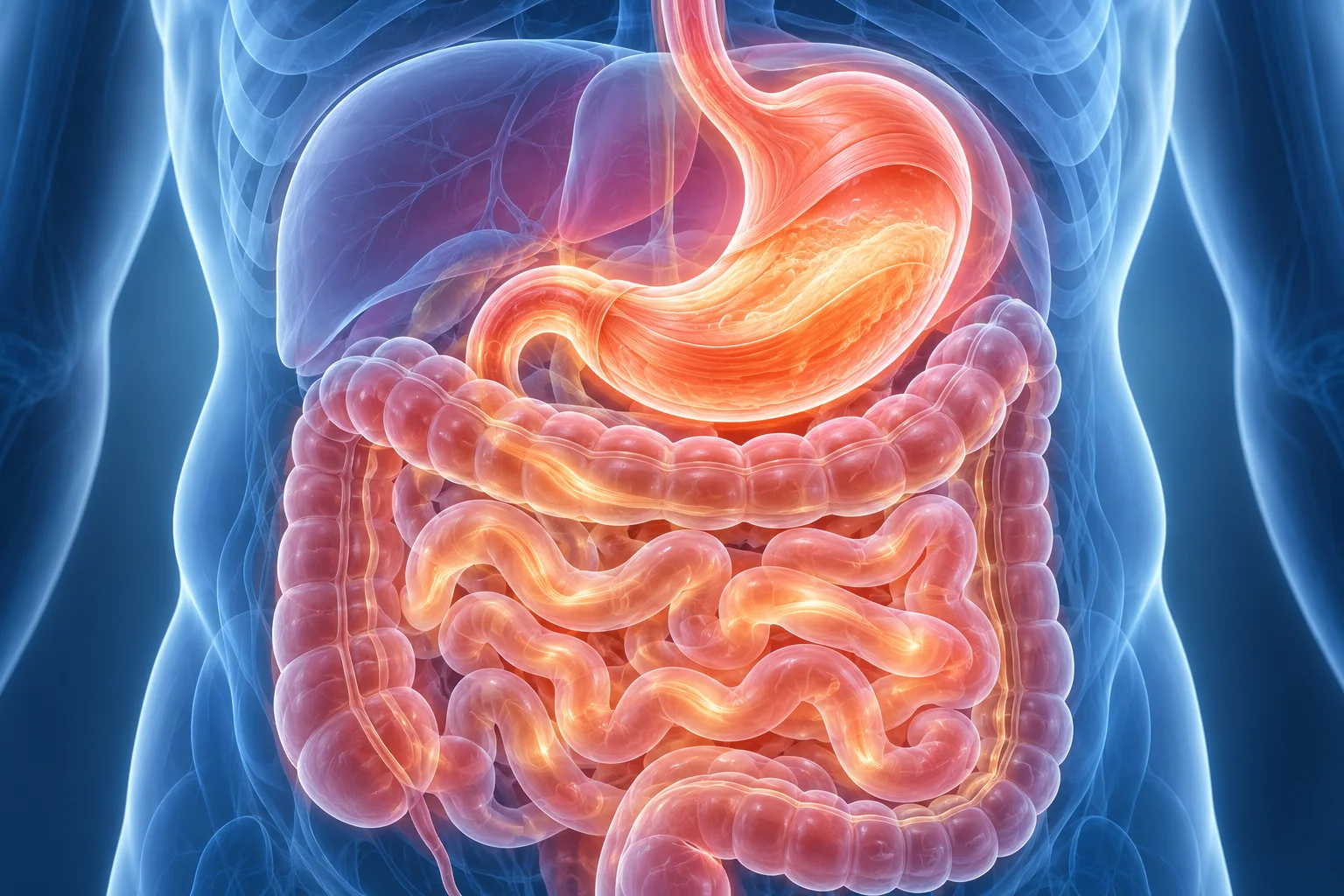
Stomach growling is usually the sound of muscles moving gas and fluid through the stomach and intestines. It can happen when you are hungry or after eating because digestion keeps moving.
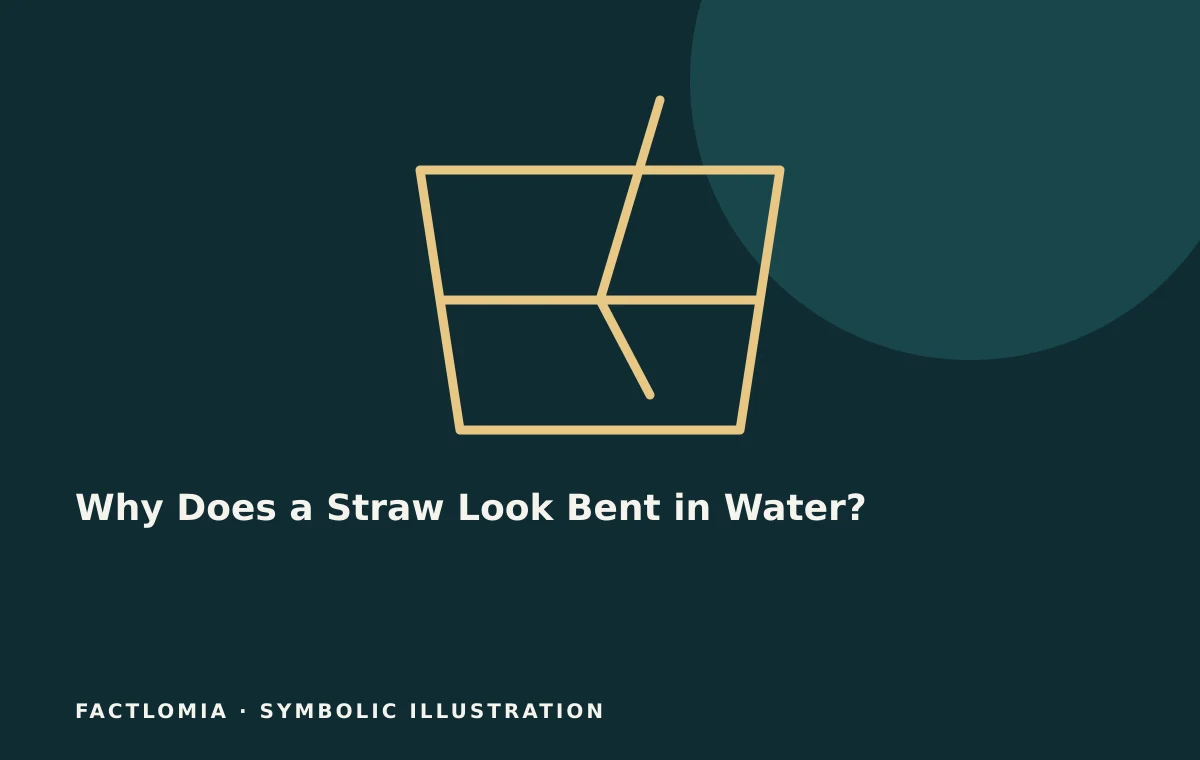
A straw can look bent at the waterline because light changes direction as it moves between water and air. Your eyes trace the light back in a straight line, shifting the straw’s apparent position.
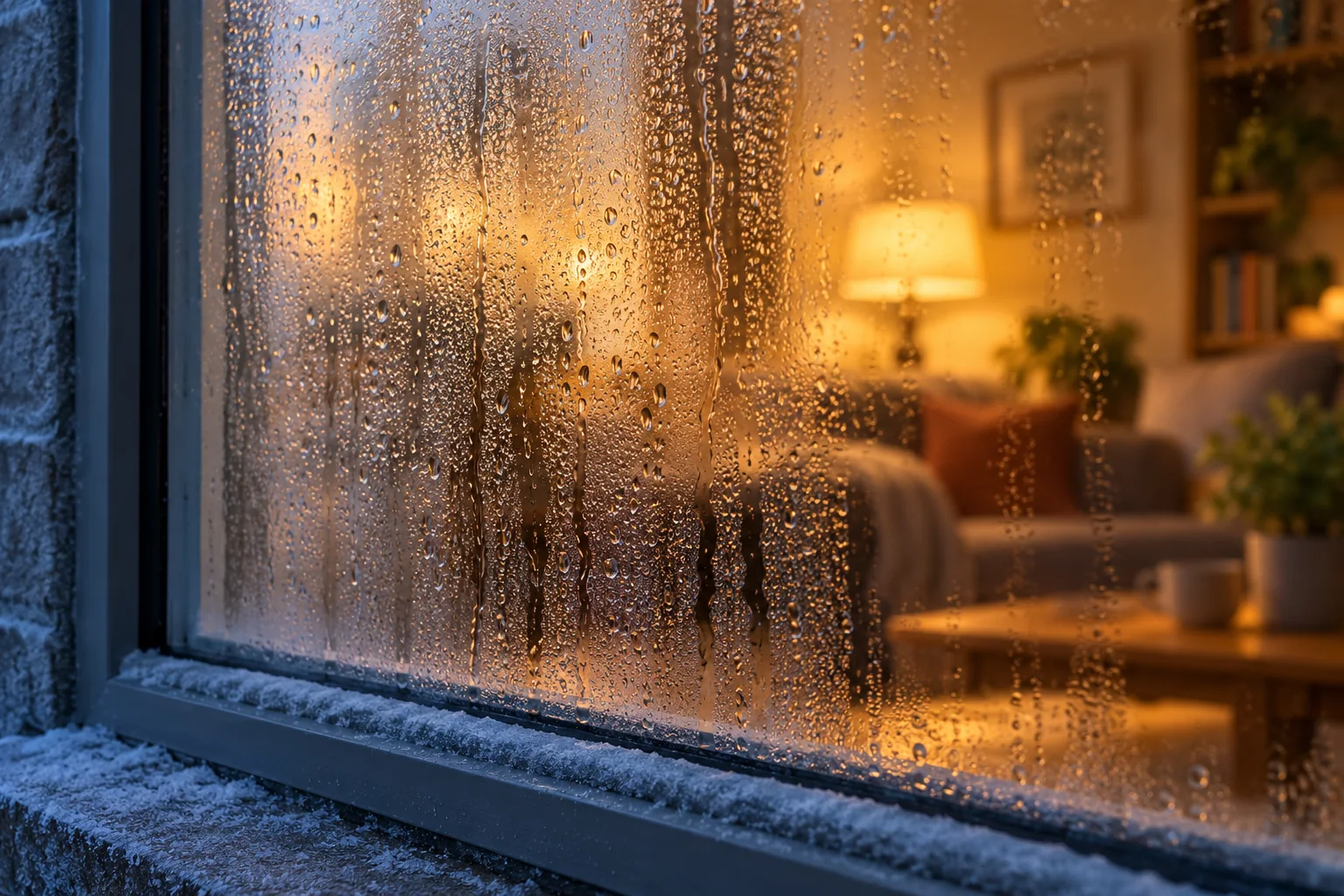
Windows fog up when moist air meets glass cool enough for water vapor to condense into tiny droplets. The location of the fog—inside, outside, or between panes—can point to different causes.
Carnivorous plants trap prey in modified leaves, break it down with digestive enzymes or microbial help, then absorb useful nutrients such as nitrogen and phosphorus.
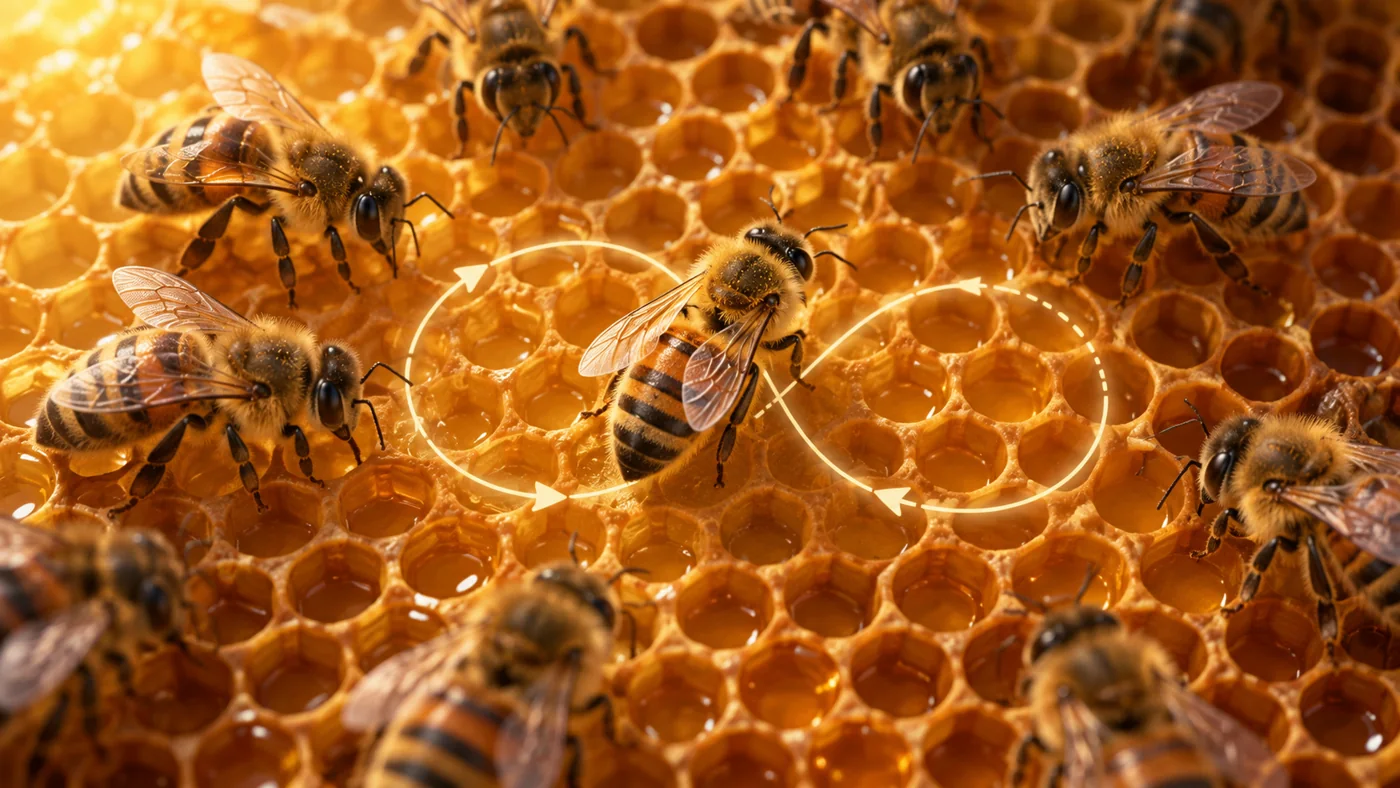
A foraging honeybee’s waggle dance gives nestmates clues about a food source’s direction and distance. The angle is read relative to the Sun, while dance duration carries distance information.
A fast cold stimulus on the roof of the mouth can trigger a short headache felt in the forehead. Researchers link it to sensory pathways, but details of the mechanism remain under study.
Hiccups begin with an involuntary spasm of the diaphragm, followed by a quick closure of the vocal cords. Learn how the reflex works and what commonly sets it off.
Hair loses color when follicles make less melanin for new strands. Genetics and aging influence when this happens; research on stress-related graying is still developing.
Cabin pressure, very dry air and steady background noise can affect smell and taste perception. Learn why in-flight meals may seem less vivid than the same food on the ground.
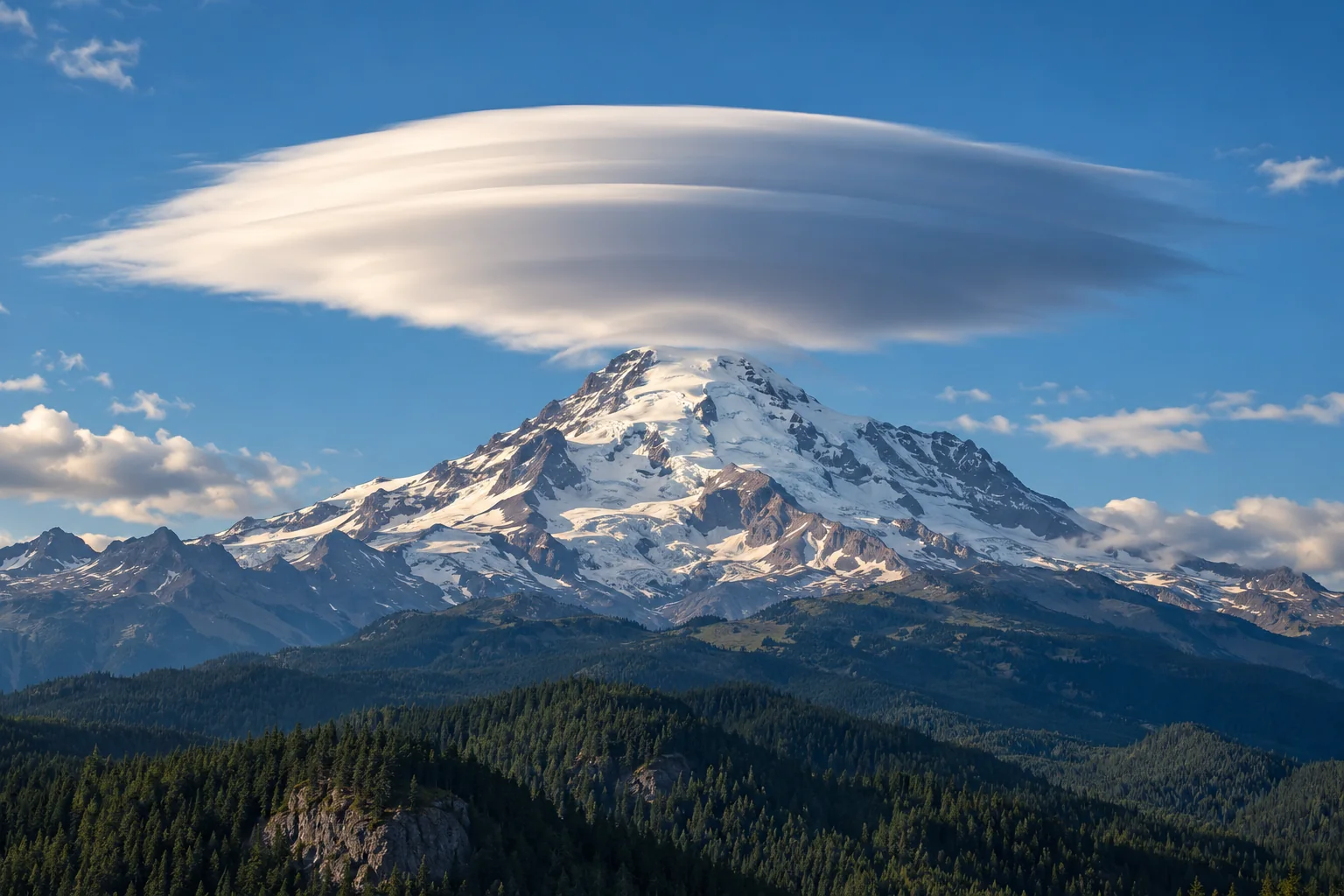
Lenticular clouds form in standing atmospheric waves, often downwind of mountains. Their smooth, lens-shaped outlines can look like flying saucers even while the air flows through them.
In many mollusks and arthropods, the oxygen-carrying protein hemocyanin uses copper rather than iron. It appears blue when oxygenated, unlike red hemoglobin-rich blood.
The Moon’s far side has more rugged highlands and fewer dark lava plains than the near side. A thicker crust helps explain the contrast, though scientists still study its origin.
After staring at a bright or colored scene, parts of the visual system remain temporarily adapted. When you look away, that imbalance can make a faint image linger.
Ants can combine remembered routes, visual landmarks, the Sun’s position and chemical trails. The exact navigation toolkit differs by species and habitat.

 Space