
 Science
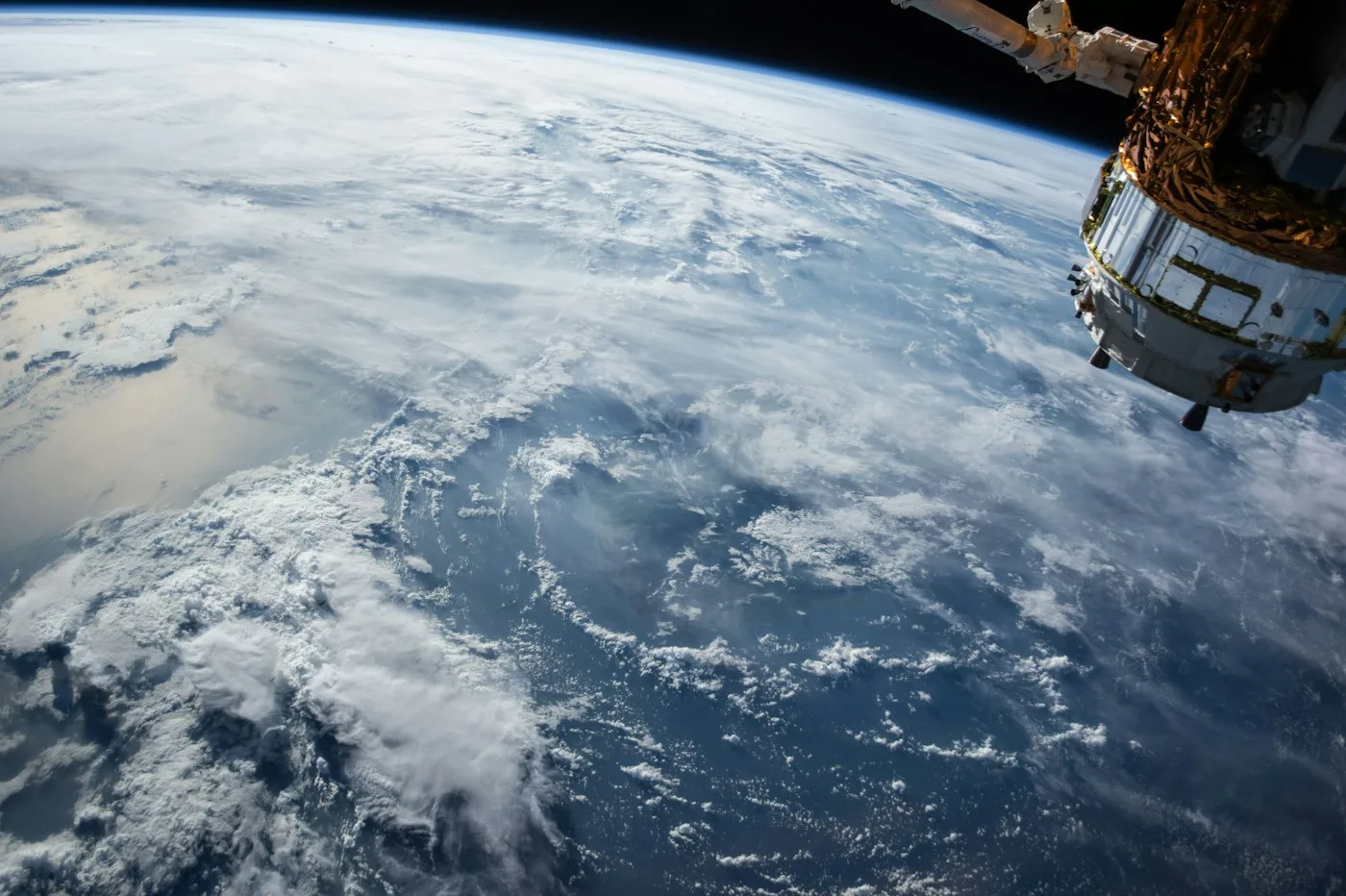
How does photosynthesis work? Energy, carbon and oxygen explained
Follow photosynthesis from absorbed light to carbohydrates. Learn where the carbon and released oxygen come from, and what the familiar equation leaves out.
Clear explanations for extraordinary everyday processes. Start with a question below, then follow the evidence and further reading.
ScienceFollow photosynthesis from absorbed light to carbohydrates. Learn where the carbon and released oxygen come from, and what the familiar equation leaves out.
 Science
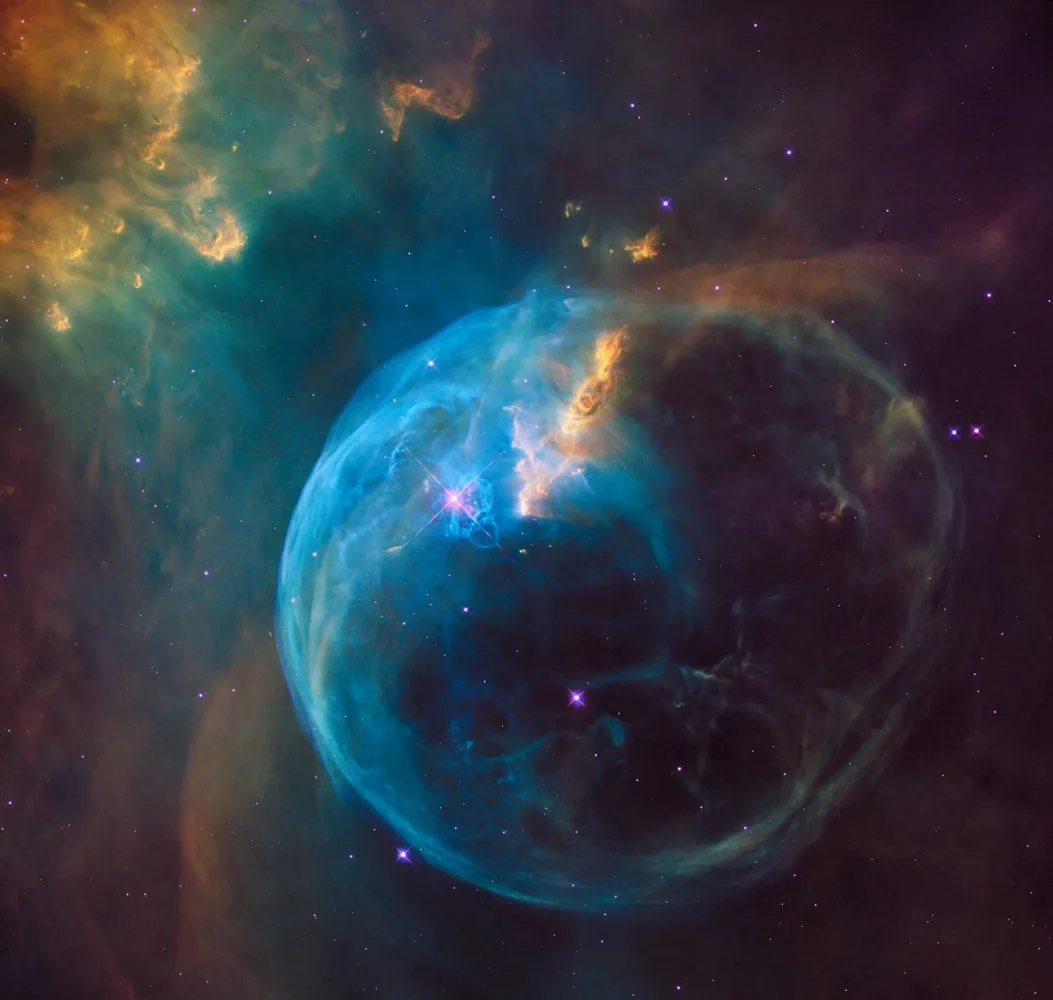
Understand how air scatters sunlight, why sunsets change colour, and how the blue sky differs from blue seawater and glowing auroras.
 Science
Light reaches your eyes almost instantly, while thunder travels through air at about the speed of sound. The delay reveals the storm’s distance.
 Science
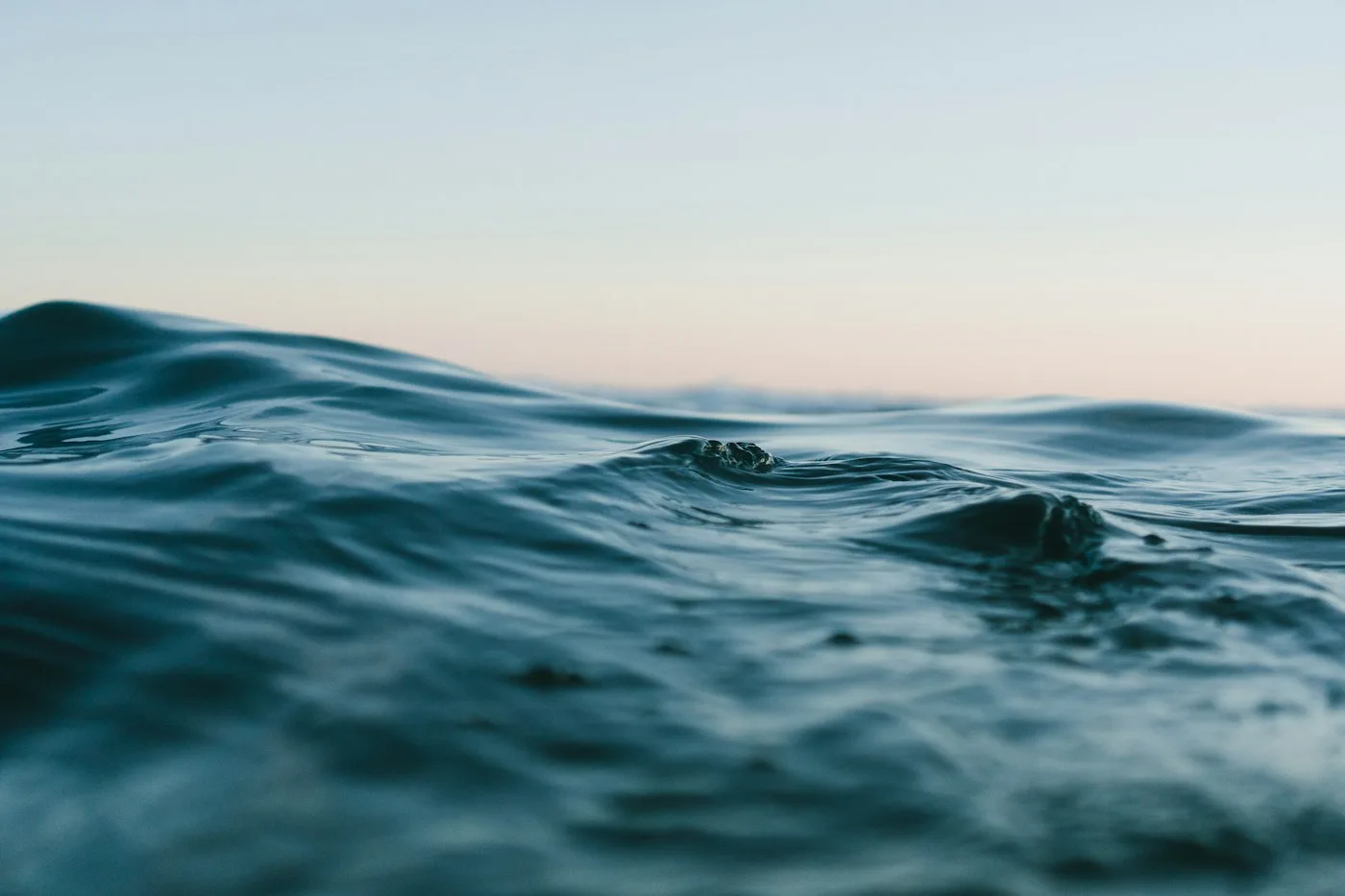
Water expands as it freezes because hydrogen bonds arrange molecules into an open crystal structure. The solid becomes less dense than the liquid beneath it.
ScienceFinger ridge patterns form before birth through genetics and tiny differences in the womb. Even identical twins develop distinct details.
ScienceA kernel contains a small amount of water sealed inside a hard shell. Heating turns that water into steam until pressure ruptures the hull and expands the starch.
ScienceCutting an onion breaks cells and lets enzymes create a volatile irritant. It reaches the eye, dissolves in tears and triggers a protective reflex.
ScienceAt the same room temperature, metal draws heat from your hand faster than wood because it conducts heat far more efficiently. The sensation measures heat flow, not temperature alone.
ScienceSteel and concrete expand when heated and contract when cooled. Expansion joints give the structure room to move without buckling or cracking.
ScienceSound reflects from hard, distant surfaces. A distinct echo occurs when the reflected sound arrives late enough for your brain to separate it from the original.
ScienceGPS receivers compare precise time signals from several satellites. The differences reveal distances, and geometry converts those distances into a position on Earth.
ScienceRaindrops separate sunlight into colours through refraction, internal reflection and dispersion. The bow’s position depends on the Sun behind you and droplets in front.
ScienceMagnetic fields interact with the electrons in iron. In a magnet, many tiny magnetic regions align; nearby iron regions can align temporarily, creating attraction.
ScienceAn acid-base reaction produces carbon dioxide gas. The bubbles are the gas escaping from solution, while water and a salt remain in the mixture.
ScienceYeast converts sugars into carbon dioxide and alcohol. Gluten traps the gas in elastic pockets, then heat expands and sets the loaf’s structure.
ScienceSurface tension pulls a thin liquid film toward the smallest surface area that encloses its air. A sphere is the most economical shape for a given volume.
ScienceSalt lowers water’s freezing point. A salty film can remain liquid below 0°C, but the effect weakens in extreme cold and depends on concentration and contact.
Explore a subject, one question at a time.