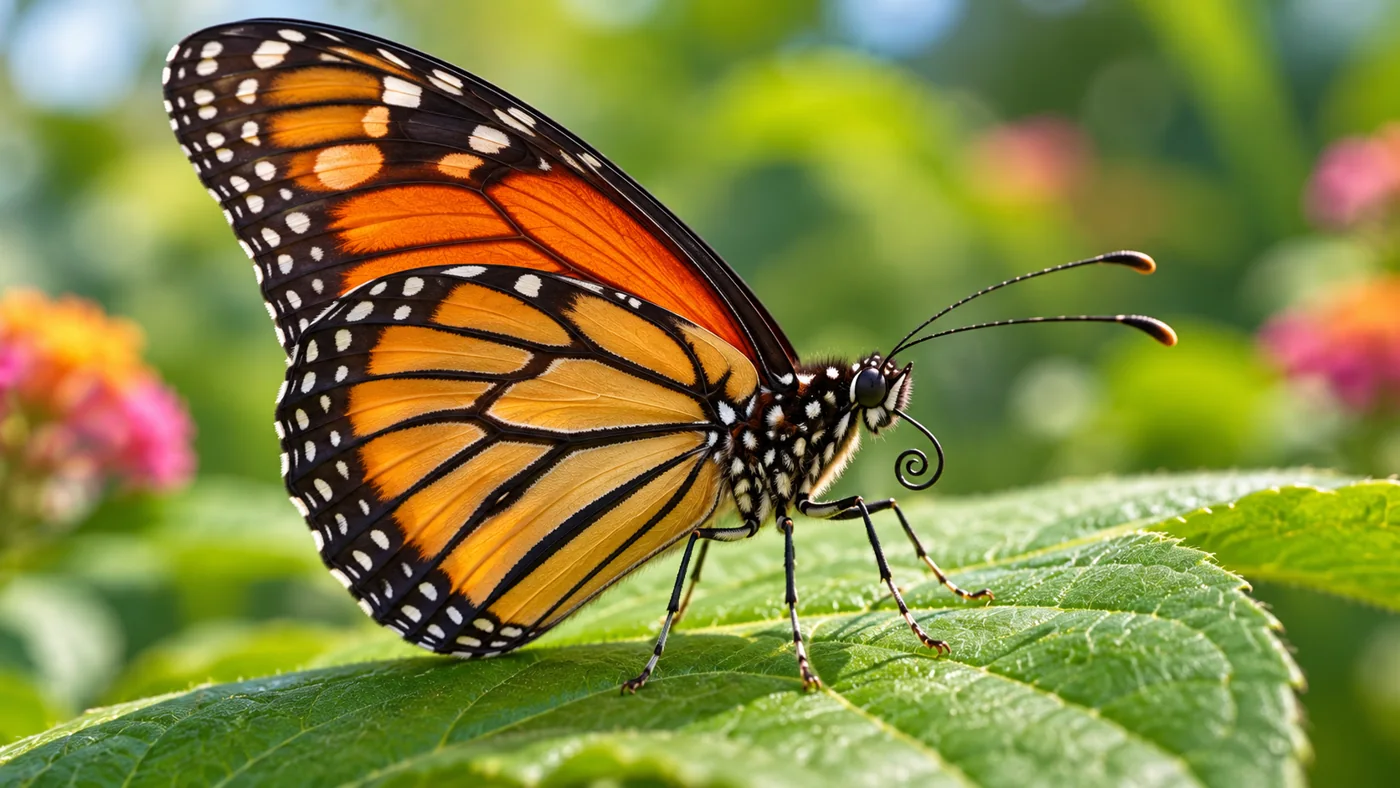
Butterflies have taste receptors on their feet, so landing on a leaf can tell them whether it is a suitable food or egg-laying plant. The sensors detect chemical cues when the butterfly touches a surface. Their feet are one part of a larger sensory system that also includes receptors on the mouthparts and antennae.
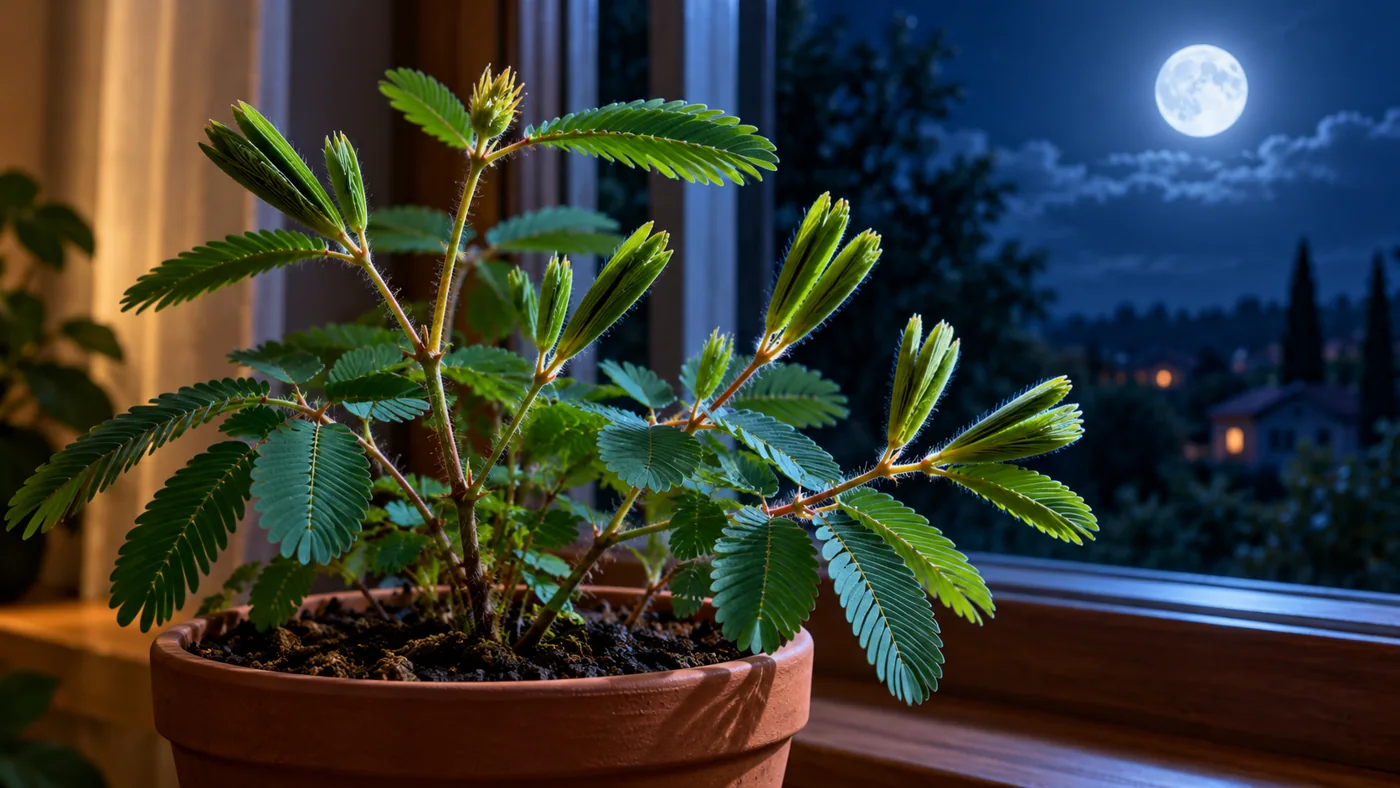
Plants do not sleep as animals do, but many show daily movements that resemble sleep. Leaves may droop or fold at night and reopen around dawn, guided by internal circadian clocks and environmental cues. The pattern differs among species and is not a sign that plants become unconscious.
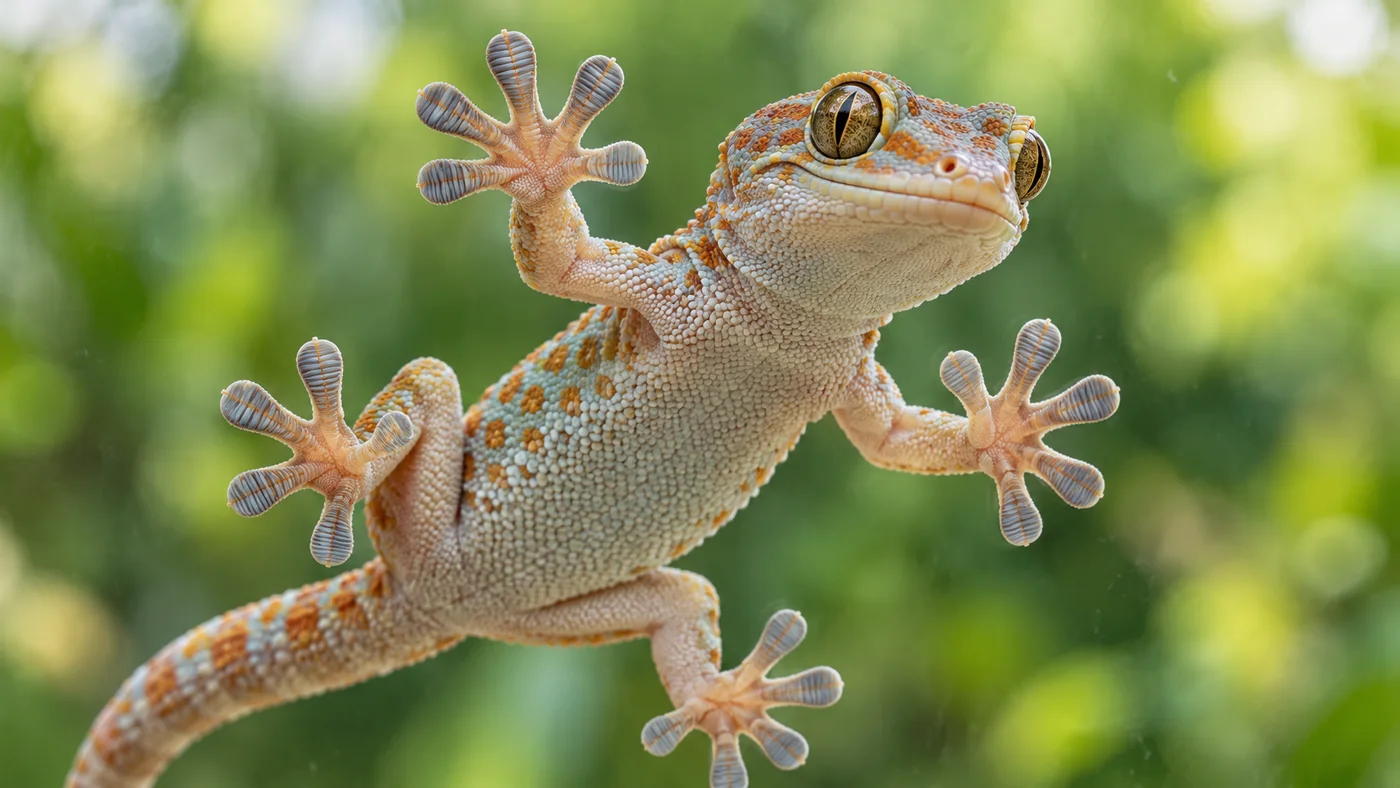
Geckos climb smooth surfaces using millions of microscopic hairs on their toes. The hairs split into even smaller tips that make close contact with a surface, allowing weak intermolecular attractions to add up to strong, reversible grip. Geckos can detach by changing the angle of their toes as they step.
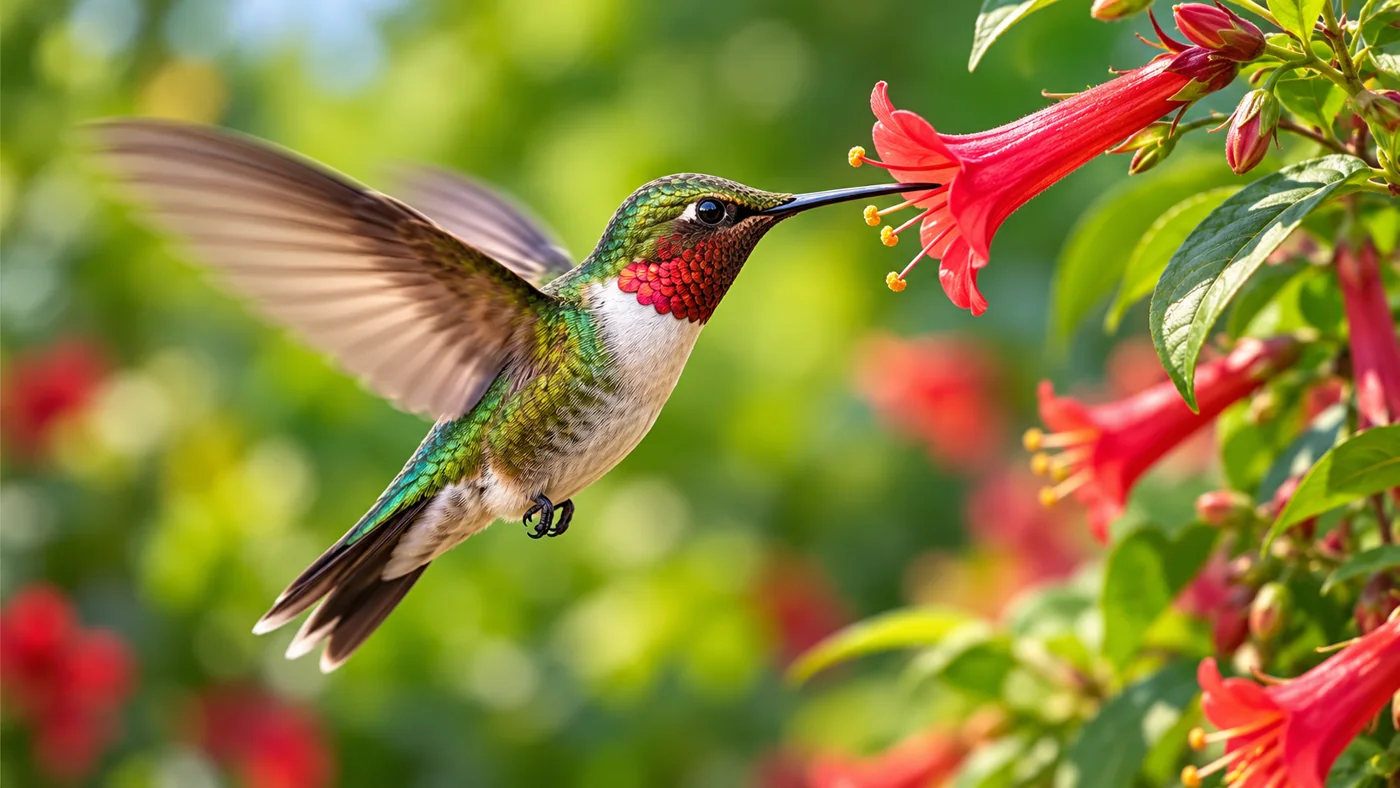
Hummingbirds hover by beating their wings rapidly in a figure-eight-like motion. Unlike most birds, they generate lift on both the downstroke and upstroke, letting them stay in place while drinking nectar. Their wing joints and powerful flight muscles give them unusually fine control, but hovering uses a great deal of energy.
A pressure cooker traps steam, raising pressure above the food. Higher pressure raises water’s boiling point, allowing the cooking liquid and steam to become hotter than they would in an open pot. The hotter environment speeds many cooking processes, especially for dense foods such as beans.
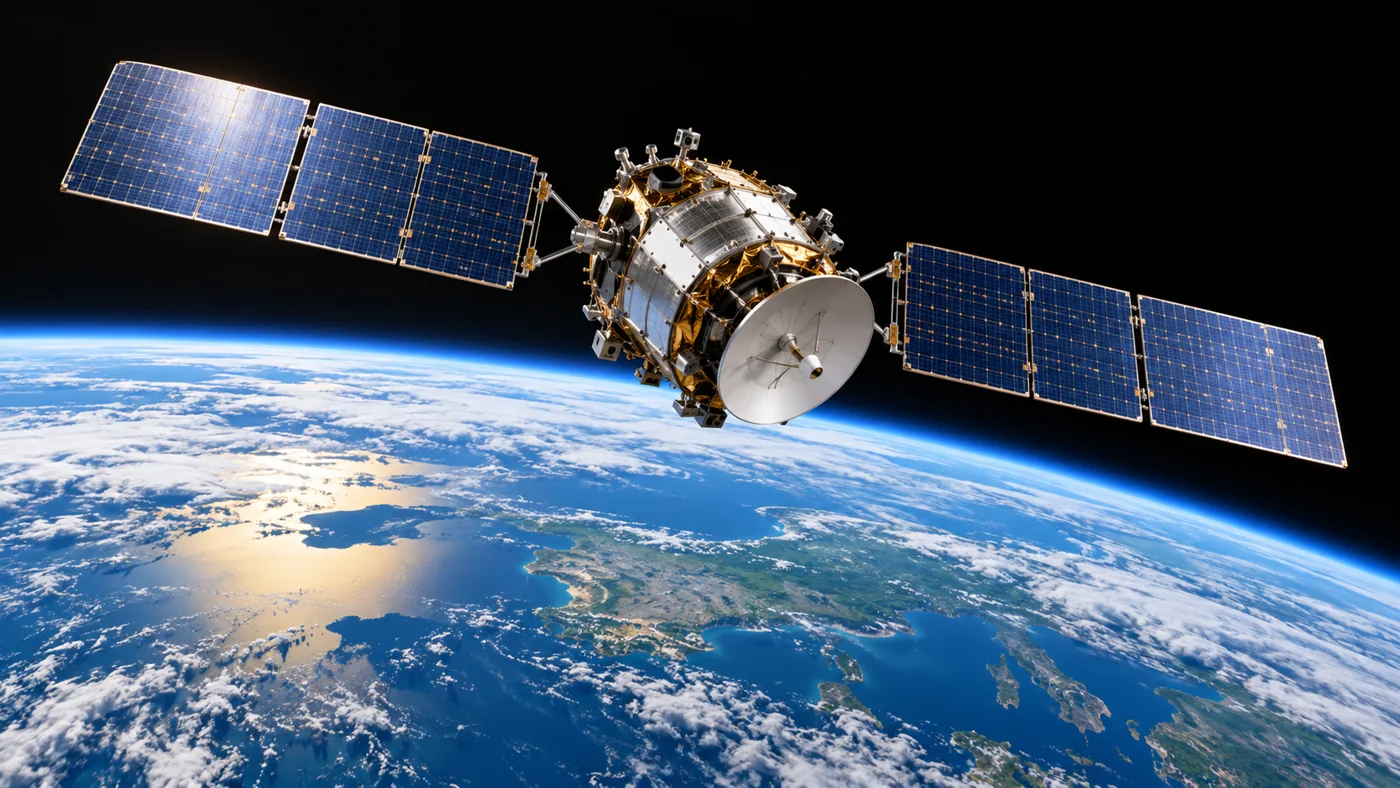
Satellites are constantly falling toward Earth, but they also move sideways fast enough to keep missing it. Gravity bends their path into a curved orbit. The balance between forward motion and gravity keeps them circling rather than dropping straight down.
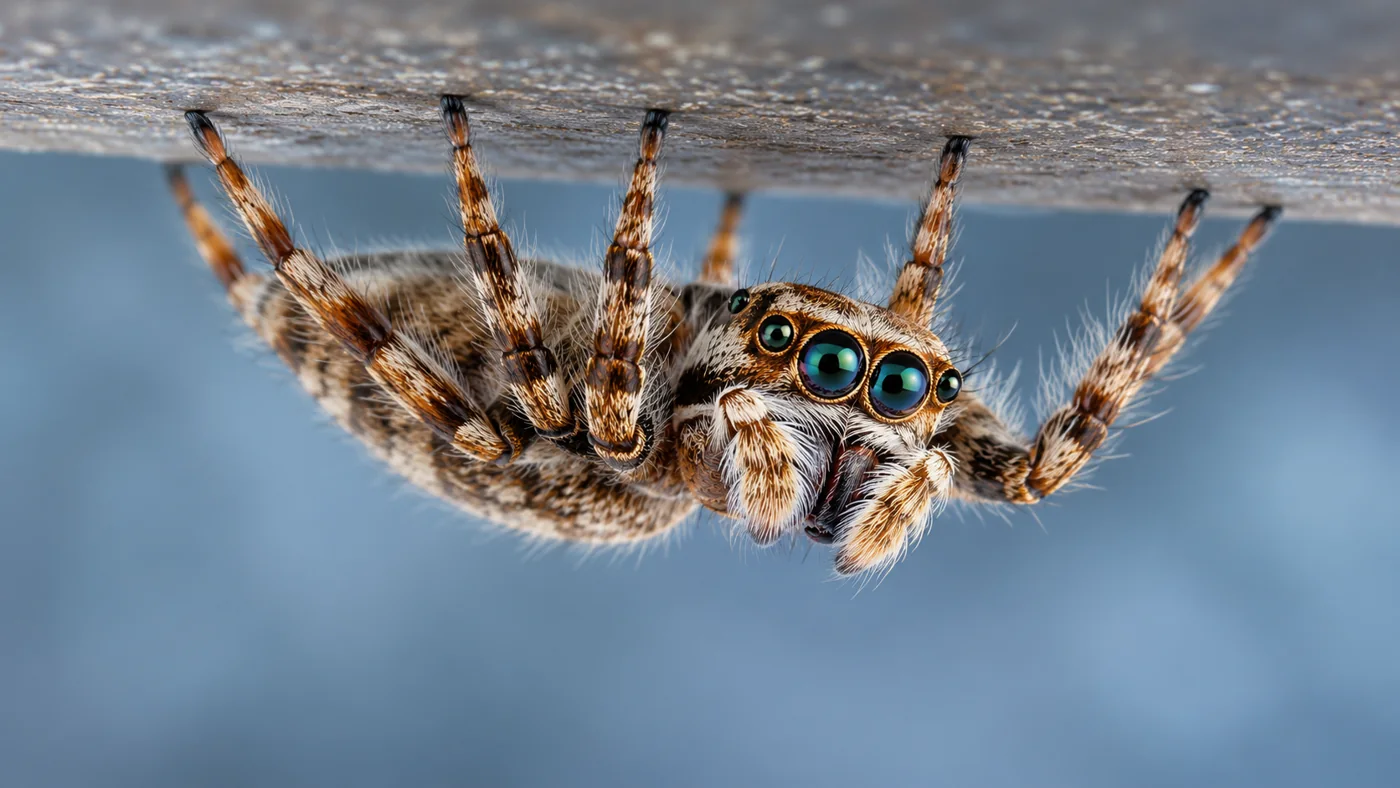
Many spiders cling to smooth walls and ceilings using dense tufts of microscopic hairs on their feet. These contact structures increase the area that can interact with a surface, creating weak attractions that add up. Spider species differ, and some use additional strategies such as claws or silk safety lines.
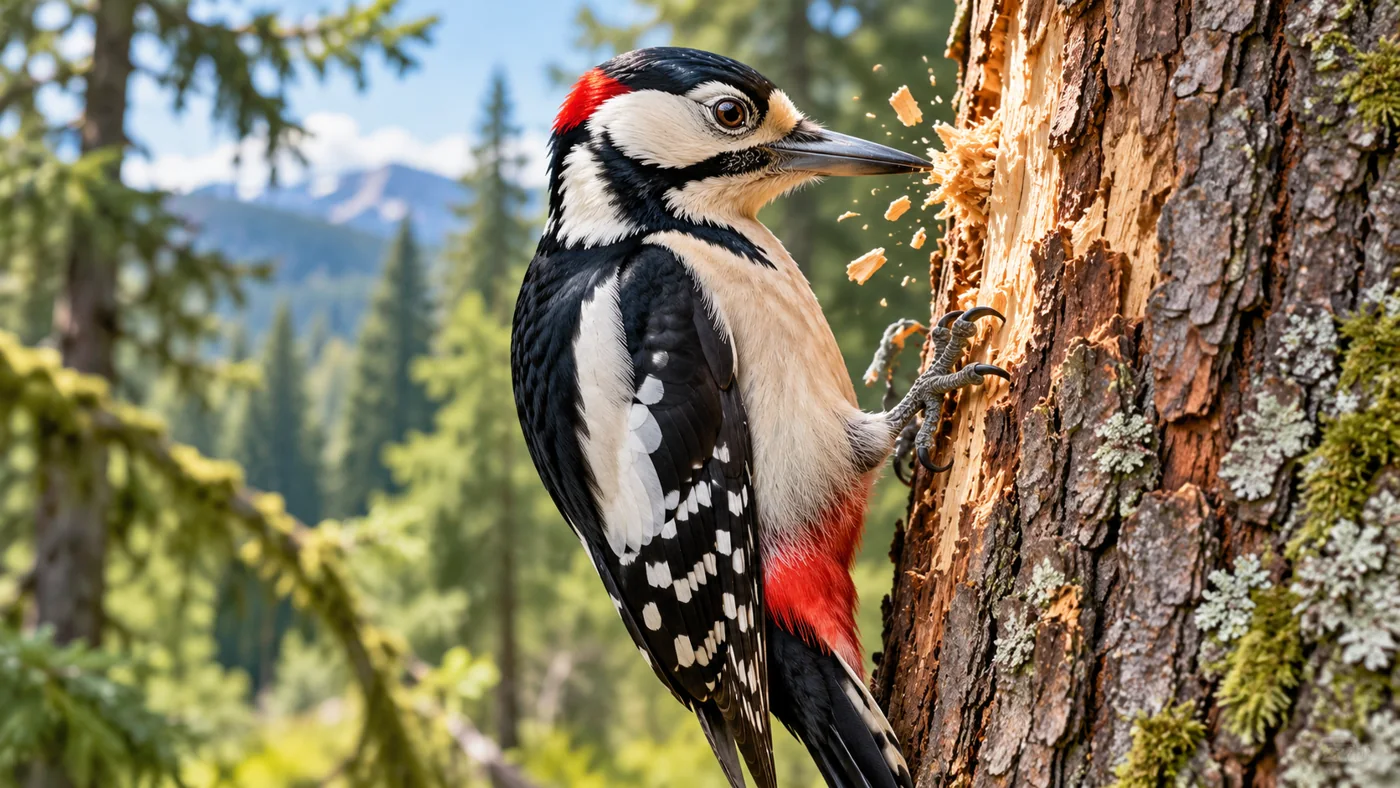
Woodpeckers are not protected by a soft, shock-absorbing skull in the way many popular explanations claim. Their small size and pecking mechanics keep measured brain loading below known primate concussion thresholds.
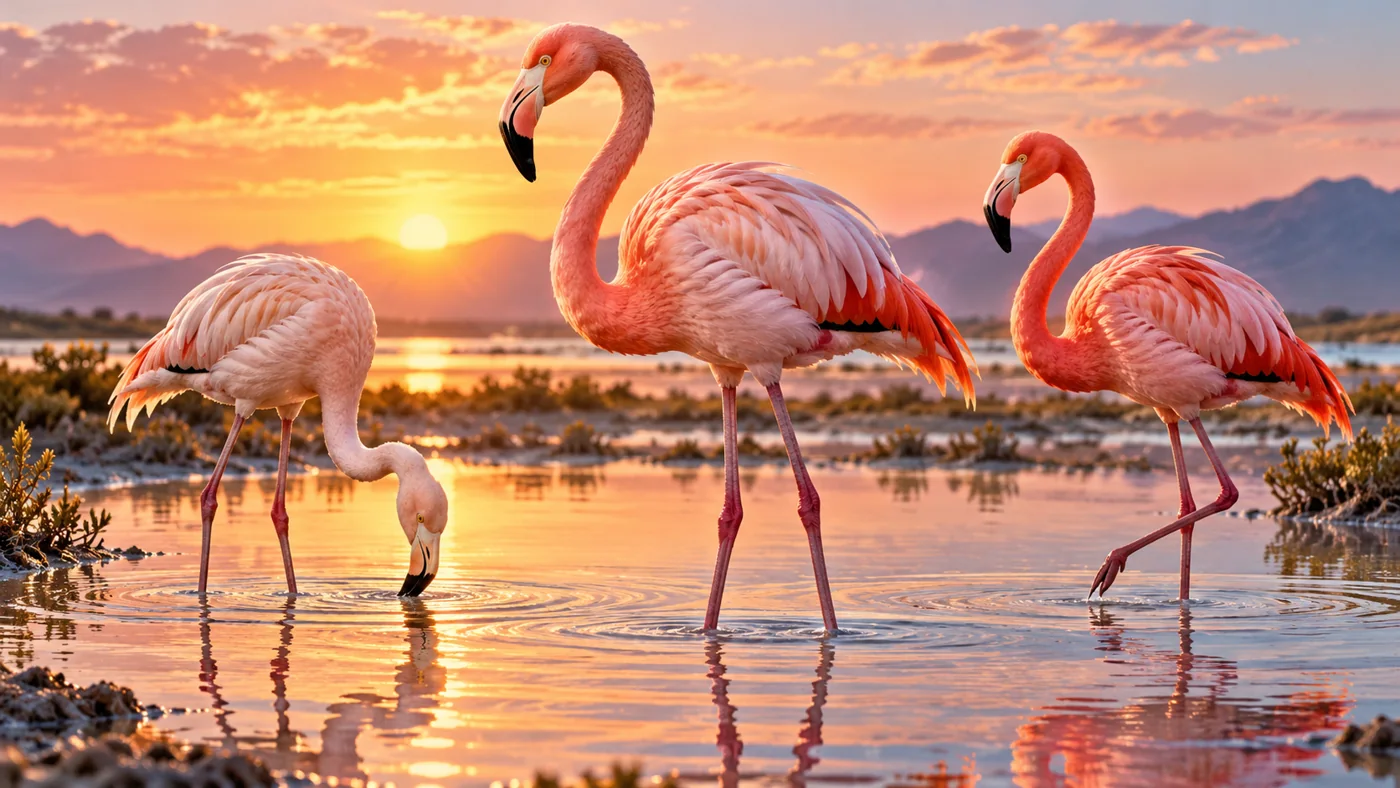
Flamingos get their pink and orange hues from carotenoid pigments in algae and tiny crustaceans they eat. Their bodies process these pigments and deposit them in feathers and skin. Young flamingos are often pale because their adult color develops over time with diet and feather growth.
White airplane trails form when hot, moist engine exhaust mixes with very cold air at high altitude. Water vapor condenses and freezes into tiny ice crystals, creating a narrow cloud called a contrail. Whether it fades quickly or spreads out depends largely on the humidity of the surrounding air.
Some astronauts have reported brief flashes even with their eyes closed. Research from Apollo missions linked the phenomenon to energetic cosmic particles passing through or interacting with the visual system. The exact biological route is complex, but the flashes are not ordinary light entering the eye.
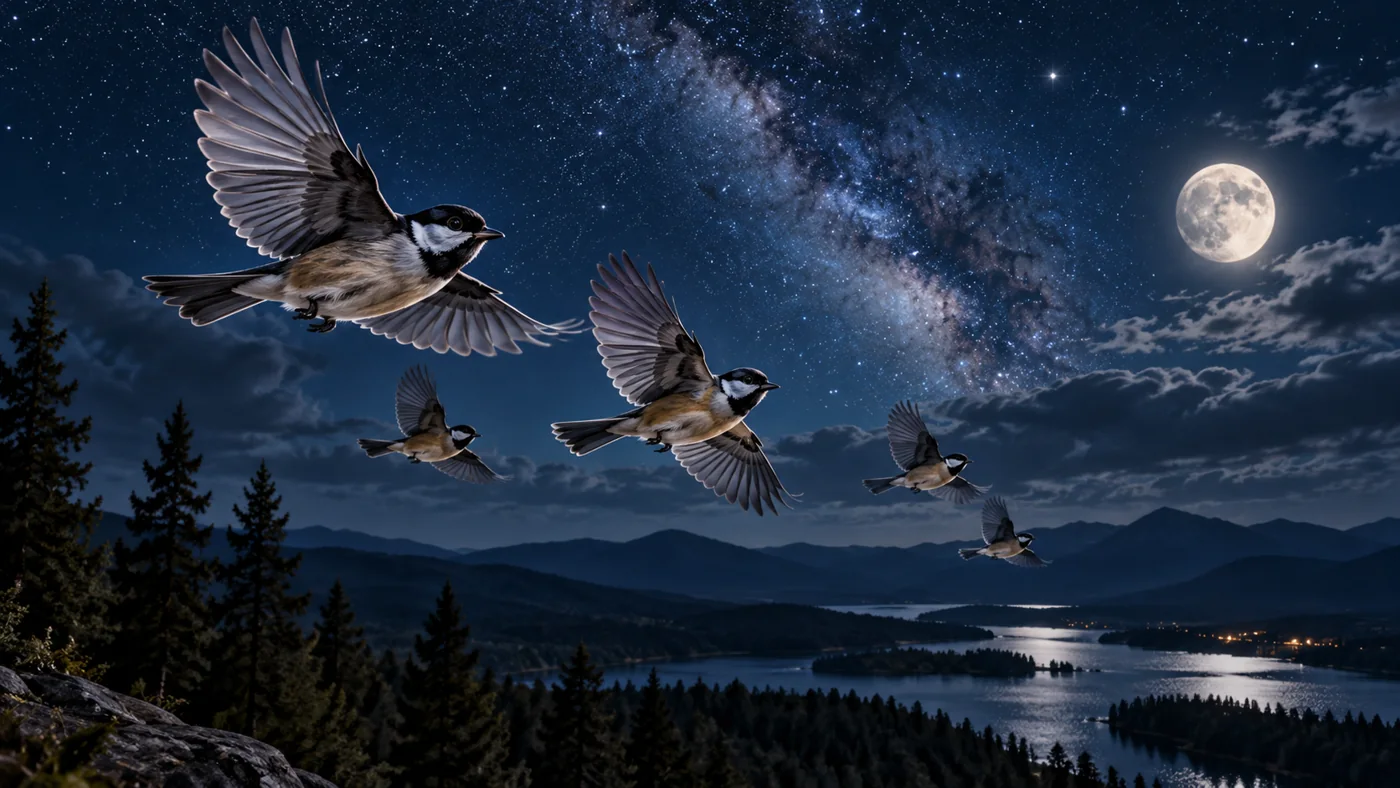
Many songbirds migrate at night, when cooler temperatures reduce overheating and daylight hours remain available for feeding. Darkness can also help avoid some daytime predators. Birds use stars, Earth’s magnetic field and other cues to orient, though the exact mix varies by species and conditions.
Cats purr through rhythmic vibrations in the larynx as they breathe. They often purr when relaxed, but also in other situations, including stress or discomfort. Researchers do not think one explanation covers every purr: the sound may support communication between cats and people and can occur in different emotional contexts.
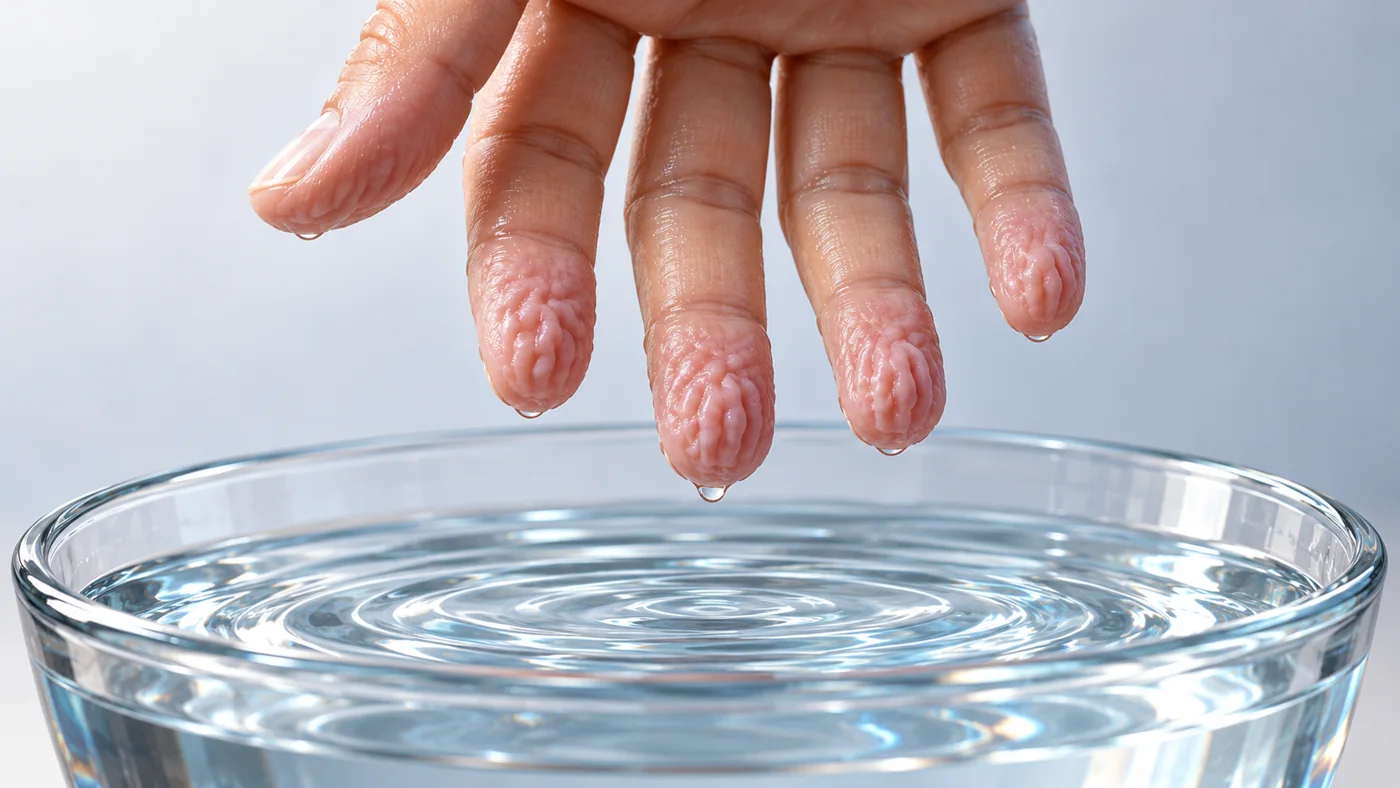
Fingers wrinkle after soaking because the nervous system changes blood flow in the skin, creating ridges and valleys. The response requires functioning nerves and is not simply water swelling the outer skin. Researchers have proposed that the wrinkles may improve handling wet objects, though the evolutionary purpose is still debated.
Microwave ovens create patterns of stronger and weaker electromagnetic energy inside the cooking cavity. Food also absorbs energy unevenly depending on its shape, water content and thickness. Turntables help move food through hot and cold zones, while stirring and standing time let heat spread by conduction.
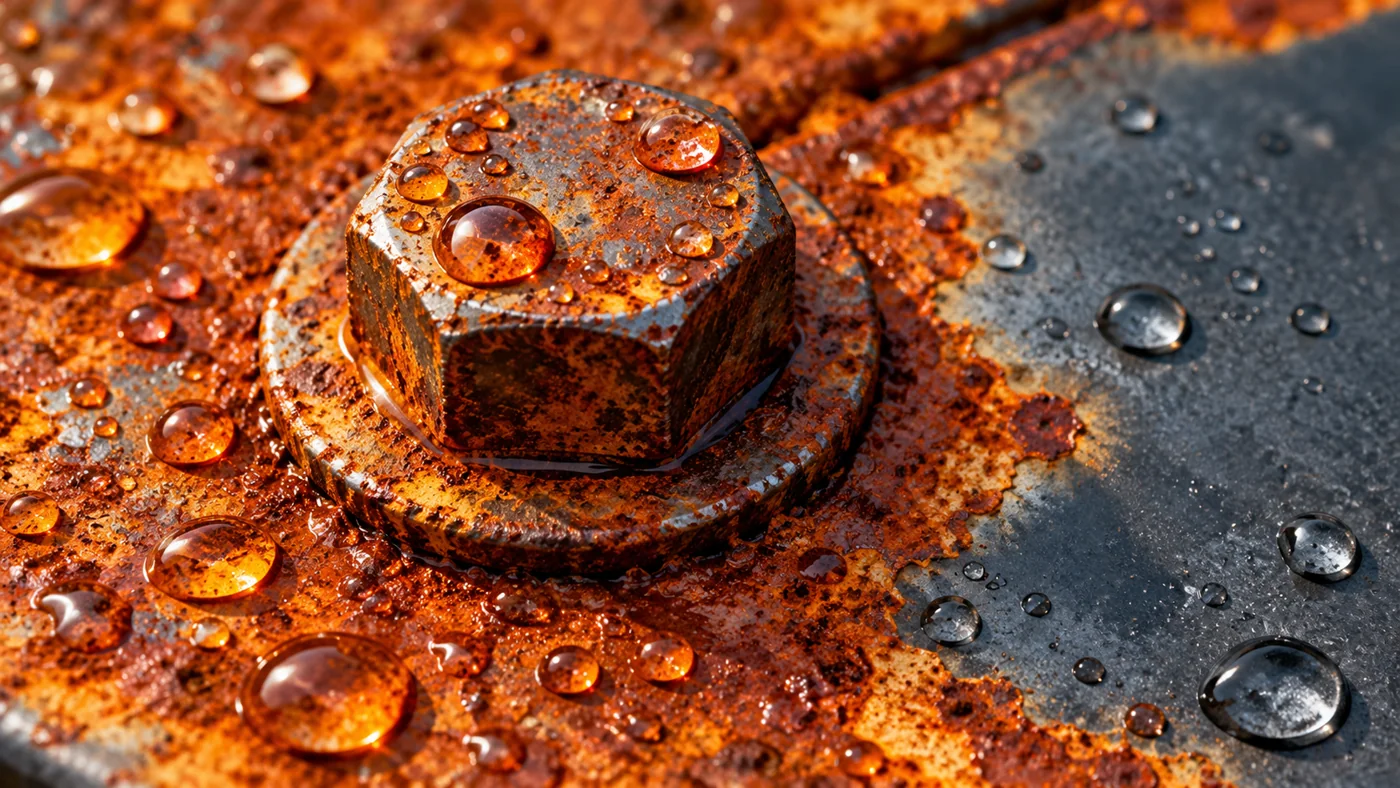
Iron rusts when iron, oxygen and water take part in an electrochemical reaction. The reddish-brown material is hydrated iron oxide, not a simple coating of dirt. Salt and acidic conditions can speed corrosion because they help electrical charges move through the thin water film on the metal.
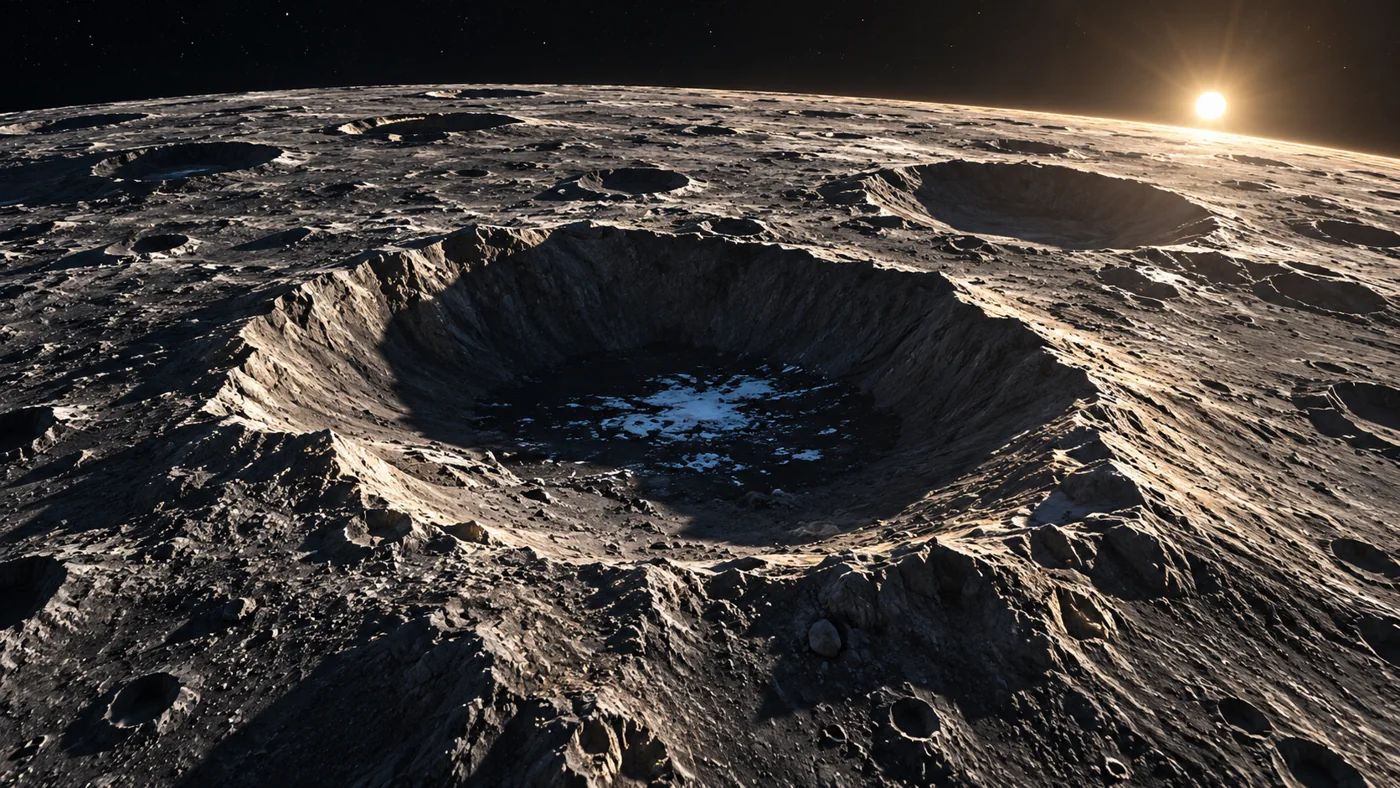
Mercury is the closest planet to the Sun, yet water ice can survive inside some polar craters. The key is permanent shadow: crater floors that sunlight never reaches stay cold enough to trap ice.
Sound travels faster in water because pressure disturbances pass through the closely connected molecules of a liquid more quickly than through a gas. The exact speed depends on water temperature, salinity and pressure. Faster speed does not mean sound is always louder or easier to hear underwater.
Mars looks red because iron-bearing minerals in its rocks and dust have oxidized, producing iron oxides similar to rust. Fine rusty dust spreads across the surface and into the atmosphere, tinting the planet from orbit.
Thunderstorms can trigger brief electrical flashes above their clouds. Blue jets and red sprites are different transient luminous events in the upper atmosphere.
Bees can detect weak electric fields around flowers and use them as one of several foraging cues. Tiny sensory hairs may vibrate in response to the field.
Experiments with American crows show that they can learn to recognize a threatening face and keep responding to it years later. They can also learn from other crows.
A 2026 study found that rain-like vibrations accelerated germination in rice seeds under particular conditions. Researchers describe a mechanical response, not conscious hearing.

 Nature