
 Technology
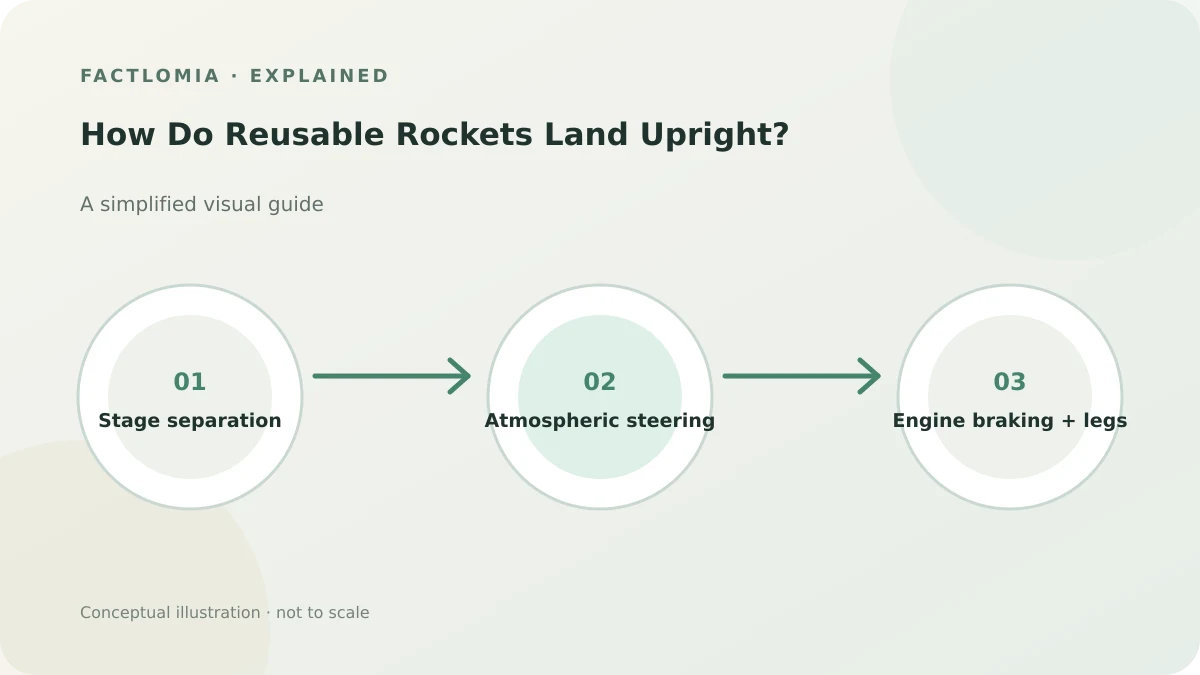
How Do Reusable Rockets Land Upright?
Reusable rocket boosters use carefully timed engine burns, aerodynamic control and landing legs to return to a planned spot. Here is how the sequence works.
Page 2 of 16 · Science, nature, space and history.
TechnologyReusable rocket boosters use carefully timed engine burns, aerodynamic control and landing legs to return to a planned spot. Here is how the sequence works.
 Technology
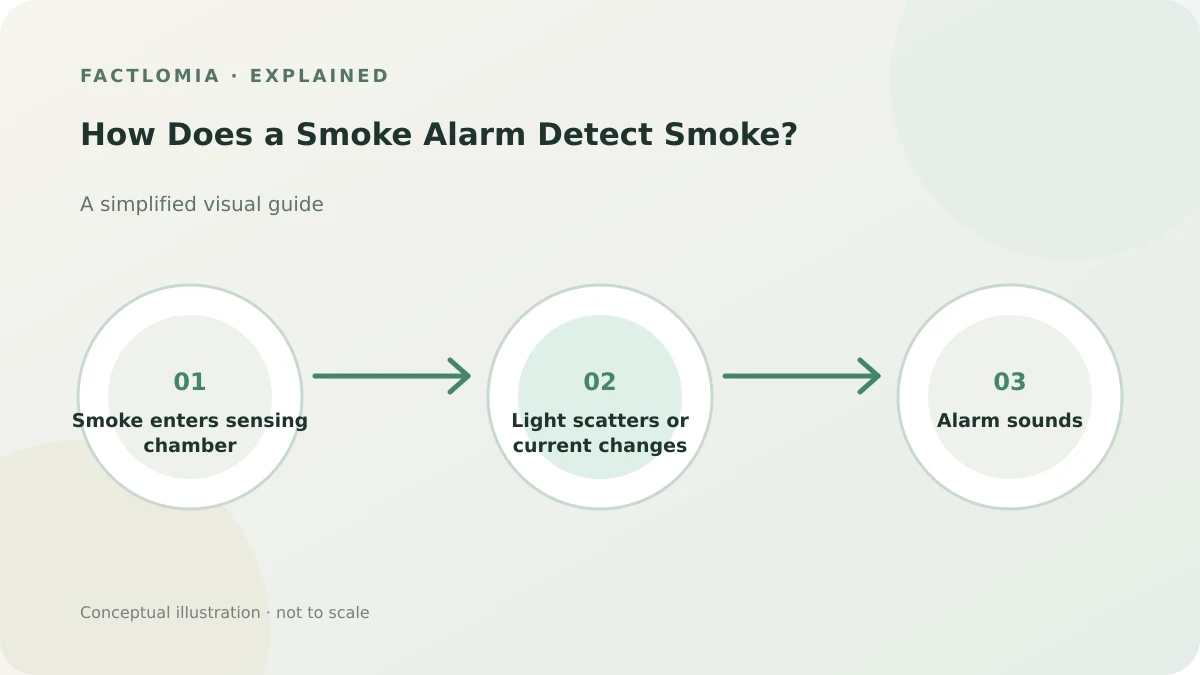
Smoke alarms use sensors to detect particles in air. Photoelectric alarms sense light scattering; ionization models detect changes in a tiny electrical current.
 Science
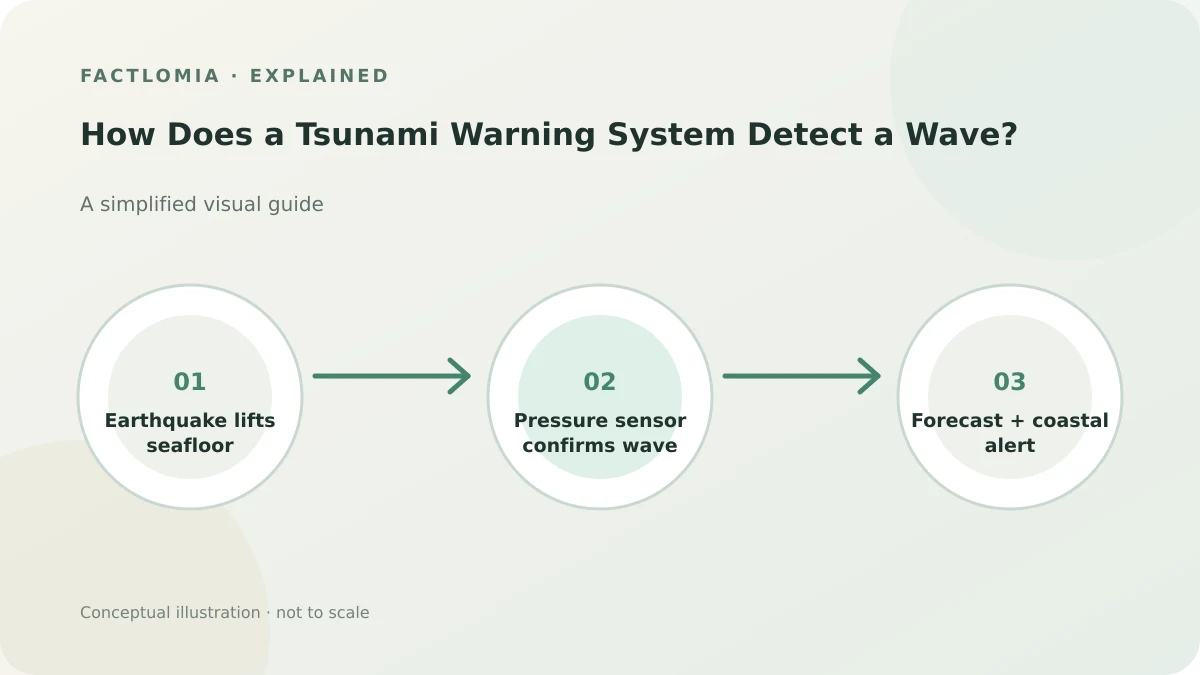
Tsunami warning centers combine earthquake data, ocean sensors and forecast models to estimate whether dangerous waves are approaching a coast.
 Space
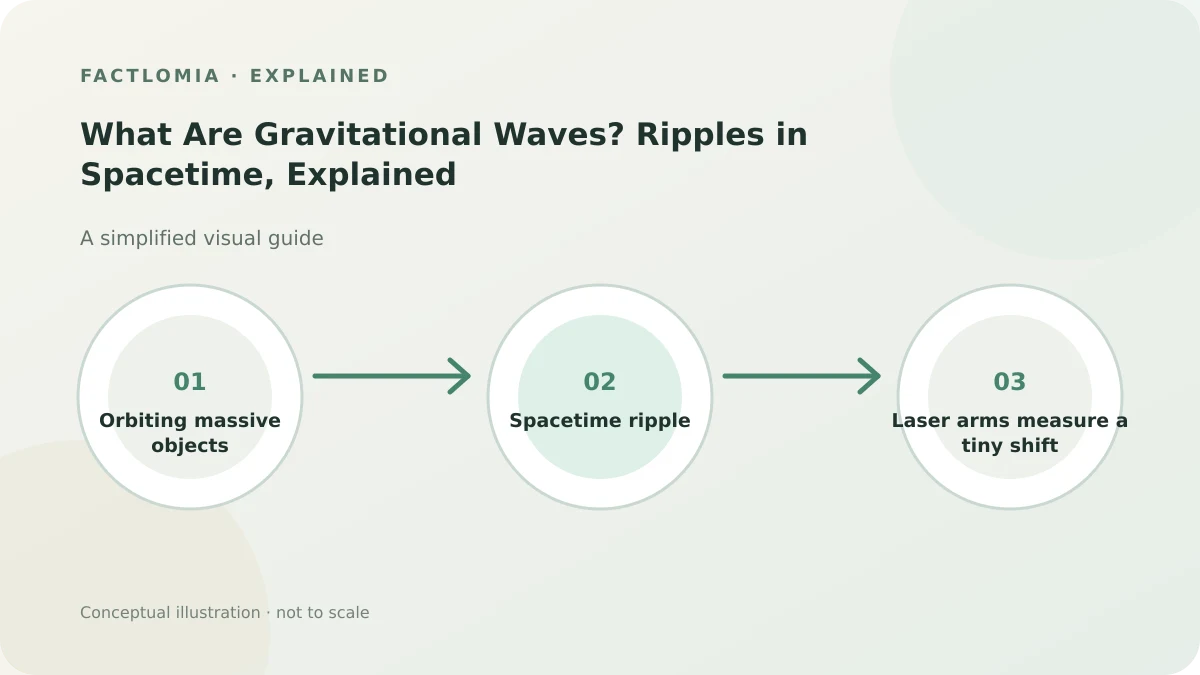
Gravitational waves are tiny disturbances in spacetime produced by accelerating massive objects. Learn how mergers create them and how observatories detect the signal.
 Science
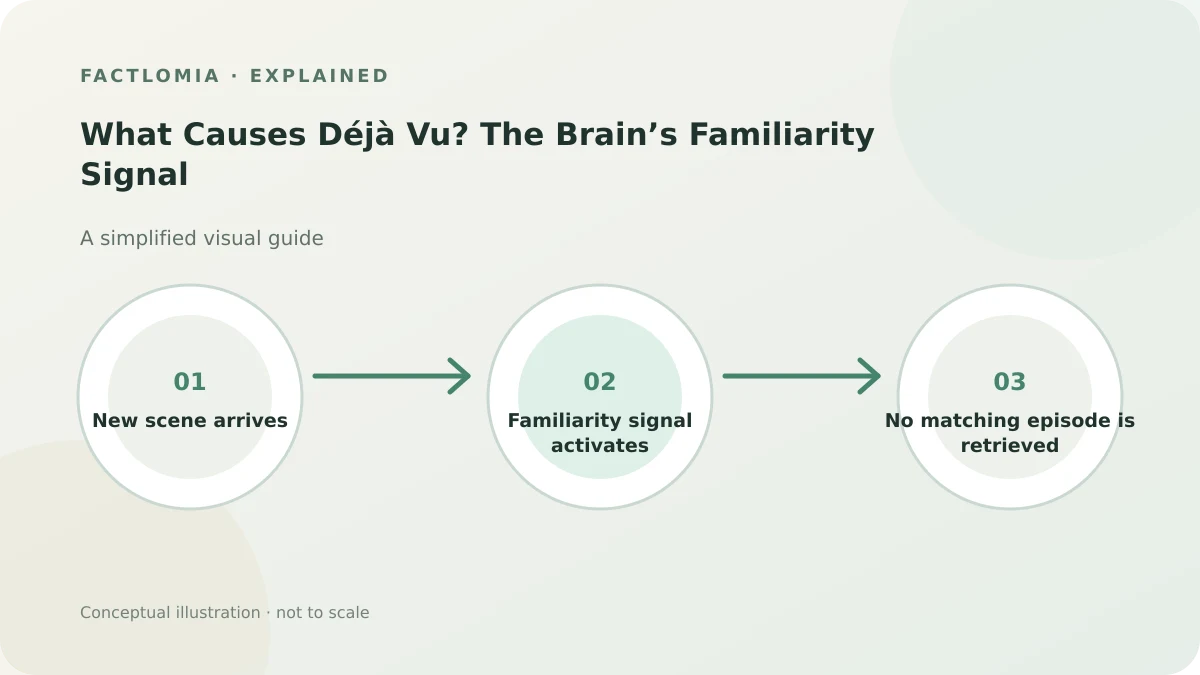
Déjà vu is a brief feeling that a new moment is familiar. Researchers link it to memory and familiarity processes, but no single mechanism explains every episode.
 Science
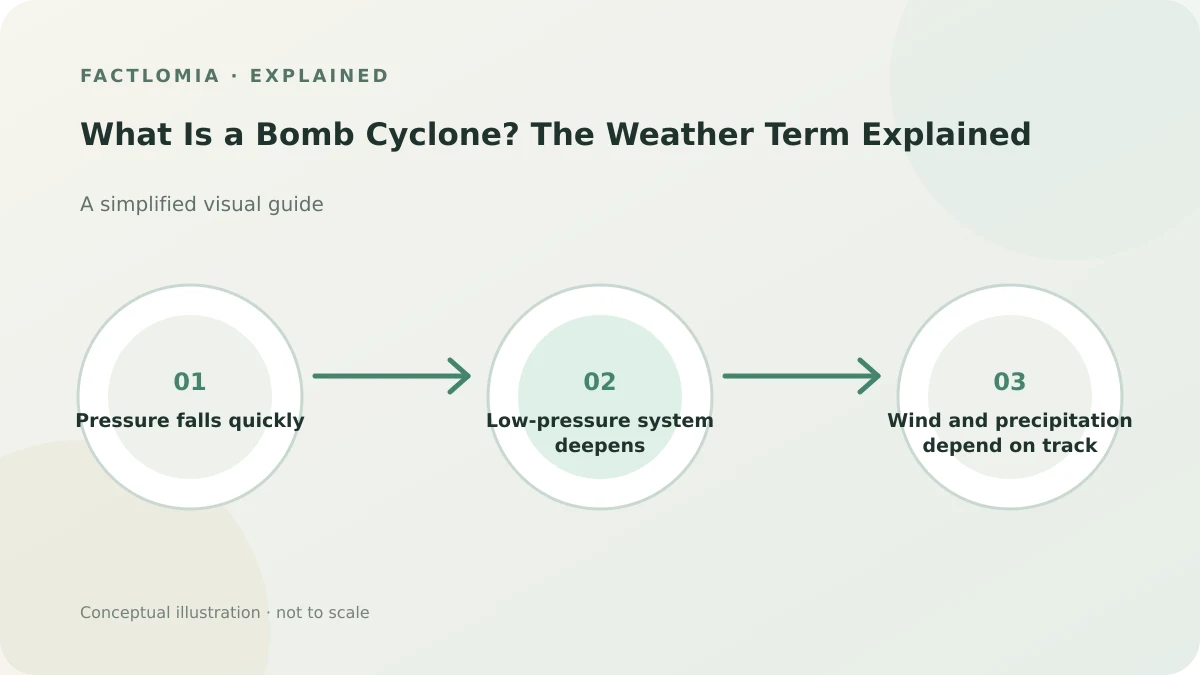
A bomb cyclone is a midlatitude storm that intensifies rapidly as its central pressure falls. The name describes the rate of strengthening, not an explosion.
 Nature
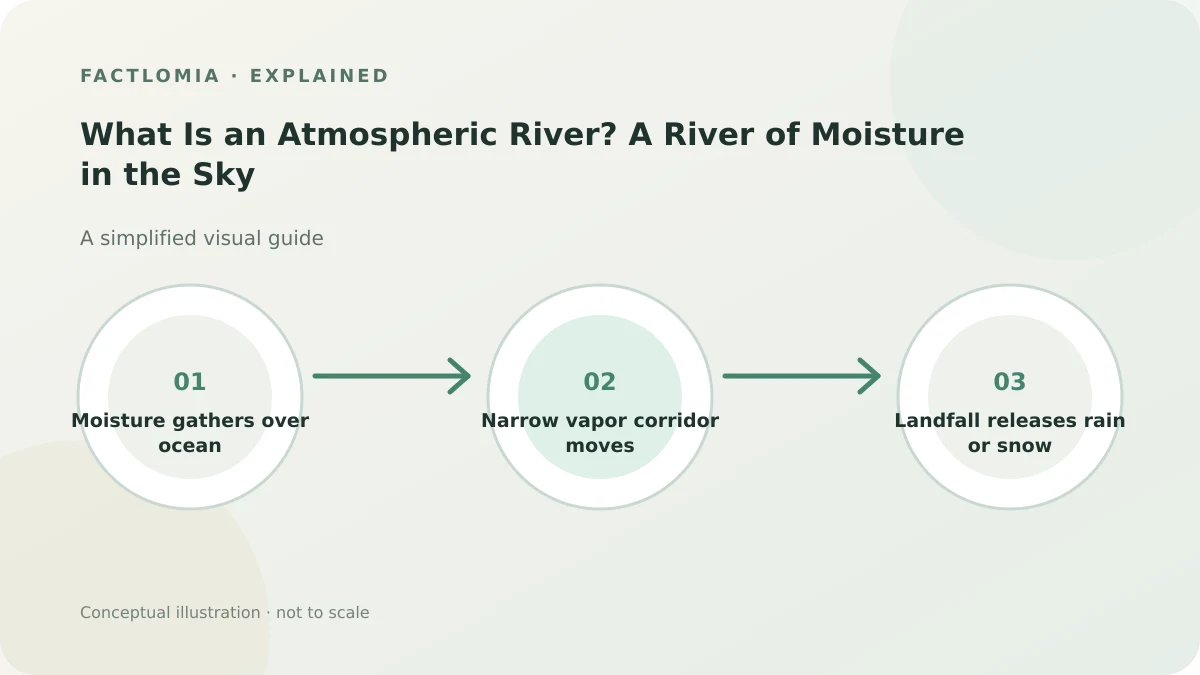
Atmospheric rivers are long, narrow corridors that transport water vapor. They can replenish water supplies, but strong or stalled systems can also bring flooding.
 Nature
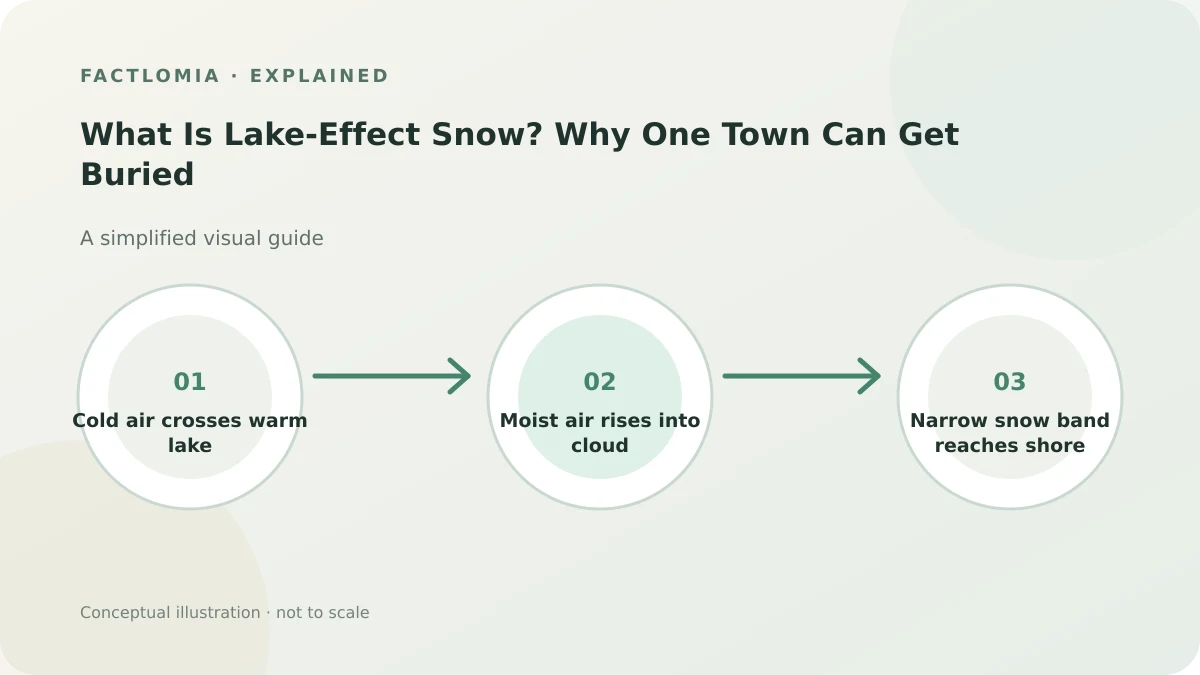
Lake-effect snow forms when cold air crosses comparatively warm, open lake water, picks up moisture and rises into narrow snow-producing bands.
 Science
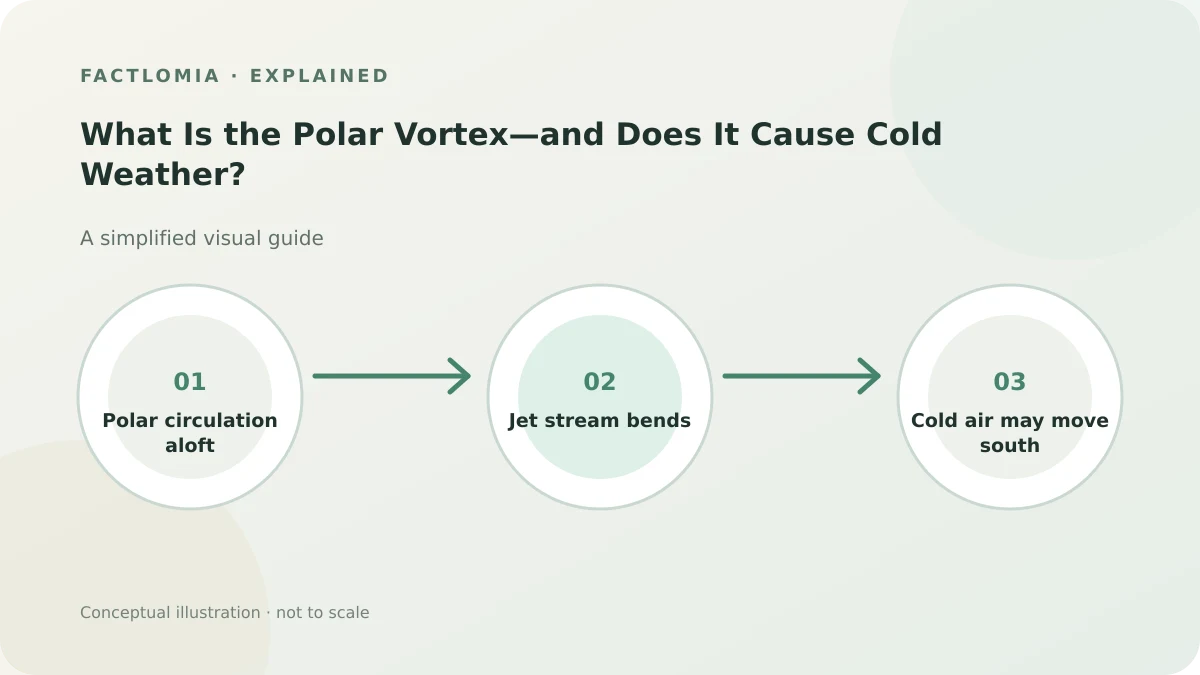
The polar vortex is a large circulation of cold air around each pole. It always exists; winter cold outbreaks happen when atmospheric patterns allow Arctic air to move south.
 Science
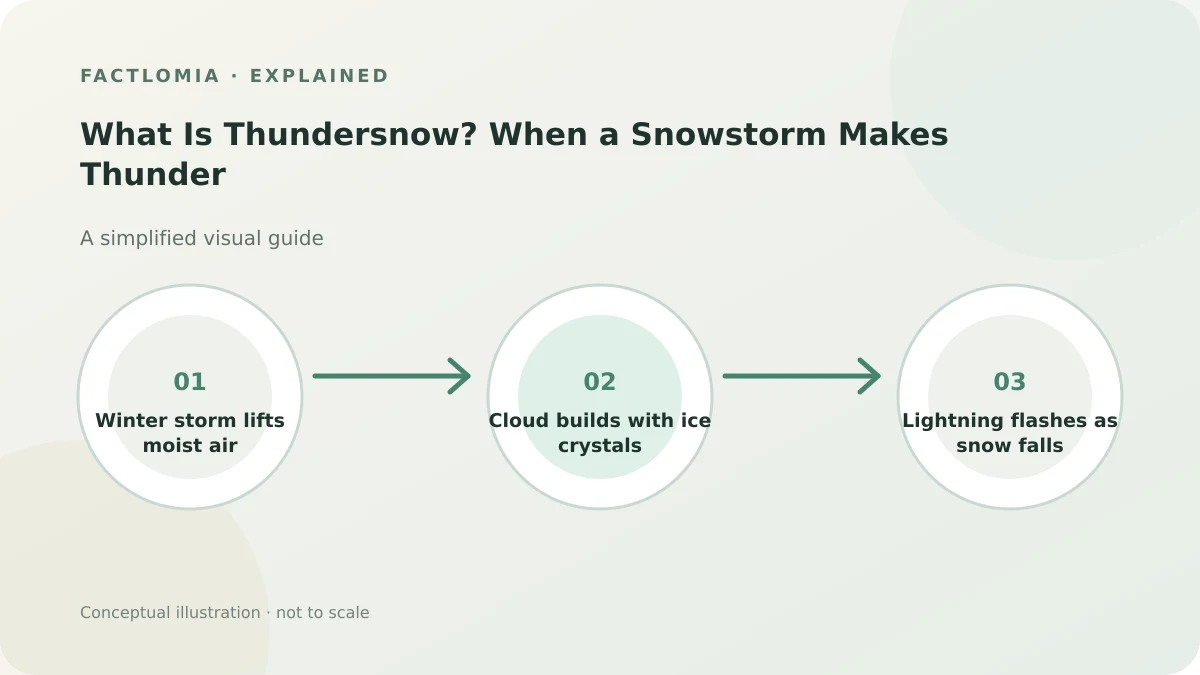
Thundersnow is a thunderstorm whose precipitation is snow. Strong rising air, instability and moisture can produce lightning inside an intense winter storm.
 Science
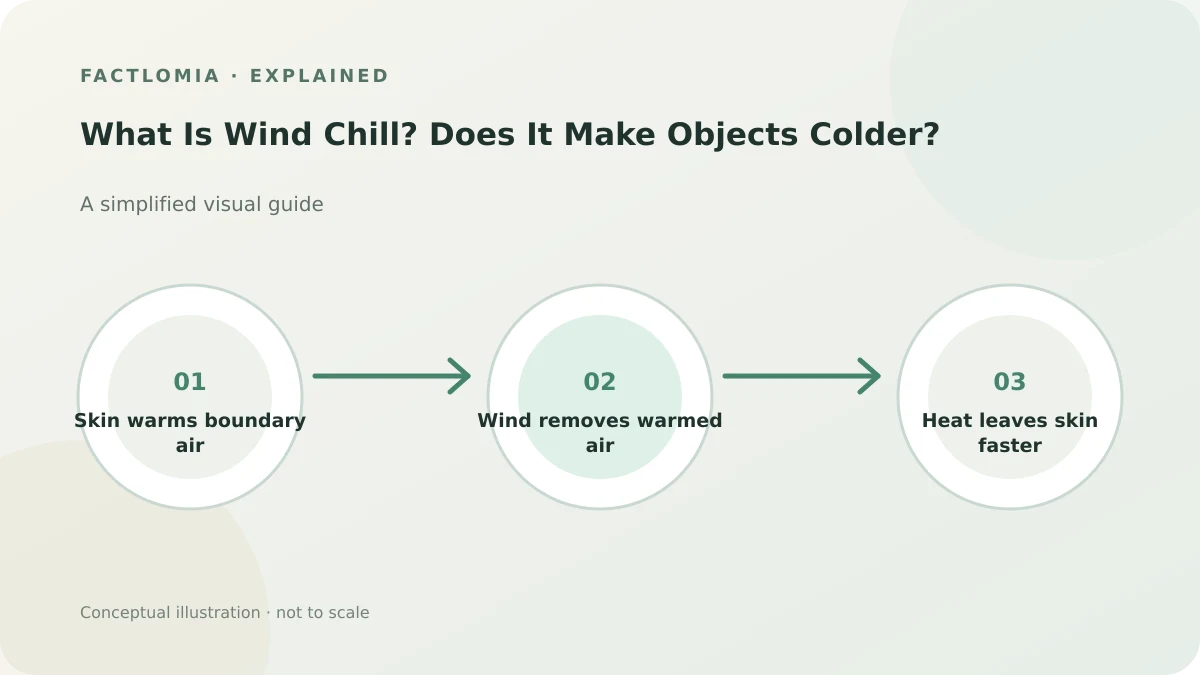
Wind chill estimates how quickly wind and cold air remove heat from exposed skin. It changes perceived heat loss, not the thermometer reading of an inanimate object.
 Technology
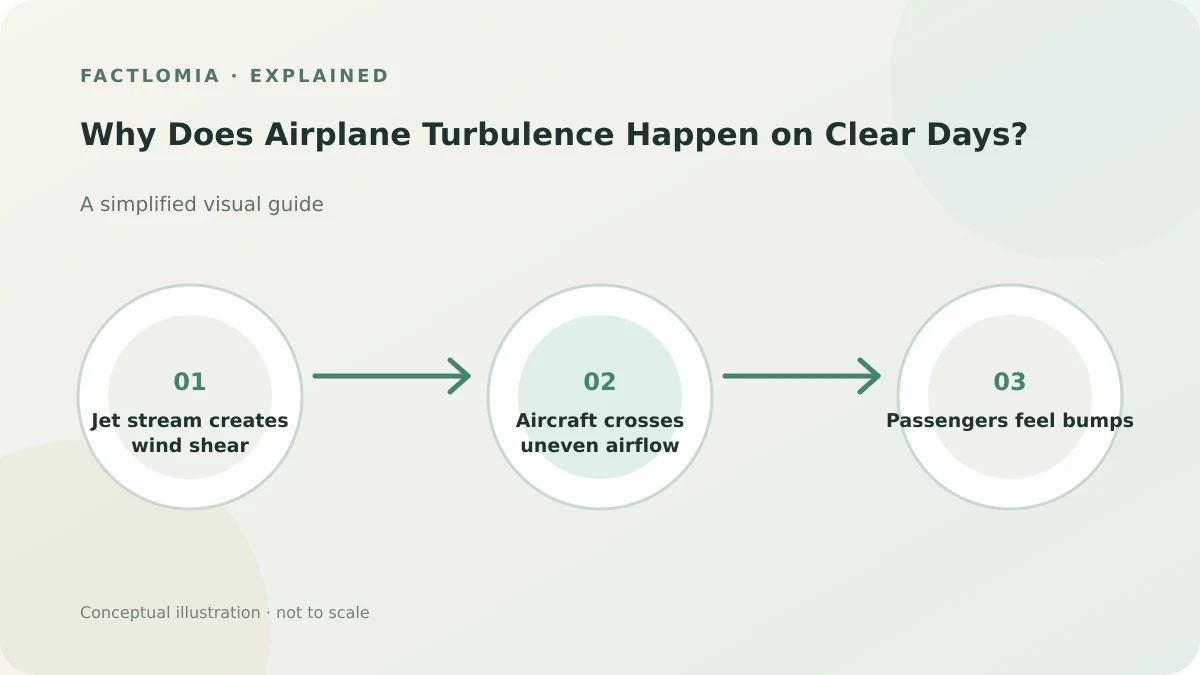
Turbulence is irregular air movement caused by weather fronts, mountains, storms or wind shear. It can occur in clear skies when nearby air moves at different speeds.
 Science
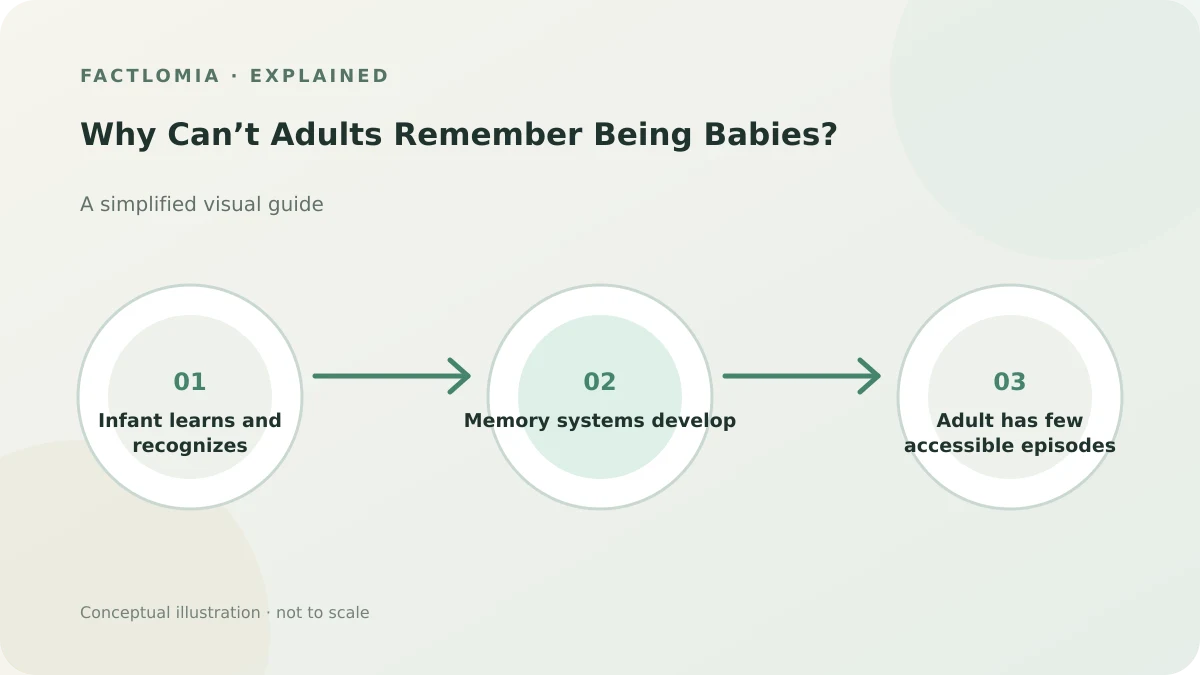
Most adults recall few or no events from infancy because autobiographical memory systems develop over childhood. Babies learn, but early memories are hard to retain and retrieve later.
 Science
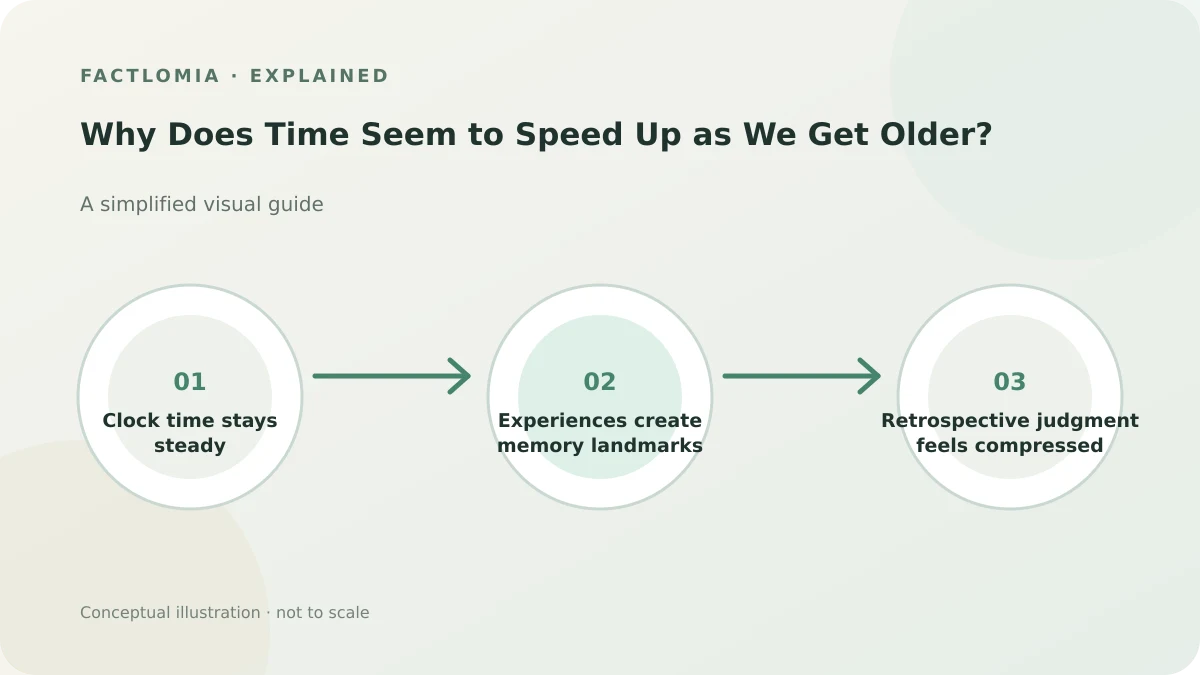
Clock time does not change with age, but remembered time can feel faster as routines, attention, memories and personal expectations shape how we judge past periods.
 Science
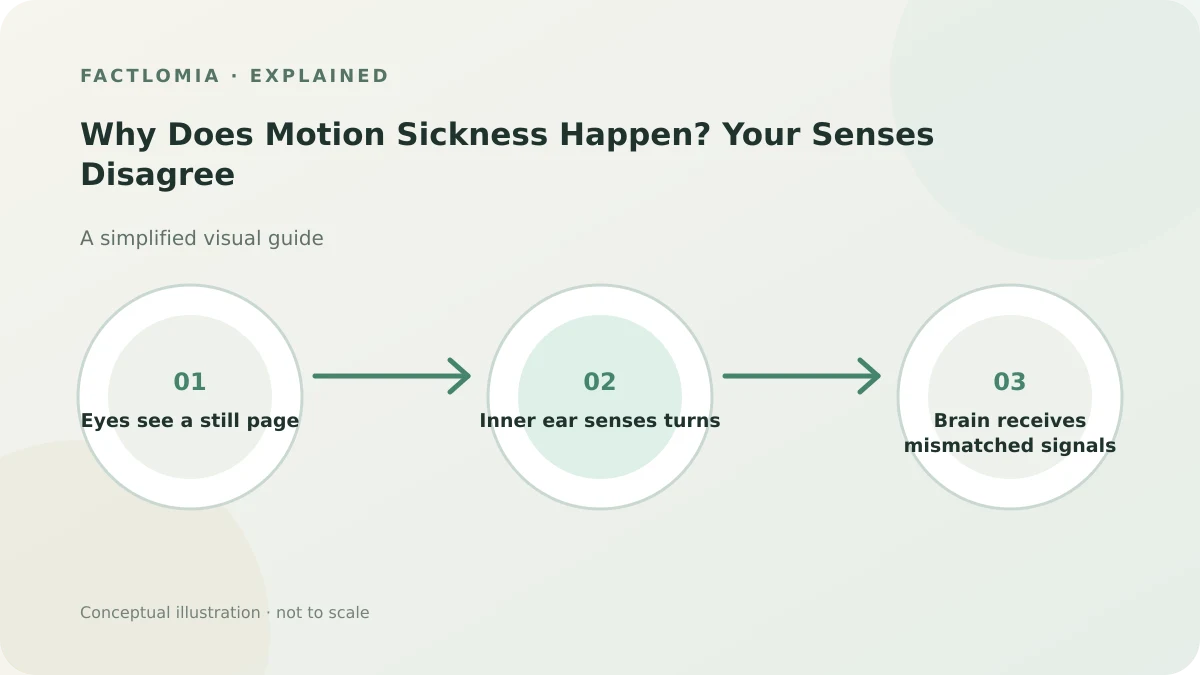
Motion sickness can happen when the brain receives conflicting motion signals from the eyes, inner ear and body. Cars, boats, planes and VR can all trigger it.
 Science
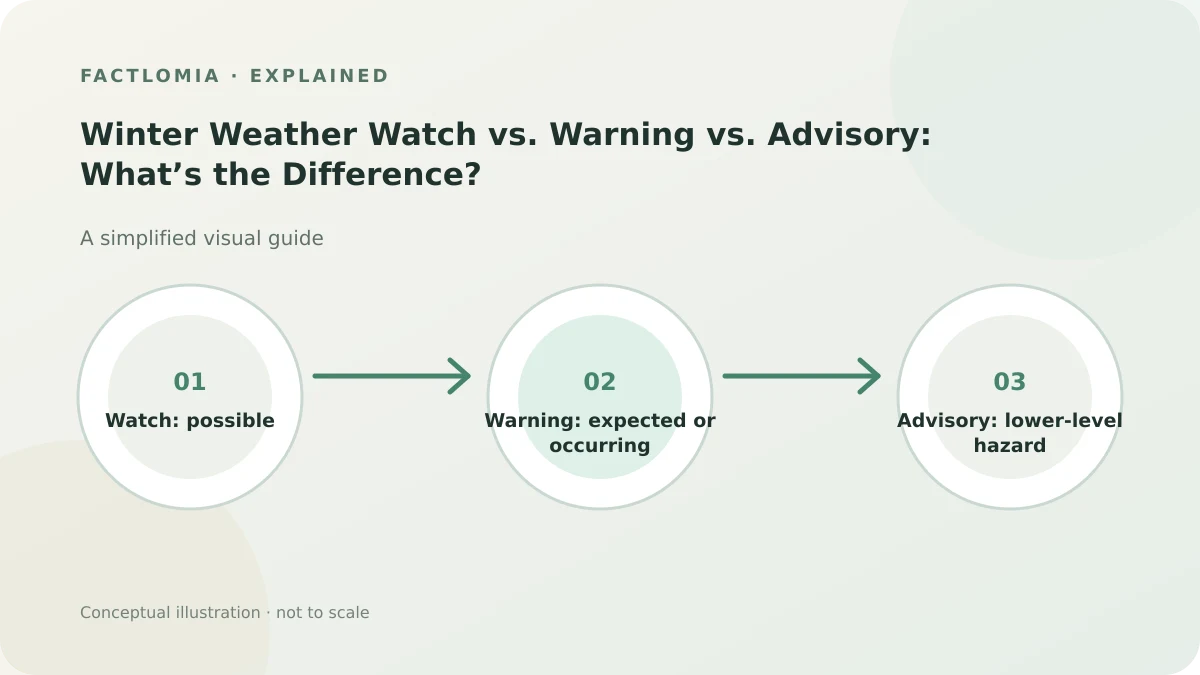
A watch means conditions are favorable, a warning means a hazardous event is occurring or imminent, and an advisory signals less severe but disruptive conditions.
 Nature
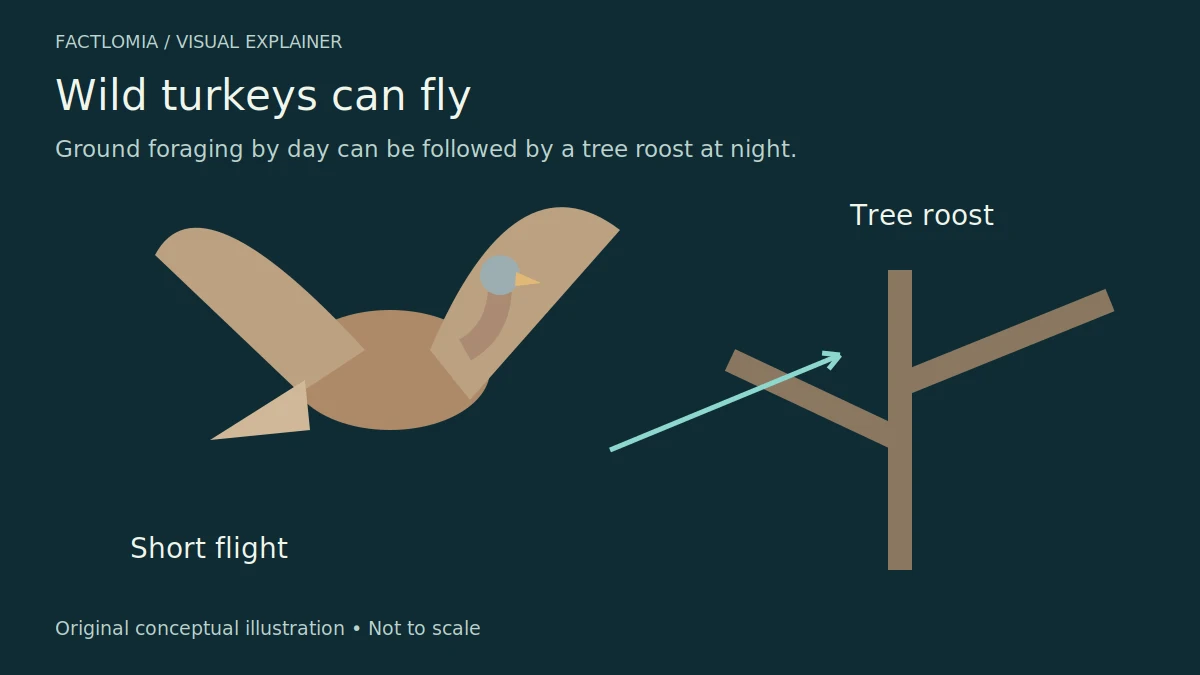
Wild turkeys can fly despite their heavy appearance. Learn how flight helps them escape and reach nighttime roosts, and why ground sightings are misleading.
 Nature
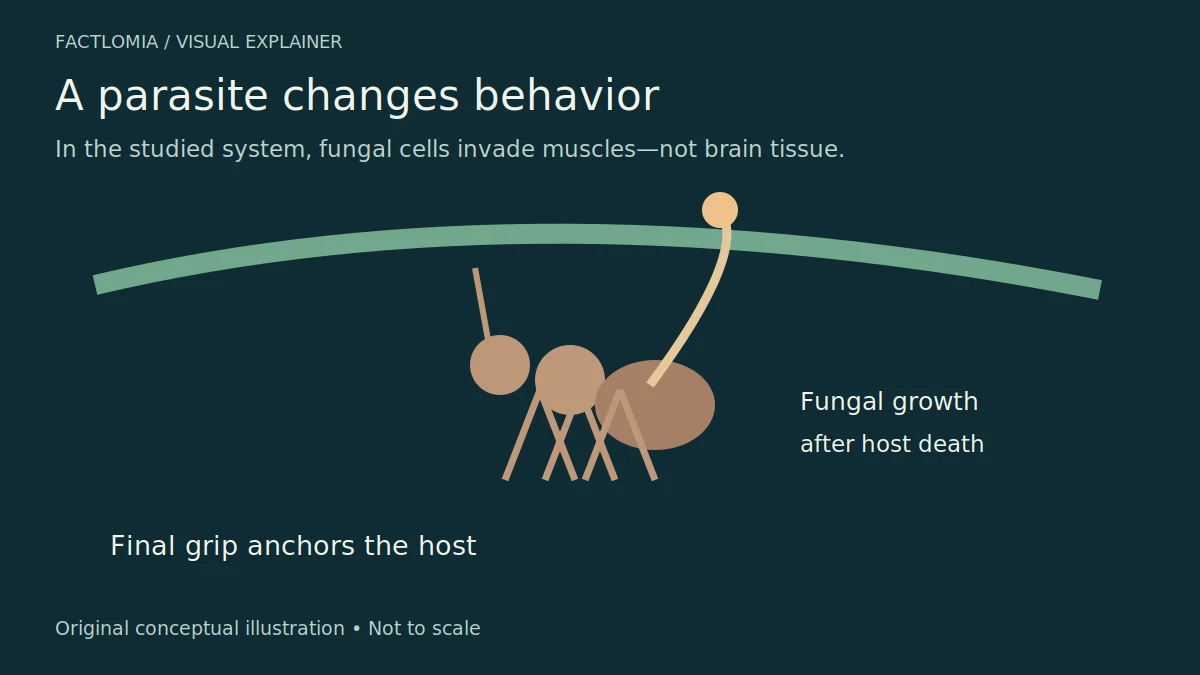
Zombie-ant fungi alter behavior and invade muscles. Discover what scientists observed, why the ant bites vegetation, and what remains unknown about the brain.
 Nature
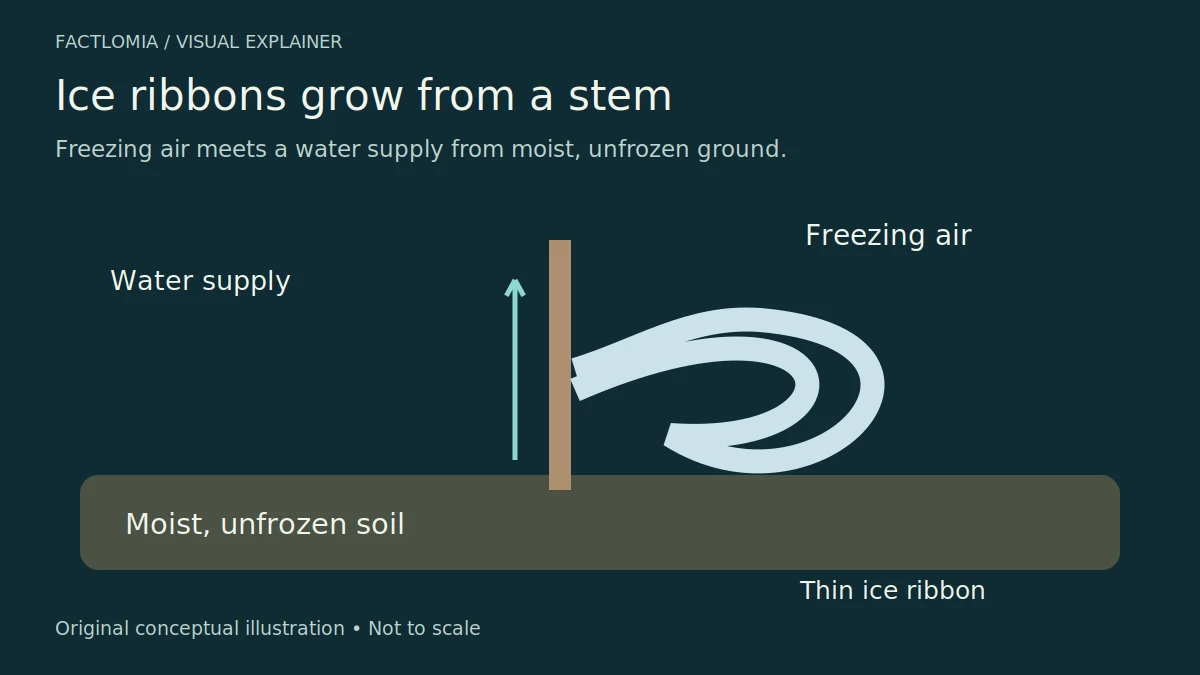
Frost flowers are delicate ribbons of ice pushed from certain plant stems. Discover why freezing air, moist soil and a water supply must coincide.
 Space
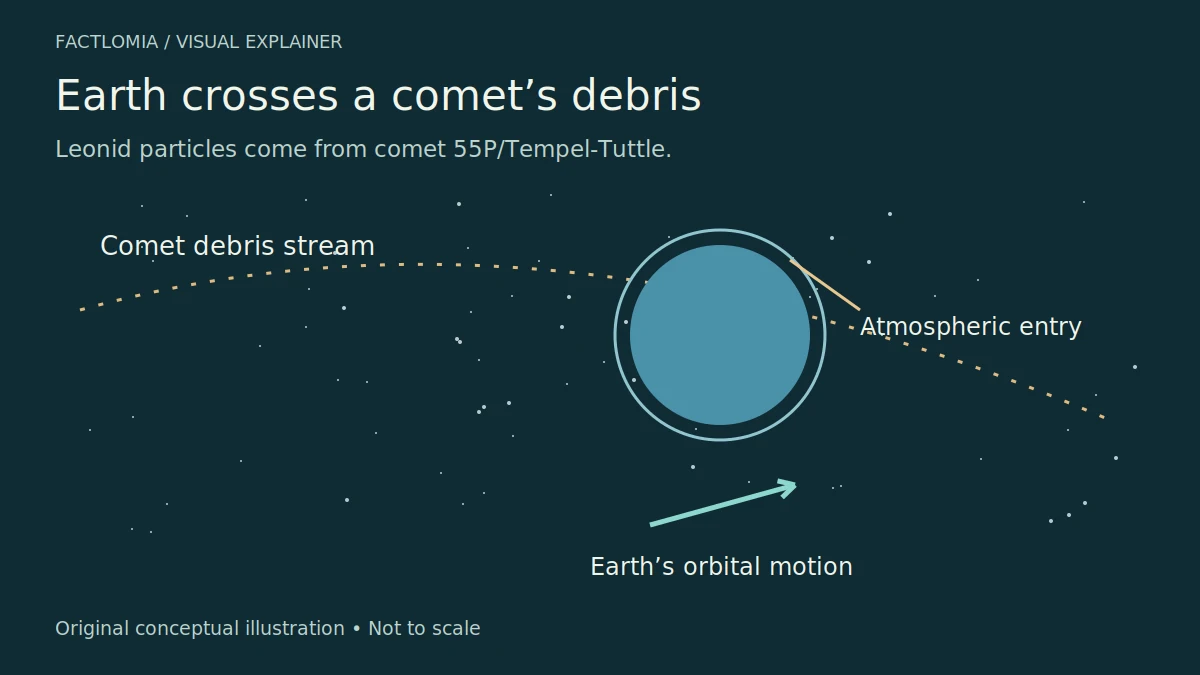
The Leonids come from debris left by comet 55P/Tempel-Tuttle. Learn why they return in November and why an annual shower is not always a meteor storm.
 Space
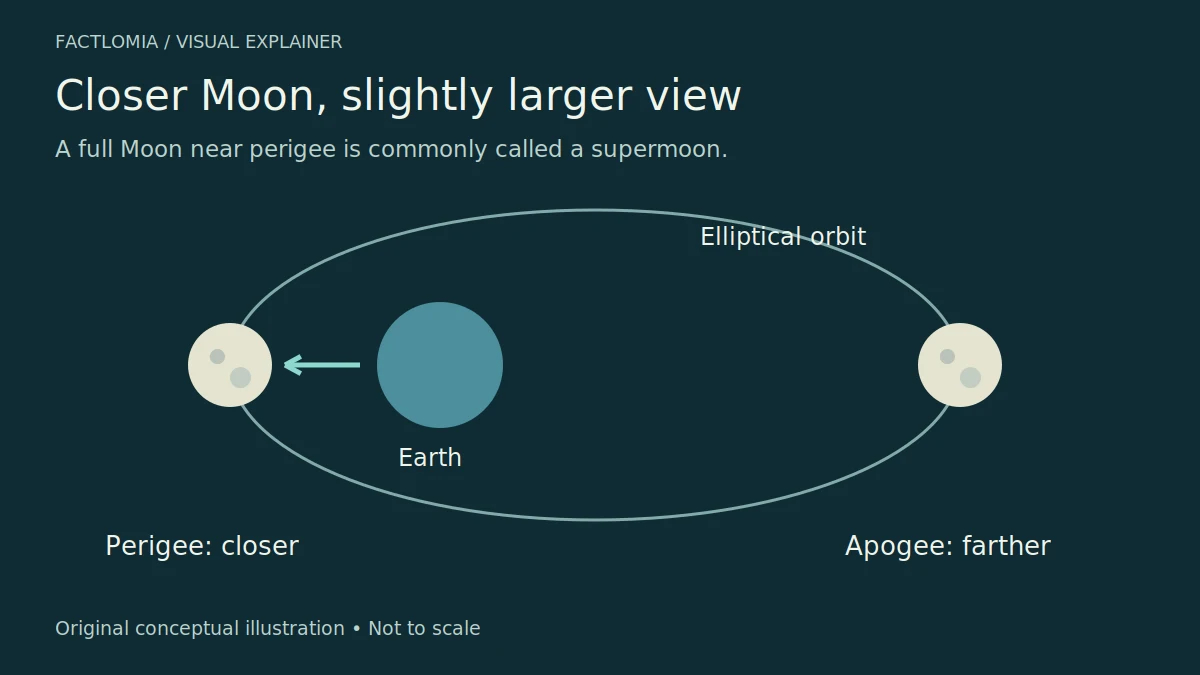
The November 2026 supermoon falls on November 24. Learn what perigee means, how much larger the Moon can look, and why it will not fill the sky.
 Nature
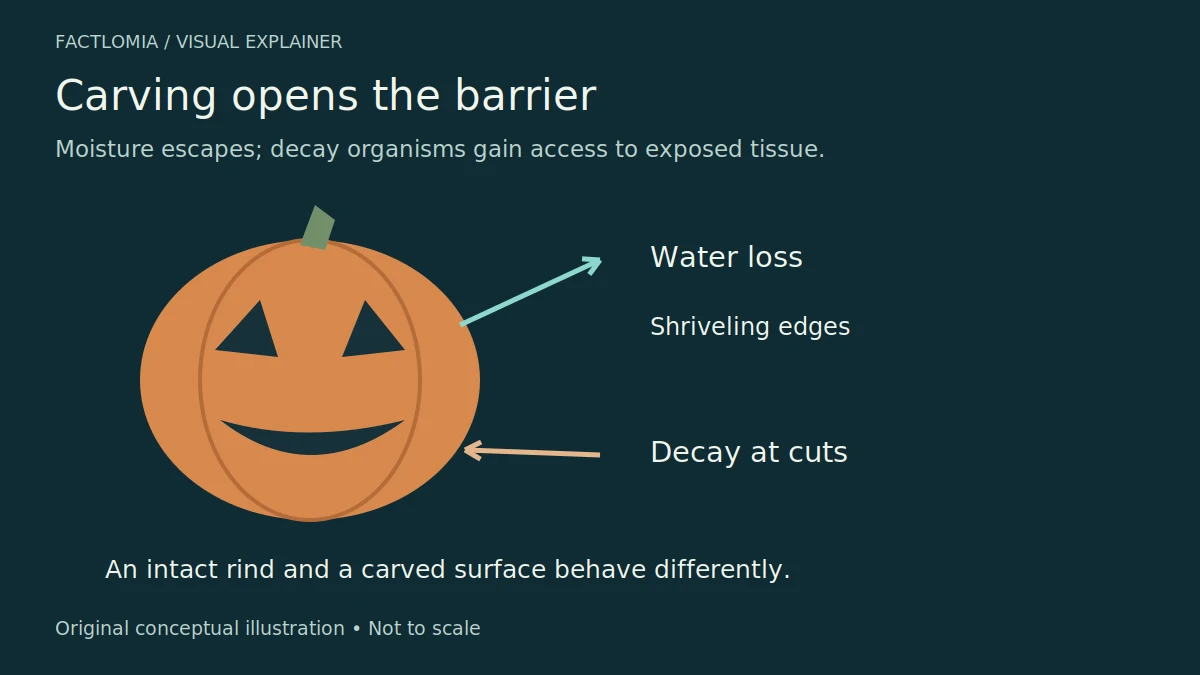
Carving breaks a pumpkin’s protective surface, encourages moisture loss and gives decay organisms access. Learn why a jack-o’-lantern collapses so quickly.
 Science
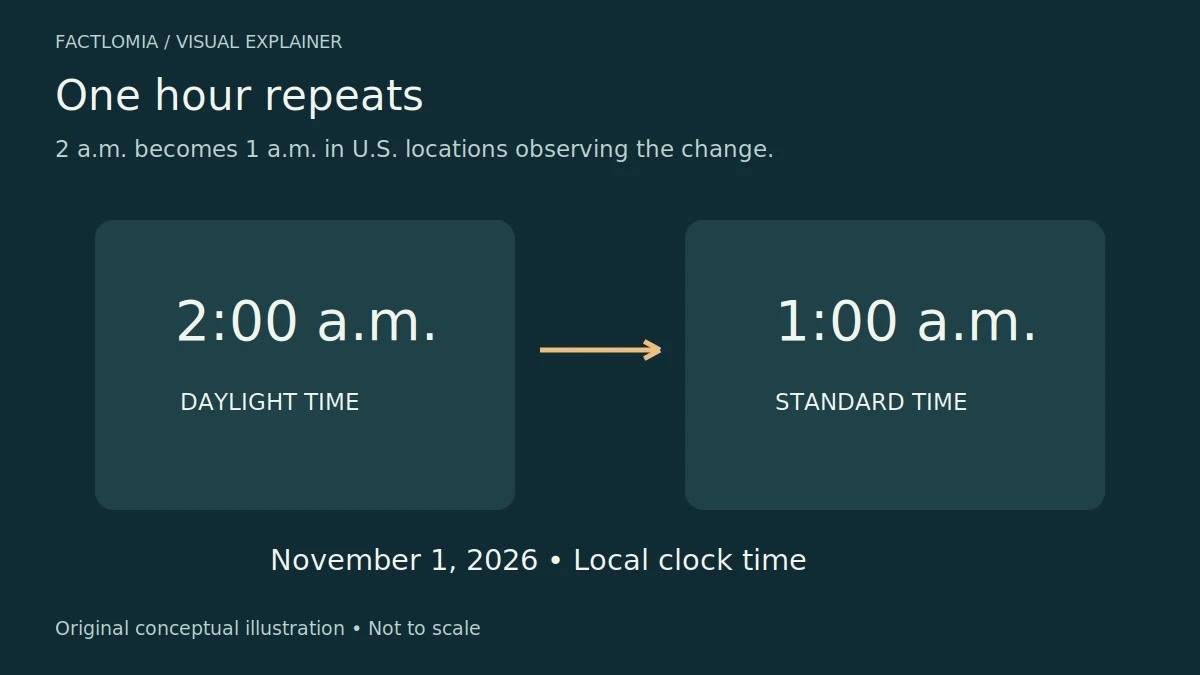
Clocks fall back on November 1, 2026, in U.S. areas observing daylight saving time. Learn why 1 a.m. repeats and why the change does not create daylight.
 Science
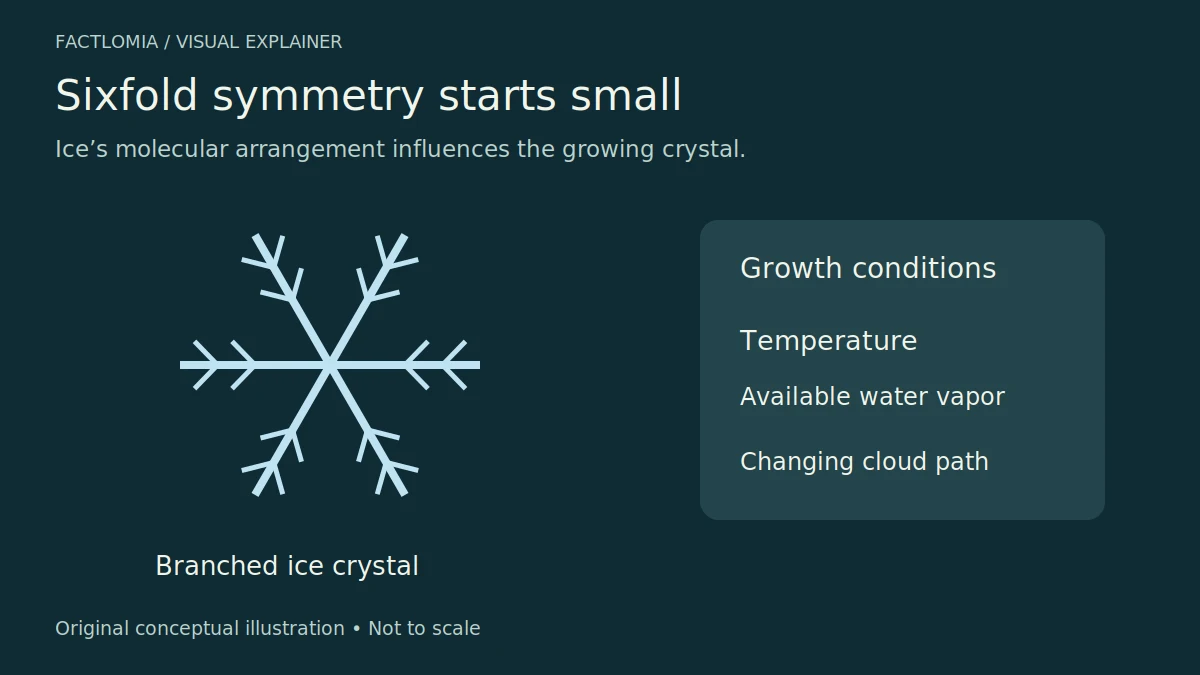
The sixfold pattern of many snow crystals comes from ice’s molecular structure. Learn why their branches differ and why not every snowflake is a perfect star.