
 Science
Why Do Ice Cubes Sometimes Grow Spikes in the Freezer?
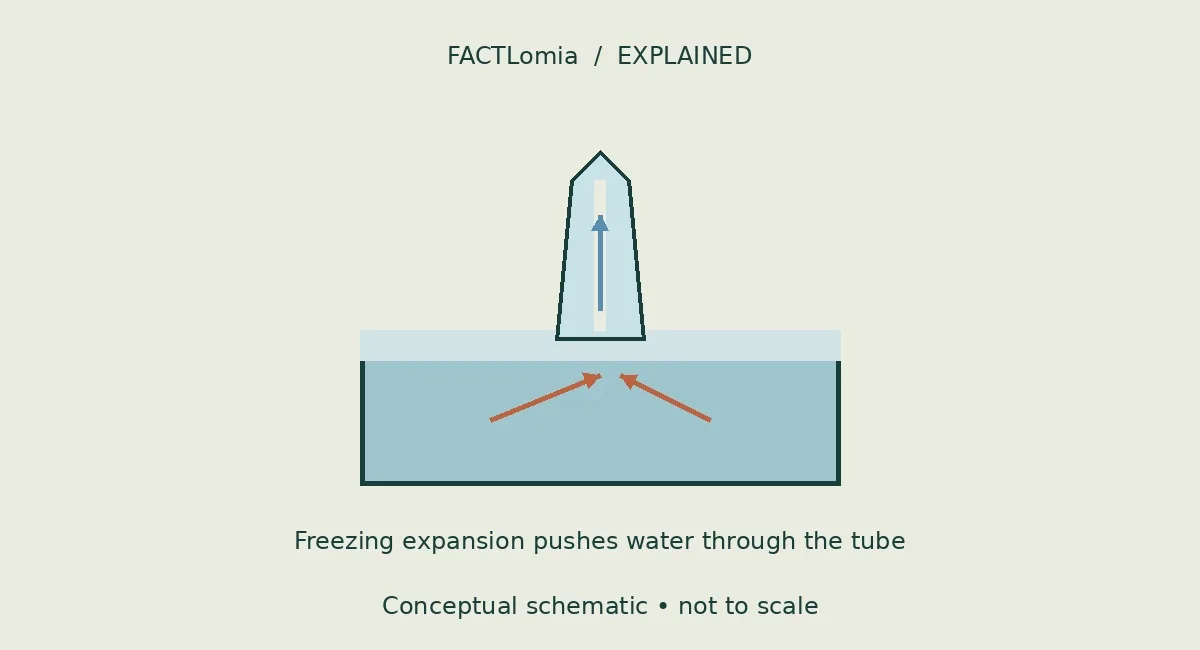
An ice spike can grow upward as expanding ice pushes liquid water through a small opening. Discover why distilled water often makes spikes easier to observe.
Page 8 of 16 · Science, nature, space and history.
ScienceAn ice spike can grow upward as expanding ice pushes liquid water through a small opening. Discover why distilled water often makes spikes easier to observe.
 Nature
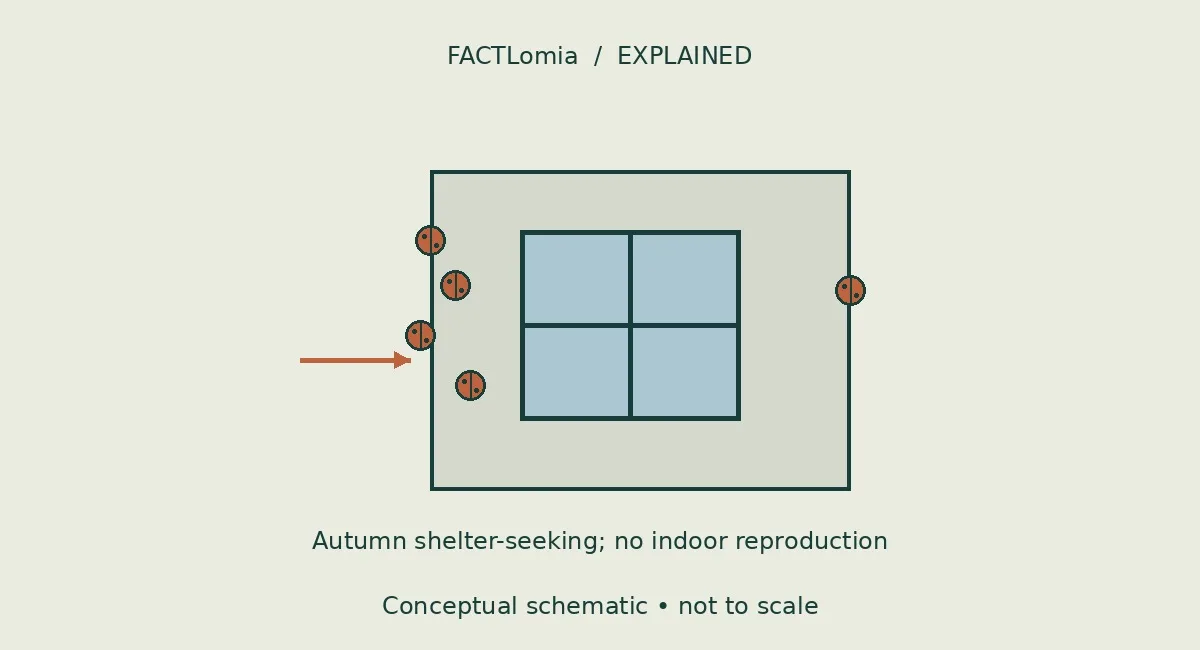
Many fall ladybug visitors are multicolored Asian lady beetles seeking winter shelter. Learn why they cluster and why spring sightings do not mean indoor breeding.
 Science
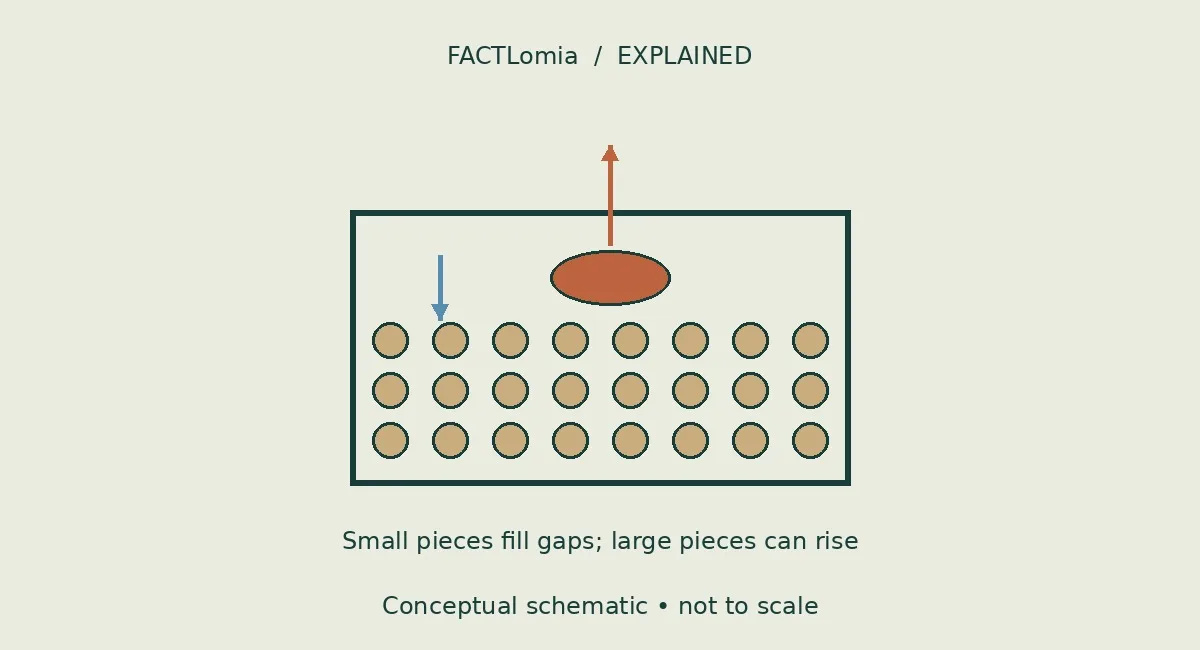
The Brazil nut effect sorts a shaken mixture through grain motion, gaps and shape. Learn why the largest pieces often rise, but do not always.
 Nature
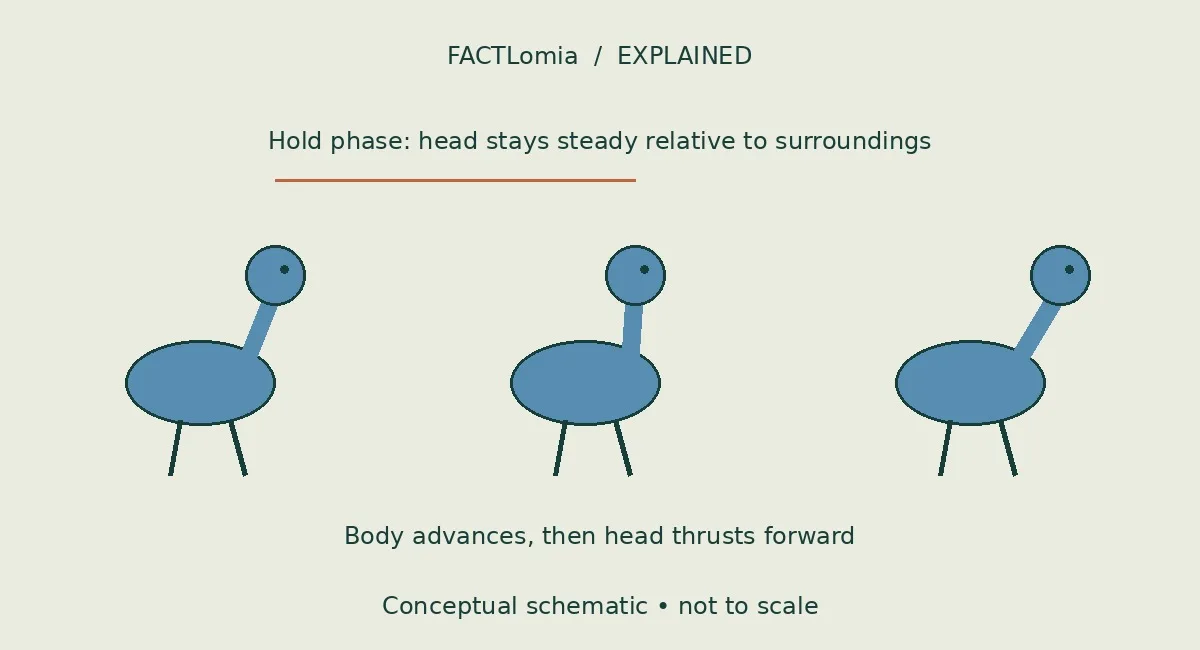
A pigeon’s head-bobbing walk includes a brief pause that steadies its view. Discover the hold-and-thrust pattern and what treadmill experiments reveal.
 Science
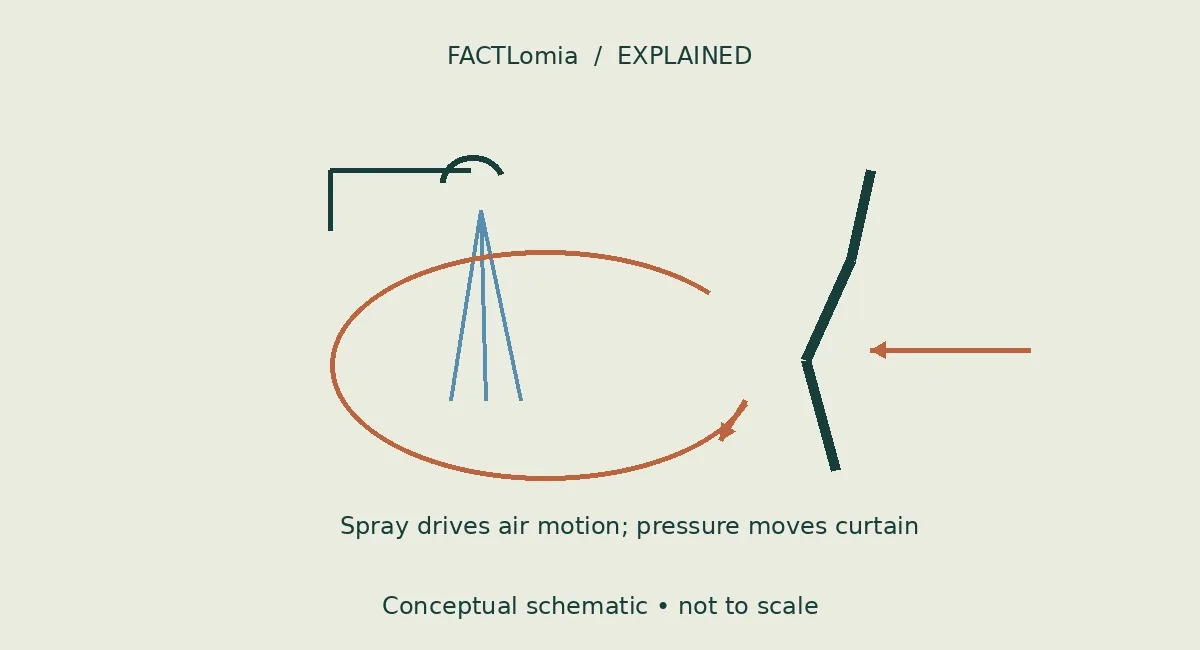
A shower spray can move air and create pressure differences that push a light curtain inward. Learn why hot air alone does not explain every case.
 Space
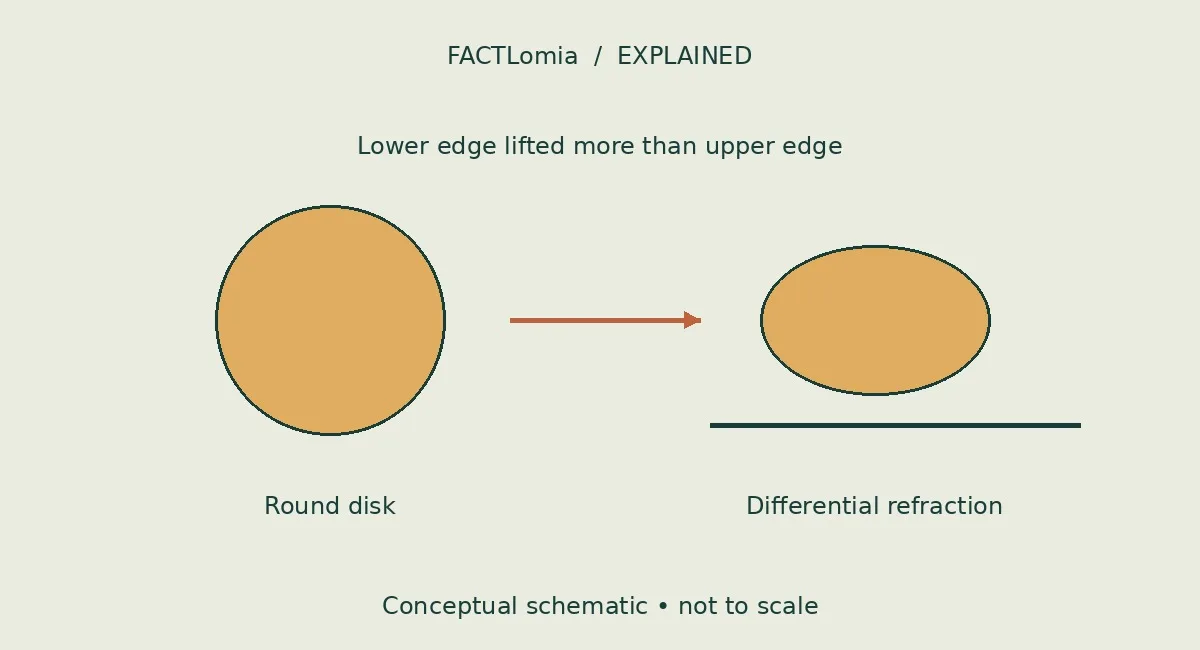
Atmospheric refraction lifts the Sun’s lower edge more than its upper edge near the horizon. Learn why the disk looks squashed without changing shape.
 Space
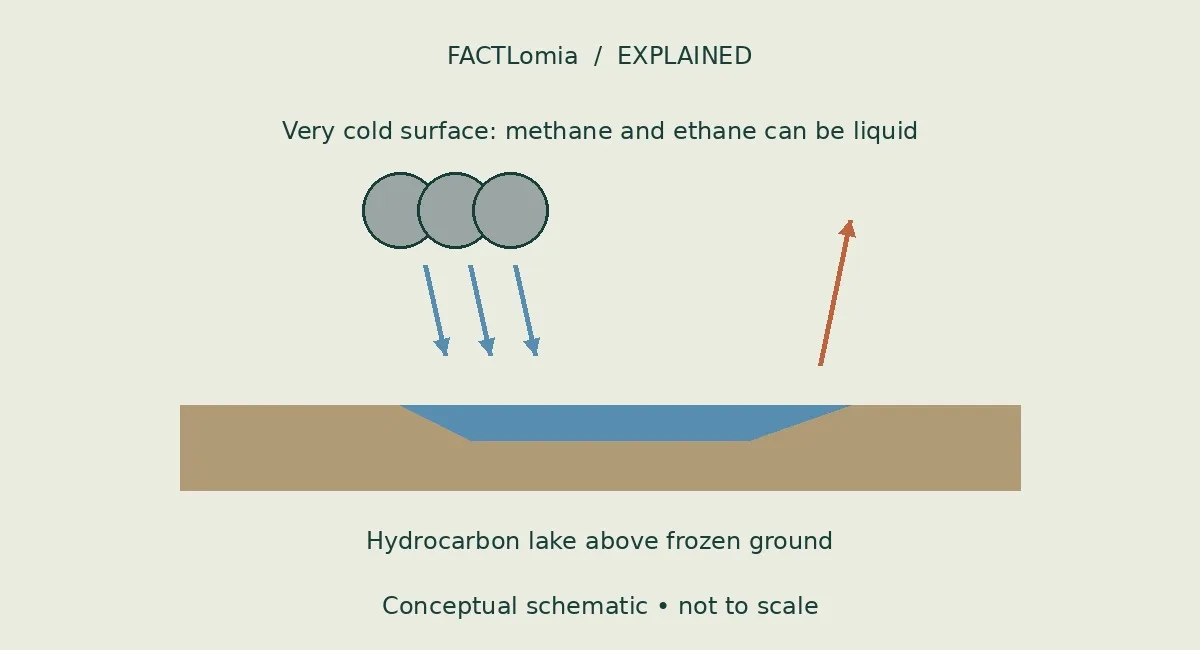
Titan is cold enough for methane and ethane to form surface lakes while water remains frozen. Discover how a familiar cycle works with unfamiliar liquids.
 Space
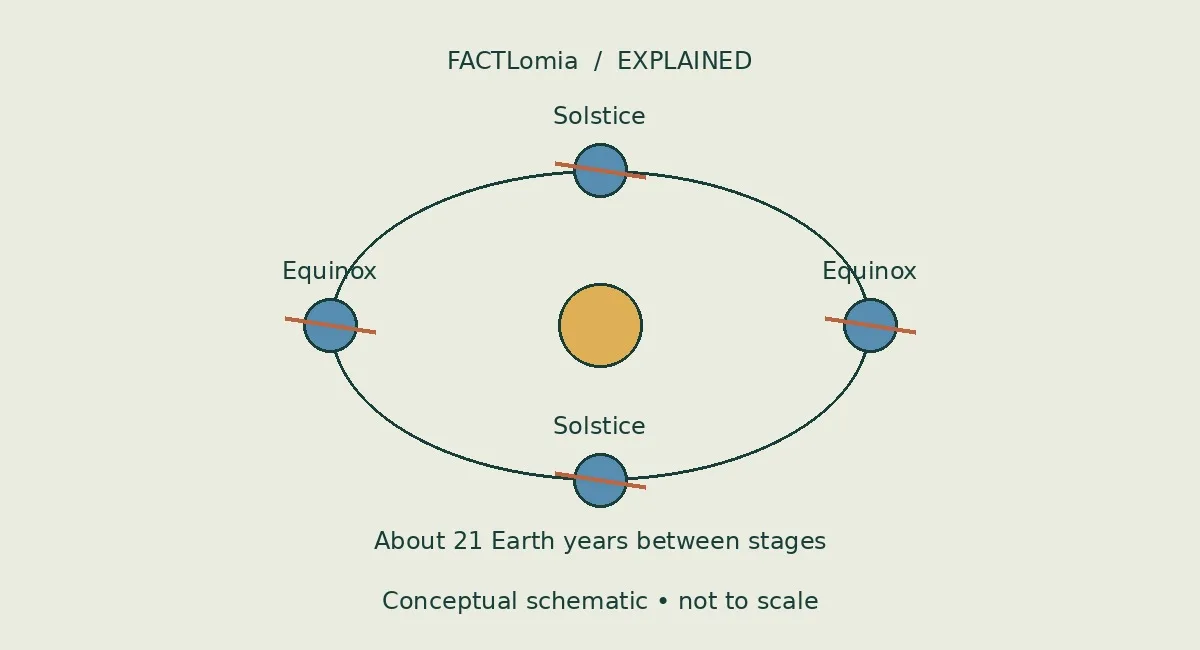
A season on Uranus lasts about 21 Earth years. Learn why its sideways tilt causes long polar days and why 42 years is not one season.
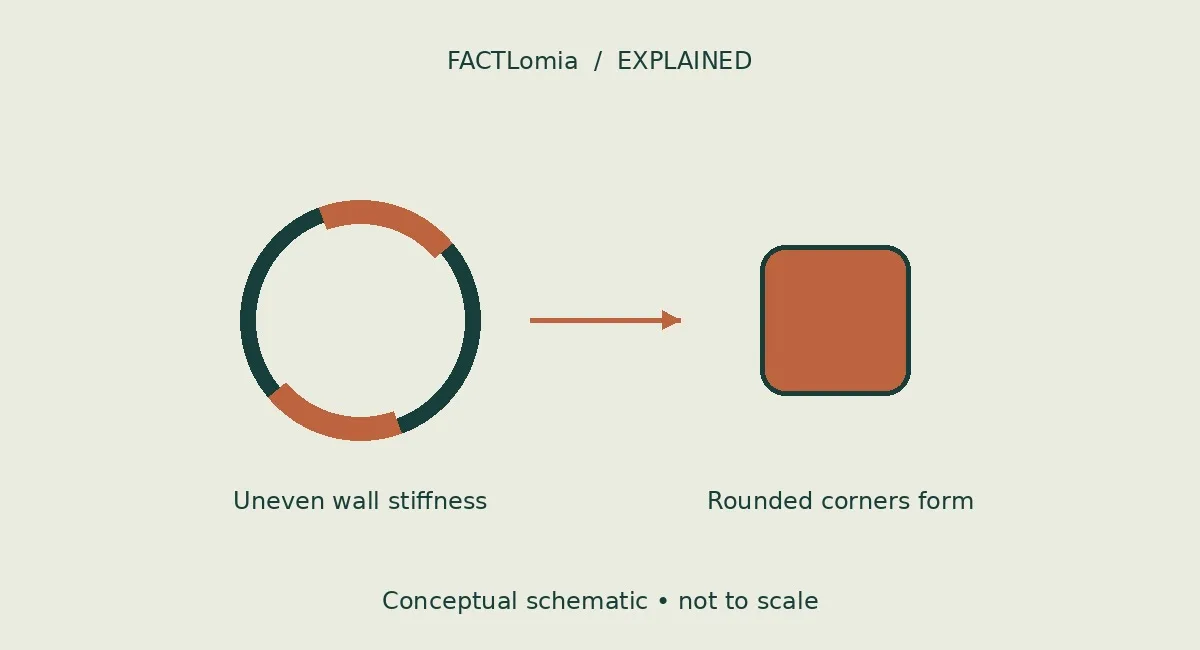 Nature
Wombats shape their unusual droppings inside the intestine. Learn what tissue mechanics explains and what remains uncertain about the cubes’ purpose.
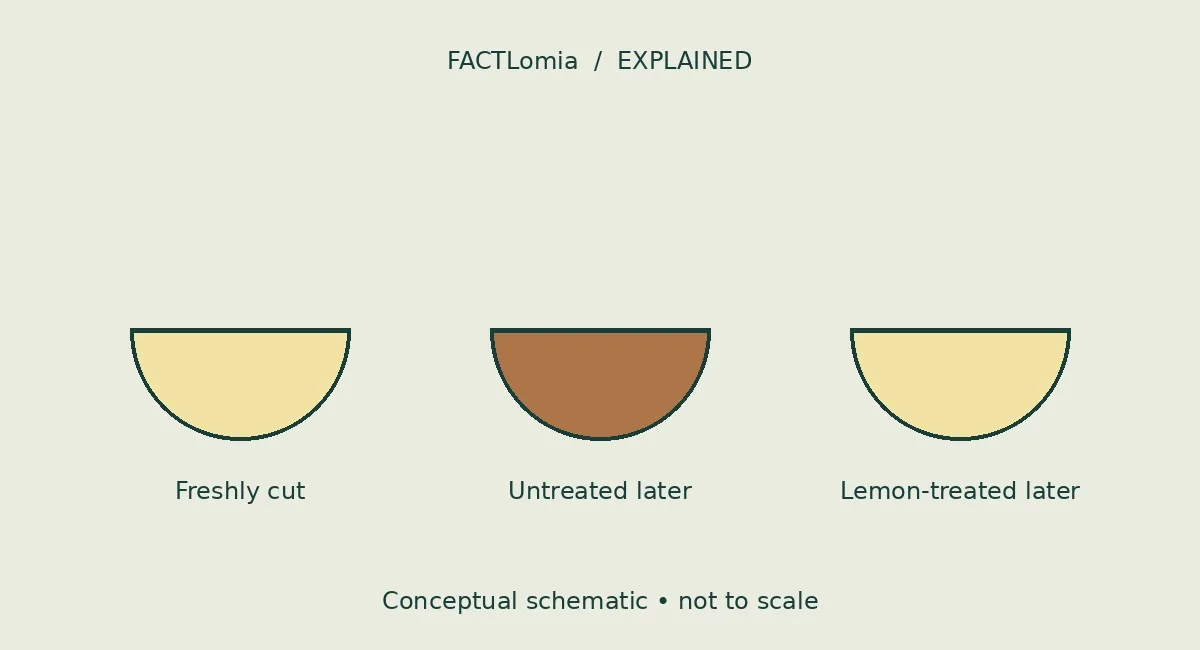 Science
Cutting an apple lets enzymes, plant compounds and oxygen interact. Learn why browning happens and how lemon juice slows the reaction.
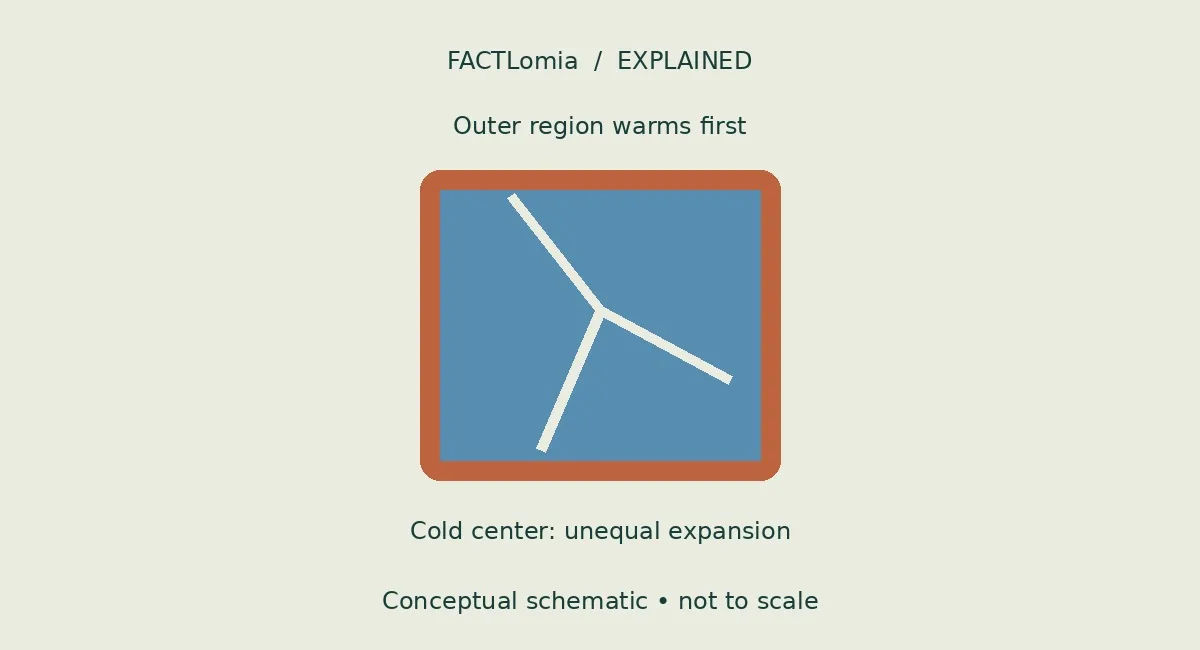 Science
Ice can crack before it melts because its surface warms faster than its center. Learn how thermal stress differs from expansion during freezing.
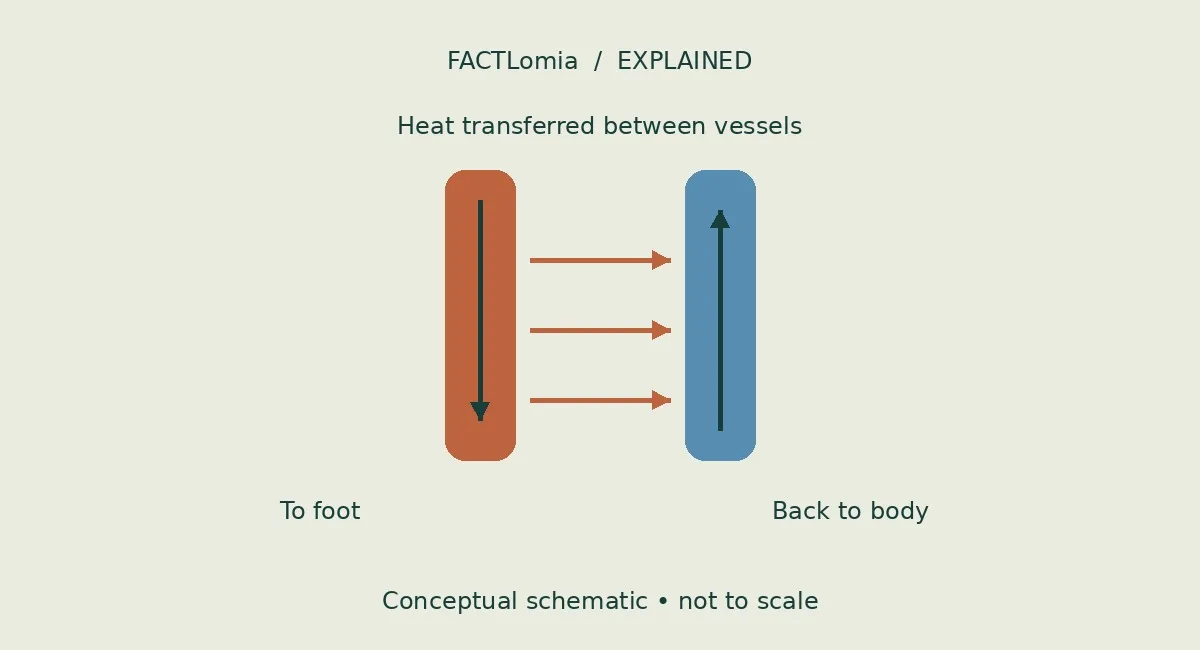 Nature
Penguins conserve heat by controlling blood flow and exchanging heat between nearby vessels. Their feet can stay much cooler than their bodies.
 Nature
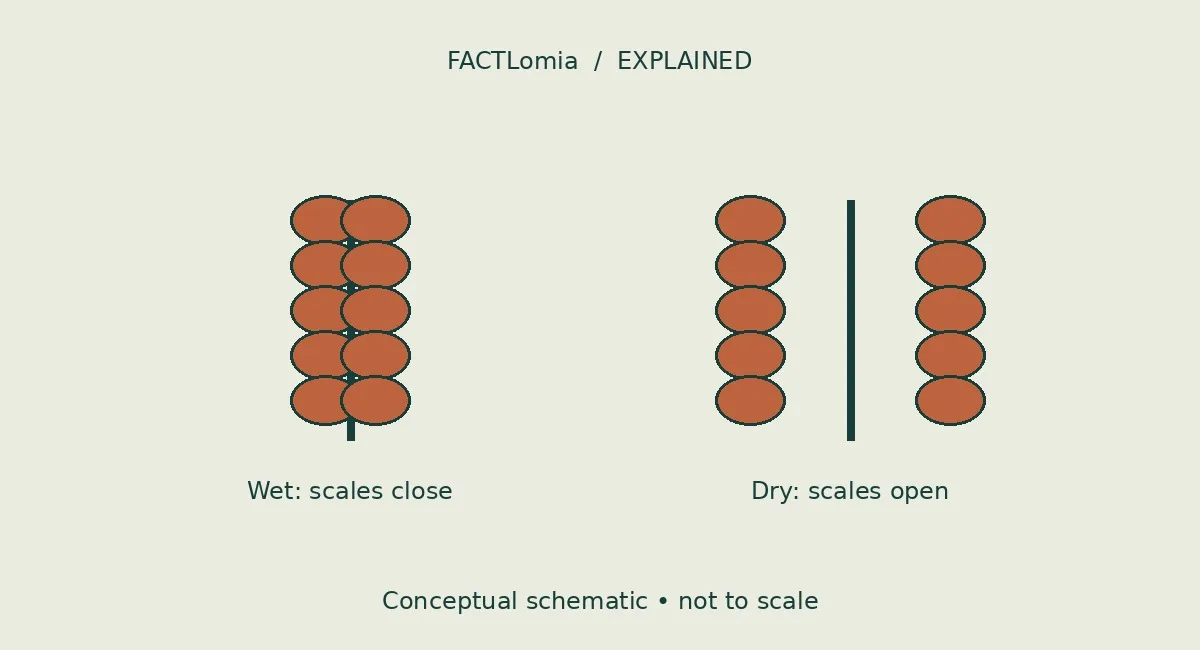
Pine cones can close after falling because their tissues swell unevenly when wet. Learn how a cone moves without muscles or living cells.
 Science
Air resistance limits a raindrop’s fall speed. Learn what terminal velocity means and why larger drops do not fall like tiny bullets.
 Science
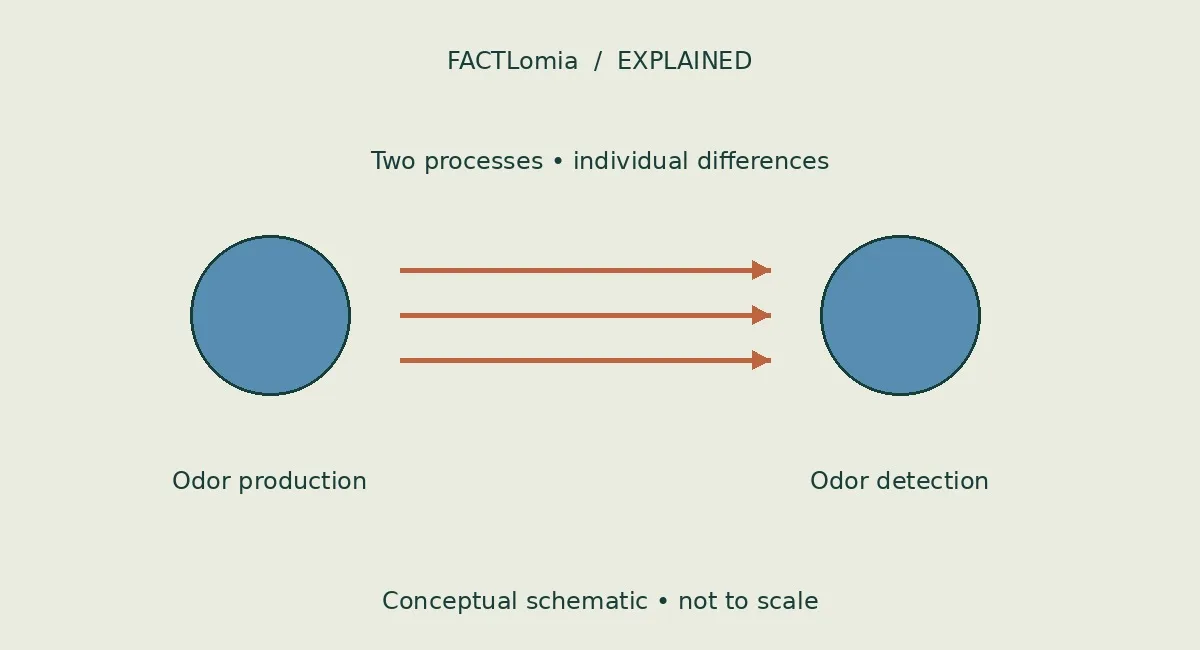
Not noticing asparagus odor can involve smell perception as well as metabolism. Learn what genetic studies show and why a single-gene story is misleading.
 Science
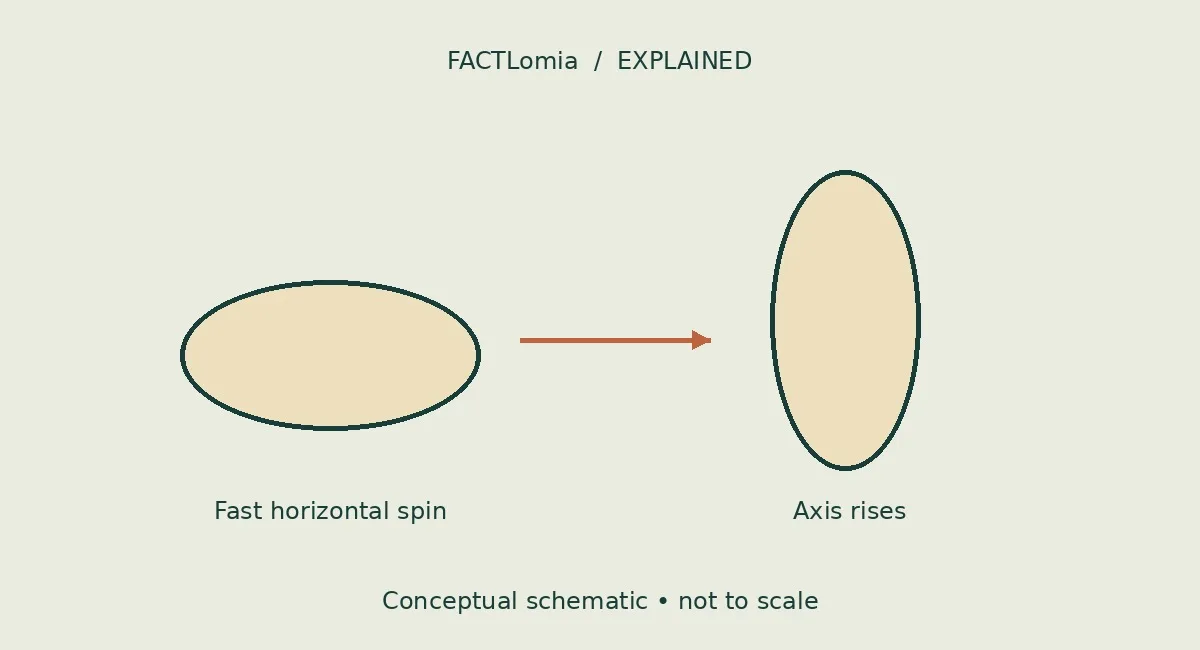
A fast-spinning hard-boiled egg can rise onto one end. Explore how friction changes its motion and where the lifting energy comes from.
 Science
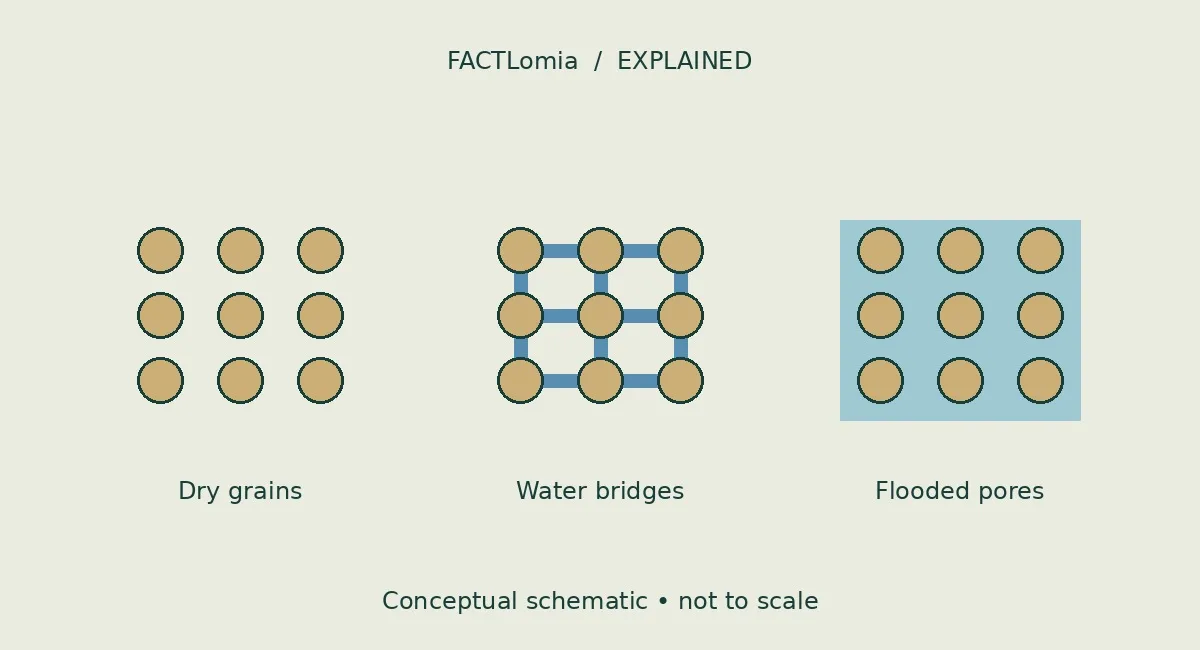
Tiny water bridges help damp sand hold a sandcastle together. Discover why adding too much water can make the same structure collapse.
 Science
People often remember emergencies as happening in slow motion. Experiments suggest vivid memories may explain this feeling better than the brain literally processing events faster.
 Science
An airplane wing creates lift by turning moving air downward. Its shape, angle and speed produce a pressure pattern that helps push the aircraft upward; the popular equal-transit-time explanation is incomplete.
 Science
Firework colors come from heated chemical compounds. As atoms and ions release energy as light, each material produces characteristic wavelengths that appear as red, green, blue or other colors.
 Science
Glow sticks shine through chemiluminescence: a chemical reaction transfers energy to a dye, which releases that energy as visible light instead of mostly as heat.
 Science
Your brain predicts the sensation of your own movements and dampens the response. An unexpected touch is harder to predict, which is one reason it can feel more ticklish.
 Science
Blood types differ because people inherit different cell-surface markers, called antigens. In the ABO system, genes help determine whether red blood cells carry A markers, B markers, both or neither.
 Space
A supernova can happen when a massive star’s core can no longer resist gravity, or when a white dwarf becomes unstable in a binary system. The explosion scatters stellar material into space.