
 Space
Why Do Astronauts Get Taller in Space?
Without Earth’s usual compression, the spine can lengthen temporarily in orbit. The effect reverses after astronauts return.
Page 18 of 19 · Science, nature, space and history.
SpaceWithout Earth’s usual compression, the spine can lengthen temporarily in orbit. The effect reverses after astronauts return.
 Nature
Clouds seem to defy gravity, but their tiny droplets, rising air and slow falling speed explain why they remain suspended.
 Nature
Many deserts cool sharply after sunset as dry, clear air lets heat escape from the ground. Learn why the drop can be large and why desert nights are not always freezing.
 Nature
Rare volcanic lakes can hold enormous amounts of dissolved carbon dioxide. A sudden disturbance may let the gas escape in a dangerous overturn.
 Space
The Moon does not physically grow near the horizon. The famous moon illusion comes from how the brain interprets its position and surroundings.
 Nature
That earthy smell has a name: petrichor. Learn how plant oils, soil compounds and raindrops create the scent people notice before or during rain.
 Space
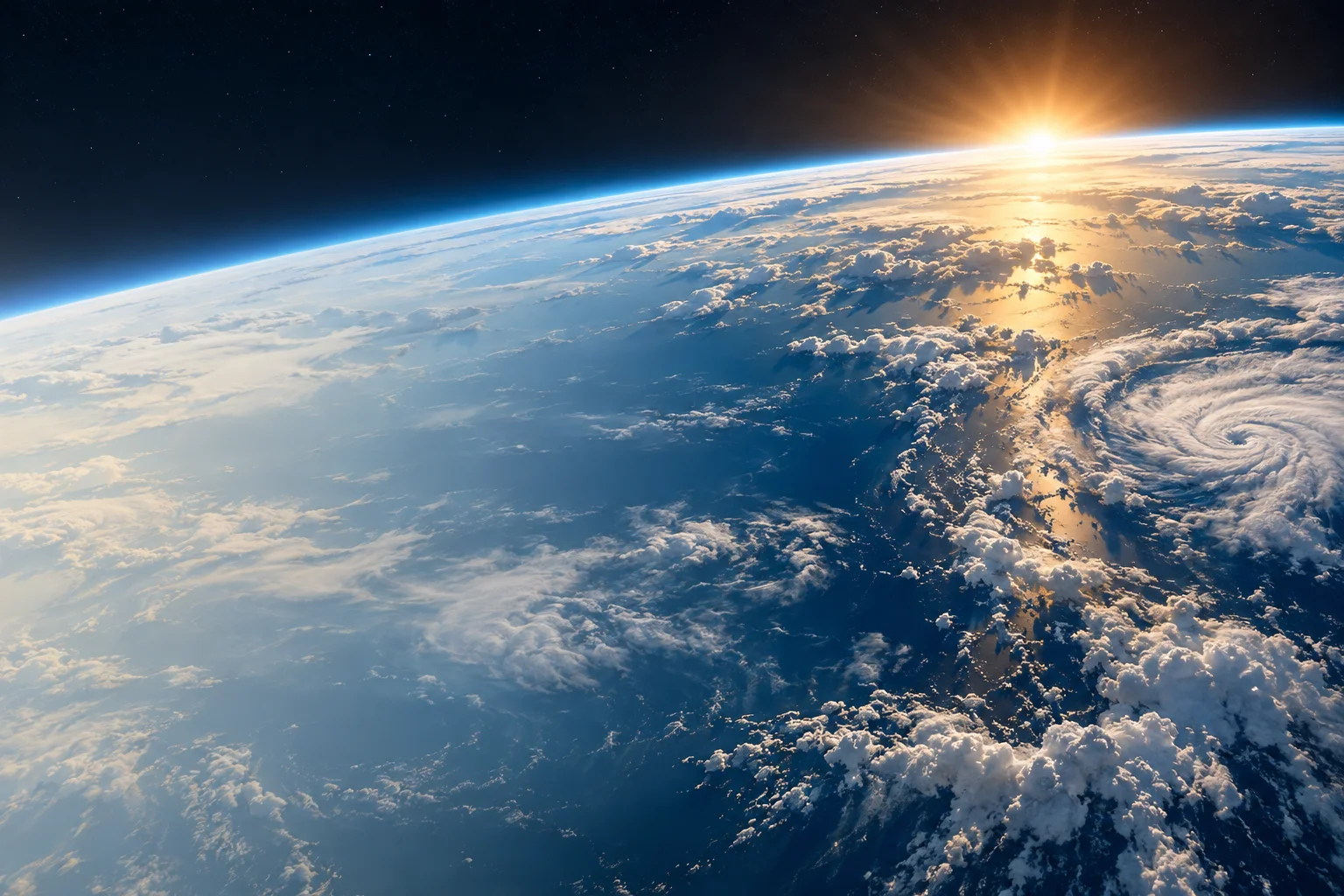
Earth rotates rapidly, yet people do not feel the motion. The reason is constant motion, shared speed and gravity.
 Space
Earth’s atmosphere bends starlight in shifting pockets of air. Learn why distant stars shimmer while nearby planets usually look steadier.
 Nature
Whales must keep breathing consciously. Their unusual sleep strategy lets them rest while staying able to surface for air.
 Nature
Trace ocean salt from weathered rocks to rivers and the seafloor. Understand why evaporation leaves salts behind and what 35 parts per thousand means.
 Science
Understand how air scatters sunlight, why sunsets change color, and how the blue sky differs from blue seawater and glowing auroras.
 Space
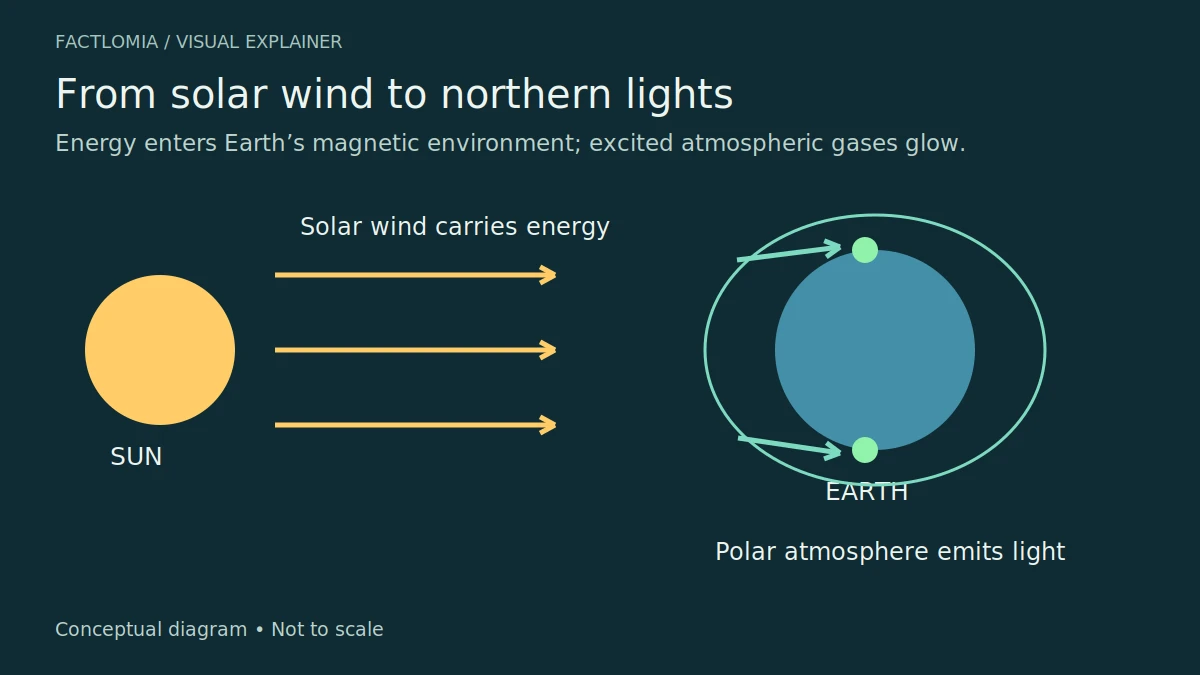
Discover how solar activity powers auroras, why oxygen and nitrogen produce different colors, and why a forecast cannot guarantee a sighting.
 Science
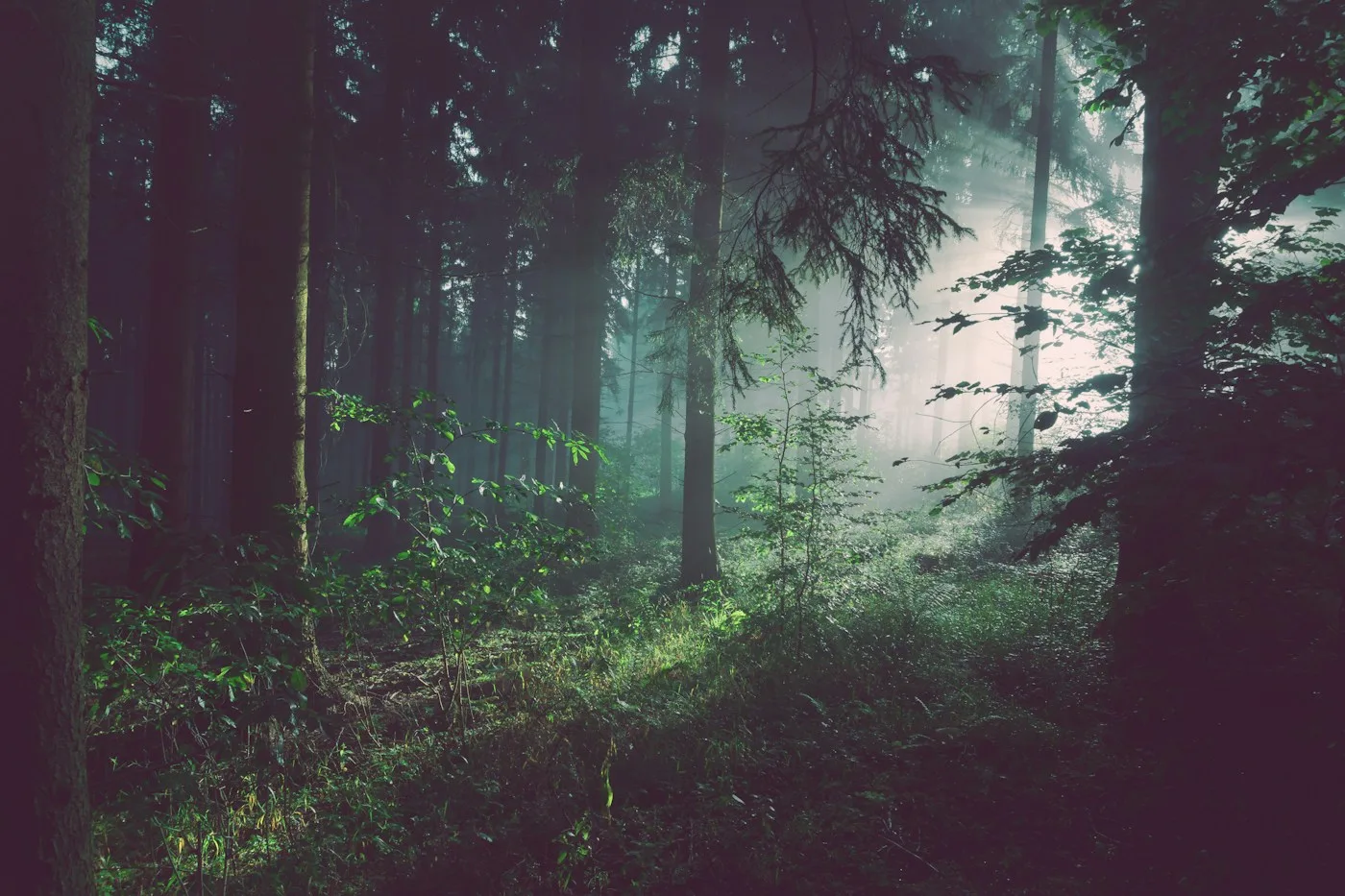
Follow photosynthesis from absorbed light to carbohydrates. Learn where the carbon and released oxygen come from, and what the familiar equation leaves out.
 Nature
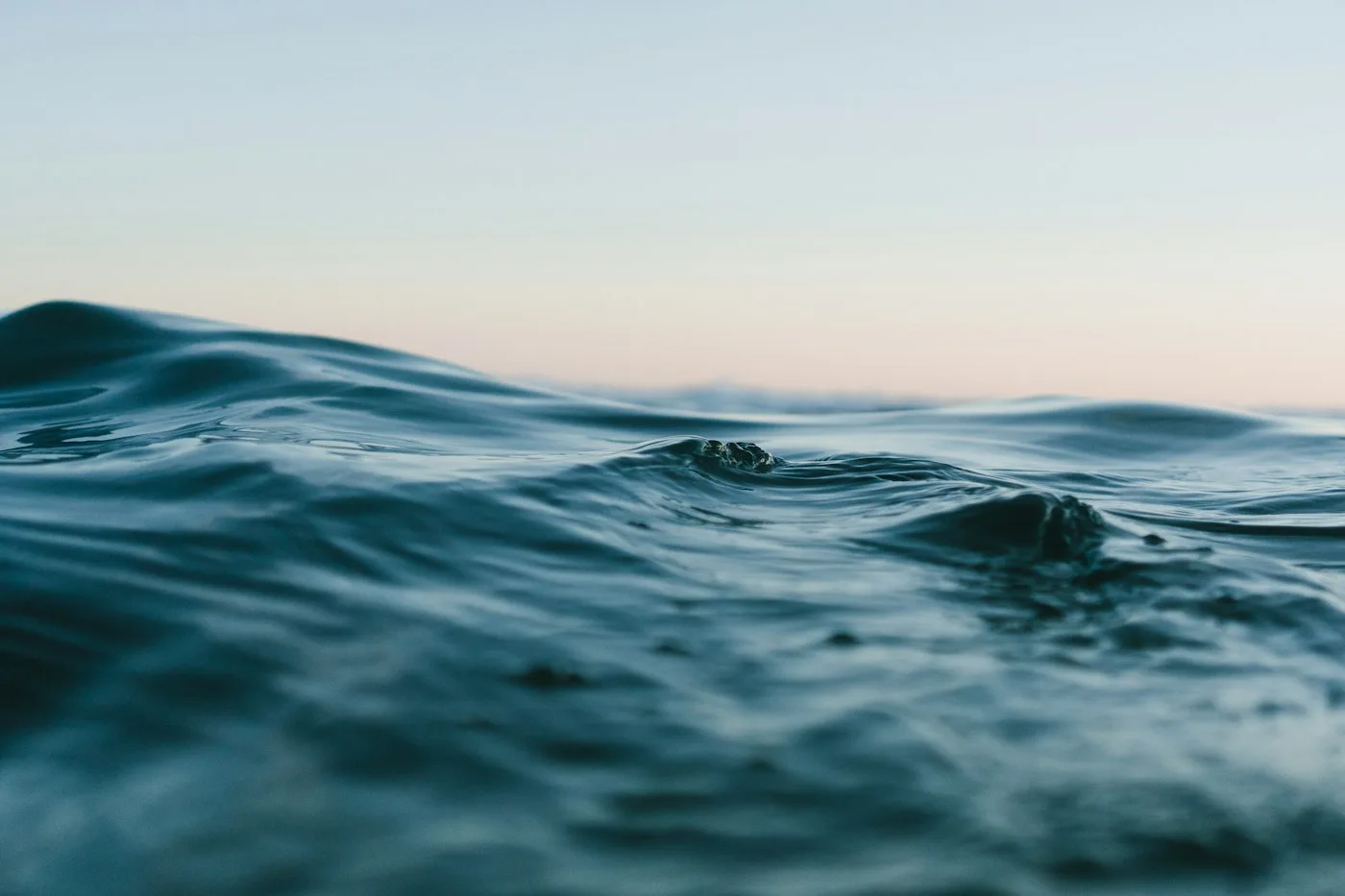
The ocean is not blue only because it reflects the sky. Learn how water absorbs light and why sediment, algae and shallow sand change its color.
 History
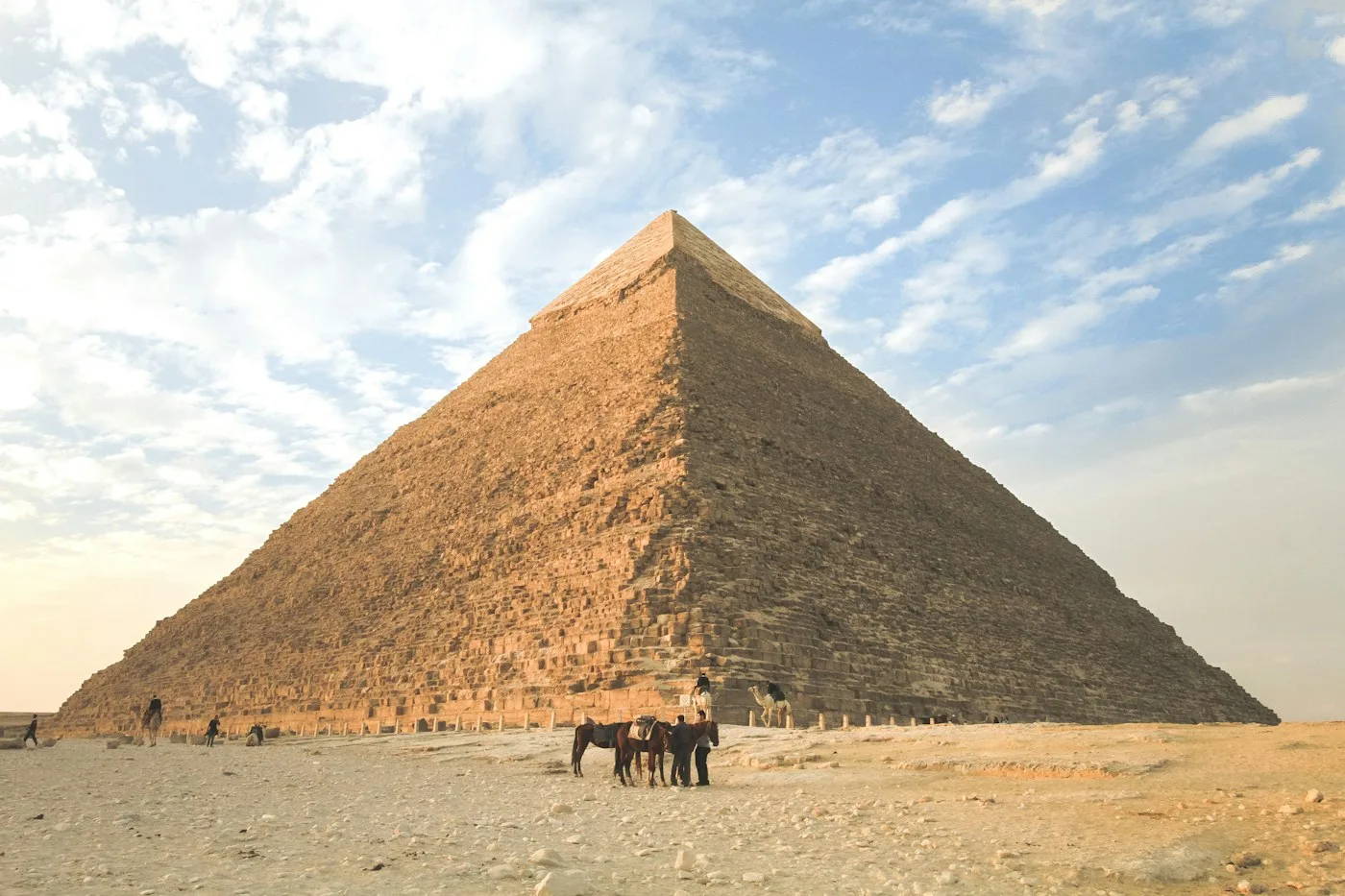
Giza’s pyramids once had outer casing stones. Compare evidence for Khufu, Khafre and Menkaure, including white limestone and granite finishes.
 Space
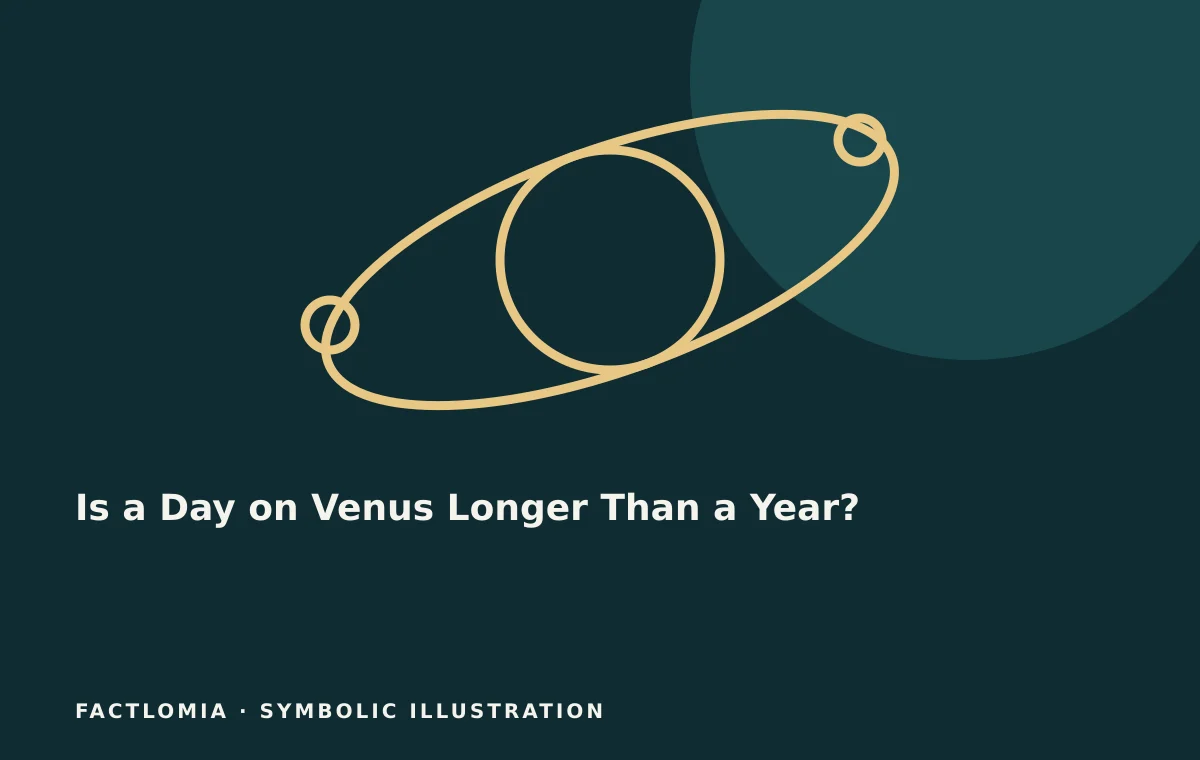
Venus rotates in about 243 Earth days and orbits in 225, but its solar day is about 117. Understand the difference with a simple calculation.
 Space
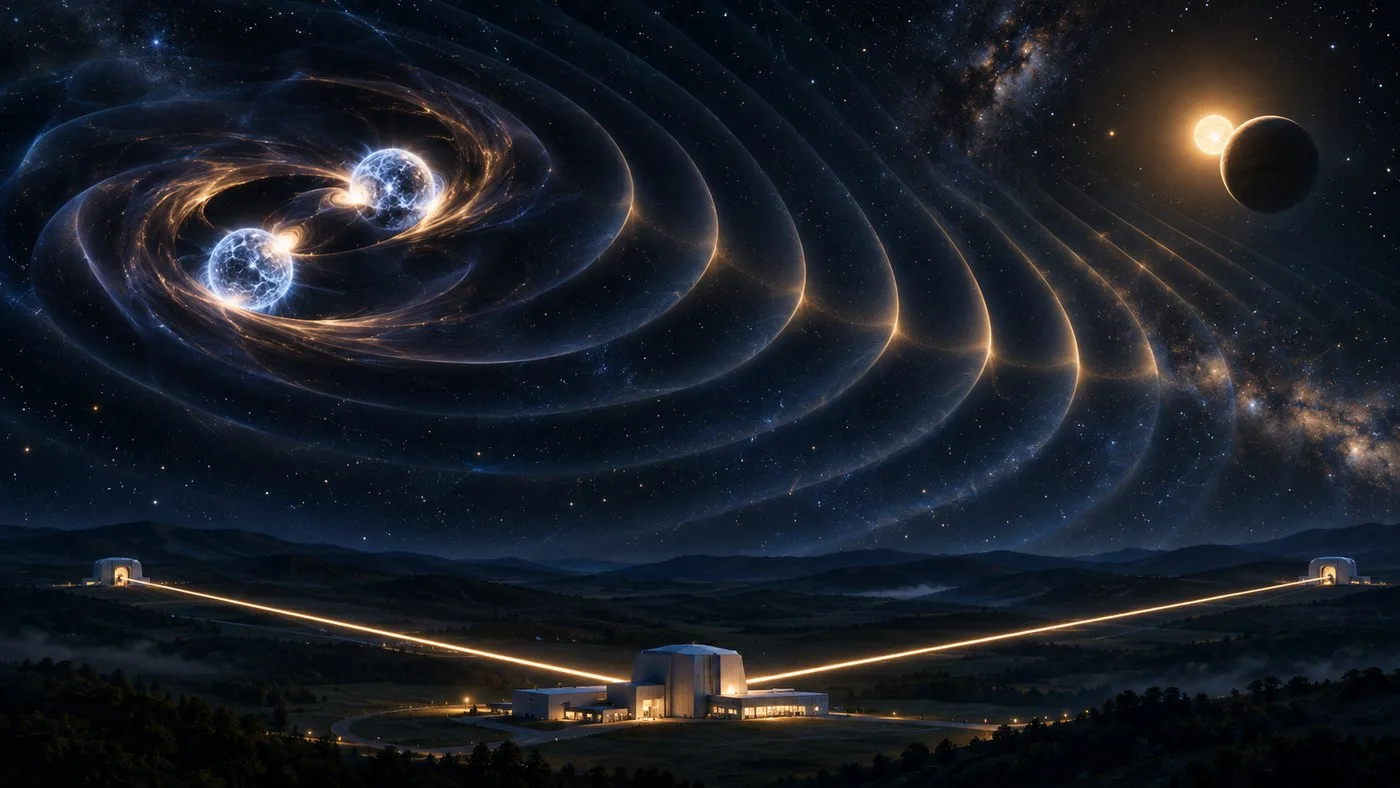
A future space observatory called LISA may find planets by spotting subtle changes in gravitational waves from pairs of orbiting white dwarfs.
 Space
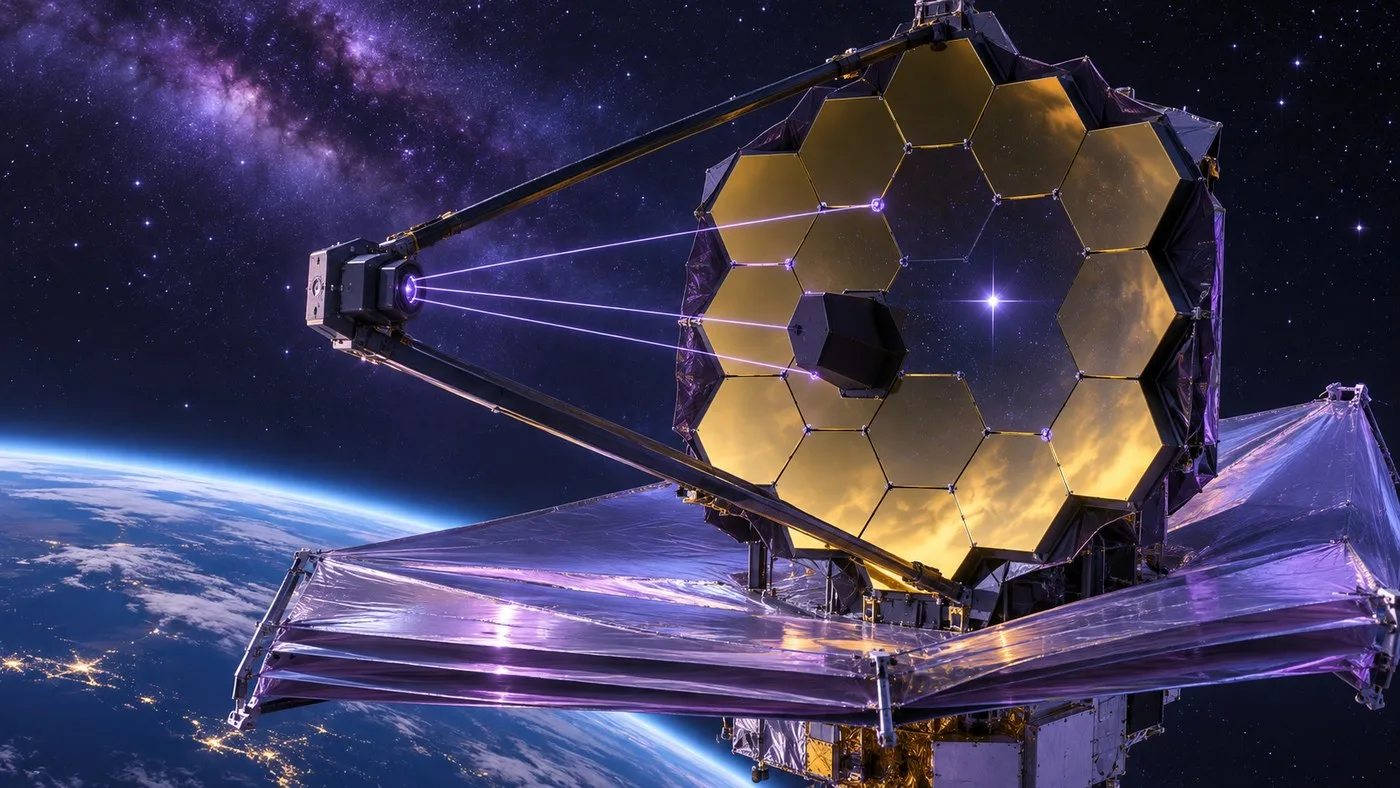
NASA’s Roman telescope has aligned key optics as it prepares for science operations. Here is why tiny shifts matter when imaging faint planets beside bright stars.
 Nature
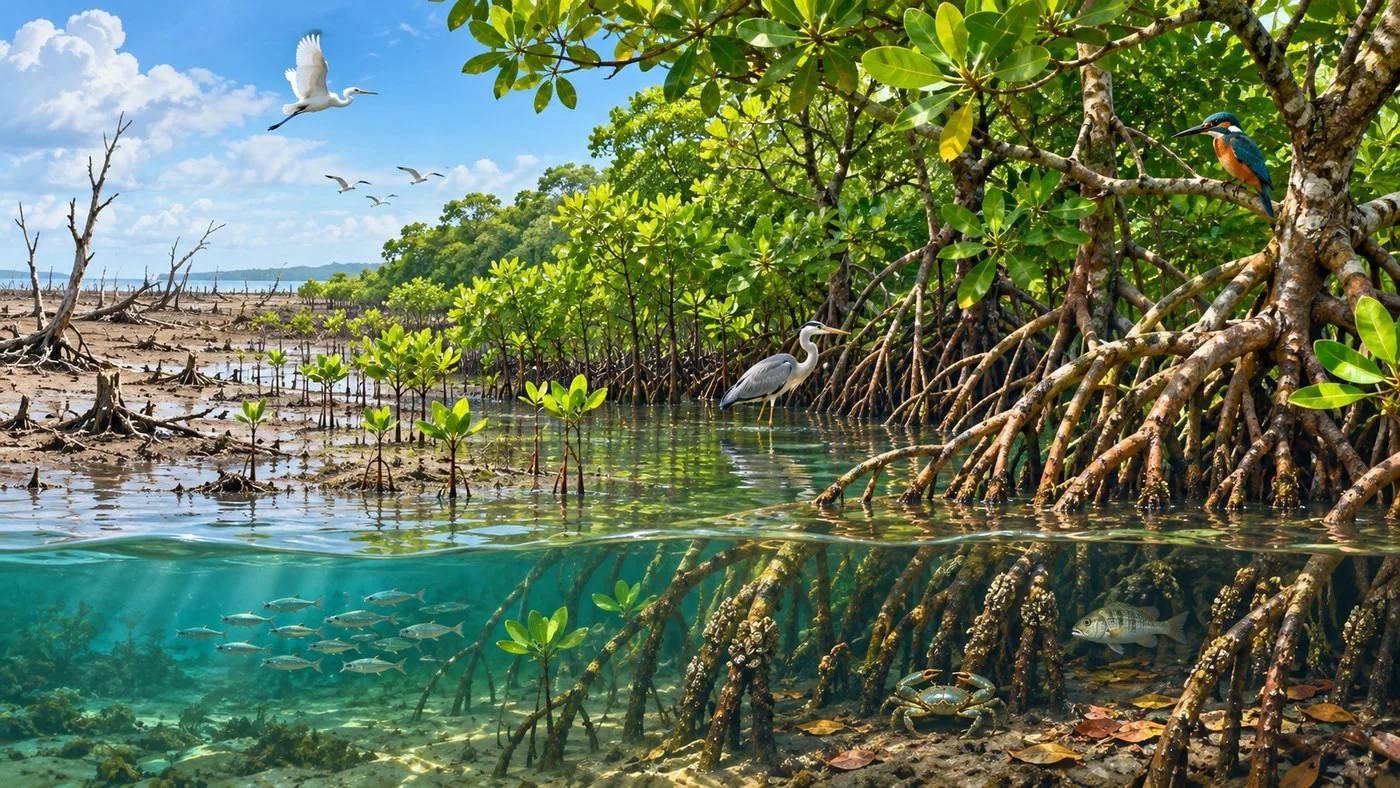
Satellite maps show global mangrove area increased after 2010, following decades of losses. The recovery is real but uneven across regions.
 Nature
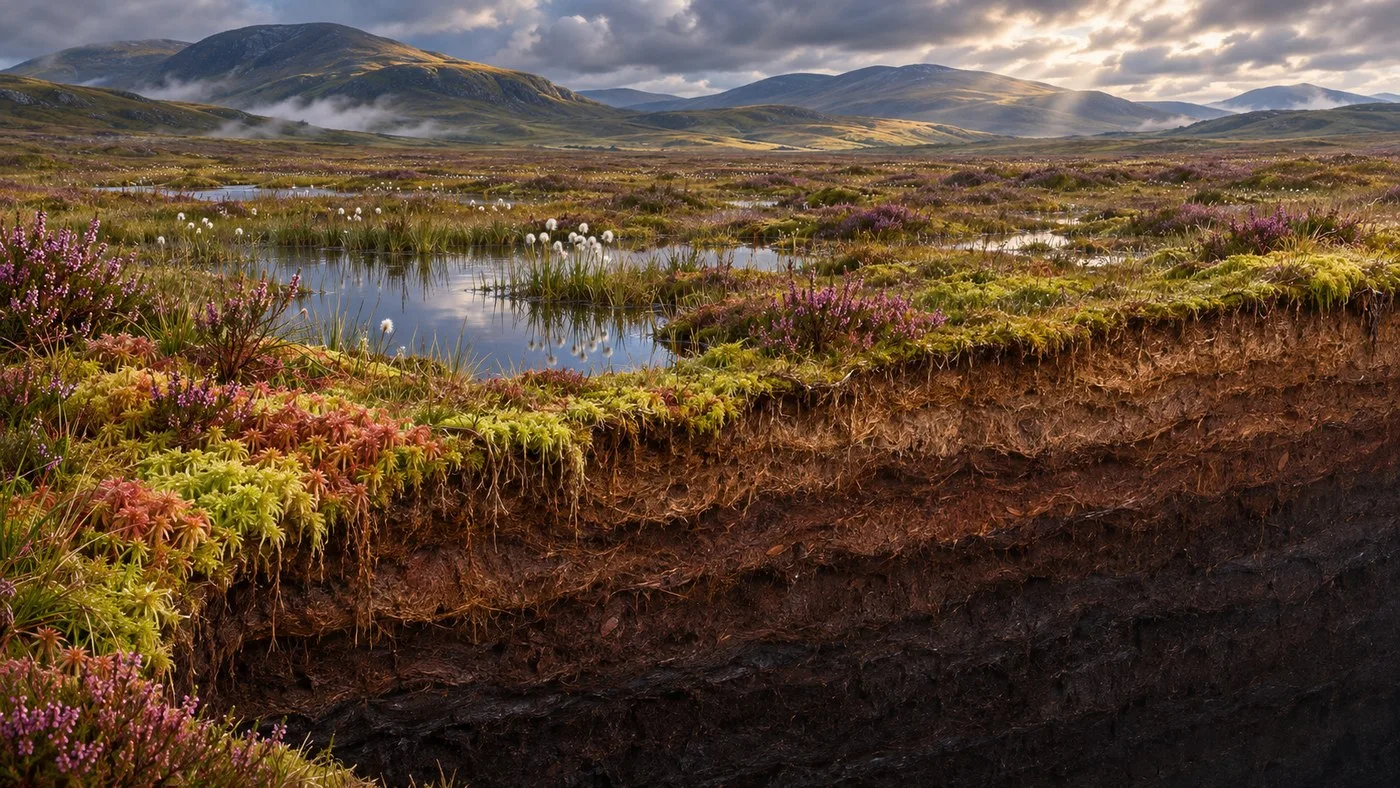
The Flow Country’s waterlogged blanket bogs slow decomposition, allowing layers of peat—and their carbon—to build up over thousands of years.
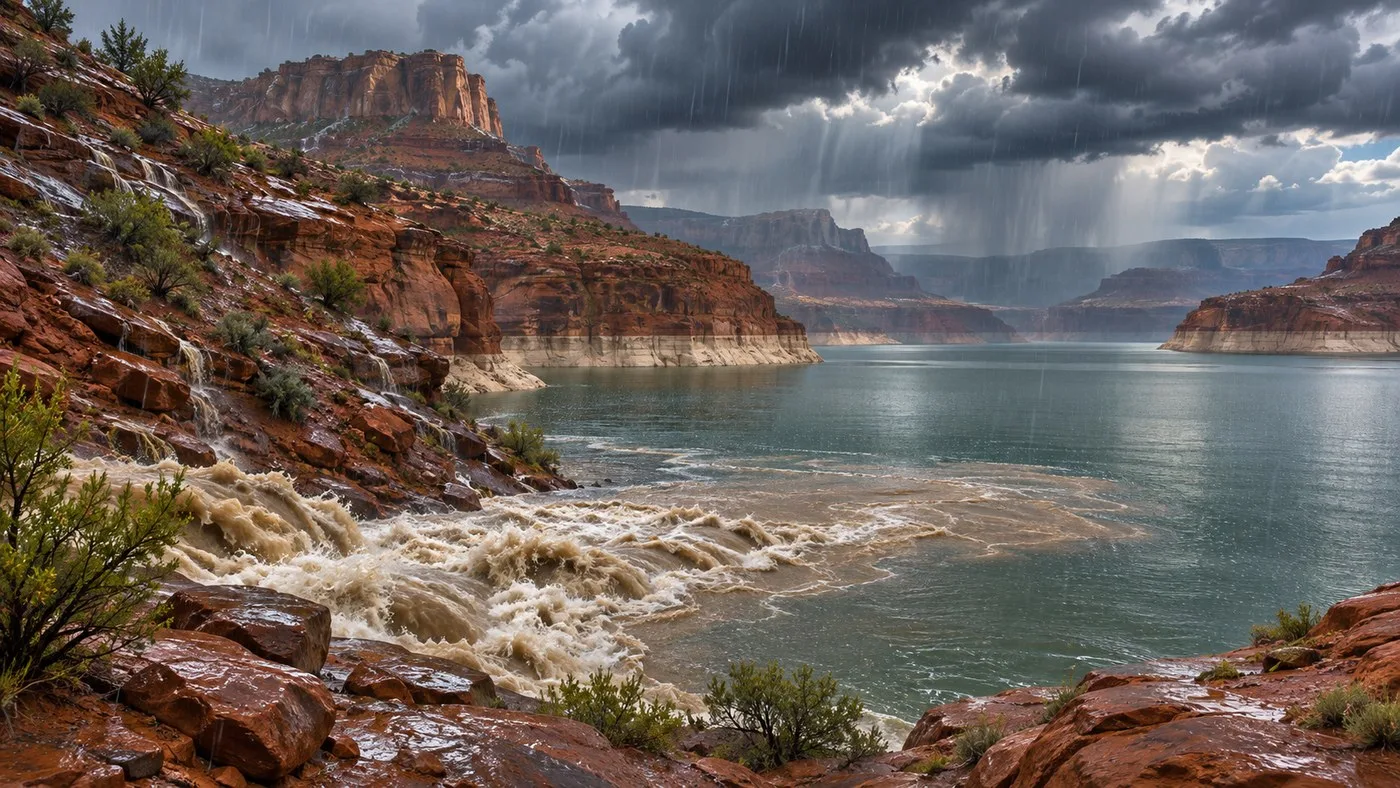 Science
NASA images show Navajo Reservoir rose nearly 60 feet between September and November 2026 after unusually heavy rain across the Four Corners.
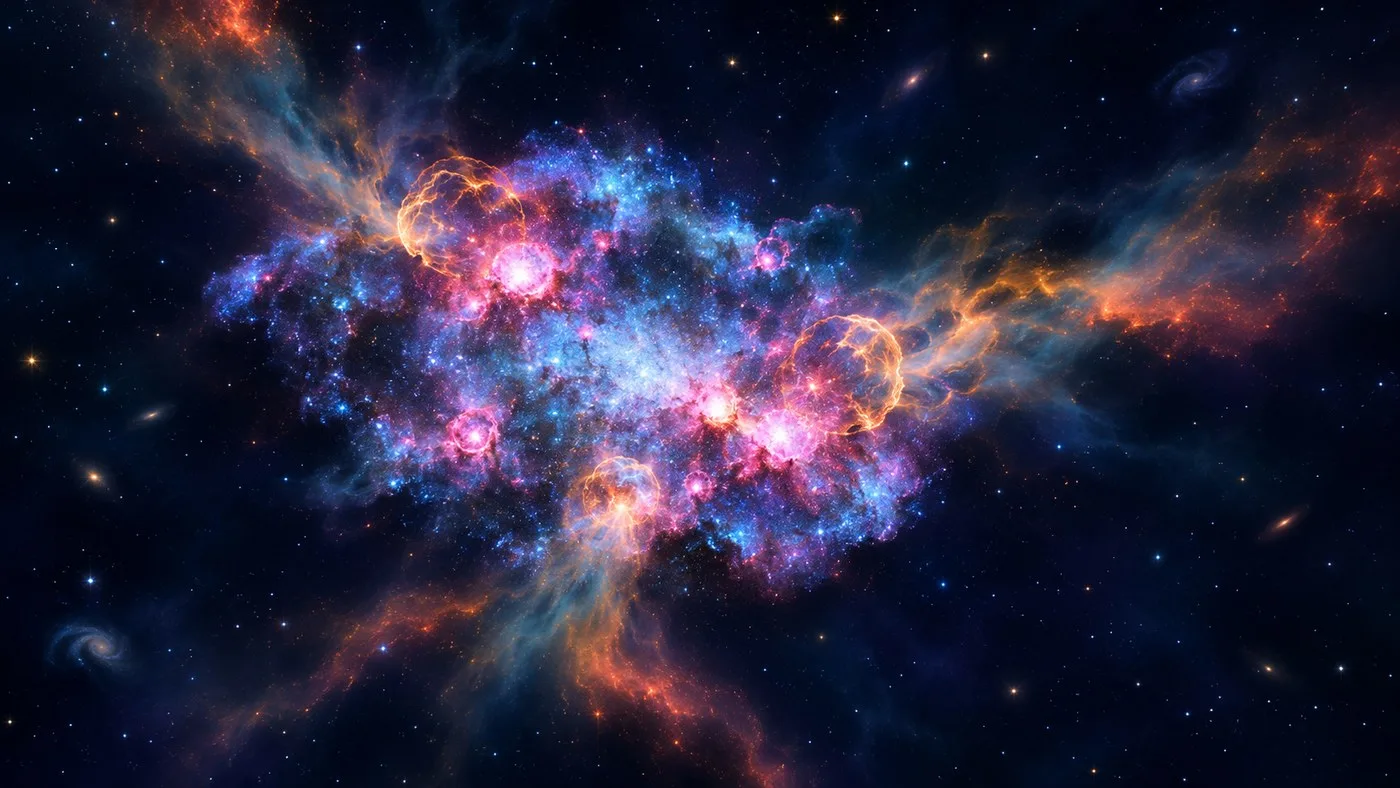 Space
Hubble observations of 37 dwarf galaxies found less oxygen than models predict. Galactic winds may have pushed some into surrounding space.
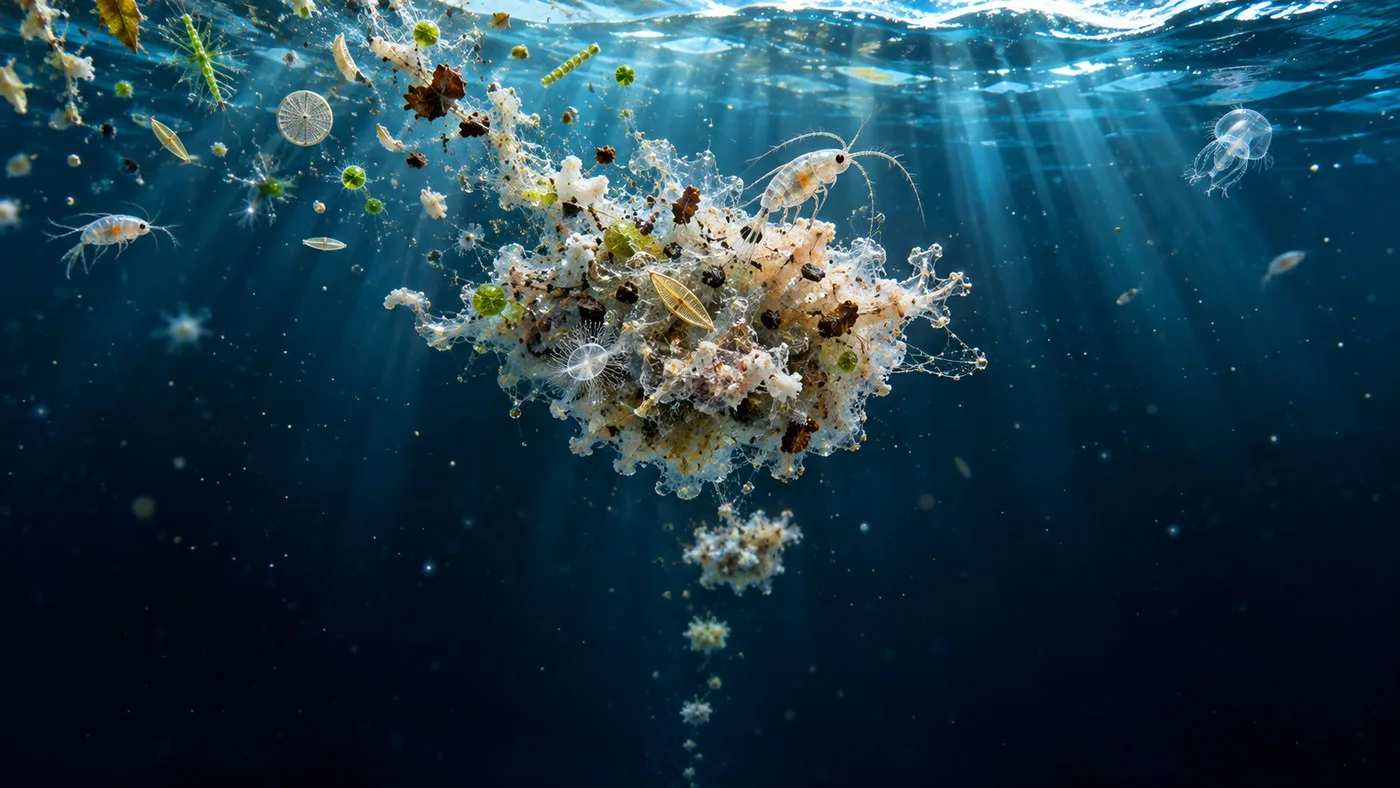 Nature
A 2026 study found gooier marine-snow particles resist bacterial breakdown and may transport over six times as much carbon to deep water.
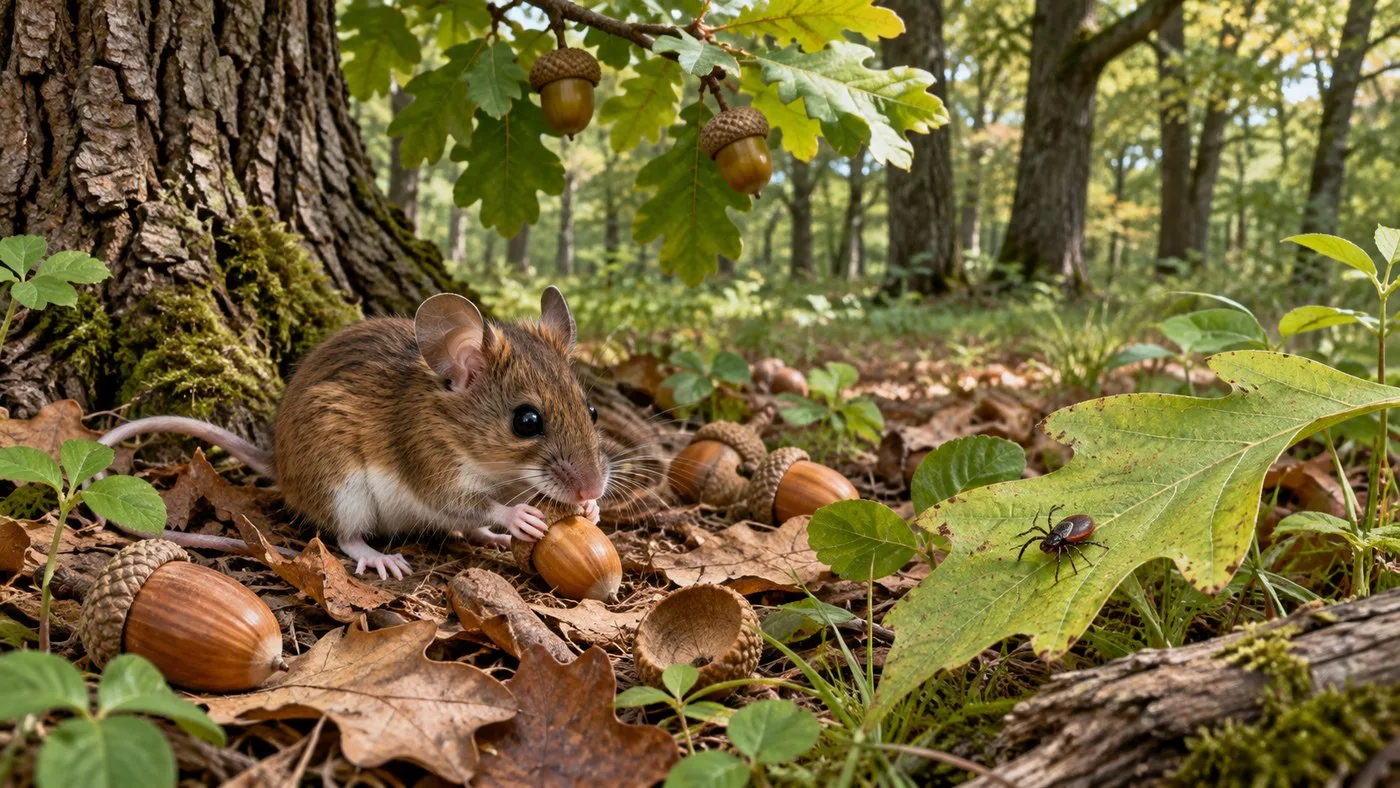 Nature
A 35-year study in New York linked red-oak acorns to mouse populations and later tick numbers, but the pattern is not a universal forecast.