
 Nature
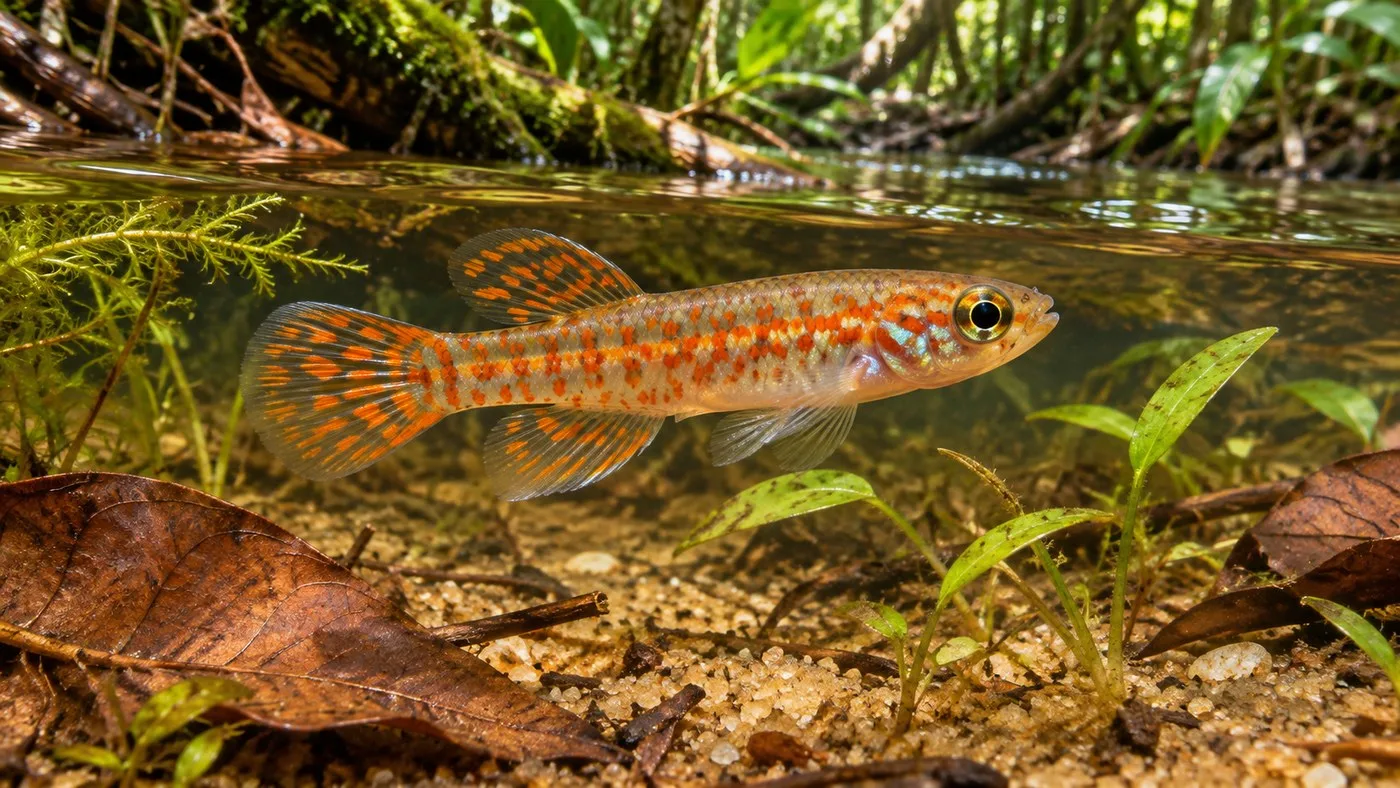
What Makes the Amazon Killifish Laimosemion laranja a New Species?
Researchers described Laimosemion laranja from Brazil’s lower Amazon basin using a combination of body features and genetic evidence.
Page 19 of 19 · Science, nature, space and history.
NatureResearchers described Laimosemion laranja from Brazil’s lower Amazon basin using a combination of body features and genetic evidence.
 History
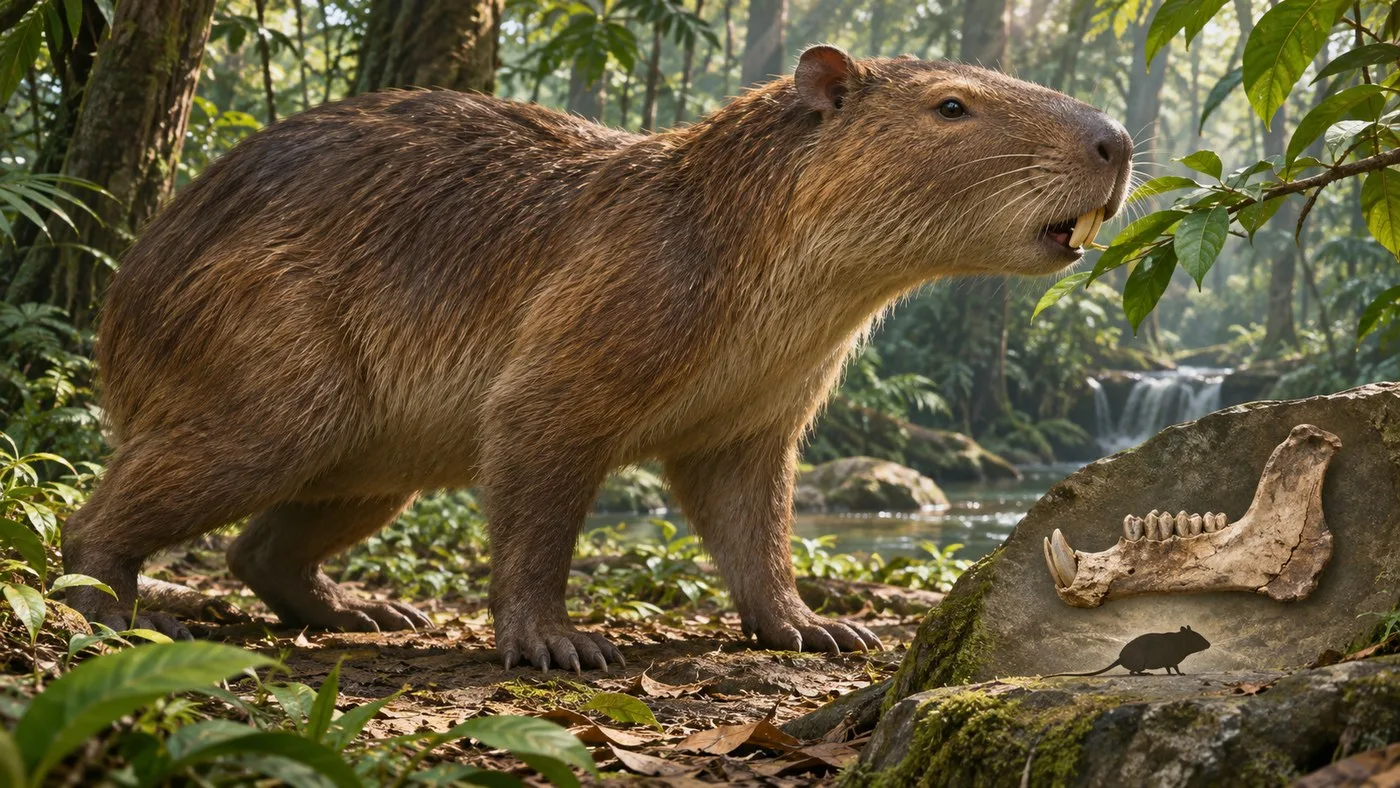
Fossil teeth from Thailand suggest the Eocene rodent Yakamys may have weighed around 30 kilograms, though estimates vary widely.
 Space
NASA researchers traced 12 tiny stratospheric dust grains to the Kuiper Belt. Their oxygen chemistry offers clues to ancient water in the outer solar system.
 Science
NASA and USGS data produced a one-meter California elevation map. Learn what lidar can reveal for wildfire planning—and what a map cannot predict.
 Space
NASA’s Terra satellite will stop collecting science data on December 1, 2026. Here is what the long-running Earth-observation mission measured and what happens next.
 Space
Webb observations helped reconstruct Bao, a star system where a smaller star spiraled into a swollen supergiant in the Andromeda galaxy.
 Space
NASA’s Chandra team converts telescope data from star-forming regions into sound. Discover what the notes represent—and what astronomers can learn from them.
 Space
NASA’s NICER telescope ended science operations in November 2026 after more than eight years in orbit. Here is what it studied and why pulsars matter for navigation.
 Science
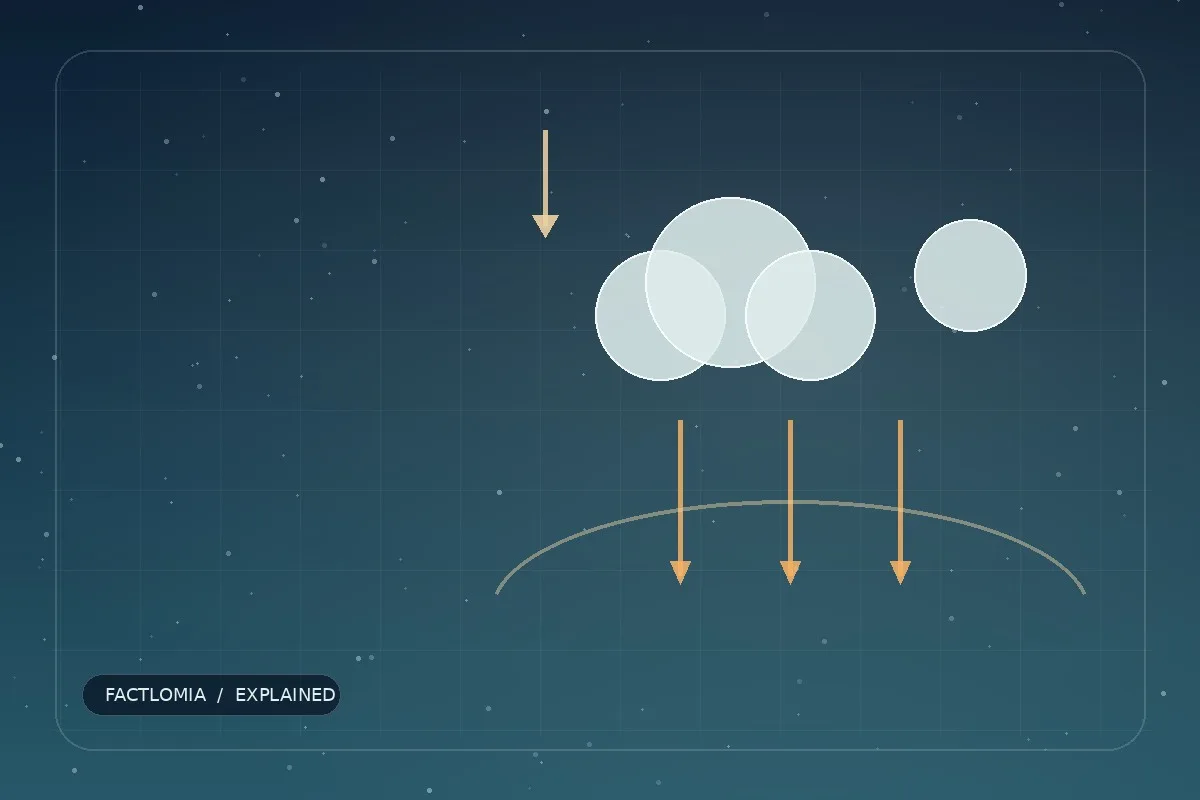
NASA and NOAA measurements found Earth’s energy imbalance roughly doubled from 2005 to 2019. Learn what that means and why the result is not a temperature forecast.
 Science
A recent cloud-feedback analysis suggests tropical Pacific and Atlantic cloud effects are larger than estimated. Here is how clouds can influence warming—and the uncertainty.
 Nature
A study using underwater temperature records found Great Lakes winters lasted about 14 fewer days than in 1995. See what the measure means for the region.
 Science
Nitrous oxide emissions grew about 40% from 1980 to 2020, largely linked to agriculture. Learn how this greenhouse gas forms and why its atmospheric rise matters.
 Science
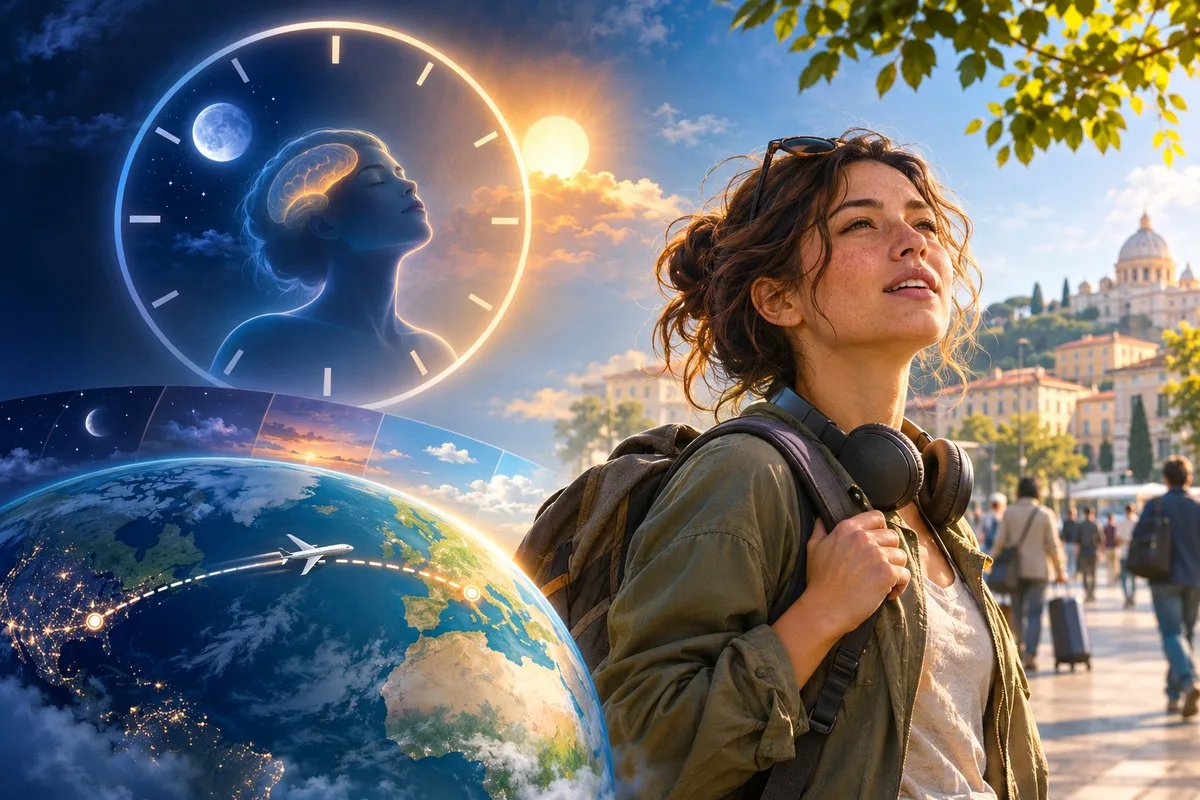
Jet lag happens when local time changes faster than your internal clock. Learn how daylight resets circadian rhythms, why direction of travel matters and why adjustment takes time.
 Space
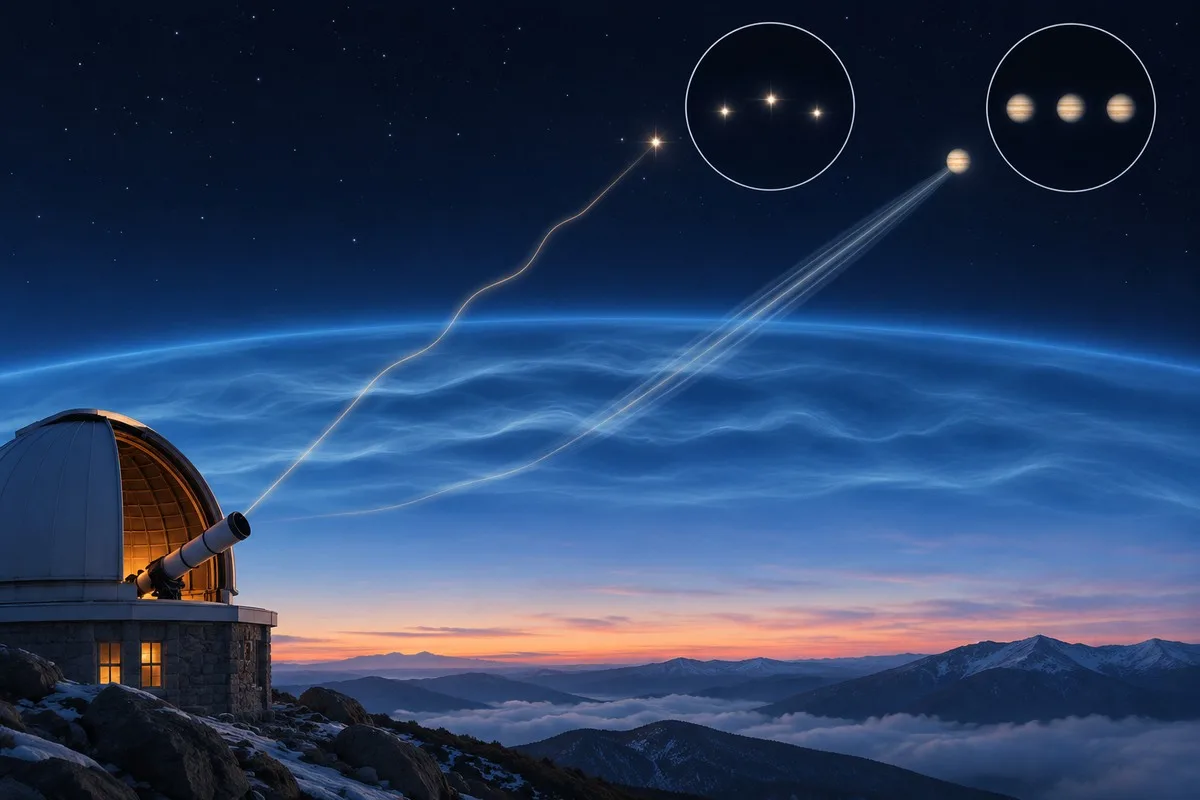
Stars flicker because moving pockets of air bend their light before it reaches your eyes. Planets usually look steadier because their small disks average out the atmospheric distortion.