
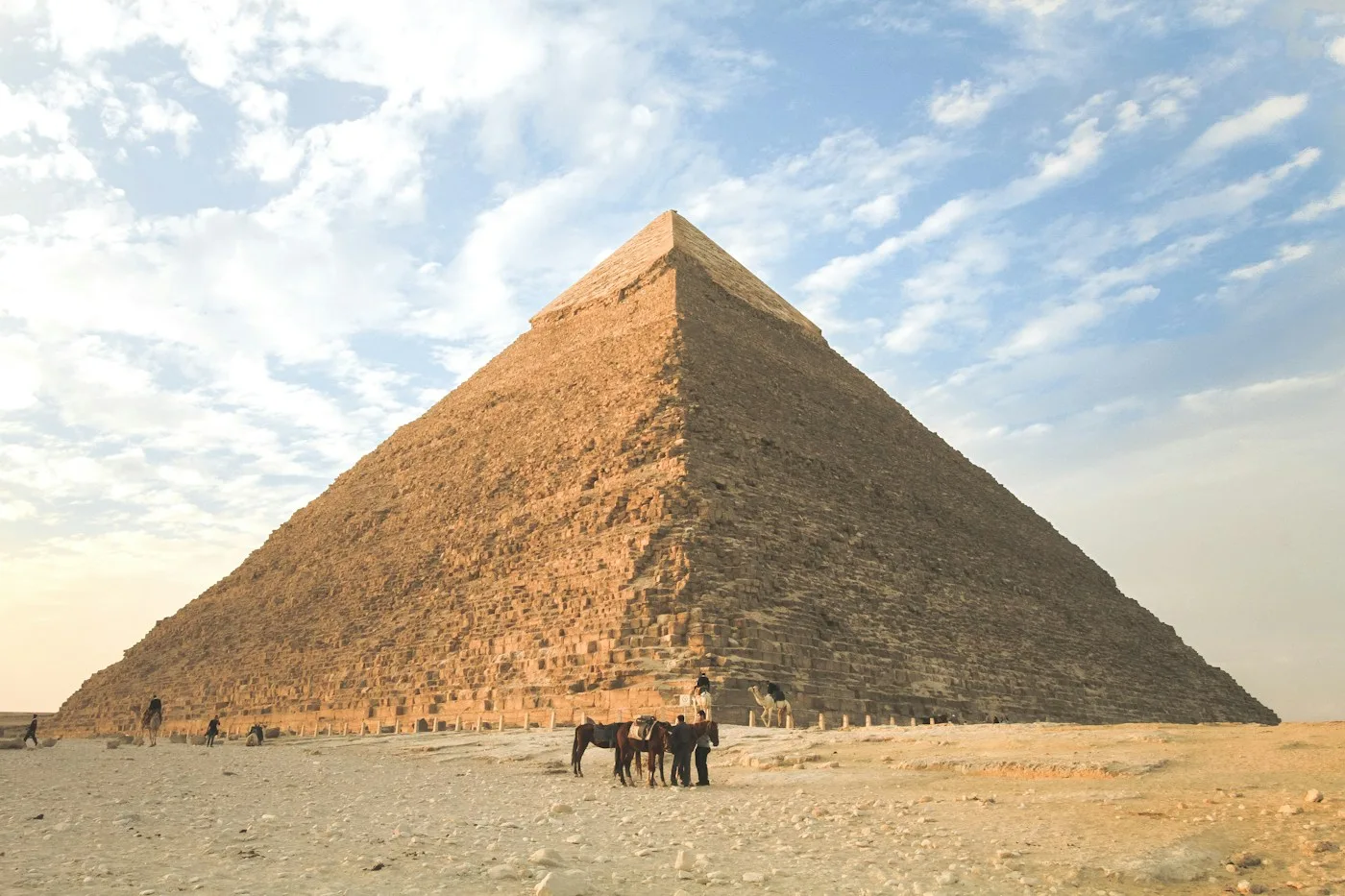
Deserts cool quickly at night because dry air contains little water vapour to trap outgoing heat, and clear skies allow the ground to radiate energy directly to space. Sparse vegetation and soil also store less heat than a humid landscape.
Daytime heating is intense
With few clouds and little vegetation, sunlight can reach desert ground efficiently. Dry sand and rock heat rapidly at the surface, so afternoon temperatures can become extreme even when deeper soil remains cooler.
But the same conditions that permit strong daytime heating reduce the landscape’s ability to hold that energy after sunset.
Water vapour is a natural blanket
Water vapour absorbs some of the infrared radiation emitted by warm ground and re-radiates part of it back downward. Humid air therefore slows nighttime cooling. Desert air contains much less water vapour, so more heat escapes upward.
Clouds can have a similar warming effect at night. A clear desert sky removes that layer, allowing the surface temperature to fall quickly.
Why the air temperature follows
Sand and bare rock are poor heat reservoirs compared with wet soil and vegetation. Wind can also mix the thin layer of air near the ground with cooler air above it. The result is a large day-night range, although elevation, season and local geology matter.
“Desert” means a dry climate, not one fixed temperature. Coastal deserts, high deserts and subtropical deserts can have very different records.
Not every desert has the same temperature swing
A coastal desert can be moderated by nearby ocean water, while a high desert may lose heat rapidly because the air is thin and dry. Cloud cover, elevation and wind can outweigh the general “desert” label. Climate describes long-term moisture and heat patterns, so local measurements matter more than a stereotype.
Sources and evidence
- National Park Service — Why are deserts hot and cold? ↗
Daily temperature range, dry air and clear skies.
- NASA Earth Observatory — Desert climate ↗
Desert moisture, vegetation and surface conditions.
Sources consulted: 9 October 2026. Written with AI assistance and checked against the linked references; not independently reviewed by a subject specialist. Sources do not endorse this article. See our editorial policy.
Revision: Explained nighttime cooling through humidity, cloud cover and surface heat storage. Added a subject-specific example or limitation to strengthen reader value.