
 Nature
Why do trees have rings?
Many trees add wood in seasonal growth pulses. Ring width records changing conditions, but rings are not a perfect calendar for every species or climate.
Page 17 of 19 · Science, nature, space and history.
NatureMany trees add wood in seasonal growth pulses. Ring width records changing conditions, but rings are not a perfect calendar for every species or climate.
 Nature
Wind creates waves, but a swell can travel far beyond the storm that made it. Learn how wave energy moves through water.
 Nature
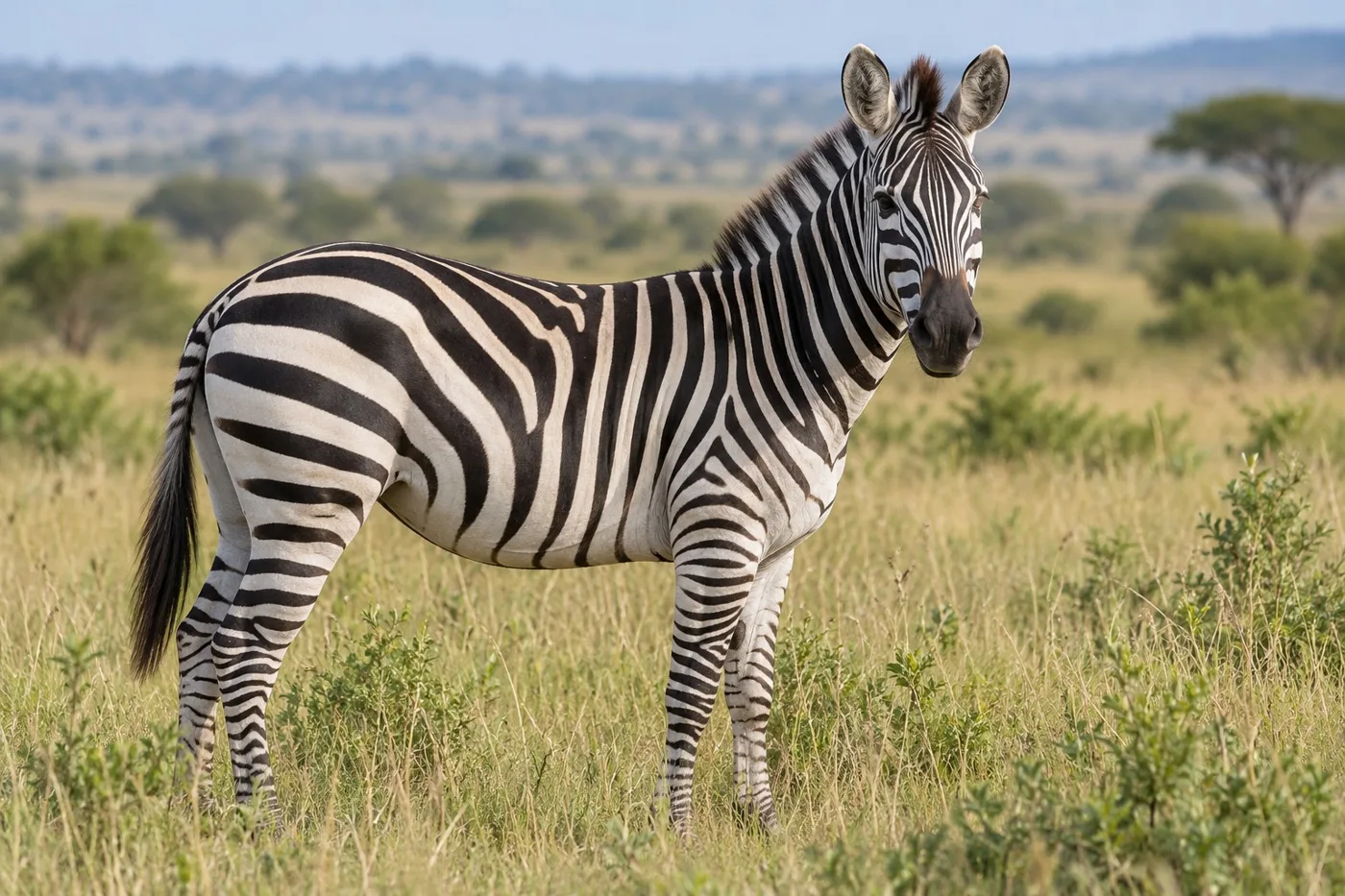
Stripe patterns may reduce biting flies and help zebras recognize one another. Their benefits are ecological, not a simple camouflage trick.
 Nature
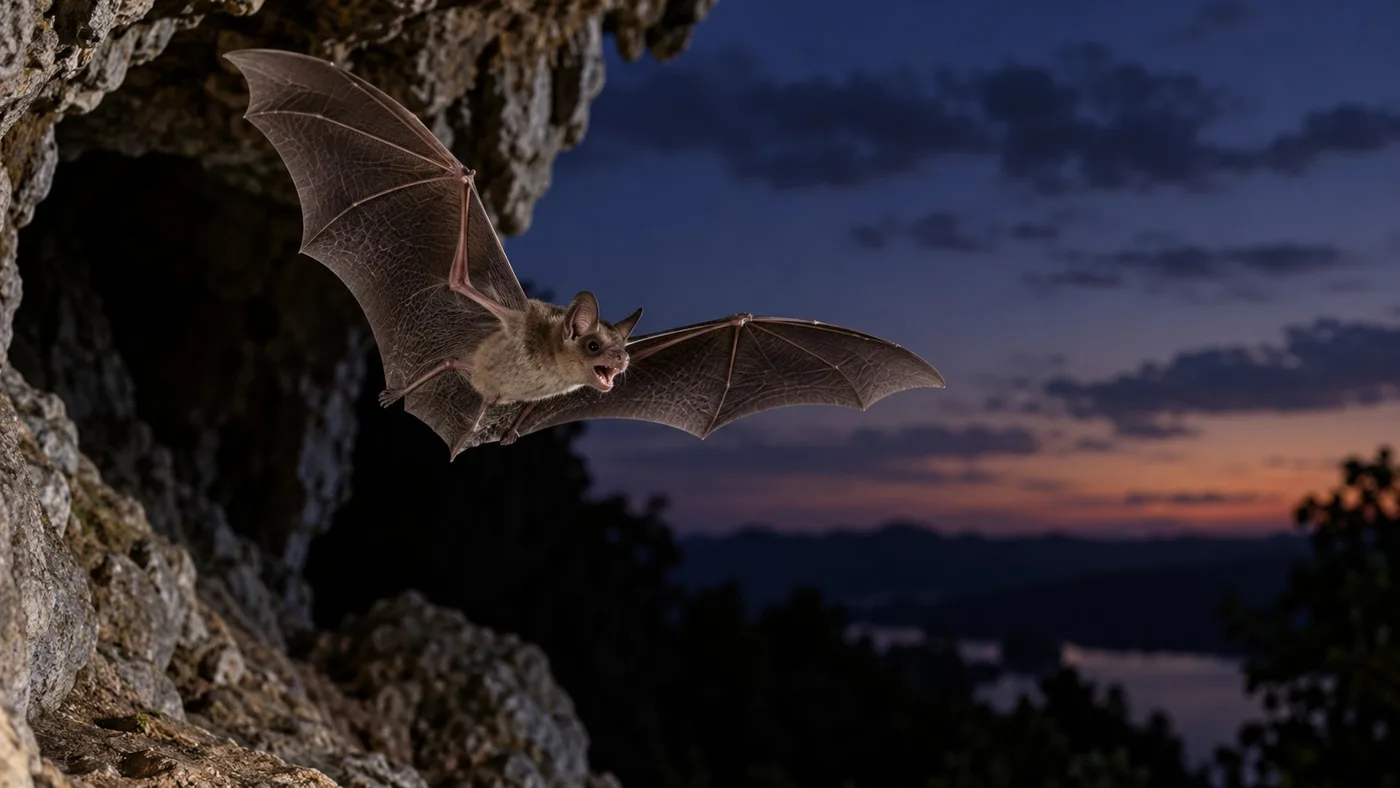
Many bats emit ultrasonic calls and analyse returning echoes. Timing and frequency changes reveal distance, shape and movement even when vision is limited.
 Space
Gravity curves spacetime. Near a black hole, that curvature can redirect passing light, create distorted images and sometimes form an Einstein ring.
 Science
Steel and concrete expand when heated and contract when cooled. Expansion joints give the structure room to move without buckling or cracking.
 Nature
A reflective layer behind the retina sends unused light back through the eye, increasing sensitivity. It also creates the visible eye-shine seen in headlights or a camera flash.
 Space
Solar wind and sunlight push material away from a comet’s nucleus. Its dust and ion tails point away from the Sun, shaped by different forces.
 Science
Sound reflects from hard, distant surfaces. A distinct echo occurs when the reflected sound arrives late enough for your brain to separate it from the original.
 Science
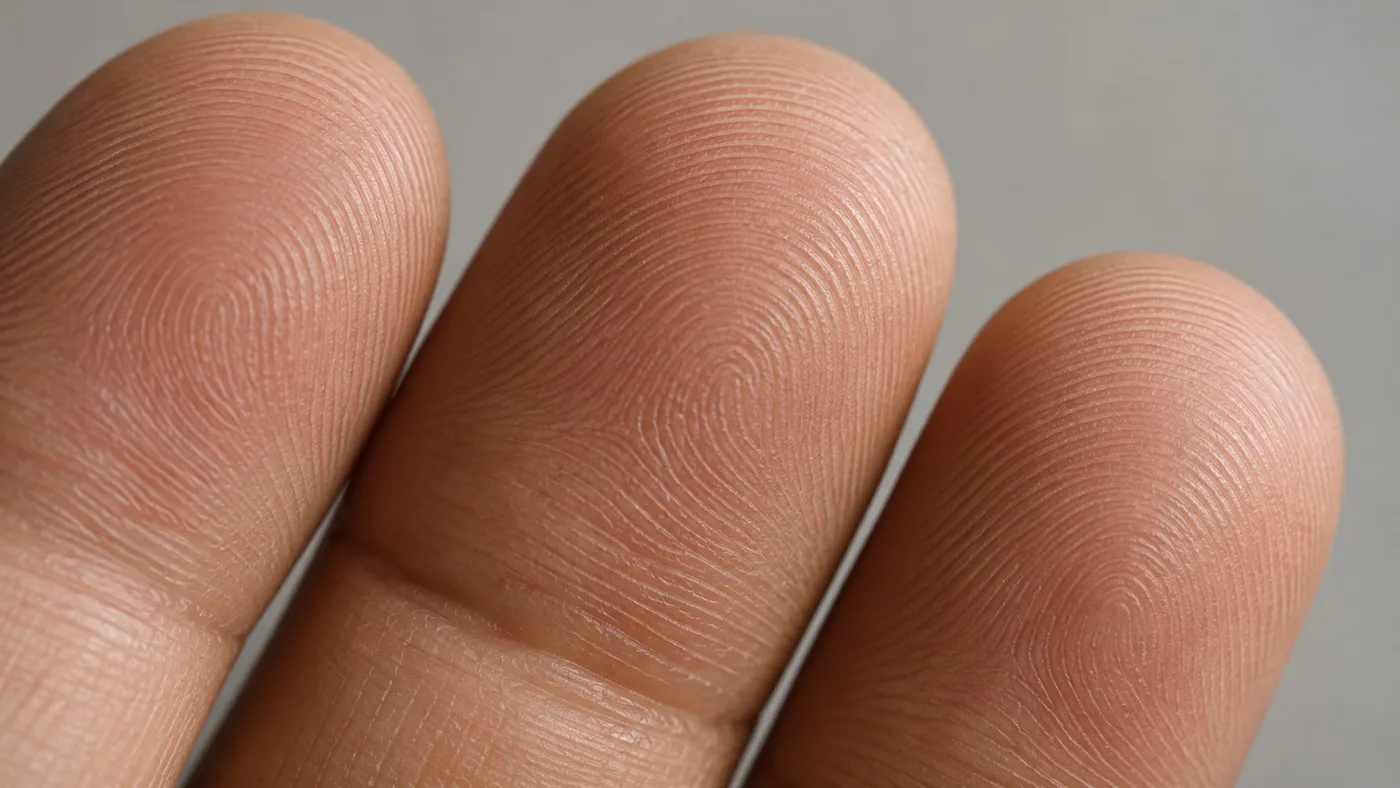
Finger ridge patterns form before birth through genetics and tiny differences in the womb. Even identical twins develop distinct details.
 History
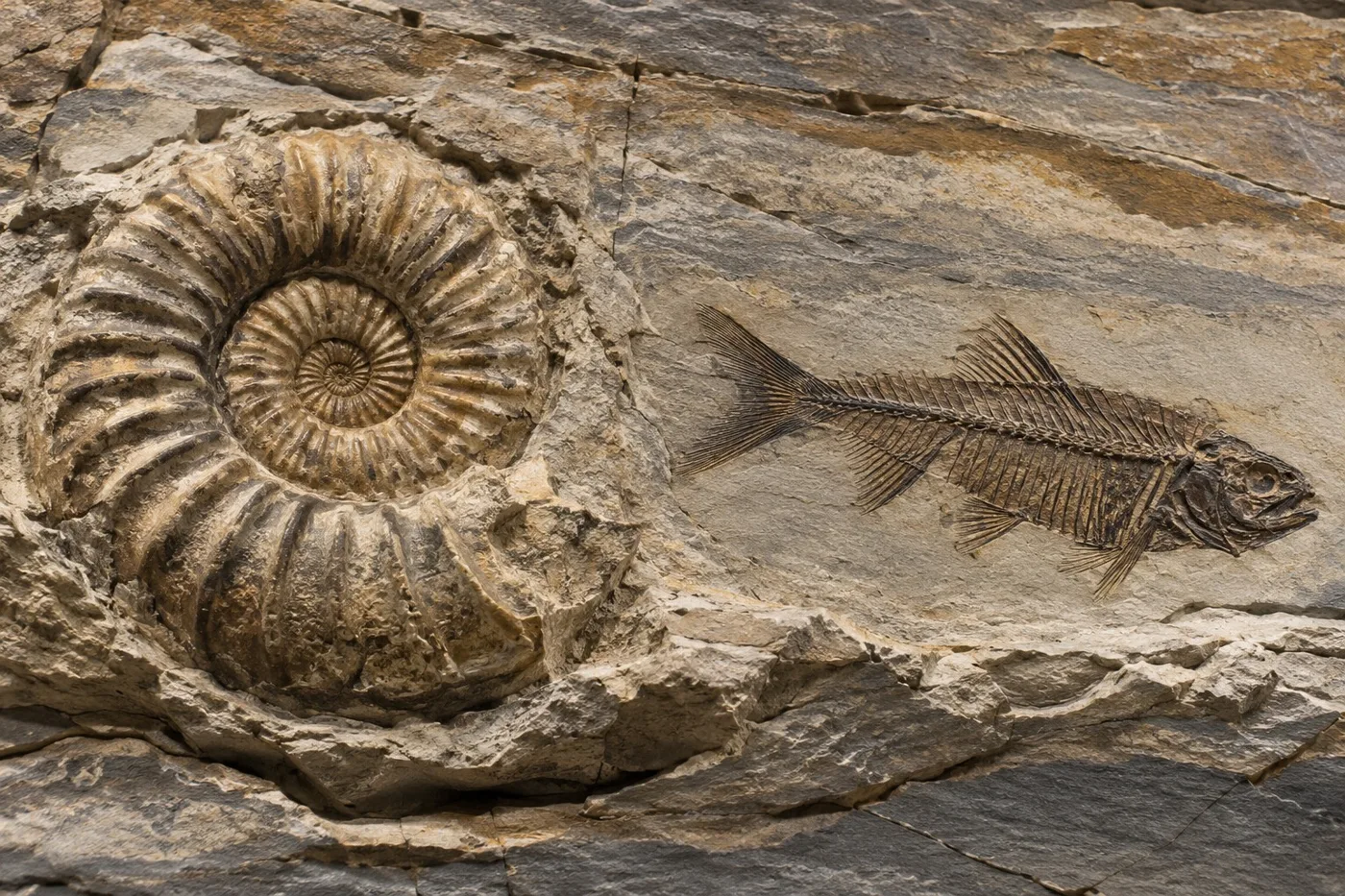
Burial, mineral-rich water and low oxygen can replace or fill bone structure. Fossilisation is rare and depends on geology, time and later exposure.
 Science
GPS receivers compare precise time signals from several satellites. The differences reveal distances, and geometry converts those distances into a position on Earth.
 Nature
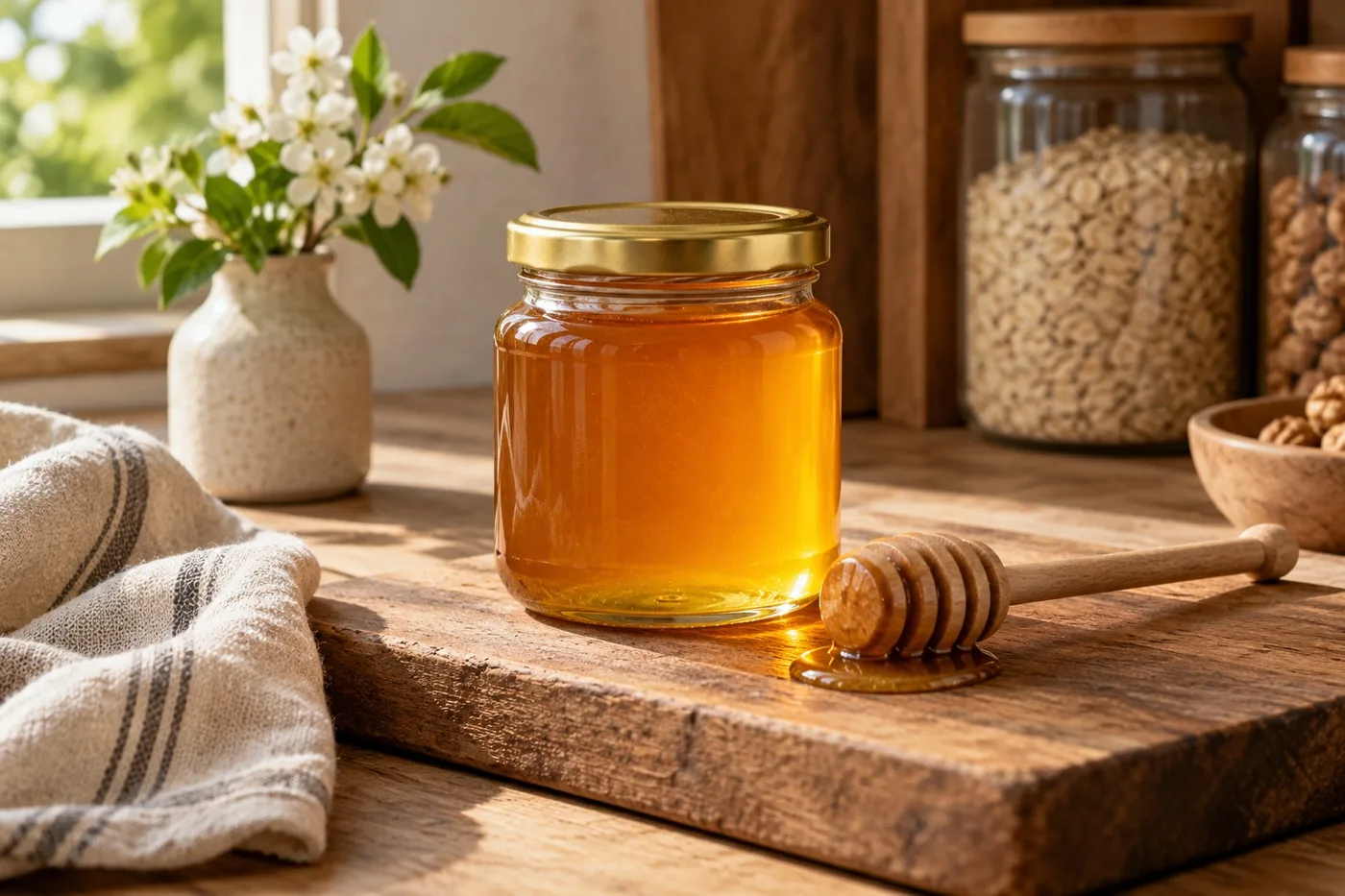
Honey is low in available water, acidic and rich in sugars. Those conditions slow or stop many microbes, although contamination and moisture can change its stability.
 Science
Water expands as it freezes because hydrogen bonds arrange molecules into an open crystal structure. The solid becomes less dense than the liquid beneath it.
 Nature
Green chlorophyll breaks down as daylight and temperature change. Other pigments become visible, while some leaves manufacture red pigments before falling.
 Science
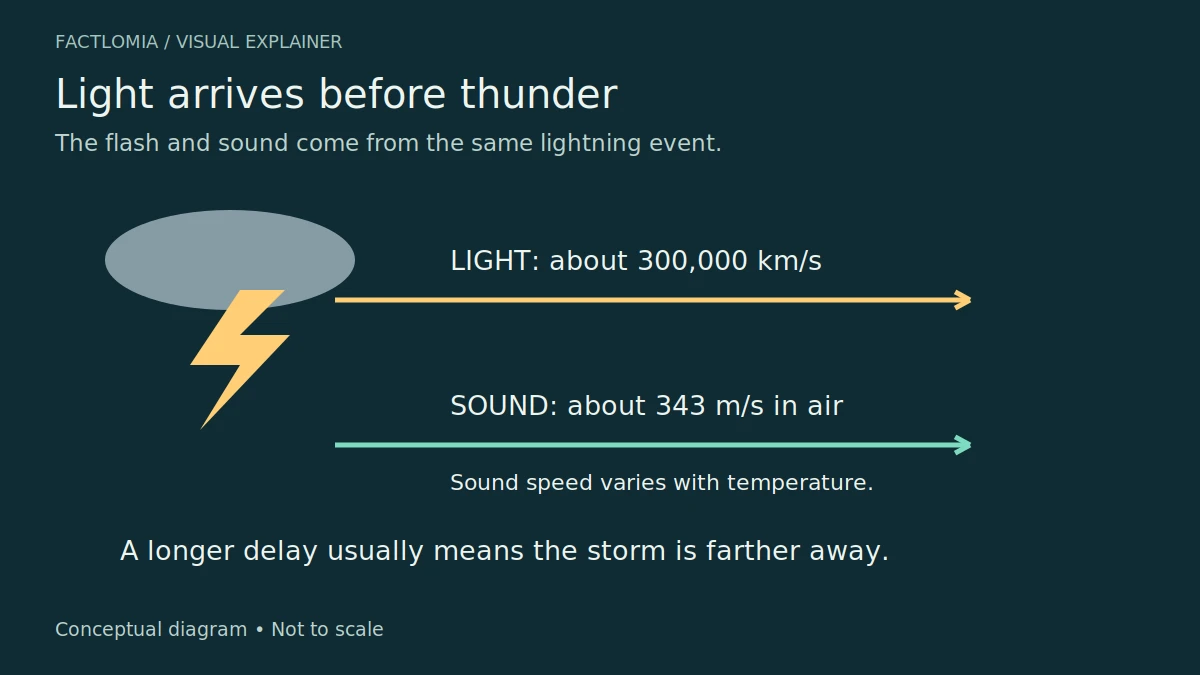
Light reaches your eyes almost instantly, while thunder travels through air at about the speed of sound. The delay reveals the storm’s distance.
 Science
At the same room temperature, metal draws heat from your hand faster than wood because it conducts heat far more efficiently. The sensation measures heat flow, not temperature alone.
 Space
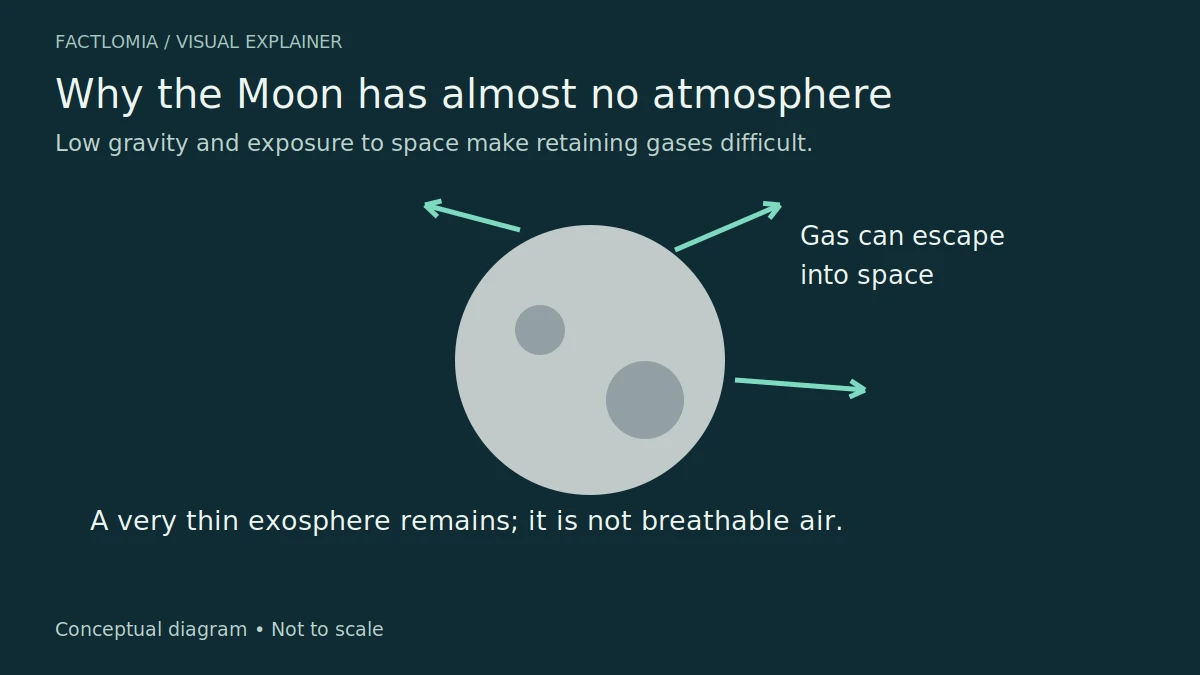
The Moon’s weak gravity and lack of strong global magnetic protection let gas escape more easily. It has an extremely thin exosphere rather than Earth-like air.
 Science
Cutting an onion breaks cells and lets enzymes create a volatile irritant. It reaches the eye, dissolves in tears and triggers a protective reflex.
 Science
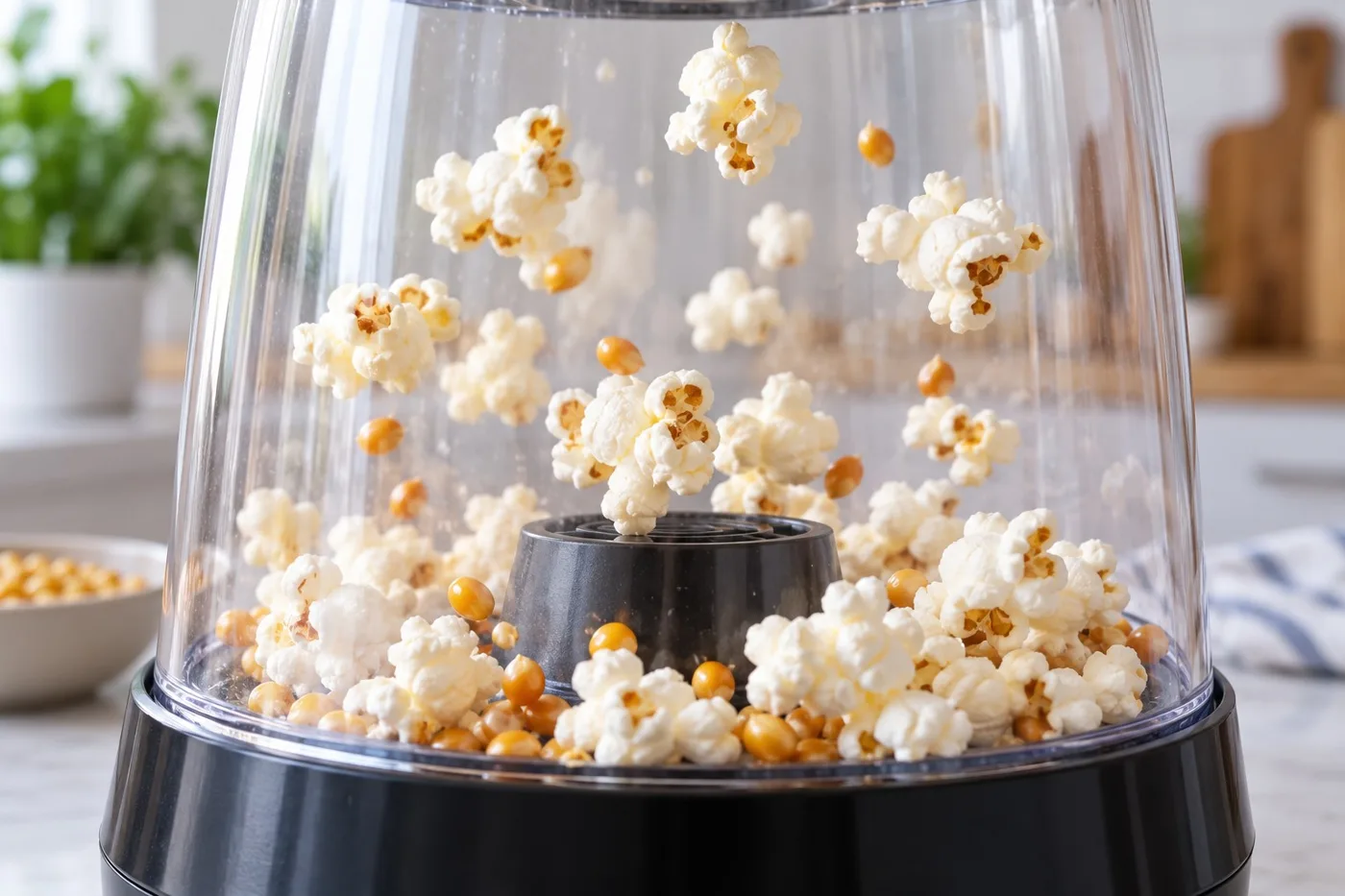
A kernel contains a small amount of water sealed inside a hard shell. Heating turns that water into steam until pressure ruptures the hull and expands the starch.
 Space
Saturn’s rings are broad, bright bands of ice and rock particles. Their size, reflectivity and contrast against space make them visible even through modest telescopes.
 Nature
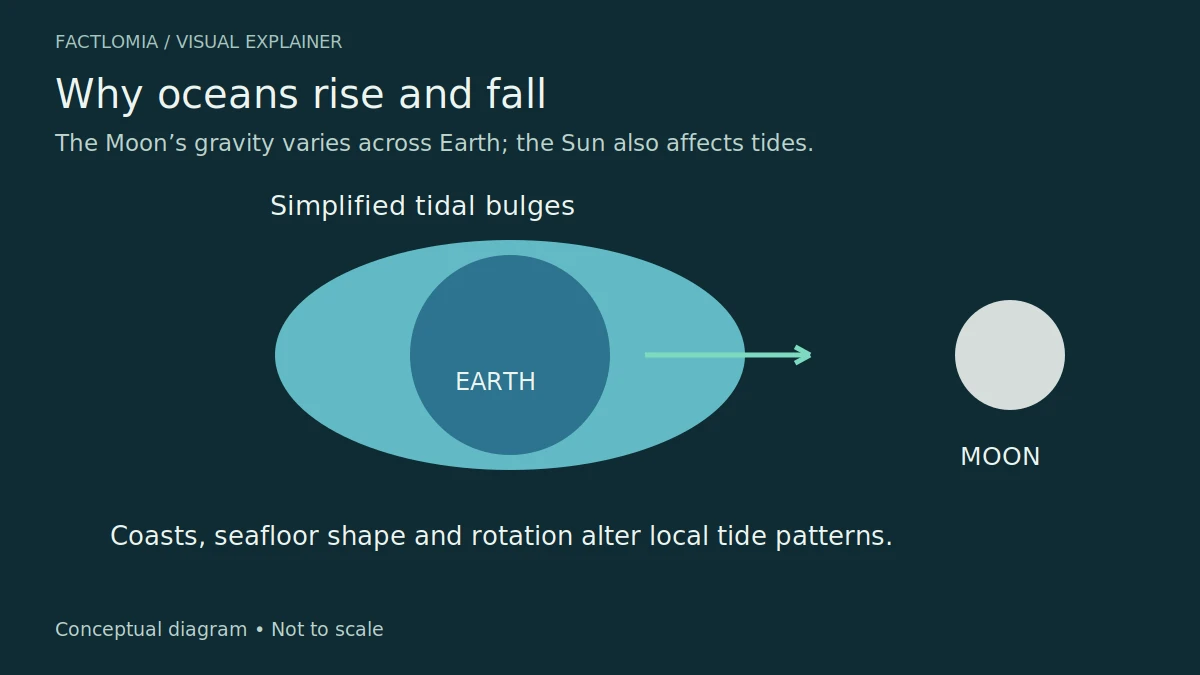
The Moon’s gravity pulls unevenly on Earth’s oceans, while the Sun adds a smaller effect. Earth’s rotation carries coastlines through bulges and tidal basins.
 Nature
Magma rises because it is buoyant and contains expanding gases. Pressure, fractures and magma supply determine whether an eruption is gentle or explosive.
 Nature
Some birds, insects and other animals detect ultraviolet wavelengths that humans cannot see. Learn what this hidden information is used for.