
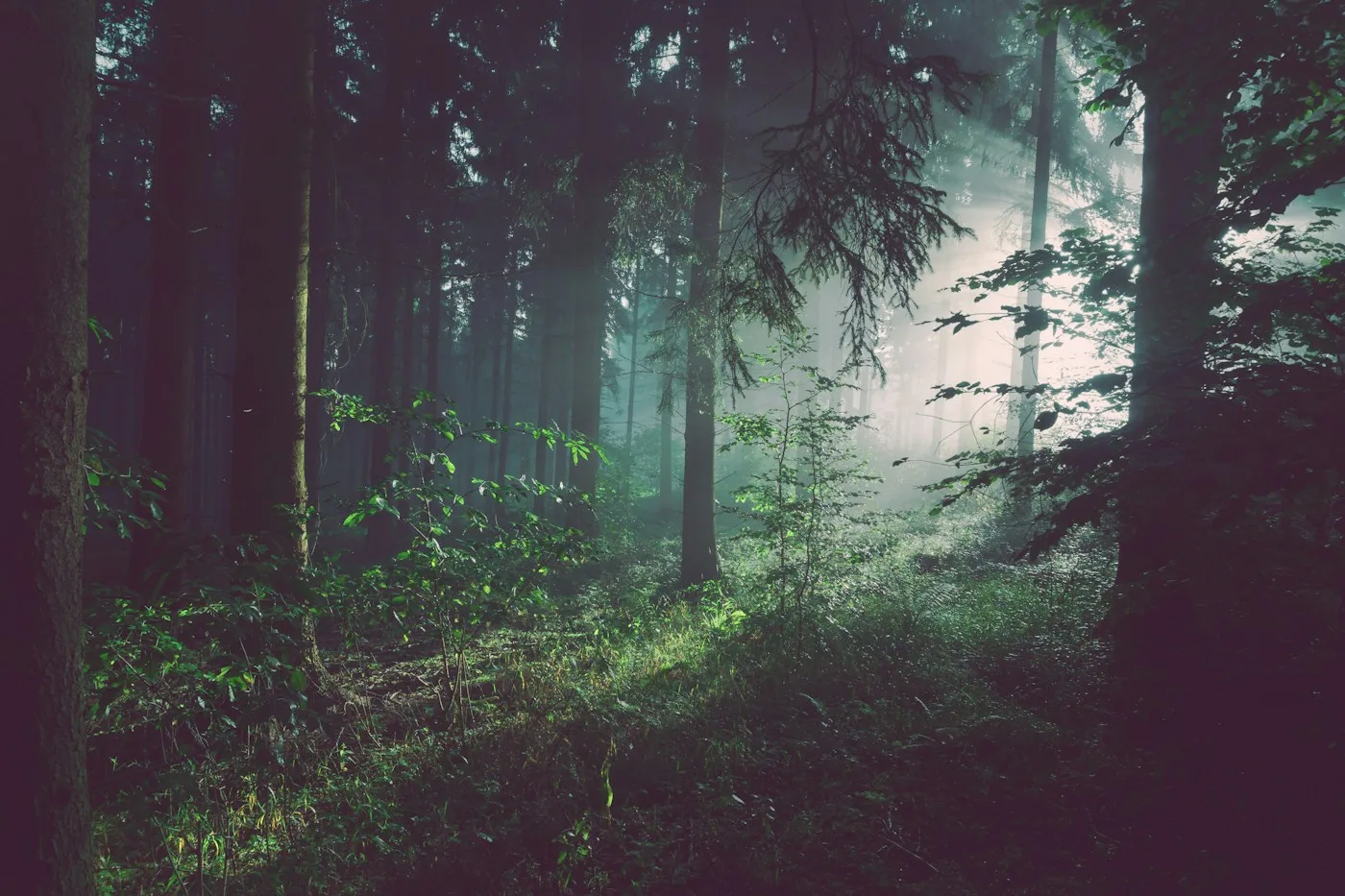
Mushrooms often appear after rain because moisture and humidity trigger a fungus to produce fruiting bodies. The larger fungal network usually existed before the mushroom became visible.
The mushroom is only the visible part
Most fungi grow as microscopic threads called hyphae, forming a network known as mycelium. A mushroom is a temporary reproductive structure that releases spores. Rain can provide the water and humidity needed for that structure to expand.
This is why a lawn can seem to produce mushrooms overnight: growth was hidden below the surface, while the cap becomes visible quickly.
Temperature and food also matter
Moisture is not enough by itself. Soil temperature, organic material, shade and species biology determine whether fruiting occurs. Heavy rain can even damage a cap or wash away spores if conditions are extreme.
Different fungi respond to different seasonal cues, so a single shower does not guarantee the same flush everywhere.
Do not identify by appearance alone
Many mushrooms look similar, and colour or shape is not a safe guide to edibility. A photograph can support identification research, but it cannot replace an expert assessment.
The useful general fact is ecological: rainfall changes the conditions for reproduction, not that rain manufactures a fungus from nothing.
Sources and evidence
- USDA Forest Service — Fungi and forest ecosystems ↗
Fungal networks, decomposition and fruiting biology.
- Cornell Mushroom Blog — Why mushrooms fruit ↗
Moisture, temperature and fungal fruiting conditions.
Sources consulted: 9 October 2026. Written with AI assistance and checked against the linked references; not independently reviewed by a subject specialist. Sources do not endorse this article. See our editorial policy.
Revision: Added original explanatory comparisons, source-linked evidence and a reader-focused example.