
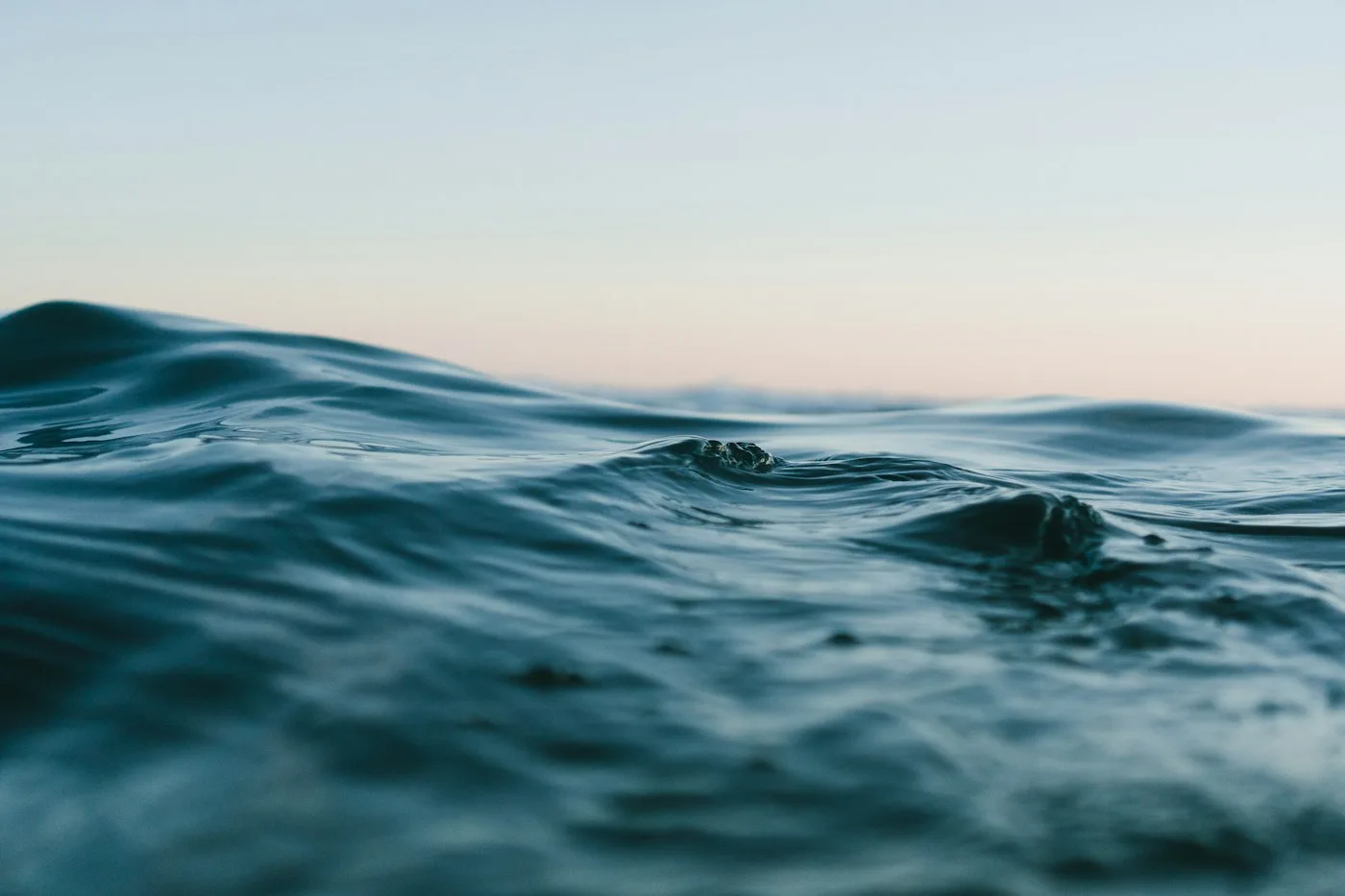
Water changes how a rough road scatters light. More light can enter and be absorbed by the surface, while a smooth water film sends bright reflections toward particular viewing angles.
A dry surface scatters light broadly
Rough asphalt scatters incoming light in many directions. A wet surface has different optical boundaries: water replaces air in some gaps and coats the rough material. That changes the balance between light returned to your eyes and light absorbed. Optical research has modeled this darkening in rough absorbing materials. [1]
Why darkness and a bright glare can coexist
Diffuse brightness and a mirrorlike highlight are different measurements. You can see a dark wet road almost everywhere and a bright reflection directly beneath a streetlight. The water film redistributes reflected light into a narrower range of directions. Move your head or the light source and the highlight can shift without the asphalt changing color.
Water is not painting the pavement
An everyday comparison is to wet one part of a dull stone. The patch often becomes darker and returns toward its earlier appearance as it dries. That reversibility is a clue that you changed the way light travels through the surface, rather than depositing a new pigment. Real roads also have oil, dirt and different aggregates, so their behavior is not identical.
Where the optical explanation has limits
Models of wet sand, soils and rough surfaces explain the broad effect, but not every road is the same. Texture, material absorption, puddle depth and illumination all matter. A photograph taken with automatic exposure can also make a highlight look brighter or the rest of the image darker. [2]
What changes when you move your viewpoint?
Brightness is a relationship between the light source, surface and observer. The following comparison applies to a rough, absorbing pavement with a water film; it is not a promise about every material.
| Situation | What you may see | How to interpret it |
|---|---|---|
| Dry road under broad daylight | A relatively even, dull appearance | Roughness scatters reflected light over many directions. |
| Wet road away from a light reflection | A darker surface | Less light returns diffusely toward this observer. |
| Wet road at a favorable reflection angle | A bright streak or patch | The water surface redirects light from the lamp toward the observer. |
Moving your viewpoint can change the highlight without changing the pavement. That provides a useful way to separate an optical effect from a claim that water has permanently recolored the road.
Frequently asked questions
Does water permanently darken asphalt?
The immediate optical effect usually reverses as the surface dries.
Why do puddles look like mirrors?
A smooth water surface produces directional reflections.
Does every wet material darken?
No. The effect depends on the material and viewing conditions.
Keep exploring
Sources and evidence
- Lekner and Dorf — Wet-surface optics ↗
Optical mechanisms that reduce wet rough-surface reflectance.
- Twomey and colleagues — Wet and dry reflectance ↗
Multiple scattering and wet-surface albedo.
Sources consulted: 12 October 2026. Written with AI assistance and checked against the linked references; not independently reviewed by a subject specialist. Sources do not endorse this article. See our editorial policy.
Revision: Expanded with a comparison table or worked example to clarify common misunderstandings; original URL retained.