
 Science
Why Is Ice So Slippery? New Research Explains
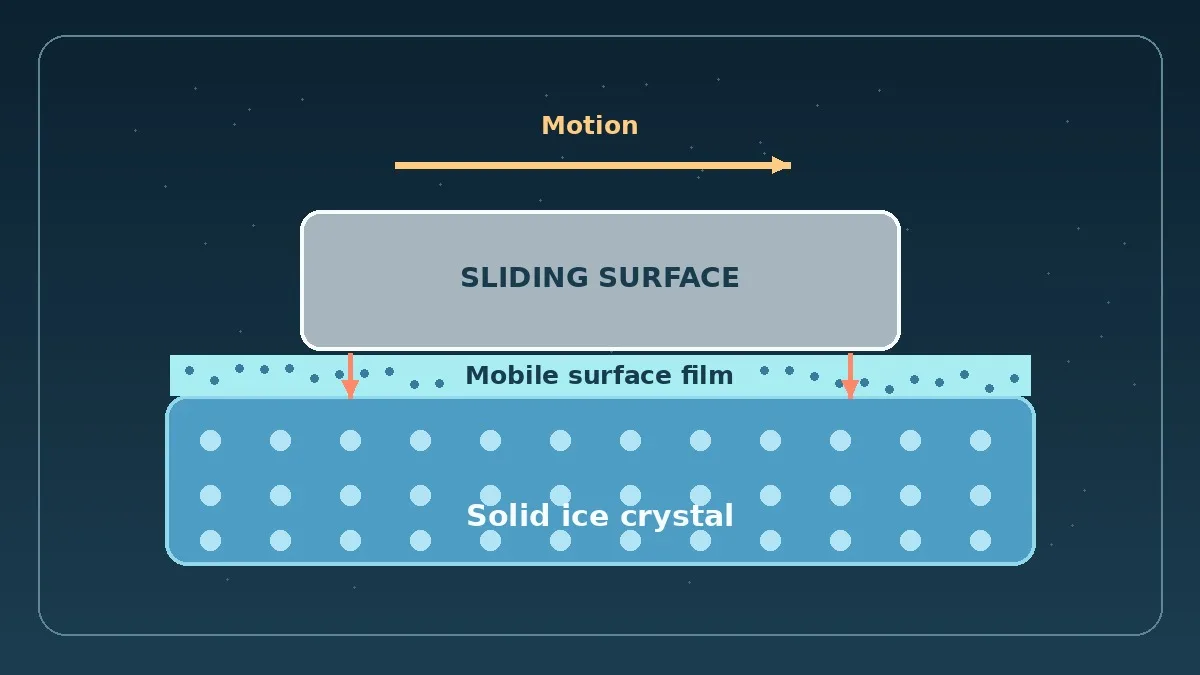
A November 2026 physics study explores how a thin, mobile layer and frictional heating help ice become slippery. Discover the science beneath your skates.
Follow ice from a slippery surface to a frozen bridge, then explore the life that thrives in snow. Read in order or choose the question that catches your attention. Each story includes its sources.
ScienceA November 2026 physics study explores how a thin, mobile layer and frictional heating help ice become slippery. Discover the science beneath your skates.
 Science
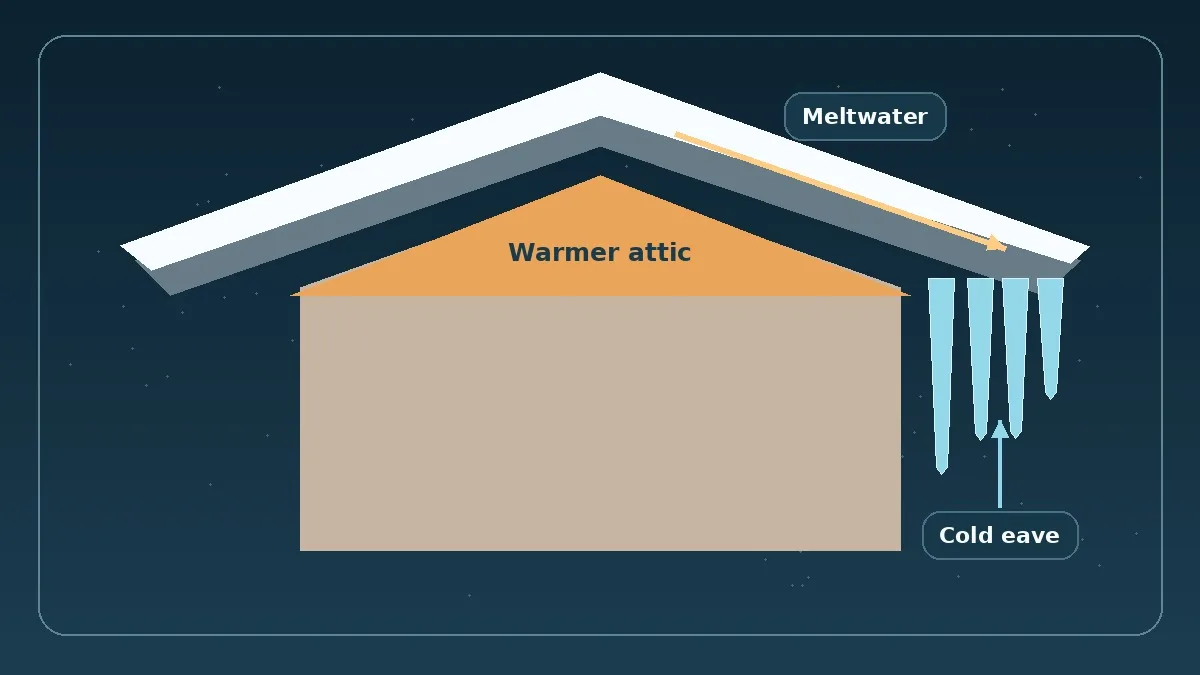
Discover how dripping meltwater, cold air and the release of heat build the familiar tapered shape of an icicle under a roof or branch.
 Science
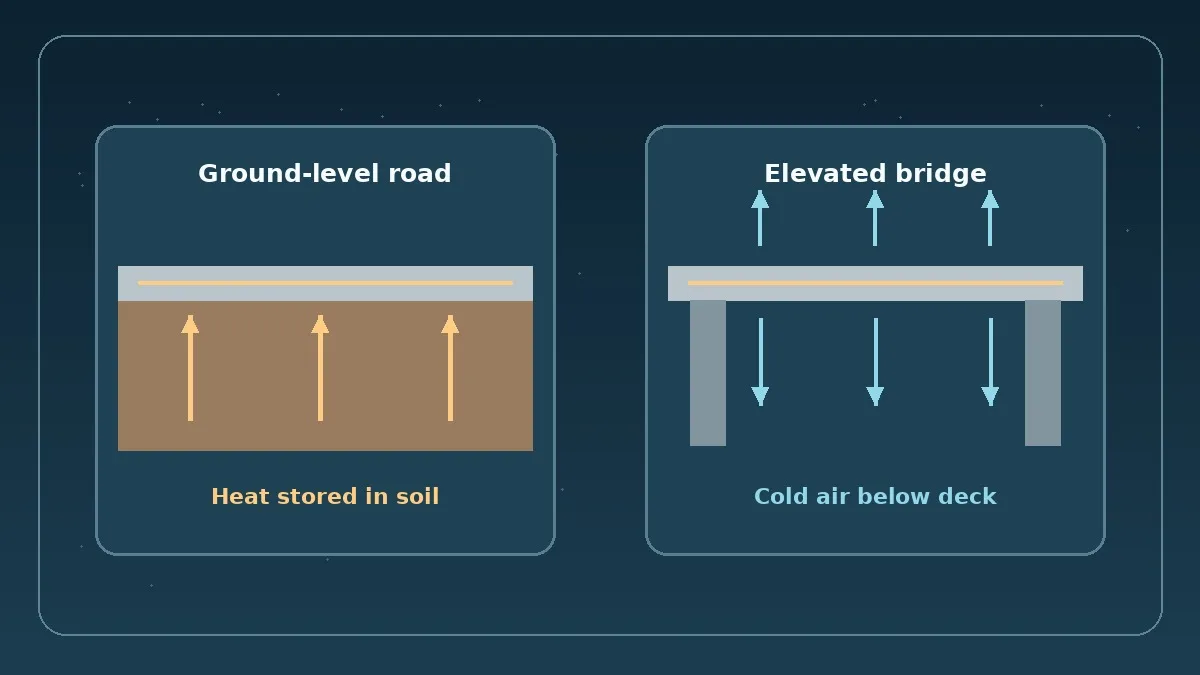
Learn why exposed bridge decks can cool faster than roads built on the ground, even when both look dry on a cold winter morning.
 Nature
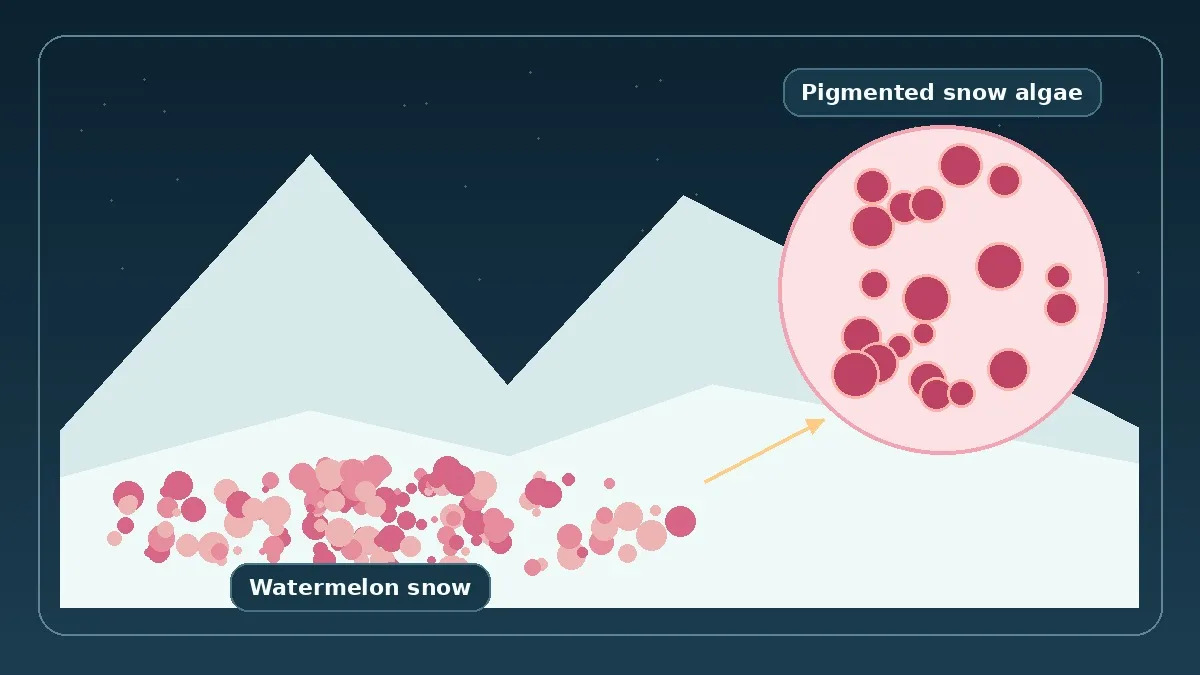
Watermelon snow gets its surprising color from snow-dwelling algae. Explore how red pigments change the way mountain snow absorbs sunlight.
 Nature
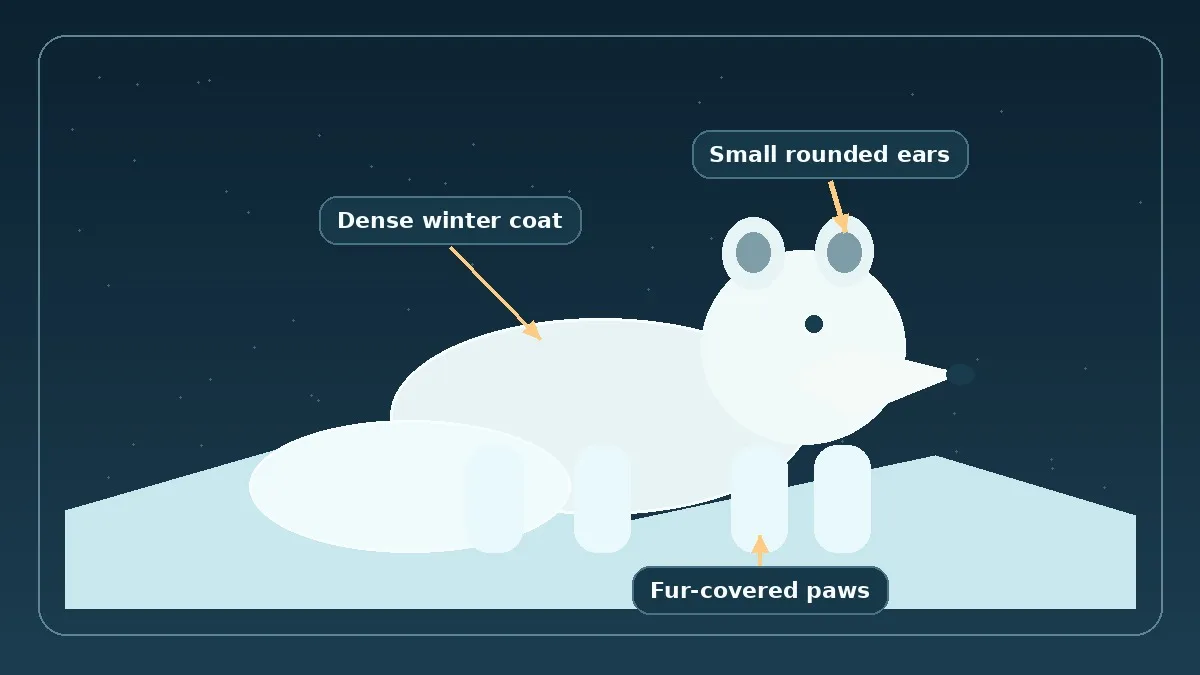
Dense winter fur, small ears and fur-covered feet help Arctic foxes cope with extreme cold. Discover the animal’s remarkable seasonal adaptations.
Take a five-story journey through a topic.
Follow the water from its blue surface to the ecosystems of the deep sea.
Start exploring ↗5 QUESTIONS · GUIDED READINGExplore unusual worlds, hidden oceans and the clues astronomers use to understand them.
Start exploring ↗5 QUESTIONS · GUIDED READINGDiscover the surprising physics and chemistry behind familiar things.
Start exploring ↗5 QUESTIONS · GUIDED READINGFollow ice from a slippery surface to a frozen bridge, then explore the life that thrives in snow.
Start exploring ↗